Are you curious about whether your air conditioner or heater is costing you more on your electricity bill? You’re not alone.
Many people wonder which appliance uses more power and why. Understanding this can help you make smarter choices to save money and energy. You’ll discover the surprising facts about electricity use for both air conditioners and heaters. By the end, you’ll know exactly how to keep your home comfortable without wasting energy.
Keep reading to find out which device is the bigger energy hog—and how to keep your bills in check.
Energy Consumption Basics
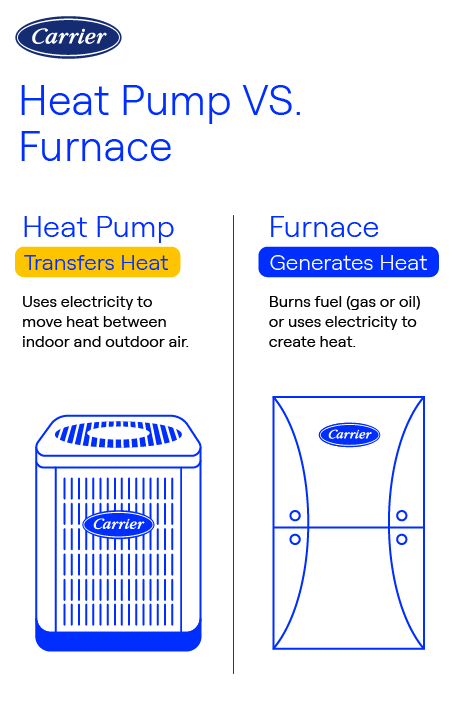
Air conditioners use electricity to move heat from inside to outside. They work by cycling a refrigerant through coils. This process cools the air but needs a steady power supply.
Energy use depends on the AC size and settings. Higher temperatures and bigger rooms mean more power. Newer models often use less electricity than old ones.
Heaters convert electricity directly into heat. This means all the electric power becomes warmth. They can heat quickly but usually use more energy than ACs.
Types of heaters vary in power use:
- Electric resistance heaters use the most electricity.
- Heat pumps use electricity more efficiently by moving heat.
- Infrared heaters warm objects directly, saving energy in some cases.
| Device | How It Uses Electricity | Energy Efficiency |
|---|---|---|
| Air Conditioner | Moves heat outside using refrigerant | Moderate to High, depends on model |
| Electric Heater | Converts electricity directly to heat | Low to Moderate |
| Heat Pump | Moves heat efficiently like AC | High |
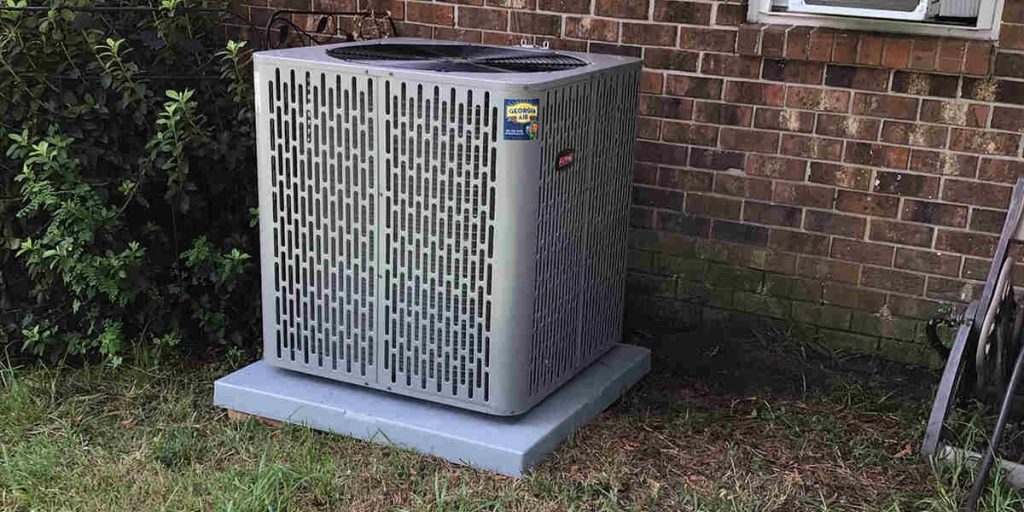
Credit: www.georgiaairrepair.com
Factors Affecting Energy Use
Climate and weatherplay a big role in energy use. Hot climates make air conditioners run longer. Cold climates mean heaters work more to keep homes warm.
Insulation and home sizealso matter. Well-insulated homes keep heat or cool air inside. Larger homes need more energy to heat or cool.
| Factor | Effect on Energy Use |
|---|---|
| Climate and Weather | Hot weather increases AC use; cold weather increases heater use |
| Insulation and Home Size | Better insulation reduces energy; larger homes need more energy |
| Efficiency Ratings and Models | Higher efficiency units use less electricity |
Choosing efficient modelslowers electricity use. Look for units with good efficiency ratings. They save money and energy over time.
Comparing Air Conditioners And Heaters
Air conditionersand heatersuse different amounts of electricity. Air conditioners often consume more power because they cool large spaces. Heaters can use less if they are small or used in small rooms. The actual energy use depends on the sizeand efficiencyof the device.
| Device | Average Power Use (kWh) | Cost per Hour ($) |
|---|---|---|
| Air Conditioner | 1.5 – 2.5 | 0.18 – 0.30 |
| Heater | 1.0 – 2.0 | 0.12 – 0.24 |
- Electricity costs rise with longer use.
- Heaters cost less in mild weather.
- Air conditioners cost more in hot seasons.
- Usage changes with seasons and weather.

Credit: www.aljazeera.com
Energy-saving Tips
Optimizing thermostat settingscan save energy and money. Set your air conditioner to 78°F (26°C) or higher in summer. For heaters, 68°F (20°C) is enough in winter. Use a programmable thermostat to adjust temperatures when you are away or asleep. Small changes reduce electricity use without losing comfort.
Regular maintenancekeeps devices running well. Clean or replace filters monthly. Dirt blocks airflow and wastes power. Check ducts and vents for leaks. Fixing these stops warm or cool air from escaping. A well-maintained system uses less electricity and lasts longer.
Alternative cooling and heating methodshelp save energy. Use fans to cool rooms before turning on the air conditioner. Wear warm clothes indoors instead of heating the whole house. Close curtains to keep heat out during summer and in during winter. These simple steps lower electricity bills.
Environmental Impact
Heatingusually produces a larger carbon footprintthan cooling. This is because heaters often use more energy to warm a space than air conditioners do to cool it. Many heaters rely on fossil fuels like natural gas or oil, which release greenhouse gases. Air conditioners mostly run on electricity, which can come from cleaner sources.
Using renewable energycan reduce the impact of both cooling and heating. Solar panels and wind turbines provide electricity without harmful emissions. Heat pumps are a smart choice too. They use electricity to move heat rather than create it, making them more efficient.
- Solar energypowers air conditioners and heaters without pollution.
- Wind energyis another clean source for electric heating and cooling.
- Heat pumpsuse less electricity and lower carbon emissions.
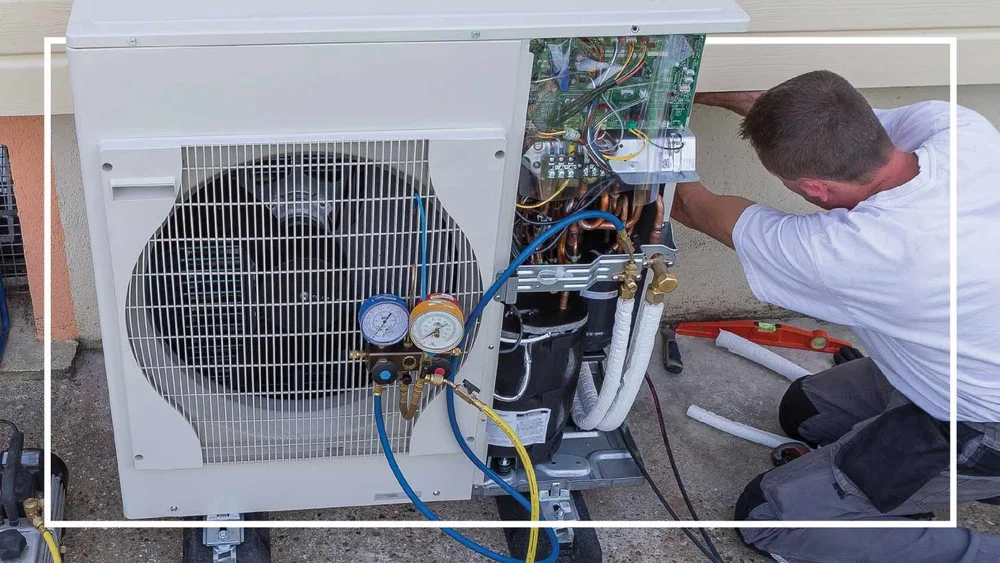
Credit: greensavers.com
Frequently Asked Questions
Which Uses More Electricity, Air Conditioners Or Heaters?
Air conditioners generally use more electricity than heaters. Cooling requires more energy to remove heat. However, efficiency varies by model and usage.
How Does Energy Consumption Differ Between Ac And Heaters?
AC units consume more power during peak cooling. Heaters use less energy but run longer. Usage patterns influence total electricity consumption.
Are Electric Heaters More Energy-efficient Than Air Conditioners?
Electric heaters convert almost all energy to heat, making them efficient. ACs use compressors and fans, consuming more electricity for cooling.
Does Room Size Affect Electricity Use For Ac Or Heaters?
Yes, larger rooms require more power for both ACs and heaters. Bigger spaces need longer run times, increasing electricity consumption.
Conclusion
Air conditioners and heaters both use electricity but in different ways. The amount depends on the device’s size and how long it runs. Generally, heaters use more power to warm a space than air conditioners do to cool. Still, factors like outside temperature and insulation affect energy use too.
Choosing the right system and using it wisely can save electricity. Simple steps like setting a timer or adjusting the temperature help. Think about your needs and environment before picking one. This way, you keep your home comfortable without wasting energy.