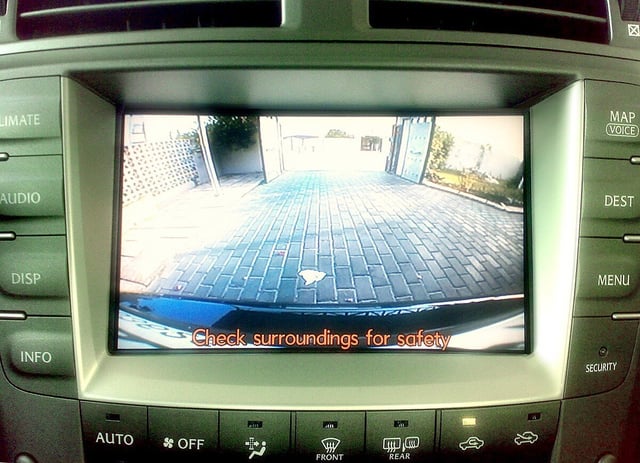
Have you ever wondered which car was the first to come with a backup camera? You might take this handy feature for granted now, but it truly changed the way we drive and park.
Knowing the story behind the first car with a backup camera will give you a new appreciation for the technology that keeps you safer every day. Keep reading, and you’ll discover surprising facts that make this innovation more fascinating than you ever expected.

Credit: www.reddit.com
Early Vehicle Safety Features
Car safety has improved a lot since the first vehicles. Early cars had few features to protect drivers and passengers. Inventors tried to find ways to make driving safer.
One big problem was seeing behind the car. Rear visibility caused many accidents. Engineers worked on new ideas to solve this issue.
Challenges In Rear Visibility
Early cars had small or no rear windows. Drivers could not see behind easily. This made parking and reversing risky. Blind spots were common and dangerous.
- Limited rear window size reduced visibility.
- High rear car bodies blocked the view.
- Side mirrors were small and not common.
- Lighting at night made it harder to see behind.
- Driver seats did not always offer good rear views.
Initial Attempts To Improve Safety
Car makers tested many ideas to help drivers see behind. Some early models used mirrors in new ways. Others added signals to warn people nearby.
| Safety Feature | Description | Year Introduced |
|---|---|---|
| Rear-View Mirrors | First standard mirrors to see behind the car | 1911 |
| Backup Lights | Lights that turn on when reversing to alert others | 1939 |
| Rear Parking Sensors | Early electronic sensors to detect obstacles | 1980s |
| Backup Camera | Camera showing rear view on a screen inside | 1991 (first production car) |
Credit: www.hotcars.com
Emergence Of Backup Cameras
The backup camera is a device that helps drivers see behind their cars. It improves safety by reducing blind spots. This technology started many years ago.
Early ideas and inventions led to the first real backup cameras in cars. These efforts began in the mid-1900s. Let’s explore these developments.
Technological Innovations In The 1950s And 1960s
During the 1950s and 1960s, car makers and engineers worked on new safety tools. Cameras became smaller and easier to use. Several inventions focused on improving driver views.
- Introduction of small cameras for vehicles
- Development of video displays inside cars
- Use of rearview mirrors combined with camera images
- Testing of camera systems for parking and reversing
First Concepts And Prototypes
Early prototypes appeared in the 1950s. Some cars had cameras linked to screens to show the rear view. These models were not common but showed the idea’s promise.
| Year | Prototype Name | Key Feature |
| 1956 | Chrysler Rear Vision | Rear-mounted camera with dashboard screen |
| 1961 | Lincoln Continental Prototype | Camera system for parking assistance |
| 1969 | Early Backup Camera Concept | Improved video quality and display |
The First Production Car With Backup Camera
Backup cameras help drivers see behind their cars. They improve safety by reducing blind spots.
The first car to have a backup camera in production set a new standard for safety features.
Manufacturer And Model Details
The first production car with a backup camera was the 1991 Toyota Soarer. Toyota introduced this model in Japan.
The backup camera was part of an advanced safety package. It used a small camera mounted at the rear.
- Manufacturer: Toyota
- Model: Toyota Soarer (Z20 series)
- Camera Type: Rear-mounted video camera
- Display: In-dash color screen
Launch Year And Market Reception
The Toyota Soarer with a backup camera launched in 1991. It was available only in the Japanese market.
Customers liked the new safety feature. The camera helped drivers park and reverse more safely.
- Launch Year: 1991
- Market: Japan only
- Reception: Positive feedback for safety
- Impact: Early step toward modern driver assistance
Backup Camera Evolution Over Time
The first car with a backup camera appeared in the late 1990s. This feature helped drivers see behind their vehicles. Since then, backup cameras have changed a lot.
Backup cameras have become common in many cars. They keep drivers safer and make parking easier. Let’s look at how backup cameras have evolved over time.
Advancements In Camera Technology
Early backup cameras had low resolution and poor night vision. They showed blurry images on small screens. Today, cameras use better sensors and lenses.
Modern cameras provide clear images in all light conditions. They use wide-angle lenses to show more area behind the car. Some even offer 3D views or multiple angles.
- Higher resolution for sharp images
- Improved night vision with infrared lights
- Wide-angle lenses to cover blind spots
- Multiple camera setups for full surround view
Integration With Vehicle Systems
Backup cameras now connect with many car systems. They link to the dashboard screen and sensors. This helps drivers get more information while backing up.
Some cars use backup cameras with parking sensors and alerts. The system can warn drivers about obstacles or moving objects. Cameras also work with automatic parking features.
- Display on large, high-definition screens
- Integration with parking sensors for alerts
- Connection to automatic braking systems
- Use in self-parking and driver-assist features
Regulations And Industry Impact
The first car with a backup camera marked a key change in vehicle safety. Governments started to see the need to reduce accidents caused by blind spots.
This technology led to new rules and affected how car makers designed their vehicles. It also changed what buyers expect in safety features.
Safety Standards And Mandates
Backup cameras became required by law in many countries. These rules aim to lower crashes and protect pedestrians.
- The United States mandated backup cameras on all new cars from 2018.
- Canada and the European Union followed with similar laws.
- Safety groups pushed for these rules to reduce child accidents behind vehicles.
- Manufacturers had to meet specific technical standards for camera systems.
Influence On Car Design And Consumer Expectations
Backup cameras changed how cars look and work. Designers found new places to fit screens and cameras.
| Impact Area | Effect on Cars |
| Dashboard Design | Bigger screens to show camera views |
| Rear End | Added small cameras near license plates |
| User Experience | Drivers expect clear, wide views when reversing |
| Safety Features | Backup cameras now standard in many models |
Modern Backup Cameras And Future Trends
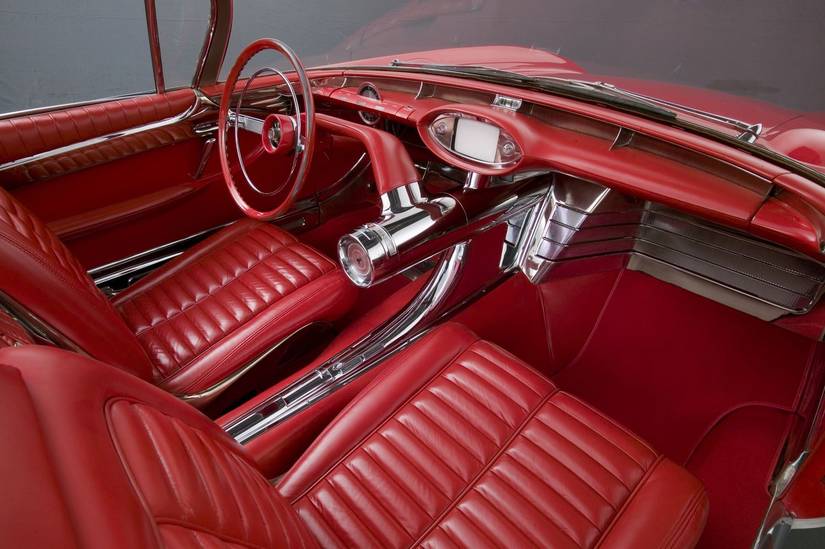
The first car with a backup camera was the 1956 Buick Centurion concept. It showed how cameras could help drivers see behind their cars. Today, backup cameras are common in many vehicles.
Backup camera technology keeps improving. It now offers clearer images and wider views. New trends are shaping how these cameras work with other car systems.
High-definition And 360-degree Views
Modern backup cameras provide high-definition video. This makes it easier to see small objects behind the car. Some systems offer 360-degree views using multiple cameras.
These 360-degree views combine images to show the car’s surroundings. Drivers can see all sides without moving their heads. This helps in parking and avoiding obstacles.
- High-definition cameras improve image clarity
- 360-degree views use several cameras around the car
- Combined images give a full view of the environment
- Better visibility reduces accidents and parking mistakes
Integration With Autonomous Driving
Backup cameras work with sensors and computers in self-driving cars. They help the car detect objects and plan safe movements. This makes parking and reversing easier without driver input.
Future cars will use backup camera data for full automation. Cameras will guide the car in tight spaces and avoid collisions. This integration improves safety and convenience for drivers.
- Cameras feed data to the car’s computer system
- Systems use images to detect obstacles automatically
- Backup cameras help in automated parking and reversing
- Integration supports advanced self-driving functions

Credit: www.vroom.be
Frequently Asked Questions
What Was The First Car With A Backup Camera?
The 1991 Toyota Soarer was the first production car to feature a backup camera. It was mainly sold in Japan and had a rearview monitor to assist parking and reversing safely.
Why Did Toyota Introduce The Backup Camera First?
Toyota aimed to improve safety and convenience in reversing. The backup camera reduced blind spots and helped drivers avoid collisions while parking.
How Did The First Backup Camera System Work?
The system used a small camera mounted at the rear. It transmitted live video to a monitor on the dashboard, showing the area behind the car.
When Did Backup Cameras Become Standard In Cars?
Backup cameras became mandatory in new vehicles in the United States starting May 2018, increasing driver safety and reducing accidents during reversing.
Conclusion
The first car with a backup camera changed driving safety forever. It helped drivers see behind their cars clearly. This small technology made parking and reversing easier. Today, backup cameras are common in many vehicles. They keep people and objects safer on the road.
Knowing this history shows how car safety has grown. Technology keeps improving, making driving safer every day. The backup camera started a new trend in car design. Simple tools can make a big difference in daily life.