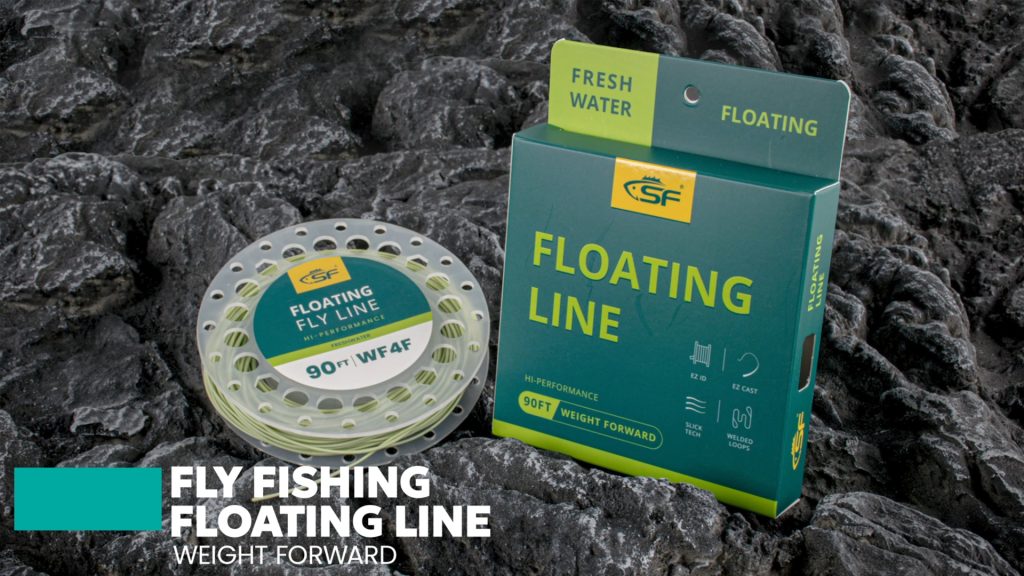
Choosing the right fishing line weight for trout can make all the difference between a successful catch and a frustrating day by the water. You might wonder, “What weight fishing line should I use to land that elusive trout?” Picking the perfect line is not just about strength—it affects your casting, sensitivity, and how easily you can reel in your prize.
You’ll discover exactly which fishing line weight suits your style and the conditions you fish in. By the end, you’ll be ready to upgrade your gear and increase your chances of landing more trout every time you cast. Keep reading, because the secret to better trout fishing is simpler than you think.
Choosing The Right Line Weight
Choosing the right fishing line weight helps you catch more trout. It affects casting, hook setting, and how you fight the fish.
The right line weight depends on many factors like fish size and water conditions. Use the proper line to improve your chances.
Factors Influencing Line Weight
Several key factors affect which line weight you should use. They include trout size, water type, and fishing gear.
- Trout size and strength
- Water clarity and flow
- Type of fishing rod and reel
- Presence of obstacles like weeds or rocks
- Type of bait or lure used
Matching Line Weight To Trout Size
Match line weight to the size of trout you expect. Larger trout need stronger lines to avoid breakage.
| Trout Size | Recommended Line Weight (lbs) |
| Small (up to 1 lb) | 2–4 |
| Medium (1 to 3 lbs) | 4–6 |
| Large (3 to 6 lbs) | 6–8 |
| Extra Large (over 6 lbs) | 8–12 |
Water Conditions And Line Selection
Water conditions impact line choice. Clear water calls for lighter, less visible lines. Murky water allows thicker, stronger lines.
- Clear water: Use 2–4 lb test lines for stealth.
- Fast rivers: Choose 6–8 lb lines for strength.
- Weedy or rocky areas: Use abrasion-resistant lines.
- Still or pond water: Lighter lines work well.
Types Of Fishing Lines For Trout
Choosing the right fishing line helps catch trout better. Different lines suit different fishing styles and waters.
Here, we explain three common types of fishing lines for trout. Each has unique features and benefits.
Monofilament Lines
Monofilament lines are made from a single nylon fiber. They are soft, stretchable, and easy to handle. These lines float well and are good for beginners.
- Good stretch absorbs fish strikes
- Easy to knot and cast
- Best for general trout fishing
- Affordable and widely available
Fluorocarbon Lines
Fluorocarbon lines are nearly invisible in water. They sink faster than monofilament, making them good for deep trout fishing. These lines resist abrasion well.
| Feature | Benefit |
| Low visibility | Less spooks fish |
| Sinks quickly | Good for deep water |
| Abrasion resistant | Lasts longer near rocks |
| Low stretch | Better hook setting |
Braided Lines
Braided lines are strong and thin. They have no stretch, so you feel every bite. These lines are good for fishing in heavy cover or fast water.
- High strength with small diameter
- Excellent sensitivity
- Durable and long-lasting
- Good for casting long distances
Advantages Of Different Line Weights
Choosing the right fishing line weight can change your trout fishing experience. Different weights help in various fishing conditions. Understanding these advantages helps you pick the best line.
Light, medium, and heavy lines each have benefits. These depend on the water, fish size, and fishing style. Let’s explore what each line weight offers.
Light Lines For Stealth And Sensitivity
Light lines are thin and less visible in water. They help catch cautious trout that avoid thick lines. These lines offer high sensitivity to feel small bites easily.
- Best for clear water and calm conditions
- Allows delicate presentations of bait or lures
- Improves hook setting with less resistance
- Works well with small trout and light tackle
Medium Lines For Versatility
Medium lines balance strength and sensitivity. They work in many fishing spots and conditions. You can catch various trout sizes with these lines.
| Line Weight | Typical Use | Advantages |
|---|---|---|
| 4-6 lb | Small to medium trout | Good sensitivity, moderate strength |
| 6-8 lb | Medium trout, mixed water types | Strong enough for bigger fish, still sensitive |
| 8-10 lb | Larger trout, rougher water | Strong control, less line break |
Heavy Lines For Strength And Control
Heavy lines offer more power to fight strong trout. They work well in fast currents and thick cover. These lines give better control for landing big fish.
- Resist breaking under heavy strain
- Control fish in strong currents or heavy cover
- Better for large trout and aggressive fishing
- Less line stretch for quick hook sets
Credit: farbank.com
Tips For Handling And Maintenance
Choosing the right weight fishing line for trout is important. Proper care helps keep the line strong and ready for fishing.
This guide shows easy tips to handle and maintain your fishing line well.
Proper Line Storage
Store your fishing line in a cool, dry place away from sunlight. Avoid heat and moisture to prevent damage.
- Keep the line on the reel or spool to avoid tangles.
- Use line covers or cases to protect from dust and dirt.
- Do not store near chemicals or sharp objects.
Inspecting For Wear And Damage
Check your fishing line often for signs of wear. Look for cuts, frays, or discoloration.
| Type of Damage | What to Look For |
| Fraying | Loose or broken fibers along the line |
| Discoloration | Faded or uneven color spots |
| Cuts | Small nicks or breaks in the line surface |
Replacing Lines At The Right Time
Replace your fishing line before it breaks during use. Regular replacement keeps fishing safe and fun.
- Replace after heavy use or after catching a big fish.
- Change if you see any damage from inspection.
- Swap lines each fishing season, even if no damage shows.
Matching Line With Rod And Reel
Choosing the right fishing line weight is key for trout fishing. It helps you cast better and catch more fish. Matching the line with your rod and reel is important for balance and performance.
Using the correct line weight prevents damage to your gear. It also improves your control over the fish during a fight.
Rod Power And Action Considerations
Rod power shows how much force the rod can handle. Action tells how fast the rod bends. Both affect the best line weight to use for trout fishing.
- Light power rods work well with 2-6 lb test lines.
- Medium power rods suit 4-8 lb test lines.
- Fast action rods need lighter lines for better sensitivity.
- Slow action rods can handle heavier lines for strong fish.
Reel Capacity And Drag Settings
Your reel must hold the line weight you choose. Drag settings help control how much pressure the fish feels. Both are vital for effective trout fishing.
| Reel Size | Line Capacity (Yards) | Recommended Line Weight (lbs) | Drag Range (lbs) |
| 1000-2000 | 100-150 | 2-6 | 2-6 |
| 2500-3000 | 150-200 | 4-8 | 4-10 |
| 4000+ | 200+ | 8-12 | 8-15 |

Credit: www.amazon.com
Common Mistakes To Avoid
Choosing the right fishing line weight for trout is important. Many anglers make simple mistakes that hurt their chances of catching fish. Avoiding these errors will help you fish better and enjoy your time on the water.
This guide covers common mistakes like using the wrong line weight, ignoring the environment, and neglecting line care. Learn what to avoid for better trout fishing results.
Using Too Heavy Or Too Light Line
Using a fishing line that is too heavy makes the line visible and scares trout away. A line that is too light may break easily when a trout pulls hard. Finding the right balance helps you catch more fish without losing them.
- Heavy line can spook fish and reduce bites.
- Light line may snap on bigger trout.
- Choose line weight based on trout size and water clarity.
- Test your line strength before fishing.
Ignoring Environmental Factors
Environmental conditions affect which line weight to use. Water clarity, current speed, and weather change how trout react to your line. Ignoring these factors lowers your fishing success.
| Environmental Factor | Effect on Line Choice |
|---|---|
| Clear water | Use lighter, less visible line |
| Strong current | Use heavier line for better control |
| Low light | Lighter line works well |
| Windy conditions | Medium weight line balances casting and strength |
Neglecting Line Maintenance
Old or damaged fishing lines cause lost fish and broken tackle. Taking care of your line extends its life and improves your fishing. Do not ignore line maintenance before and after trips.
- Check for cracks or frays regularly
- Replace line after heavy use or long storage
- Keep line clean and dry when not fishing
- Store line away from sunlight and heat
Expert Recommendations And Best Practices
Choosing the right weight fishing line for trout fishing is important. It helps you catch more fish and avoid losing them.
This guide shares expert advice on how to select your line based on seasons, local tips, and balancing strength with sensitivity.
Seasonal Adjustments
Trout behavior changes with the seasons. This affects the best fishing line weight to use.
- Spring: Use lighter lines (2-4 lb test) for clear, slow waters.
- Summer: Slightly heavier lines (4-6 lb test) help with stronger currents.
- Fall: Medium lines (4-6 lb test) work well as trout feed actively.
- Winter: Lighter lines (2-4 lb test) improve sensitivity in cold water.
Local Trout Fishing Tips
Local waters have unique conditions. Adjust your line weight based on water clarity, fish size, and fishing pressure.
| Water Condition | Recommended Line Weight |
| Clear, calm streams | 2-4 lb test |
| Fast-moving rivers | 4-6 lb test |
| Lake fishing | 4-8 lb test |
| Heavily fished areas | Use lighter line for less visibility |
Balancing Strength And Sensitivity
Strong lines reduce breakage but can scare trout. Sensitive lines help feel bites but may break easier.
Tips to balance strength and sensitivity:
- Choose line strength slightly above trout size.
- Use fluorocarbon for low visibility and good sensitivity.
- Match line weight to your rod’s recommended rating.
- Replace old lines to keep strength high.
Credit: www.yellowdogflyfishing.com
Frequently Asked Questions
What Weight Fishing Line Is Best For Trout Fishing?
A 2 to 6-pound test line is ideal for trout. It offers a good balance of strength and sensitivity. Lighter lines help detect bites better. Heavier lines can scare trout in clear water. Always consider water conditions and trout size.
Can I Use Braided Line For Trout Fishing?
Yes, braided lines can be used for trout fishing. They offer high strength with low diameter. However, braided lines are more visible in clear water. Use a fluorocarbon leader to reduce visibility and improve bite detection.
How Does Line Weight Affect Trout Fishing Success?
Line weight affects sensitivity, casting distance, and fish fight. Lighter lines improve bite detection and are less visible. Heavier lines provide better control and reduce breakage risk. Choosing the right weight depends on water clarity and trout size.
Is Fluorocarbon Line Better For Trout Fishing?
Fluorocarbon lines are excellent for trout fishing. They are nearly invisible underwater and resist abrasion. Fluorocarbon sinks faster, improving lure presentation. They offer good sensitivity for detecting subtle bites. Many anglers prefer fluorocarbon for clear water trout fishing.
Conclusion
Choosing the right fishing line weight helps catch more trout. Light lines work best in clear water for cautious fish. Heavier lines suit rough waters or bigger trout. Always match your line to your rod and reel. Test different weights to find what feels right.
Good line choice makes fishing easier and more fun. Keep it simple and enjoy your time on the water. Trout fishing success starts with the right line.