Choosing the right weight line for bass fishing can make all the difference between a thrilling catch and a frustrating day on the water. You want a line that’s strong enough to handle big bass but light enough to feel every subtle bite.
If you’ve ever wondered which weight line suits your fishing style and conditions best, you’re in the right place. Keep reading, because understanding this simple yet crucial factor will boost your confidence and improve your success every time you cast.
Choosing The Right Weight Line
Picking the right weight line is key for bass fishing success. The line affects how you cast and how you fight the fish.
Too light a line can break easily. Too heavy a line may scare bass away. It is important to find the right balance.
Factors Influencing Line Weight
Several things affect which line weight you should use. These include the size of the bass, the strength of the line, and the fishing environment.
Bass Size And Line Strength
Bass come in different sizes. Bigger bass need stronger lines to avoid breaking.
Use lighter lines for small bass and heavier lines for big bass. The line strength is measured in pounds (lb).
- Light lines: 4-8 lb for small bass
- Medium lines: 8-12 lb for average bass
- Heavy lines: 12-20 lb for large bass
Fishing Environment Impact
The place you fish affects your line choice. Clear water calls for thinner, less visible lines.
In areas with lots of weeds or rocks, use stronger, heavier lines to avoid snags and breaks.
- Clear water: 6-10 lb fluorocarbon or monofilament
- Weedy or rocky areas: 12-20 lb braided or heavy monofilament
- Heavy cover: braided lines for strength and abrasion resistance

Credit: knotsandweaves.com
Common Line Weights For Bass
Choosing the right fishing line weight is important for bass fishing. It helps you catch bass more easily.
Line weight means the strength of the fishing line. Different weights work better in different situations.
Lightweight Lines
Lightweight lines usually range from 4 to 8 pounds test. They are good for clear water and small bass.
These lines let you feel small bites better. They also make your bait move more naturally in the water.
- Line weight: 4 to 8 pounds
- Use in clear water
- Best for small to medium bass
- Good for finesse fishing techniques
Medium Weight Lines
Medium weight lines range from 10 to 15 pounds test. They work well for most bass fishing conditions.
These lines offer a good balance of strength and sensitivity. They can handle bigger bass and thicker cover.
- Line weight: 10 to 15 pounds
- Good for most waters
- Handles medium to large bass
- Works well with many bait types
Heavyweight Lines
Heavyweight lines are 17 pounds test and above. Use them in heavy cover or for very large bass.
These lines are strong and tough. They help you pull bass out of thick weeds or brush easily.
- Line weight: 17 pounds and up
- Use in heavy cover or thick weeds
- Best for large bass
- Less sensitive but very strong
Types Of Fishing Lines
Choosing the right fishing line is important for bass fishing. Different lines suit different fishing styles and conditions.
Fishing lines come in three main types: monofilament, fluorocarbon, and braided. Each type has unique features and strengths.
Monofilament Lines
Monofilament lines are made from a single strand of nylon. They are flexible and easy to handle.
These lines stretch under pressure, which helps absorb shocks from fish fights. They are good for beginners and general use.
- Affordable and widely available
- Good knot strength
- Visible in water, so it can scare fish
- Stretches, reducing sudden breaks
Fluorocarbon Lines
Fluorocarbon lines are made from a special polymer that sinks faster than other lines. They are nearly invisible underwater.
These lines resist abrasion well and are good for clear water fishing. They do not stretch much, giving better hook sets.
- Low visibility in water
- Strong against rough surfaces
- Less stretch for better sensitivity
- More expensive than monofilament
Braided Lines
Braided lines are made by weaving several fibers together. They have very high strength and no stretch.
These lines are thin but strong. They let you feel even small bites and are good for heavy cover fishing.
- Very strong for its size
- No stretch means better sensitivity
- Highly visible in water
- Can be rough on guides and hands

Credit: mysterytacklebox.com
Matching Line Type And Weight
Choosing the right fishing line is important for bass fishing. The line weight and type affect how you catch bass.
Different line types work better with different weights. Matching them helps improve your fishing success.
Best Combos For Different Techniques
Each bass fishing method needs a certain line type and weight. This helps you cast well and feel the fish bite.
- Flipping and Pitching:Use braided line 50-65 lb for strong cover and heavy lures.
- Texas Rig:Use fluorocarbon 12-17 lb for less visibility and good sensitivity.
- Carolina Rig:Use monofilament 10-15 lb for better stretch and smooth casting.
- Topwater Fishing:Use braided line 20-30 lb for quick hook sets and strong pulls.
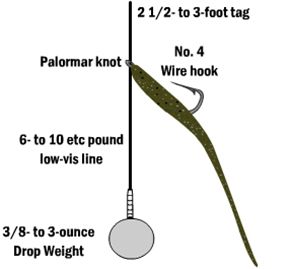
- Drop Shot:Use fluorocarbon 6-10 lb for light bites and finesse fishing.
Adjusting Line Weight By Bait
Heavier baits need heavier lines to cast and control well. Lighter baits work better with thinner lines.
Match the line weight to the bait size to avoid spooking bass or losing fish.
| Bait Type | Recommended Line Weight | Line Type |
|---|---|---|
| Large Jigs and Swimbaits | 40-65 lb | Braided |
| Medium Soft Plastics | 12-17 lb | Fluorocarbon |
| Small Crankbaits and Spinnerbaits | 10-15 lb | Monofilament |
| Light Worms and Drop Shot | 6-10 lb | Fluorocarbon |
Tips For Line Maintenance
Choosing the right weight line is important for bass fishing. Keeping your line in good shape helps catch more fish.
Regular care can stop your line from breaking and losing strength. This guide shares tips to keep your line strong.
Checking For Wear And Tear
Look at your fishing line often to find any damage. Small cuts or frays can cause the line to break easily.
Run your fingers along the line to feel rough spots or weak areas. Replace the line if you see damage.
- Check for nicks, cuts, or frays
- Feel for rough or weak spots
- Replace the line if damaged
- Inspect the line after every fishing trip
Proper Storage Practices
Store your fishing line in a cool, dry place. Heat and sunlight can weaken the line over time.
Keep your line on the reel or spool to avoid tangles. Use a line holder or container to protect it from dust.
- Store line away from direct sunlight
- Keep in a cool, dry environment
- Use a container or line holder
- Keep line on reel or spool when not in use

Credit: mysterytacklebox.com
Expert Recommendations
Choosing the right weight line for bass fishing is important. It helps you catch bass without losing your bait or breaking your line.
Experts suggest picking lines that match the fishing conditions and the size of bass you want to catch. This guide shares top picks and tips to avoid mistakes.
Top Line Picks For Bass Fishing
Many anglers use 8 to 12-pound test lines for bass fishing. This range offers strength and sensitivity. Lighter lines work well in clear water, while heavier lines suit thick cover.
- 8-pound test for clear water and small bass
- 10-pound test as a good all-around choice
- 12-pound test for heavy cover and bigger bass
- Braid lines for strength and low stretch
- Fluorocarbon lines for invisibility underwater
Avoiding Common Mistakes
Many beginners use lines that are too heavy or too light. This causes lost fish and broken lines. Choosing the right weight line is key to success.
| Common Mistake | Why It Happens | How to Fix |
| Using too heavy line | Fear of breaking line | Pick line weight based on bass size and cover |
| Using too light line | Wanting more sensitivity | Use fluorocarbon or braid for better strength |
| Ignoring water conditions | Not adjusting line weight | Match line to clear or heavy cover water |
| Not checking line regularly | Wear and tear unnoticed | Inspect line for damage before fishing |
Frequently Asked Questions
What Weight Line Is Best For Bass Fishing?
A 8 to 12-pound test line is ideal for bass fishing. It offers strength and sensitivity for most conditions. This range balances durability and casting distance, helping anglers handle bass effectively.
Why Choose 10-pound Test Line For Bass?
A 10-pound test line provides a good mix of strength and finesse. It suits various lures and offers enough toughness for bass fights. This line weight is versatile for many fishing environments.
How Does Line Weight Affect Bass Fishing Success?
Line weight impacts casting accuracy, lure presentation, and hook setting. Lighter lines improve sensitivity but may break easily. Heavier lines offer durability but can reduce lure action. Choosing the right weight ensures better control and catch rates.
Can Heavy Line Improve Bass Fishing In Thick Cover?
Yes, heavier lines (12-20 pounds) help fish in thick vegetation. They resist abrasion and reduce break-offs on snags. This strength is crucial when bass hide in heavy cover.
Conclusion
Choosing the right weight line helps you catch more bass. Light lines work well in clear water and calm conditions. Heavier lines handle thick weeds and strong currents better. Match your line to the fishing spot and bass size. Remember, balance is key for better casting and hook sets.
Test different weights to find what feels best. Keep it simple, and enjoy your time fishing. The right line makes bass fishing easier and more fun.