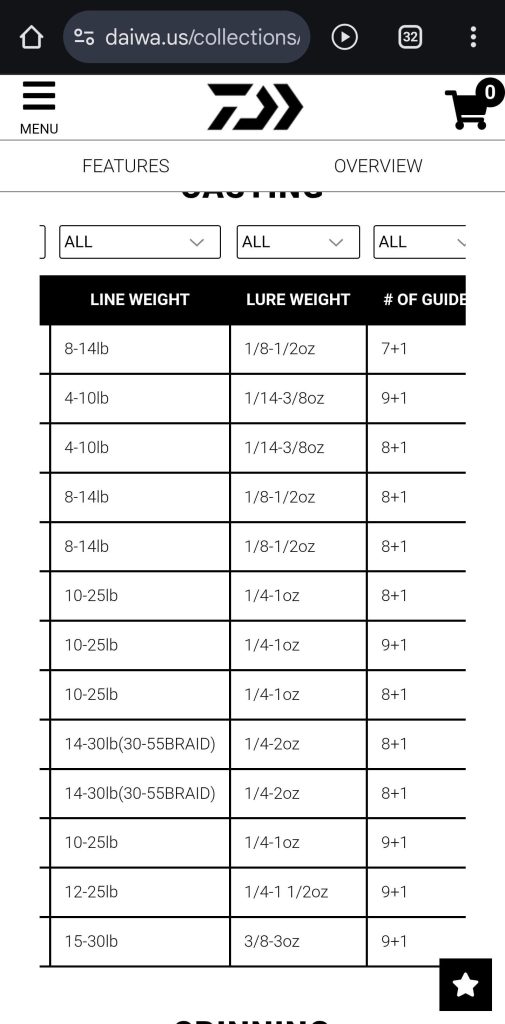
Choosing the right weight of fishing line can make or break your fishing experience. You might think any line will do, but the truth is, the weight of your line affects how well you cast, how strong your setup is, and whether you land that big catch.
If you’ve ever struggled with tangled lines or lost fish, this is the key detail you need to fix. You’ll discover exactly how to pick the perfect fishing line weight for your needs—so you can fish smarter, not harder. Keep reading, and you’ll never second-guess your fishing gear again.
Credit: mail.sadio.org.ar
Choosing Line Strength
Picking the right fishing line weight helps catch fish easily. It also protects your rod and reel.
Line strength depends on what fish you want to catch and your fishing gear.
Factors Influencing Line Weight
Water type, fish size, and fishing style affect your line choice. Saltwater needs stronger line than freshwater.
- Water conditions: clear or murky
- Fishing depth and location
- Fish behavior and fight strength
- Weather and water temperature
Matching Line To Fish Species
Different fish need different line strengths. Small fish need lighter lines. Big fish need heavier lines.
| Fish Species | Recommended Line Weight (lbs) |
| Trout | 2 – 6 |
| Bass | 6 – 12 |
| Salmon | 8 – 15 |
| Catfish | 12 – 20 |
| Marlin | 50 – 80 |
Impact Of Rod And Reel
Your rod and reel must fit the line strength. Too light line can break. Too heavy line can hurt gear.
Check your rod’s label for the recommended line weight range. Match your reel’s drag capacity to your line strength.
- Use medium strength lines for most rods
- Use heavy lines with strong rods and reels
- Match line strength to reel spool size
Credit: www.microskiff.com
Types Of Fishing Lines
Choosing the right fishing line weight depends on the type of line you use. Different lines have different strengths and uses.
Knowing the types of fishing lines helps you pick the best one for your fishing needs.
Monofilament Lines
Monofilament lines are made from a single strand of nylon. They are stretchy and easy to handle.
These lines are good for beginners and work well in many fishing situations. They float on water and are less visible.
Fluorocarbon Lines
Fluorocarbon lines are made from a special type of plastic. They sink faster than monofilament lines.
These lines are nearly invisible underwater, making them great for clear water fishing. They resist abrasion and last longer.
Braided Lines
Braided lines are made by weaving many thin fibers together. They have no stretch and are very strong.
These lines have a small diameter for their strength. They are good for heavy cover and long casts.
Line Diameter And Visibility
Fishing line weight affects how well you can catch fish. Line diameter and visibility are key factors to consider.
Choose the right line to balance strength and stealth. Let’s explore how diameter and visibility impact fishing success.
Effect On Casting Distance
Thinner lines cast farther. They cut through the air with less resistance. This can be useful when fishing in open waters.
Thicker lines are heavier, reducing casting distance. They are better for shorter casts.
Line Visibility To Fish
Fish can see thick lines more easily. This might scare them away. Clear or thin lines are harder for fish to notice.
Use clear lines in clear water. Colored lines can blend in with murky water.
- Clear line for clear water
- Green or brown line for murky water
- Blue line for deep sea fishing
Abrasion Resistance
Thicker lines are more resistant to abrasion. They hold up better against rocks and structures underwater.
Thin lines can break more easily when rubbed against rough surfaces. Consider your fishing environment when choosing line thickness.
| Line Type | Resistance |
| Thick Line | High |
| Thin Line | Low |

Credit: www.reddit.com
Common Line Weights And Uses
Choosing the right fishing line weight helps you catch fish better. Different line weights work well for different fish sizes and fishing styles.
Understanding common line weights makes your fishing trips more fun and successful.
Light Line For Small Fish
Light fishing lines usually range from 2 to 6 pounds test. They work well for small fish like trout and panfish.
These lines are thin and flexible, making it easier to feel bites and cast lightly.
- Best for clear water fishing
- Use light lines for small baits
- Good for cautious fish
Medium Line For Versatility
Medium lines range from 8 to 15 pounds test. They work well for many fish types and fishing methods.
This line weight is strong enough for bigger fish but still light enough for good casting and control.
- Suitable for bass, walleye, and catfish
- Good for both fresh and saltwater fishing
- Works with many lure sizes
Heavy Line For Large Fish
Heavy fishing lines usually start at 20 pounds test and go higher. They are strong for catching large fish like pike and tuna.
These lines are thicker and can handle rough water and heavy cover like weeds or rocks.
- Good for deep-sea fishing
- Use with big baits and heavy tackle
- Best for strong, aggressive fish
Environmental Considerations
Choosing the right fishing line weight affects the environment. Using proper line helps protect fish and water habitats. It also reduces pollution caused by lost or broken lines.
Understanding different water types and conditions can guide your line choice. This lowers harm to aquatic life and keeps waters cleaner.
Freshwater Vs Saltwater Lines
Freshwater and saltwater require different fishing lines. Saltwater lines need more strength to resist corrosion and bigger fish. Freshwater lines often focus on invisibility and flexibility.
- Saltwater lines are usually heavier and made with special coatings.
- Freshwater lines are lighter and designed for clearer water.
- Using the wrong line can cause more breaks and lost tackle in water.
- Lost lines in saltwater can harm coral reefs and marine animals.
- Lost lines in freshwater can entangle fish and birds.
Water Clarity And Line Choice
| Water Condition | Recommended Line Weight | Environmental Benefit |
|---|---|---|
| Clear Water | Light to Medium | Less visible to fish, reduces lost fish |
| Murky Water | Medium to Heavy | Stronger line prevents breakage and litter |
| Saltwater | Heavy | Prevents corrosion and reduces line loss |
| Freshwater | Light | Minimizes disturbance to fish habitats |
Tips For Line Maintenance
Choosing the right weight of fishing line is important. Keeping your line in good shape helps you fish better. Proper care makes your line last longer.
Maintenance includes replacing old line, storing it correctly, and checking for damage. These tips keep your line strong and ready to use.
Replacing Old Line
Old fishing line loses strength and can break easily. Replace your line after a few uses or if it looks worn. This prevents losing fish and tackle.
Remove all old line from your reel. Then spool new line tightly to avoid tangles. Use the right weight line for your fishing needs.
Storing Fishing Line
Store your fishing line in a cool, dry place away from sunlight. Heat and sun can weaken the line and cause it to degrade. Keep the line in its original packaging if possible.
- Avoid storing near chemicals or sharp objects
- Keep line away from extreme temperatures
- Use sealed containers to prevent dust and moisture
Checking For Damage
Check your fishing line before each use. Look for nicks, cuts, or frays along the line. Damaged line can snap under pressure.
Run the line through your fingers to feel for weak spots. Replace any section that shows damage to avoid losing your catch.
Frequently Asked Questions
What Fishing Line Weight Suits Beginners Best?
For beginners, 6-12 lb test line is ideal. It balances strength and flexibility, making casting easier and reducing line breaks.
How To Choose Fishing Line Weight For Big Fish?
Use heavier lines, typically 20-50 lb test, for big fish. Heavier lines handle more weight and resist strong pulls effectively.
Does Fishing Line Weight Affect Casting Distance?
Yes, lighter lines generally cast farther due to less air resistance. However, balance weight with strength for best performance.
What Line Weight Is Best For Freshwater Fishing?
For freshwater, 4-12 lb test lines are common. They suit various fish sizes and provide good control and sensitivity.
Conclusion
Choosing the right fishing line weight helps catch fish more easily. Think about the fish size and where you fish. Lighter lines work well for small fish in calm waters. Heavier lines hold better for big fish or rough water.
Test different lines to find what suits you best. Enjoy your fishing trips with confidence and success. Simple choices make a big difference on the water. Keep practicing and learn what feels right. Fishing becomes more fun with the right gear.