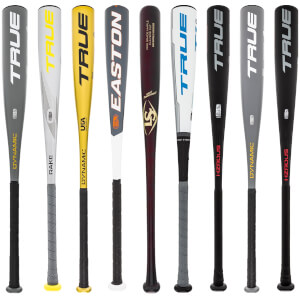
Have you ever wondered what makes a baseball bat feel just right in your hands? The type of wood used to craft a bat can change everything—from the way it swings to the power behind your hit.
If you want to step up your game or simply understand what goes into your favorite bat, knowing the wood it’s made from is a great place to start. Keep reading, and you’ll discover the secrets behind the best baseball bats and how the choice of wood can make all the difference for your performance on the field.

Credit: www.reddit.com
Common Woods For Baseball Bats
Baseball bats come in different wood types. Each wood has its own features and benefits. Players choose bats based on feel, strength, and weight.
Knowing the common woods helps in picking the right bat. Let’s look at the popular wood types used for baseball bats.
Ash Bats
Ash is a popular choice for baseball bats. It is light and flexible. Ash bats have good shock absorption, which means less sting on the hands.
These bats are easy to swing fast. Ash wood has visible grain lines that some players prefer for grip and feel.
Maple Bats
Maple is a hard and dense wood. It offers more power and durability. Maple bats are heavier than ash bats but give strong hits.
- Hard surface for better ball contact
- Less flexible than ash
- Heavier weight for power hitters
- Finer grain with fewer visible lines
Birch Bats
Birch wood blends features of ash and maple. It is hard but still has some flex. Birch bats offer good balance of power and control.
These bats break in over time, becoming more flexible with use. Birch is a good choice for players who want a mix of strength and feel.
Other Wood Types
| Wood Type | Features | Use |
| Hickory | Very strong and heavy | Less common, strong hitters |
| Poplar | Lightweight and soft | Training bats, beginners |
| Composite | Mix of wood and resin | Not pure wood, some leagues allow |

Credit: skazone.medium.com
Characteristics Of Ash Wood
Ash wood is a popular choice for making baseball bats. It is known for its strength and flexibility, making it ideal for players.
Its grain structure also contributes to its performance, providing a balance between weight and durability. Let’s explore these characteristics further.
Flexibility And Grain Structure
Ash wood is highly flexible, which helps in absorbing shock. This flexibility allows for a smooth swing, enhancing player performance.
The grain structure of ash wood is straight and visible. This makes it easier to spot any imperfections, ensuring high-quality bats.
- Straight grain supports even weight distribution
- Visible grain helps in quality checks
- Flexibility provides better shock absorption
Weight And Durability
Ash wood bats are lightweight, making them easy to handle. This feature benefits players who need speed in their swings.
While ash is not the hardest wood, it offers good durability. It can withstand multiple hits without breaking easily.
- Lightweight design enhances swing speed
- Durable enough for regular use
- Balance between weight and strength
Features Of Maple Wood
Maple wood is a popular choice for baseball bats. It offers unique qualities that appeal to players of all levels. This wood type is known for its strength and smooth finish.
Understanding maple’s features helps explain why it is used in many professional bats. The wood’s density and performance are key factors in its popularity.
Density And Hardness
Maple wood is dense and hard compared to other woods used for bats. This density gives it a solid feel and makes it very durable. The hardness helps the bat resist dents and cracks during use.
- High density provides a strong hitting surface
- Hardness reduces damage from fast pitches
- Smooth grain adds to the bat’s durability
- Weight is well balanced for good control
Performance And Longevity
| Feature | Benefit |
| Strength | Withstands powerful hits without breaking easily |
| Longevity | Lasts longer than many other wood types |
| Consistency | Offers reliable performance over time |
| Weight | Provides good swing speed and control |
Birch Wood Attributes
Birch wood is a popular choice for baseball bats. It offers a good balance of strength and flexibility. Many players prefer birch because it feels different from other woods.
Birch bats combine some hardness with a slight give. This combination helps players hit the ball well while keeping the bat durable. Birch also has a unique grain pattern that makes each bat look special.
Combination Of Flexibility And Hardness
Birch wood is harder than maple but softer than ash. This means it can flex a little when the ball hits the bat. The slight flex helps reduce sting in the hands after contact.
The hardness of birch makes it strong and resistant to dents. It can handle fast pitches and hard hits without breaking easily. This balance is why many players like birch bats.
- Harder than ash, softer than maple
- Provides slight flex to reduce sting
- Durable and resistant to dents
- Good for both power and control
Popularity Among Players
Many professional and amateur players choose birch bats. Birch offers a feel that is different from traditional woods. Players say it gives them better control and power.
Birch bats are common in leagues where wood bats are required. Players like the balance of durability and performance. The wood also breaks in over time, becoming more flexible.
- Used by both pros and amateurs
- Preferred for balance of feel and strength
- Becomes more flexible with use
- Good choice for wood bat leagues
Comparison Of Wood Types
Baseball bats come from different kinds of wood. Each wood type offers unique features. These differences affect how players perform and the bat’s cost.
Understanding wood types helps players choose the best bat for their style and budget. The main wood types are maple, ash, and birch.
Performance Differences
Maple bats are hard and dense. They provide more power but less flexibility. Ash bats are lighter and more flexible, giving better control. Birch bats fall between maple and ash in hardness and flexibility.
- Maple:Dense, strong, less flexible
- Ash:Lightweight, flexible, easier to swing
- Birch:Balanced hardness and flexibility
Cost Considerations
| Wood Type | Average Price | Durability |
|---|---|---|
| Maple | High | Very Durable |
| Ash | Medium | Moderately Durable |
| Birch | Medium-High | Durable |
Player Preferences
Players pick bats based on feel and performance. Some want power, others want control. Personal style and comfort matter most.
- Power hitters often choose maple for strength.
- Contact hitters prefer ash for flexibility.
- Birch attracts players wanting a mix of both.
Credit: rickm.mlblogs.com
Manufacturing Process
Baseball bats start as raw wood before becoming smooth, playable gear. The process shapes wood into a bat strong enough for the sport.
Experts follow careful steps to make sure the bat is ready for the game. Each step helps keep the bat balanced and durable.
Selecting The Wood
Manufacturers pick wood that is strong and light. Common types are maple, ash, and birch. These woods offer good strength and flex for bats.
- Maple: Hard and dense, offers power and durability.
- Ash: Lighter with good flexibility for control.
- Birch: A mix of hardness and softness for balance.
Shaping And Finishing
The wood is cut into a blank, the rough shape of the bat. Machines then turn the blank on a lathe to shape the barrel and handle.
| Process | Description |
| Cutting | Wood logs are cut into bat-sized blanks. |
| Turning | Blanks are shaped on a lathe to form the bat. |
| Sanding | Surface is smoothed for a clean finish. |
| Branding | Logos and designs are stamped or printed. |
| Coating | Bats receive varnish or paint for protection. |
Quality Testing
Each bat goes through tests to check strength and balance. This ensures the bat can handle strong hits without breaking.
- Visual inspection for cracks or defects
- Weight and length measurement
- Balance testing for even swing
- Impact testing to check durability
Regulations And Standards
Wooden baseball bats must follow rules set by leagues. These rules ensure safety and fairness in play.
Different leagues have their own standards for bat materials and sizes. These standards help keep the game consistent.
Professional League Requirements
Major professional leagues require bats made from specific wood types. Maple, ash, and birch are common choices.
Bats must meet size and weight limits. These rules help players handle bats safely and fairly.
- Only one-piece solid wood bats are allowed
- Maximum length is usually 42 inches
- Maximum diameter is 2.61 inches
- Bats must be smooth with no cracks or dents
Amateur And Youth Guidelines
Youth leagues often use bats made from lighter woods or composites. These bats help prevent injuries.
Rules focus on bat length, weight, and material safety. Different age groups have different bat standards.
- Younger players use shorter bats for better control
- Some leagues allow aluminum or composite bats
- Wood bats must be free of cracks and sharp edges
- Certification marks show if bats meet safety rules
Care And Maintenance Tips
Baseball bats are made from different types of wood. Keeping them in good shape helps you play better and lasts longer.
Proper care protects the wood and keeps the bat strong. Learn simple tips to avoid damage and extend your bat’s life.
Preventing Damage
Wood bats can crack or break if not handled well. Avoiding damage means treating your bat with care every time you use it.
- Do not use the bat in wet or muddy conditions.
- Avoid hitting balls that are not baseballs, like rocks or hard objects.
- Store the bat in a dry place away from extreme heat or cold.
- Never leave the bat in a car trunk or direct sunlight.
- Check the bat regularly for dents or cracks and stop using it if damaged.
Extending Bat Life
Following a few simple steps can help your wooden bat last longer and perform well.
| Tip | Reason |
| Apply bat wax or conditioner | Protects wood from moisture and small cracks |
| Rotate the bat during use | Evenly spreads the impact and reduces wear |
| Use bat sleeves or covers | Prevents scratches and minor damage during transport |
| Keep the bat dry | Prevents warping and weakening of wood fibers |
| Inspect after every game | Early damage detection prevents bigger problems |
Frequently Asked Questions
What Types Of Wood Are Baseball Bats Made From?
Baseball bats are mainly made from ash, maple, and birch wood. Ash offers flexibility, maple provides hardness, and birch combines both qualities. These woods ensure durability and optimal performance during gameplay.
Why Is Ash Wood Popular For Baseball Bats?
Ash wood is popular due to its lightweight and flexible nature. It absorbs shock well, reducing hand sting on impact. This makes ash bats ideal for players seeking control and comfort.
How Does Maple Wood Affect Bat Performance?
Maple wood is dense and hard, offering more power on hits. Its stiffness allows for greater energy transfer to the ball. However, maple bats may be heavier and less flexible than ash.
Are Birch Wood Bats Better Than Ash Or Maple?
Birch wood bats blend the flexibility of ash with the hardness of maple. They provide a balanced feel and durability. Birch bats are a good choice for players wanting strength and control.
Conclusion
Baseball bats are mainly made from maple, ash, or birch wood. Each wood type offers unique strength and flexibility. Maple bats are hard and dense, giving strong hits. Ash bats are lighter and easier to swing fast. Birch combines the benefits of both woods.
Choosing the right wood depends on your playing style and feel. Understanding these woods helps you pick a bat that suits you well. Now you know what makes baseball bats strong and reliable. Play smart and enjoy the game with the right bat in hand.