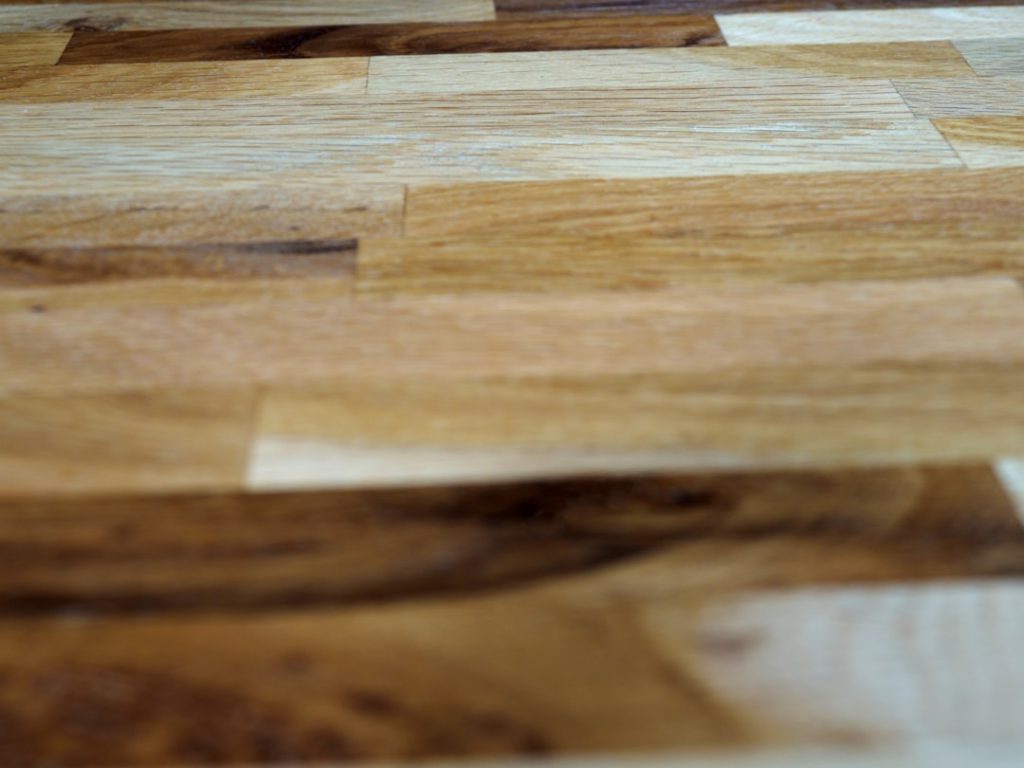
Choosing the right wood for your cutting board might seem simple, but it can make a huge difference in your kitchen. You want a board that’s tough enough to handle chopping and slicing, yet gentle on your knives.
Plus, it should resist stains and bacteria to keep your food safe. Wondering which wood checks all these boxes? Keep reading, because finding the perfect cutting board wood will not only improve your cooking experience but also protect your investment for years to come.
Let’s dive into what wood works best for your cutting board and why it matters to you.
Credit: www.crateandbarrel.ca
Key Qualities Of Cutting Board Wood
Choosing the right wood for a cutting board is important. The wood must be safe and last a long time.
Different woods have unique features. These features affect how well the board works in your kitchen.
Durability And Hardness
Cutting boards need wood that can handle knife cuts without damage. Hard wood lasts longer and stays smooth.
Soft wood can get deep cuts quickly. These cuts can trap bacteria and spoil the board.
- Hard woods like maple and walnut are best
- They resist dents and scratches
- Durable boards save money in the long run
Safety And Toxicity
The wood must be safe for food contact. Avoid woods with harmful chemicals or toxins.
Some woods can cause allergies or have natural oils that affect food taste. Choose woods known to be safe.
- Use non-toxic, food-safe woods
- Hard maple and cherry are good choices
- Avoid softwoods like pine due to sap and resins
Grain And Texture
Wood grain affects how the board feels and works. Tight grain woods are better for cutting boards.
Smooth texture helps knives cut cleanly and keeps the board easy to clean.
- End grain boards last longer and hide cuts
- Face grain boards are cheaper but show cuts more
- Tight, closed grain woods resist moisture
Maintenance And Care
Some woods are easier to care for than others. Proper care keeps boards safe and strong.
Boards need regular oiling to stop drying and cracking. Good wood absorbs oil well without damage.
- Use food-safe mineral oil for maintenance
- Clean boards with warm water and mild soap
- Avoid soaking or dishwasher use

Credit: oggnhome.com
Top Durable Wood Choices
Choosing the right wood for a cutting board is important. The wood should be strong and safe for food use.
Some woods last longer and resist damage better than others. Here are four popular durable woods.
Maple
Maple is a common choice for cutting boards. It is hard and has a fine grain. This makes it gentle on knives.
Maple is also resistant to bacteria. It is easy to clean and maintain.
Walnut
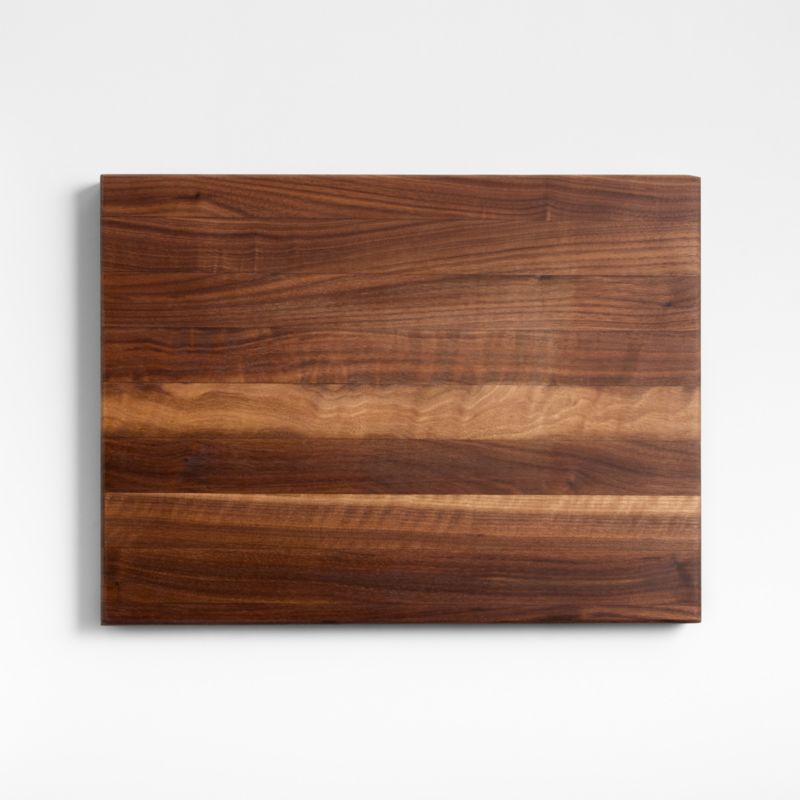
Walnut wood is strong and has a rich dark color. It adds style to any kitchen.
- Durable and dense
- Resists scratches well
- Natural antibacterial properties
- Requires oiling to keep moisture out
Cherry
Cherry wood is smooth and moderately hard. It darkens with age, gaining a warm tone.
This wood is less dense than maple and walnut but still durable. It has a fine grain that is easy on knives.
Teak
| Feature | Benefit |
|---|---|
| High oil content | Natural water resistance |
| Hard and dense | Long lasting with proper care |
| Resists bacteria | Safe for food preparation |
| Requires regular cleaning | Prevents buildup of residue |
Teak is a tropical hardwood. It is prized for its toughness and water resistance.
Safe Wood Options For Cutting Boards
Choosing the right wood for a cutting board is important for safety and durability. Some woods resist bacteria and wear better than others. This guide covers four safe wood types for cutting boards.
We will look at bamboo, beech, acacia, and olive wood. Each has unique qualities that make them good for food preparation.
Bamboo
Bamboo is a popular choice because it grows fast and is eco-friendly. It is hard and resists cuts and scratches well. Bamboo boards are less likely to absorb water, which helps keep them clean.
- Hard and durable
- Resists moisture
- Eco-friendly material
- Easy to clean
Beech
Beech wood is strong and has a tight grain that keeps bacteria out. It is gentle on knives and does not dull them quickly. Beech boards need regular oiling to stay in good shape.
| Property | Description |
| Grain | Tight and smooth |
| Durability | Strong and long-lasting |
| Care | Requires regular oiling |
| Knife Friendly | Yes, gentle on blades |
Acacia
Acacia wood has a rich color and is very dense. It resists water well and stops bacteria growth. The wood is tough but has a smooth surface that protects knives.
Here are some benefits of acacia cutting boards:
- Water resistant
- Dense and strong
- Natural antibacterial properties
- Attractive look
Olive Wood
Olive wood is prized for its unique grain and hardness. It is naturally resistant to bacteria and moisture. Olive wood cutting boards last a long time if cared for properly.
| Feature | Olive Wood |
|---|---|
| Hardness | Very hard and durable |
| Grain Pattern | Distinctive, beautiful swirls |
| Care Needed | Oil regularly to maintain |
| Resistance | Good against bacteria and moisture |
Woods To Avoid For Cutting Boards
Not all woods are safe or durable for cutting boards. Some woods can damage knives or harbor bacteria. Others may cause allergic reactions or release toxins.
It is important to know which woods to avoid to keep your kitchen safe and your cutting board long-lasting.
Soft And Porous Woods
Soft woods are easy to cut but get damaged fast. They absorb liquids and germs easily. This makes them bad for cutting boards.
Porous woods soak in juices from food. This can lead to bacteria growth and bad smells. They also wear out quickly.
- Pine
- Cedar
- Fir
- Spruce
- Poplar
Toxic Or Allergic Woods
Some woods contain natural chemicals that can irritate the skin or cause allergies. Using them for cutting boards is unsafe.
These woods can release toxins into your food. Avoid them to protect your health and prevent allergic reactions.
- Black Walnut (can cause skin irritation)
- Yew (contains toxic compounds)
- Oleander (highly toxic)
- Mahogany (may cause allergies)
- Rosewood (can irritate skin and lungs)
Tips For Maintaining Wooden Cutting Boards
Wooden cutting boards need care to last long and stay safe. Good maintenance stops damage and keeps your board clean.
Use simple steps to clean, oil, and protect your wooden board. This helps keep it strong and looking good.
Cleaning Techniques
Clean your wooden board right after use. Wash it with warm water and mild soap. Avoid soaking it in water.
Use a scrub brush or sponge to remove food bits. Dry the board quickly with a clean towel.
- Wash with warm soapy water after each use
- Rinse well and dry immediately
- Do not put the board in the dishwasher
- Use lemon and salt to remove stains and odors
Oiling And Conditioning
Oiling your cutting board keeps the wood from drying out. Use food-safe mineral oil or special board oil. Apply oil once a month or more if needed.
| Oil Type | Purpose |
|---|---|
| Mineral Oil | Protects wood, safe for food contact |
| Beeswax Conditioner | Seals and adds extra moisture |
| Coconut Oil (Refined) | Natural, but may cause rancid smell if unrefined |
Rub oil evenly over the whole surface. Let it soak overnight, then wipe off extra oil.
Avoiding Warping And Cracking
Wood can warp or crack if it dries too fast or absorbs too much water. Keep your board flat and dry.
- Do not soak the board in water
- Dry the board on a flat surface after washing
- Store in a cool, dry place away from heat
- Use both sides of the board to reduce wear
Credit: www.forbes.com
Frequently Asked Questions
What Wood Is Best For Cutting Boards?
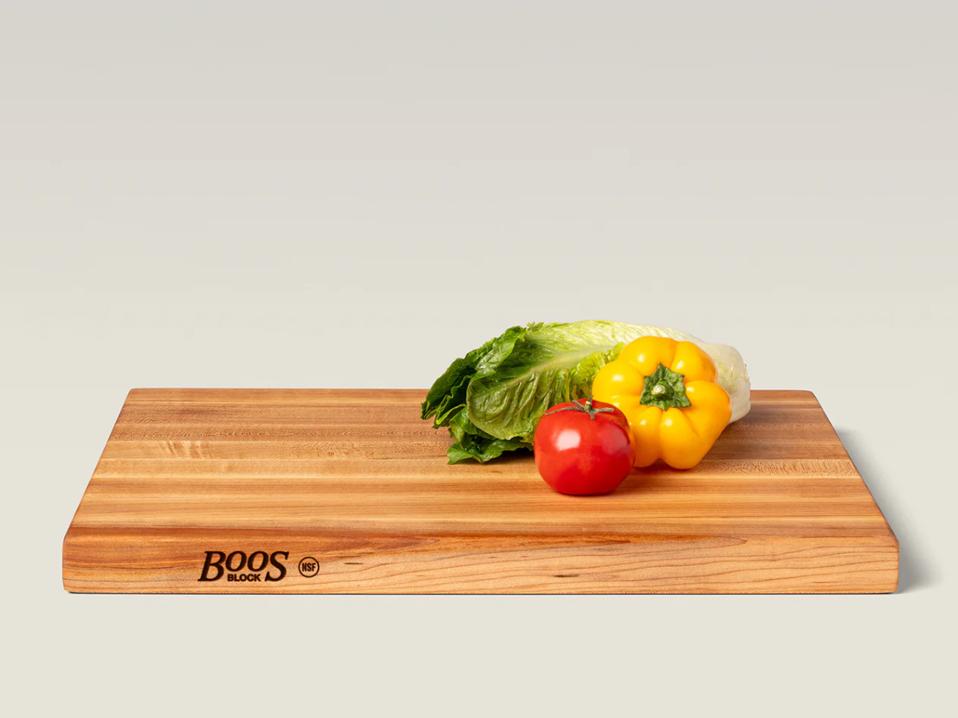
Hardwoods like maple, walnut, and cherry are ideal for cutting boards. They are durable, less porous, and resist bacteria. These woods provide a smooth surface for cutting. They are also gentle on knives. Their natural oils help prevent moisture absorption, ensuring longevity.
Are Bamboo Cutting Boards Good?
Bamboo cutting boards are eco-friendly and sustainable. They are harder than most hardwoods. This makes them durable and less prone to knife marks. Bamboo is naturally resistant to bacteria. It’s a great alternative for those seeking a sustainable option.
How To Maintain A Wooden Cutting Board?
Regularly oil your wooden cutting board with mineral oil. This keeps it hydrated and prevents cracking. Clean it with mild soap and water after use. Avoid soaking it in water. Store it in a dry place, away from direct sunlight, to maintain its longevity.
Can Softwoods Be Used For Cutting Boards?
Softwoods are generally not recommended for cutting boards. They are more porous and prone to bacteria. Softwoods can easily get damaged by knives. This makes them less durable. Choosing hardwoods ensures a longer-lasting and safer cutting surface.
Conclusion
Choosing the best wood for a cutting board matters for durability and safety. Hardwoods like maple, walnut, and cherry work well. They resist knife marks and stay gentle on blades. Avoid soft or toxic woods that can damage knives or food.
Regular cleaning and oiling keep your board in good shape. A well-chosen wood board lasts long and stays safe for cooking. Think about your needs and pick wood that fits them. A good cutting board makes food prep easier and more enjoyable.