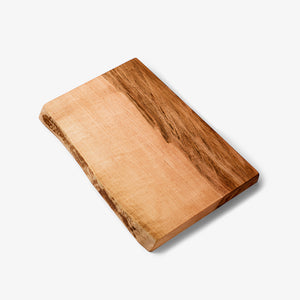
Choosing the right wood for your cutting board might seem simple, but it can make a huge difference in your kitchen. You want a board that’s durable, safe, and easy to clean—one that lasts for years without damaging your knives.
But with so many wood options out there, how do you pick the best one for your needs? Keep reading, and you’ll discover exactly what to look for so you can make a smart choice that protects your food and your tools.
Your perfect cutting board is closer than you think.
Top Wood Types For Cutting Boards
Choosing the right wood for a cutting board is important for durability and safety. Some woods work better than others. This guide explains the best wood types for cutting boards.
Understanding the difference between hardwoods and softwoods helps you pick the right material. We will also explain why hardwoods are preferred for cutting boards.
Hardwoods Vs Softwoods
Hardwoods come from trees that lose their leaves each year. Softwoods come from evergreen trees. Hardwoods are usually denser and tougher.
- Hardwoods have tight grain patterns.
- Softwoods have wider grain and are softer.
- Hardwoods resist cuts and scratches better.
- Softwoods can get damaged quickly.
- Hardwoods are less likely to absorb water.
- Softwoods can hold moisture and bacteria.
Why Hardwoods Are Preferred
Hardwoods make safer and longer-lasting cutting boards. They resist knife marks and stop bacteria growth better. Here are some top hardwoods for cutting boards.
| Wood Type | Benefits | Notes |
|---|---|---|
| Maple | Hard, smooth surface, resists bacteria | Most popular choice |
| Walnut | Strong, rich color, gentle on knives | More expensive |
| Cherry | Durable, beautiful grain, ages well | Softens slightly over time |
| Beech | Hard, fine grain, affordable | Needs good care to avoid stains |
| Teak | Water-resistant, oily wood, lasts long | Good for wet kitchens |
Durable Wood Options
Choosing the right wood for a cutting board is important. Durable woods last longer and resist damage.
Some woods are harder and better at handling knife cuts without wearing down fast.
Maple
Maple is a popular choice for cutting boards. It is hard and has a tight grain. This stops moisture from soaking in. Maple boards resist cuts and scratches well.
Walnut
Walnut wood is strong and has a rich, dark color. It is gentle on knives and lasts a long time. Walnut cutting boards look good in any kitchen.
Cherry
Cherry wood is smooth and hard. It gets a warm color as it ages. Cherry boards are durable and easy to clean. They add beauty to your countertop.
Teak
Teak is known for its strength and water resistance. It has natural oils that protect it from cracking. Teak cutting boards are very durable and great for wet kitchens.
- Hardness: Teak > Maple > Walnut > Cherry
- Water resistance: Teak highest
- Knife friendliness: Walnut and Cherry
- Color range: Cherry warm, Walnut dark, Maple light, Teak golden
Safe Wood Choices
Choosing the right wood for a cutting board is very important. Safe woods keep your food clean and healthy.
Some woods are better because they do not harm your health or taste. Let’s explore safe wood options.
Non-toxic Properties
Safe woods do not release harmful chemicals into food. They are natural and free from toxins.
Hardwoods like maple and walnut are good choices. They do not affect food safety.
- Maple
- Walnut
- Cherry
- Beech
Natural Antibacterial Qualities
Some woods fight bacteria naturally. This helps keep your cutting board cleaner.
Hardwoods with tight grains prevent bacteria from hiding inside. They dry fast and stay fresh.
- Maple has natural antibacterial properties
- Beech is dense and resists germs
- Cherry wood helps reduce bacteria growth
Avoiding Toxic Woods
Some woods can be harmful for cutting boards. They may cause allergic reactions or poison food.
Avoid softwoods and woods with strong smells or colors. They can release harmful oils and chemicals.
- Pine – soft and resinous, not safe
- Cedar – strong smell, may irritate skin
- Oleander – toxic to humans
- Yew – contains poisonous compounds

Credit: www.crateandbarrel.ca
Wood Grain And Cutting Board Performance
The type of wood grain affects how well a cutting board works. Wood grain impacts durability and how your knives stay sharp.
Knowing the difference between end grain and edge grain helps you pick the right cutting board for your needs.
End Grain Vs Edge Grain
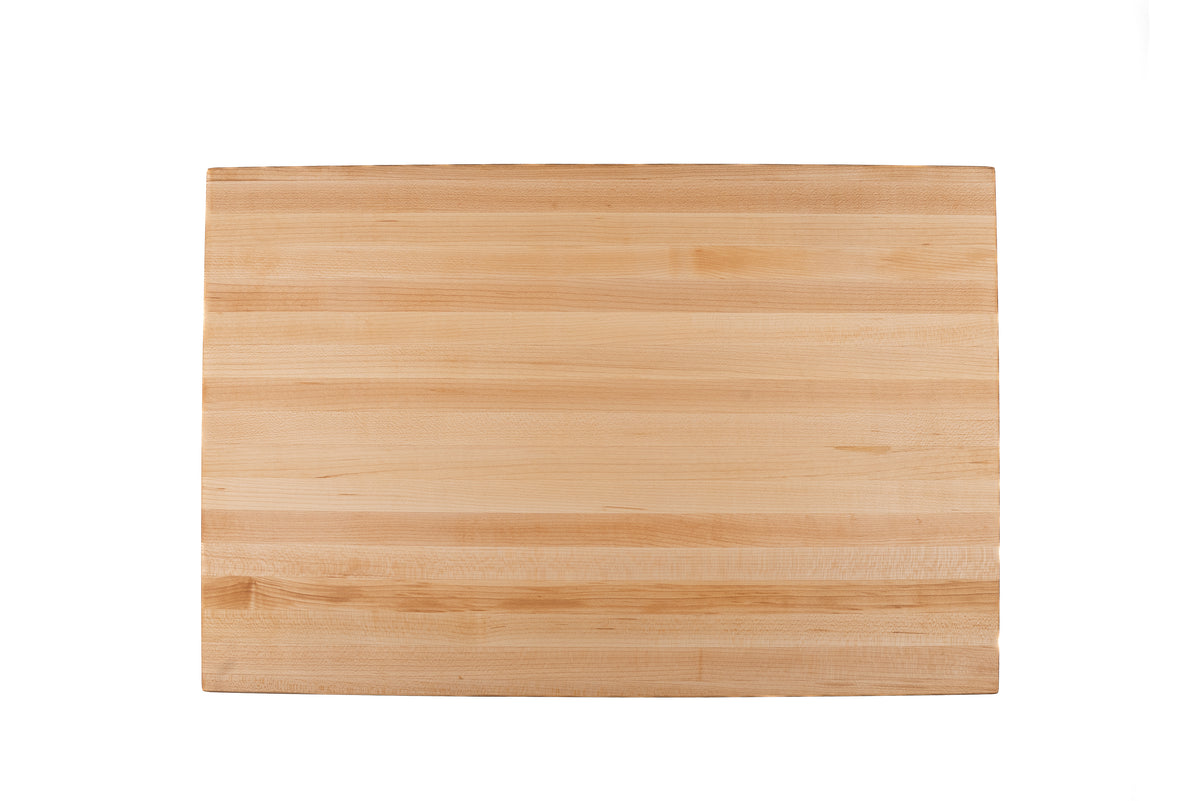
End grain boards show the wood fibers vertically. Edge grain boards show the fibers horizontally. This changes how the board handles cuts.
End grain boards are softer on knives. Edge grain boards are harder and less forgiving.
- End grain boards look like many small squares or blocks.
- Edge grain boards show long wood strips side by side.
- End grain absorbs cuts better, edge grain shows marks faster.
Impact On Durability
End grain boards last longer because wood fibers close after cutting. Edge grain boards wear down faster and can crack.
End grain boards resist deep cuts and stains better. Edge grain boards need more care to avoid damage.
- End grain boards resist knife marks and scratches.
- Edge grain boards can split along the grain lines.
- End grain boards are usually thicker and heavier.
Impact On Knife Care
End grain boards are gentler on knives. The blades cut between fibers, which helps keep them sharp.
Edge grain boards are harder on knives. The blade hits wood fibers directly, dulling the edge faster.
- Use end grain boards to protect your knife edges.
- Edge grain boards may need more frequent sharpening.
- Both types benefit from regular oiling to maintain smooth surfaces.
Maintenance Tips For Wood Cutting Boards
Wood cutting boards need care to last long and stay safe for food. Proper maintenance keeps the board clean and prevents damage.
Simple daily habits help your wood cutting board stay strong and look good over time.
Cleaning Techniques
Clean your wood cutting board right after use. Use warm water and mild soap. Avoid soaking it in water to stop wood from swelling.
Dry the board with a towel and stand it up to air dry completely. This stops bacteria and mold from growing.
- Wash with mild soap and warm water
- Do not soak or put in dishwasher
- Dry with towel and air dry upright
- Use vinegar or lemon to remove odors
Oiling And Conditioning
Apply food-safe mineral oil to your cutting board regularly. This keeps the wood from drying out and cracking.
Use a soft cloth to rub oil evenly. Let it soak for a few hours or overnight. Wipe off any extra oil before use.
- Use food-safe mineral oil only
- Apply oil once a month or more if dry
- Rub oil into all surfaces including edges
- Let oil soak fully, then wipe excess off
Preventing Cracks And Warping
Keep your wood cutting board away from extreme heat and moisture. Avoid leaving it near stoves or sinks for long periods.
Store the board in a dry, cool place. Stand it up to allow air circulation on all sides. This helps prevent cracks and warping.
- Do not expose to high heat
- Avoid soaking or long water exposure
- Store upright in a dry area
- Use both sides to reduce uneven wear
Credit: knifewear.com
Eco-friendly And Sustainable Wood Choices
Choosing the right wood for cutting boards affects the environment. Eco-friendly wood helps protect forests and wildlife.
Sustainable wood comes from sources that renew and maintain healthy forests. This keeps nature balanced for future use.
Certified Sustainable Sources
Wood from certified sustainable sources is verified by organizations. These groups check that the wood is harvested responsibly.
Choosing certified wood means the trees are replaced and forests stay healthy. This reduces deforestation and soil damage.
- Look for FSC (Forest Stewardship Council) certification
- PEFC (Programme for the Endorsement of Forest Certification) is another trusted label
- Certified wood supports local communities and wildlife habitats
Reclaimed Wood Options
Reclaimed wood comes from old furniture, buildings, or wood scraps. It is reused instead of being thrown away.
Using reclaimed wood reduces the need to cut new trees. It also gives wood a unique look with natural character.
- Reclaimed hardwoods are strong and durable for cutting boards
- Each piece has a story and unique grain patterns
- Make sure reclaimed wood is safe and free from chemicals
Credit: www.timberware.ca
Frequently Asked Questions
What Is The Best Wood For Cutting Boards?
Hardwoods like maple, walnut, and cherry are ideal for cutting boards. They are durable and gentle on knives. Their dense grain structure prevents bacteria absorption. Maple is particularly popular due to its hardness and smooth grain. Choose a wood that matches your needs and kitchen aesthetics.
Why Is Hardwood Preferred For Cutting Boards?
Hardwoods are preferred because of their durability and resistance to knife marks. They have a dense grain structure that prevents bacteria growth. This makes them safer for food preparation. Hardwoods are also less likely to warp over time. This ensures a long-lasting cutting surface.
Is Bamboo Good For Cutting Boards?
Bamboo is a popular choice for cutting boards. It’s a renewable resource, making it eco-friendly. It’s harder than many hardwoods, offering durability. However, it can be tough on knives due to its hardness. Consider your knife maintenance routine when choosing bamboo.
Can I Use Softwood For Cutting Boards?
Softwoods are generally not recommended for cutting boards. They are prone to knife marks and scratches. This can lead to bacterial growth. Softwoods may also warp and wear out quickly. For a lasting and hygienic board, choose hardwoods instead.
Conclusion
Choosing the right wood for your cutting board matters a lot. Hardwoods like maple, walnut, and cherry offer durability and safety. Soft woods may get damaged and hold bacteria more easily. Keep your board clean and dry to last longer.
A good cutting board makes food prep safer and easier. Think about wood type, care, and your budget. This helps you pick the best board for your kitchen needs. A well-chosen board will serve you well every day. Simple steps lead to better cooking experiences.