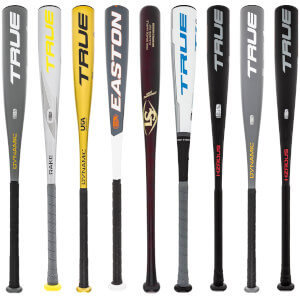
Have you ever held a baseball bat and wondered what kind of wood it’s made from? The type of wood can change everything—how the bat feels in your hands, how it swings, and even how it hits the ball.
Whether you’re a player, a fan, or just curious, knowing what wood is used helps you understand the game better. You’ll discover the most common woods used in baseball bats and why they matter to your game. Keep reading, and you’ll see how the right wood could make all the difference next time you step up to the plate.

Credit: www.reddit.com
Types Of Wood Used In Bats
Baseball bats can be made from several types of wood. Each wood offers different strength and weight features. Players choose bats based on their playing style and wood properties.
The most common woods for baseball bats are ash, maple, birch, and hickory. Some other wood types are also used but are less popular. Let’s explore each type in detail.
Ash Wood
Ash wood is a traditional choice for baseball bats. It is lightweight and flexible, making it easy to swing. Ash bats also have good shock absorption.
The grain of ash wood is visible and often straight. This helps with durability and control. Many players like the feel of ash bats during play.
Maple Wood
Maple wood is heavier and denser than ash. This makes maple bats stronger and harder. The dense wood can hit the ball with more power.
Maple bats have a smooth finish and tight grain. Some players prefer maple because it feels solid and durable. The extra weight may help with stronger hits.
Birch Wood
Birch wood is a mix between ash and maple. It is lighter than maple but harder than ash. Birch bats offer a good balance of flexibility and strength.
Birch wood bends slightly on impact and then returns to shape. This gives players good control and power. Birch bats are becoming more popular in baseball.
Hickory Wood
Hickory wood is very strong and heavy. It was used for bats in the early days of baseball. Hickory bats are very durable but harder to swing fast.
Due to its weight, hickory is less common today. Some players like it for its toughness. It can take strong hits without breaking.
Other Wood Varieties
Besides the main woods, some bats use less common types like bamboo or walnut. These woods have unique traits. Bamboo bats are light and flexible.
Walnut offers good hardness and weight balance. These woods are not standard but can be found in custom bats. They provide different feel and performance.
Characteristics Of Popular Bat Woods
Baseball bats are made from different types of wood. Each type has unique features that affect its performance.
Understanding these characteristics helps players choose the best bat for their needs.
Durability And Strength
Durability is important for a bat’s lifespan. Strong wood types last longer and withstand more hits.
- Maple is very strong and durable.
- Birch offers a good balance of strength and flexibility.
- Ash is less durable but popular for its lightweight feel.
Weight And Balance
Weight affects how easily a bat can be swung. Balance impacts control and speed during play.
- Maple bats are heavier and provide powerful hits.
- Birch bats are medium weight, offering balanced control.
- Ash bats are lighter, allowing quicker swings.
Grain Structure
The grain structure of wood affects its flexibility and strength. Tight grains are often preferred.
Maple has a tight grain, making it strong. Ash has a visible grain, offering flexibility. Birch’s grain is a mix of both.
Shock Absorption
Shock absorption reduces vibrations felt in the hands. Some woods handle shocks better than others.
- Birch absorbs shocks well, reducing hand sting.
- Maple provides some shock absorption but feels harder.
- Ash absorbs shocks poorly, which can affect comfort.
Choosing The Right Wood For Your Bat
Baseball bats come in different types of wood. The wood you pick affects how the bat performs. This guide helps you choose the best wood for your bat.
Think about your skill, playing style, league rules, and budget. These points will guide your choice.
Player Skill Level
Beginner players should use bats made from lighter woods. These bats are easier to swing and control.
Advanced players may prefer harder woods. These woods give more power and durability but can be heavier.
- Light wood: good for beginners
- Hard wood: better for advanced players
- Balance weight with control
Playing Style
Your hitting style affects which wood is best. Power hitters need sturdy bats to handle strong swings.
Contact hitters benefit from lighter bats. These allow faster swings and better bat speed.
- Power hitters: choose dense, hard woods
- Contact hitters: pick lighter, flexible woods
- Consider wood grain and feel
League Regulations
Different leagues have rules about what wood bats you can use. Check your league’s rules before buying.
Some leagues only allow certain types of wood or bats with specific marks. Using the wrong bat can lead to disqualification.
- Verify allowed wood types
- Look for league-approved stamps
- Follow size and weight limits
Budget Considerations
Wood bats vary in price. Hardwoods like maple cost more but last longer. Softer woods cost less but wear out faster.
Decide how much you want to spend. Balance cost with durability and performance.
- Maple bats: higher cost, durable
- Ash bats: moderate cost, flexible
- Birch bats: balance of price and strength
- Set a budget before shopping
Manufacturing Process Of Wooden Bats
Wooden baseball bats are made through a careful process. This process transforms raw wood into a smooth, strong bat. Each step ensures the bat is ready for the game.
From selecting the wood to the final quality check, every detail matters. This guide explains how wooden bats are made in simple steps.
Wood Selection And Preparation
Manufacturers choose wood that is strong and light. Maple, ash, and birch are common types. The wood must be free of knots and cracks.
- Cut logs into bat-sized pieces called billets
- Dry the billets to reduce moisture
- Store billets in a cool, dry place
- Inspect wood for defects before use
Shaping And Turning
The wood billet is shaped on a lathe. The lathe spins the wood while a craftsman carves it. The bat takes its round shape here.
Different bat models require specific shapes. The lathe can adjust the length, barrel size, and handle thickness.
Sanding And Finishing
After shaping, the bat is sanded smooth. Sandpaper removes rough spots and splinters. This step makes the bat safe and comfortable to hold.
Finishing touches include:
- Applying stains or paint for color
- Adding a protective clear coat
- Branding the bat with logos or text
Quality Control
| Test | Purpose | Method |
| Weight Check | Ensure correct weight | Use scales to measure |
| Balance Test | Check weight distribution | Manual handling and spin test |
| Visual Inspection | Find cracks or defects | Look over the bat carefully |
Only bats that pass all tests go to stores. This ensures players get a safe and durable bat.
Comparing Wooden Bats To Other Materials
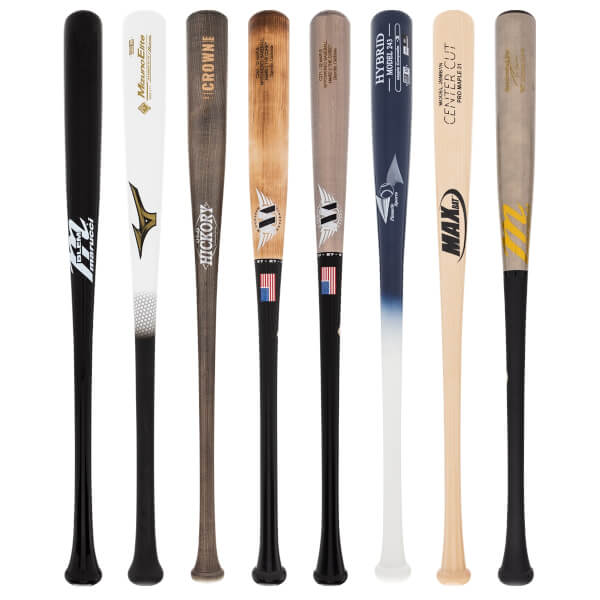
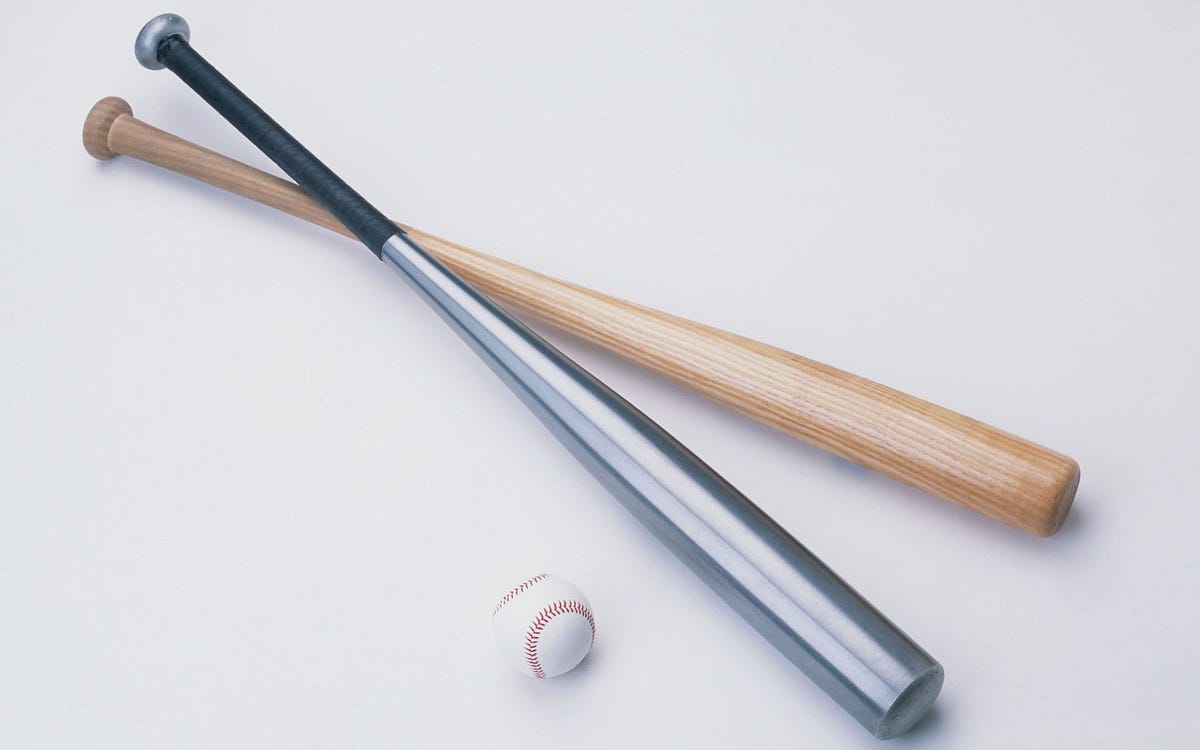
Baseball bats come in many materials. Wood is the traditional choice. Other materials include aluminum and composite.
Each material affects how the bat feels and performs. Let’s compare wooden bats with other types.
Aluminum Bats
Aluminum bats are lighter than wooden bats. They allow players to swing faster. Aluminum bats also last longer without breaking.
They are common in amateur baseball and youth leagues. Aluminum bats do not have the same feel as wood. They also produce a different sound on contact.
Composite Bats
Composite bats use a mix of materials like carbon fiber. They are lighter and stronger than wood. Composite bats can reduce vibration on the hands.
Players like composite bats for comfort and power. These bats need time to break in. They are more expensive than wooden bats.
Performance Differences
Wooden bats offer a classic, solid feel. They have less trampoline effect than aluminum or composite bats. This means the ball speed off the bat is lower.
Aluminum and composite bats give more pop and distance. They also allow faster swings due to lighter weight. Wooden bats require more skill to hit well.
- Wood bats: heavier, solid feel, less power
- Aluminum bats: lighter, more power, longer life
- Composite bats: lightest, best vibration control, costly
Regulatory Preferences
Professional baseball leagues use only wooden bats. This rule keeps the game fair and traditional. Aluminum and composite bats are banned in most pro leagues.
Youth and amateur leagues often allow aluminum or composite bats. These bats reduce injury risks and help young players. Each league sets its own rules on bat materials.
- Pro leagues: wooden bats only
- Youth leagues: usually aluminum or composite allowed
- College leagues: mix of rules depending on organization
Credit: www.justbats.com
Maintaining Wooden Bats
Wooden baseball bats need care to last longer and work well. Proper maintenance keeps the bat strong and ready for play.
Simple steps like storing, cleaning, and fixing minor damage help protect the wood. These actions can extend the life of your bat.
Proper Storage
Keep your wooden bat in a dry, cool place. Avoid leaving it in places with extreme heat or cold. This stops the wood from cracking or warping.
Store the bat upright or hang it to avoid pressure on any part. Use a bat rack or a padded case for extra protection.
Cleaning Tips
Clean your bat after every use. Wipe dirt and dust with a soft cloth. Do not soak the bat in water as it can damage the wood.
- Use a damp cloth for light cleaning
- Dry the bat with a towel immediately
- Apply a small amount of linseed oil to keep wood moist
- Avoid harsh chemicals or abrasive cleaners
Repairing Minor Damage
Small dents or scratches can be fixed at home. Sand the damaged area lightly with fine sandpaper. Then, apply wood finish or oil to protect the spot.
| Damage Type | Repair Method |
|---|---|
| Minor scratches | Light sanding and oiling |
| Small dents | Fill with wood filler, sand, then oil |
| Loose grip | Replace or rewrap grip tape |
Extending Bat Lifespan
Use your bat only for its intended purpose. Avoid hitting very hard surfaces or non-baseball objects. Rotate your bat during games to reduce wear.
- Store properly after use
- Clean regularly
- Fix minor damage quickly
- Use protective bat sleeves during transport
- Keep away from moisture and extreme temperatures
Credit: skazone.medium.com
Frequently Asked Questions
What Types Of Wood Are Used For Baseball Bats?
Baseball bats are mainly made from ash, maple, and birch wood. Each wood offers unique strength, flexibility, and weight. Ash is lightweight and flexible, maple is dense and durable, while birch combines both qualities, appealing to many players.
Why Is Ash Wood Popular For Baseball Bats?
Ash wood is popular because it is lightweight and flexible. This flexibility allows better swing control and a larger sweet spot. Ash also absorbs vibrations well, reducing hand sting. Its grain pattern makes it easier to shape and customize.
How Does Maple Wood Improve Bat Performance?
Maple wood is dense and hard, providing powerful hitting and durability. Its tight grain structure reduces the chance of splintering. Maple bats generate more power but tend to be heavier than ash, making them ideal for strong hitters seeking maximum impact.
Are Birch Wood Bats Better Than Ash Or Maple?
Birch wood bats offer a balance of flexibility and hardness. They are harder than ash but more flexible than maple. Birch bats provide durability with good shock absorption, making them suitable for players wanting a mix of power and comfort during swings.
Conclusion
Wood types like ash, maple, and birch shape baseball bats. Each wood offers different strength, weight, and feel. Players choose bats based on personal comfort and playing style. Knowing wood types helps pick the right bat. Quality wood leads to better performance and durability.
Whether for practice or games, wood matters. Now, you understand what makes a good baseball bat. Choose wisely for your best swing.