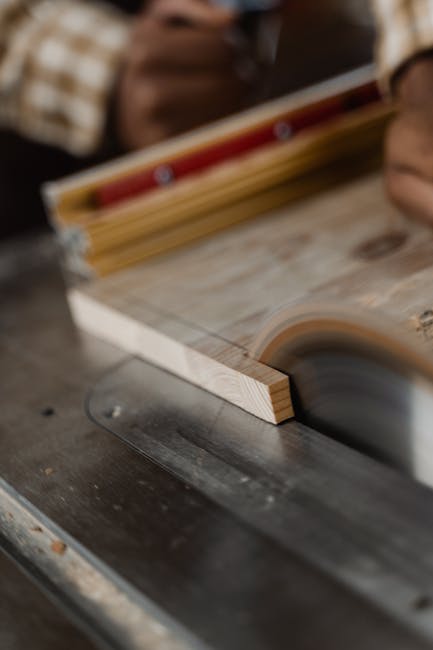
Choosing the right wood for your cutting board can make all the difference in your kitchen. You want a board that’s durable, safe, and easy to clean.
But with so many types of wood out there, how do you know which one is best? You’ll discover the top woods that protect your knives, resist bacteria, and last for years. Keep reading to find out how to pick the perfect cutting board that fits your cooking style and keeps your food preparation safe and enjoyable.
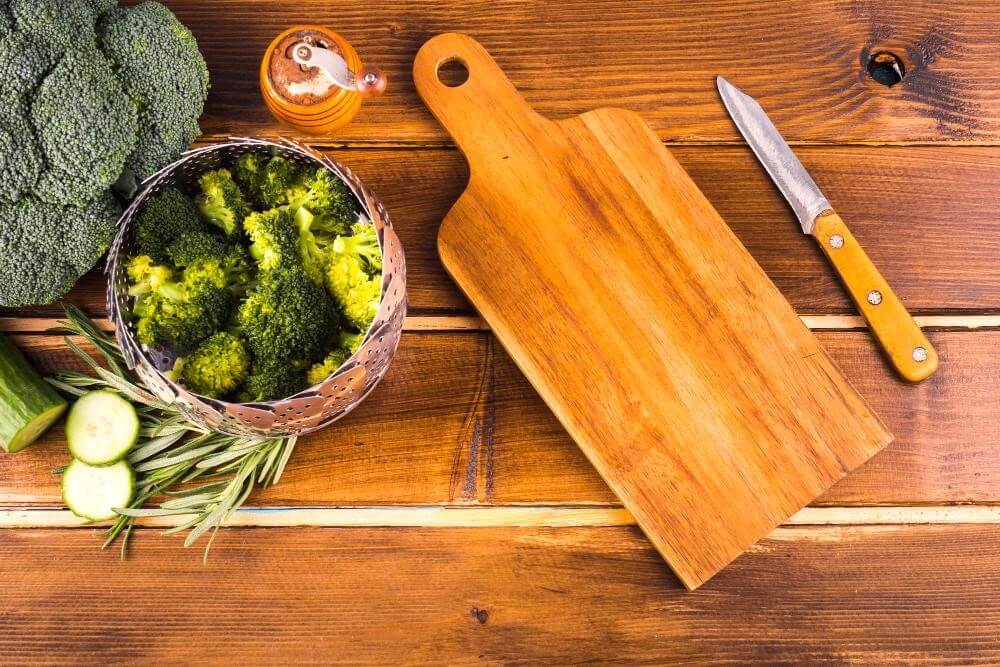
Credit: leeknives.com
Best Woods For Cutting Boards
Choosing the right wood is important for making cutting boards. The wood should be strong and safe for food use.
Some woods work better than others because of their hardness and how they handle moisture.
Hardwoods Vs Softwoods
Hardwoods come from trees like maple and walnut. They are dense and last longer as cutting boards.
Softwoods come from trees like pine and cedar. They are softer and can get damaged easily.
- Hardwoods resist knife marks better
- Softwoods can splinter and wear out
- Hardwoods are more hygienic for food use
Durability Factors
Durability depends on wood hardness and grain structure. Tight grain woods are stronger.
Oils and finishes can protect the wood but choose food-safe options only.
- Dense wood resists cuts and dents
- Close grain prevents bacteria from settling
- Regular oiling keeps wood from drying out
Safety Considerations
Wood used for cutting boards must be non-toxic and not absorb water easily. This prevents bacteria growth.
Avoid woods that are too soft or have strong smells. They can affect food taste and safety.
- Use hardwoods like maple, cherry, or walnut
- Do not use treated or painted wood
- Clean boards well and dry after use
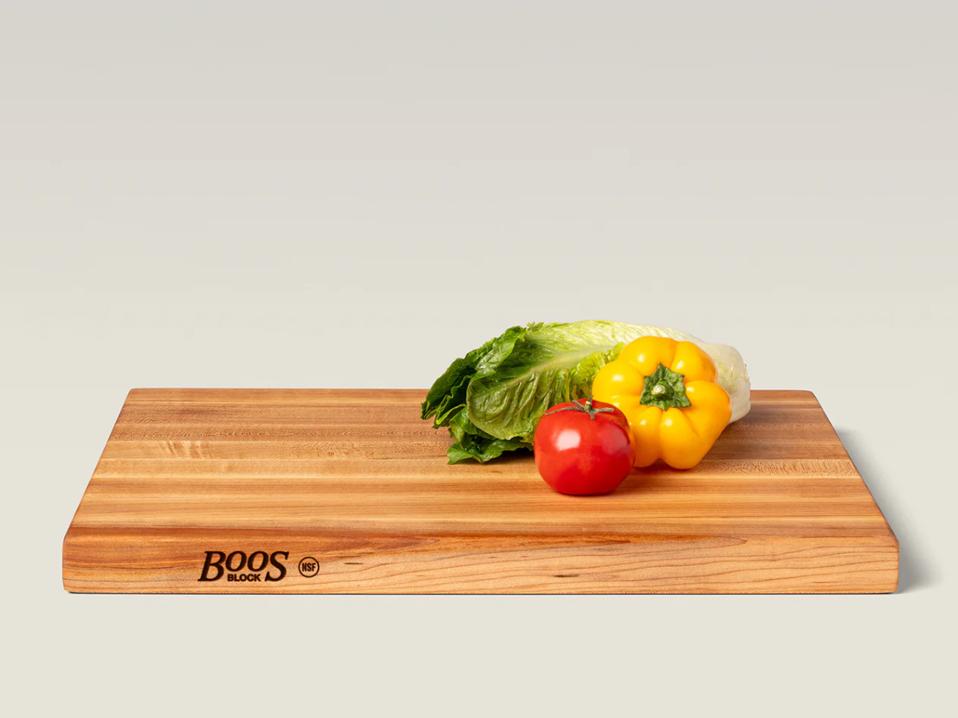
Credit: www.forbes.com
Maple Cutting Boards
Maple is a popular wood choice for cutting boards. It is known for its strength and smooth surface. Many cooks prefer maple boards for daily use.
This wood type offers a clean look and resists knife marks well. Maple cutting boards can last many years with proper care.
Types Of Maple
There are several types of maple used in cutting boards. Each type has unique traits that affect the board’s feel and durability.
- Hard Maple:Very dense and strong. It is the most common choice.
- Soft Maple:Slightly less dense but still durable.
- Sugar Maple:Known for its fine grain and hardness.
- Red Maple:Has a reddish tint and a softer texture.
Durability And Grain
| Feature | Description |
|---|---|
| Hardness | Maple is hard and resists cuts and scratches well. |
| Grain | Fine and tight grain makes the surface smooth and less porous. |
| Weight | Medium to heavy, giving a sturdy feel to the board. |
| Color | Light cream to pale reddish-brown tones. |
Maintenance Tips
Taking care of your maple cutting board helps it last longer and stay safe for food use.
- Clean with mild soap and warm water after use.
- Dry the board completely to avoid warping.
- Apply food-grade mineral oil regularly to keep the wood moist.
- Avoid soaking the board in water or putting it in the dishwasher.
- Use a cutting board conditioner to seal the surface once a month.
Walnut Cutting Boards
Walnut is a popular wood choice for cutting boards. It is strong and looks nice in any kitchen.
This wood is safe for food and lasts a long time with good care. Walnut boards handle daily use well.
Color And Appearance
Walnut cutting boards have a rich dark brown color. The wood often shows beautiful grain patterns.
The color can range from deep chocolate to lighter shades with hints of purple or gray. This makes each board unique.
- Dark brown with warm tones
- Visible natural grain patterns
- Can have streaks of purple or gray
- Develops a soft shine over time
Strength And Longevity
Walnut is a hard and dense wood. It resists cuts and dents better than many other woods.
This makes walnut boards last for many years. They stand up well to knives and everyday kitchen use.
- Hard surface protects from knife marks
- Dense wood resists warping and cracking
- Long-lasting with proper care
- Good balance of hardness and softness
Care Instructions
Clean walnut boards with warm water and mild soap. Avoid soaking them or using a dishwasher.
Apply food-safe oil regularly to keep the wood from drying out. This helps maintain its strength and shine.
- Wash by hand with mild soap
- Dry immediately after washing
- Oil with mineral or walnut oil once a month
- Store in a dry place away from heat
Cherry Cutting Boards
Cherry wood is a popular choice for cutting boards. It offers a smooth surface and attractive color.
This type of wood ages beautifully and becomes richer in tone over time. It balances durability with gentleness on knives.
Unique Features
Cherry wood has a fine, closed grain. This makes it resistant to deep cuts and scratches. The wood is naturally warm with reddish-brown hues. It also has a slight natural oil content that helps protect against moisture.
Wear Resistance
Cherry wood wears well but is softer than some hardwoods like maple or walnut. This softness helps protect knife blades. Over time, small dents may form, but they add character to the board.
- Gentle on knife edges
- Resists deep gouges
- Develops a smooth patina with use
- Needs regular oiling to maintain strength
Cleaning Guidelines
Proper cleaning keeps cherry cutting boards safe and long-lasting. Avoid soaking the board in water or putting it in the dishwasher.
| Cleaning Step | Instructions |
| Wipe Down | Use a damp cloth immediately after use |
| Wash | Hand wash with mild soap and warm water |
| Dry | Dry with a towel and air dry standing up |
| Condition | Apply food-safe mineral oil monthly |
Bamboo Cutting Boards
Bamboo is a popular choice for cutting boards. It grows quickly and is renewable. This makes bamboo an eco-friendly option.
Bamboo cutting boards come in many styles. They are lightweight and easy to clean. People like them for kitchens and food prep.
Sustainability Benefits
Bamboo is one of the fastest growing plants. It does not need much water or pesticides. This helps protect the environment.
- Grows quickly, usually ready in 3-5 years
- Harvesting bamboo does not kill the plant
- Requires less water than hardwood trees
- Biodegradable and compostable at end of life
Hardness And Performance
Bamboo is harder than many woods used for cutting boards. It resists knife marks well and lasts long. It also feels smooth to the touch.
| Property | Bamboo | Maple | Walnut |
| Janka Hardness (lbs) | 1380 | 1450 | 1010 |
| Durability | High | High | Medium |
| Maintenance | Low | Medium | Medium |
| Weight | Light | Medium | Heavy |
Pros And Cons
- Pros:Eco-friendly, hard surface, lightweight, resists moisture
- Cons:Can be brittle if low quality, may dull knives faster than softer wood
- Pros:Easy to clean and maintain with oiling
- Cons:Some bamboo boards use adhesives that may affect durability
Other Suitable Woods
Choosing the right wood for cutting boards affects durability and safety. Some woods offer great hardness and natural resistance to moisture.
Below are three good wood options: Beech, Teak, and Acacia. Each has unique qualities that make them suitable for kitchen use.
Beech
Beech is a hard and heavy wood. It resists scratches and dents well. Its tight grain helps prevent bacteria from settling in.
- Light color with pinkish tones
- Non-toxic and food safe
- Easy to clean and maintain
Teak
Teak has natural oils that repel water. This makes it ideal for cutting boards that stay dry and last long.
| Feature | Description |
| Durability | Very high due to natural oils |
| Water Resistance | Excellent, resists warping |
| Color | Golden brown with dark streaks |
| Maintenance | Needs occasional oiling |
Acacia
Acacia is a dense wood with a rich look. It is strong and resists moisture well.
Benefits of Acacia:
- Hard and durable surface
- Natural resistance to bacteria
- Attractive grain patterns
- Easy to clean with mild soap
Woods To Avoid
Choosing the right wood for cutting boards is important. Some woods can be unsafe or not last long. Avoid these woods to keep your cutting board safe and durable.
This guide explains woods you should not use for cutting boards. Learn about toxic woods, soft and porous woods, and high maintenance woods.
Toxic Woods
Some woods release harmful chemicals or oils. These can mix with food and cause health problems. Avoid woods that are known to be toxic or cause allergic reactions.
- Yew
- Oleander
- Black Walnut (in large amounts)
- Laburnum
- Horse Chestnut
These woods can irritate skin or cause poisoning if used for food contact surfaces.
Soft And Porous Woods
Soft woods get damaged quickly from knives. Porous woods absorb water and bacteria. This makes them unsafe and short-lived as cutting boards.
- Pine
- Cedar
- Fir
- Redwood
- Poplar
Soft and porous woods also stain easily and can smell bad over time.
High Maintenance Woods
Some woods need extra care to stay safe. They must be oiled often or cleaned carefully. These woods are not good for busy kitchens.
- Teak (requires regular oiling)
- Mahogany (needs special cleaning)
- Rosewood (can crack if dry)
- Cherry (changes color and needs care)
If you do not keep these woods well maintained, they can crack or grow bacteria.
Tips For Choosing The Right Wood
Choosing the right wood for cutting boards is important. The wood should be strong and safe for food use.
Some woods work better because they are hard and resist cuts. Others look nice or cost less.
Matching Wood To Use
Think about how you will use the cutting board. Different woods suit different tasks.
Hardwoods like maple and walnut are good for heavy chopping. Softer woods may get damaged fast.
- Maple: Durable and food safe, ideal for most cutting tasks
- Walnut: Strong and gentle on knives, great for all uses
- Cherry: Hard with a nice color, good for light to medium use
- Bamboo: Eco-friendly and hard, but can dull knives quicker
Budget Considerations
Wood prices vary a lot. Some types cost more but last longer. Others are cheaper but wear out.
Pick wood that fits your budget but still feels strong and safe for food.
- Maple: Moderate price, good value for durability
- Walnut: Higher price, offers rich color and strength
- Cherry: Mid-range price with nice appearance
- Bamboo: Usually cheaper but varies by quality
Aesthetic Preferences
Wood color and grain affect how your cutting board looks. Choose a style you like.
Some woods have dark or light tones. Others show unique patterns that make boards stand out.
- Maple: Light color with fine grain, classic look
- Walnut: Dark brown with rich texture
- Cherry: Warm reddish shade that darkens over time
- Bamboo: Light with striped pattern, modern style
Caring For Wooden Cutting Boards
Wooden cutting boards are strong and safe for food. They need care to stay useful and last longer.
Good care stops cracks, warping, and keeps the board clean and smooth.
Cleaning And Drying
Clean your wooden cutting board right after use. Use warm water and mild soap. Avoid soaking it in water.
Dry the board well with a towel. Stand it up so air can dry all sides. This stops mold and damage.
- Wash with warm, soapy water
- Do not soak or put in dishwasher
- Dry with towel and air dry standing up
Oiling And Conditioning
Apply food-safe oil to your board regularly. This keeps the wood strong and stops it from drying out.
Use mineral oil or special cutting board oil. Rub it well and let it soak in before wiping off extra oil.
- Use mineral or cutting board oil
- Rub oil into wood surface
- Let oil soak, then wipe off excess
- Oil once a month or when dry
Avoiding Cracks And Warping
Keep your wooden board from getting too wet or dry. Avoid heat and sudden temperature changes.
Store the board upright in a dry place. This helps keep its shape and stops cracks.
- Do not soak or leave wet
- Avoid heat sources and direct sunlight
- Store board standing up in dry area
- Oil regularly to keep wood flexible

Credit: www.timberware.ca
Frequently Asked Questions
What Wood Types Are Best For Cutting Boards?
Maple, walnut, and cherry are excellent choices for cutting boards. These woods are durable and have a tight grain. They resist bacteria and are gentle on knives. Their natural beauty adds elegance to any kitchen. Choose hardwoods for a long-lasting, hygienic cutting surface.
Is Bamboo A Good Option For Cutting Boards?
Bamboo is a sustainable and eco-friendly option for cutting boards. It’s harder than many hardwoods, yet gentle on knives. Bamboo boards are lightweight and easy to clean. They resist moisture and bacteria. However, they may require more frequent oiling to prevent cracking.
Why Is End-grain Wood Preferred For Cutting Boards?
End-grain wood is preferred for its self-healing properties. When you cut on end-grain boards, the wood fibers close up. This feature makes them durable and gentle on knives. End-grain boards are also visually appealing with a unique checkerboard pattern.
How Do I Maintain Wooden Cutting Boards?
Regular oiling with mineral oil keeps wooden boards hydrated and prevents cracking. Clean them with warm water and mild soap. Avoid soaking or putting them in the dishwasher. Sand the surface if it becomes rough. Proper maintenance extends the lifespan of your cutting board.
Conclusion
Choosing the right wood makes a big difference for cutting boards. Hardwoods like maple, walnut, and cherry last longer and resist cuts. Soft woods may get damaged quickly and hold bacteria. A good cutting board stays safe and easy to clean.
Think about durability and food safety when picking wood. Your kitchen will benefit from a strong, reliable board. Simple choices lead to better cooking and healthier meals.