
Choosing the right wood for your cutting board might seem simple, but it can make a huge difference in how your board performs and lasts. You want a surface that’s safe, durable, and easy to maintain—something that feels just right every time you chop, slice, or dice.
You’ll discover which types of wood are best suited for cutting boards and why. By the end, you’ll know exactly what to look for to pick the perfect wood that fits your kitchen needs. Keep reading, because your next cutting board could change the way you cook forever.
Credit: knifewear.com
Best Wood Types For Cutting Boards
Choosing the right wood for a cutting board is important. The wood affects how the board lasts and how safe it is for food.
Some woods work better than others. This guide explains the difference between hardwood and softwood. It also lists popular hardwood choices for cutting boards.
Hardwood Vs Softwood
Hardwoods come from trees that lose their leaves each year. Softwoods come from trees that stay green all year. Hardwoods are usually stronger and last longer.
Softwoods are softer and can be cut more easily. This makes them less good for cutting boards. They can get scratched and damaged fast.
- Hardwoods resist cuts and dents better.
- Softwoods may absorb more water.
- Hardwoods are less likely to hold bacteria.
- Softwoods can wear out quickly.
Popular Hardwood Choices
Some hardwoods are better for cutting boards. They are strong, safe, and easy to clean. Here is a table of popular hardwoods for cutting boards.
| Wood Type | Features | Best Use |
| Maple | Hard and dense, light color | General purpose cutting boards |
| Walnut | Strong, dark color, smooth grain | Chopping and serving boards |
| Cherry | Hard, reddish, ages well | Durable and attractive boards |
| Beech | Hard, fine grain, light color | Everyday cutting boards |
| Teak | Oily, water-resistant, durable | Boards for wet environments |
Top Durable Woods
Choosing the right wood is important for making a durable cutting board. The wood must resist cuts and moisture well.
Some woods last longer and keep their look even after heavy use. Here are three popular woods for cutting boards.
Maple
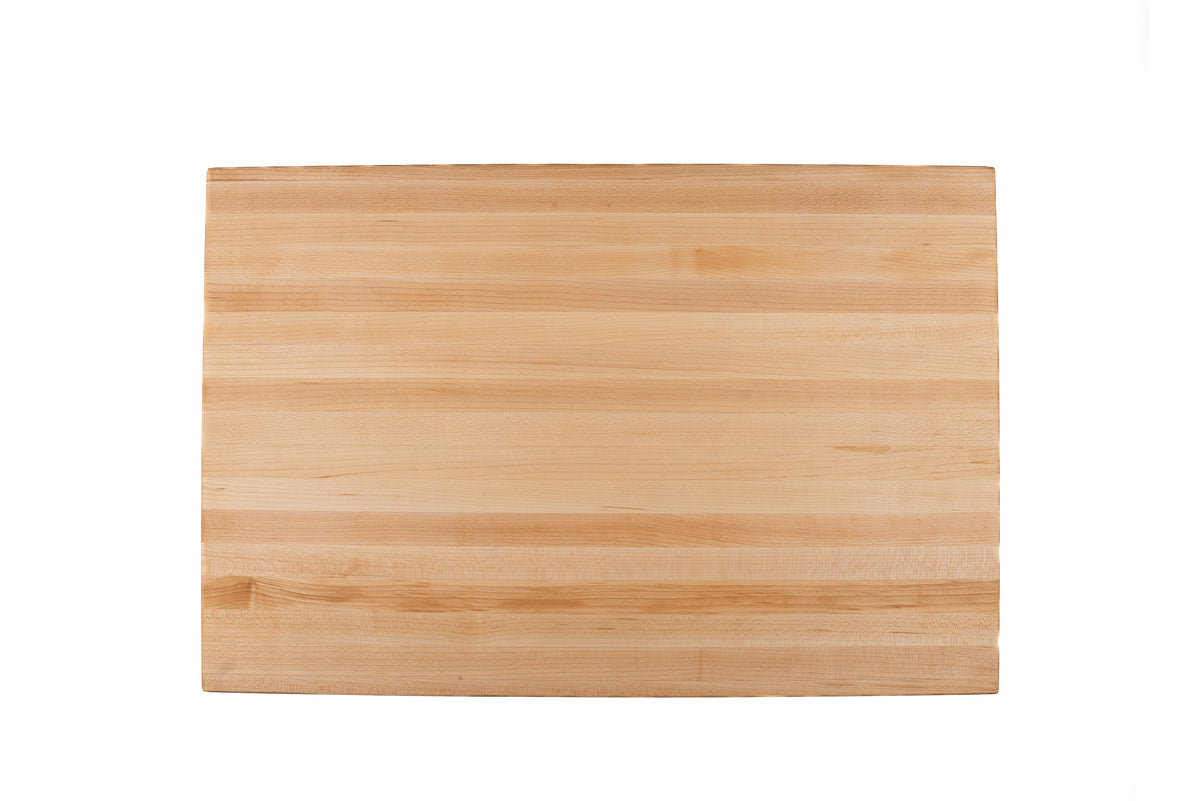
Maple is a hard wood that is common for cutting boards. It has a tight grain which stops germs from hiding inside.
- Light color with a smooth surface
- Resists deep cuts and scratches
- Easy to clean and maintain
Walnut
Walnut is a dark wood known for its strength and beauty. It is gentle on knives and lasts a long time.
| Feature | Description |
| Color | Rich dark brown |
| Durability | High resistance to dents |
| Maintenance | Requires regular oiling |
Cherry
Cherry wood has a warm reddish tone. It is strong but softer than maple and walnut, making it gentle on knives.
Reasons to choose cherry wood:
- Develops a rich patina with use
- Resists warping and cracking
- Easy to sand and refinish
Safe Woods For Food Contact
Choosing the right wood for a cutting board is important for health. Some woods are safe to use with food, while others can be harmful. Understanding which woods are non-toxic helps keep your kitchen safe.
This guide covers safe wood options and woods to avoid for cutting boards. Use this information to pick materials that do not release harmful substances into your food.
Non-toxic Wood Options
Many hardwoods are naturally safe for food contact. They resist bacteria and do not contain harmful chemicals. These woods are dense and do not absorb water easily.
- Maple – Hard and fine-grained, resists moisture well.
- Beech – Smooth texture, durable, and easy to clean.
- Cherry – Dense with natural antibacterial properties.
- Walnut – Strong wood with tight grain, safe for cutting.
- Teak – Contains natural oils that repel water and bacteria.
Avoiding Toxic Woods
Some woods release harmful substances or cause allergic reactions. These woods should not be used for cutting boards or food contact surfaces. They may be soft or have open grain that traps bacteria.
| Wood Type | Reason to Avoid |
|---|---|
| Pine | Soft wood; contains resin that may irritate skin. |
| Cedar | Strong aroma; can cause allergic reactions. |
| Oleander | Highly toxic if ingested; unsafe for food use. |
| Yew | Contains toxins harmful to humans. |
| Poplar | Soft wood that absorbs bacteria easily. |
Wood Grain And Cutting Board Longevity
Choosing the right wood grain affects how long your cutting board lasts. Wood grain also changes how the board wears over time.
Understanding the difference between end grain and edge grain helps pick the best board for your kitchen.
End Grain Vs Edge Grain
End grain boards show the wood fibers standing up. Edge grain boards show the side of the wood fibers. This difference changes the board’s look and feel.
- End grain boards have a checkerboard pattern.
- Edge grain boards have long, straight lines.
- End grain is softer on knives.
- Edge grain boards are usually thinner and lighter.
Impact On Durability
| Type of Grain | Durability | Knife Friendliness | Maintenance |
| End Grain | Very durable, resists cuts | Gentle on knives | Needs regular oiling |
| Edge Grain | Less durable, shows cuts faster | Moderate wear on knives | Easier to clean |
End grain boards last longer because the wood fibers absorb the impact of cutting. Edge grain boards may wear down faster but cost less.
Maintenance Tips For Wood Cutting Boards
Wood cutting boards need care to last a long time. Proper cleaning and oiling keep them safe and strong.
Good maintenance stops cracks, warping, and bacteria growth. Follow simple steps to keep your board in top shape.
Cleaning And Drying
Clean your wood cutting board right after use. Use warm water and mild soap to remove food particles.
Do not soak the board in water. Too much water can make the wood swell and crack.
- Use a soft sponge or cloth for cleaning
- Rinse with warm water only
- Dry the board with a clean towel
- Stand the board up to air dry completely
Oiling And Conditioning
Apply food-safe oil to your cutting board regularly. This keeps the wood moist and prevents cracks.
Conditioning with oil also creates a barrier against stains and bacteria.
- Use mineral oil or special cutting board oil
- Apply oil with a clean, soft cloth
- Let the oil soak in for a few hours or overnight
- Wipe off any extra oil before use
- Repeat oiling once a month or when the board looks dry

Credit: www.amazon.ca
Environmental And Ethical Considerations
Choosing wood for a cutting board needs care for the environment. Ethical choices help protect forests and wildlife.
Using sustainable and certified wood can reduce harm and support responsible forestry.
Sustainable Wood Sources
Sustainable wood comes from forests that are managed to keep nature healthy. These forests grow new trees fast and keep soil and water clean.
- Look for wood from fast-growing trees like bamboo or eucalyptus.
- Choose reclaimed or recycled wood to reduce waste.
- Support local wood suppliers to lower carbon emissions from transport.
- Avoid wood from endangered tree species or illegal logging.
Certified Wood Options
Wood certification shows the wood meets strict rules for forest care and fair treatment of workers.
| Certification | What It Means | Benefits |
|---|---|---|
| FSC (Forest Stewardship Council) | Wood from well-managed forests | Protects ecosystems and workers |
| PEFC (Programme for the Endorsement of Forest Certification) | Supports sustainable forest management | Ensures legal and responsible wood supply |
| SFI (Sustainable Forestry Initiative) | Focus on North American forests | Encourages biodiversity and clean water |
Credit: www.forbes.com
Frequently Asked Questions
What Is The Best Wood For Cutting Boards?
Hardwoods like maple, walnut, and cherry are ideal for cutting boards. They are durable and gentle on knives. These woods resist bacteria better and don’t dull blades quickly, making them perfect for kitchen use.
Are Bamboo Cutting Boards A Good Choice?
Bamboo cutting boards are eco-friendly and durable. They are harder than most hardwoods, which might dull knives faster. However, they are lightweight and easy to maintain, making them a popular choice for many kitchens.
Why Avoid Softwoods For Cutting Boards?
Softwoods like pine and cedar are not suitable for cutting boards. They are too porous and can harbor bacteria. Additionally, they dent and scratch easily, reducing their longevity and effectiveness in the kitchen.
How Do I Maintain A Wooden Cutting Board?
Regularly oil your wooden cutting board with mineral oil to maintain its condition. Avoid soaking it in water, and clean it with mild soap. This routine prevents cracking and warping, ensuring your cutting board lasts longer.
Conclusion
Choosing the right wood makes a big difference in cutting boards. Hardwoods like maple and walnut last long and resist cuts well. Soft woods can wear out quickly and may trap bacteria. Remember to pick wood that is safe and easy to clean.
A good cutting board helps keep your kitchen clean and food safe. Take your time and choose wisely for best results. Your cooking will feel better with the right board under your knife. Simple choices lead to better kitchen tools every day.