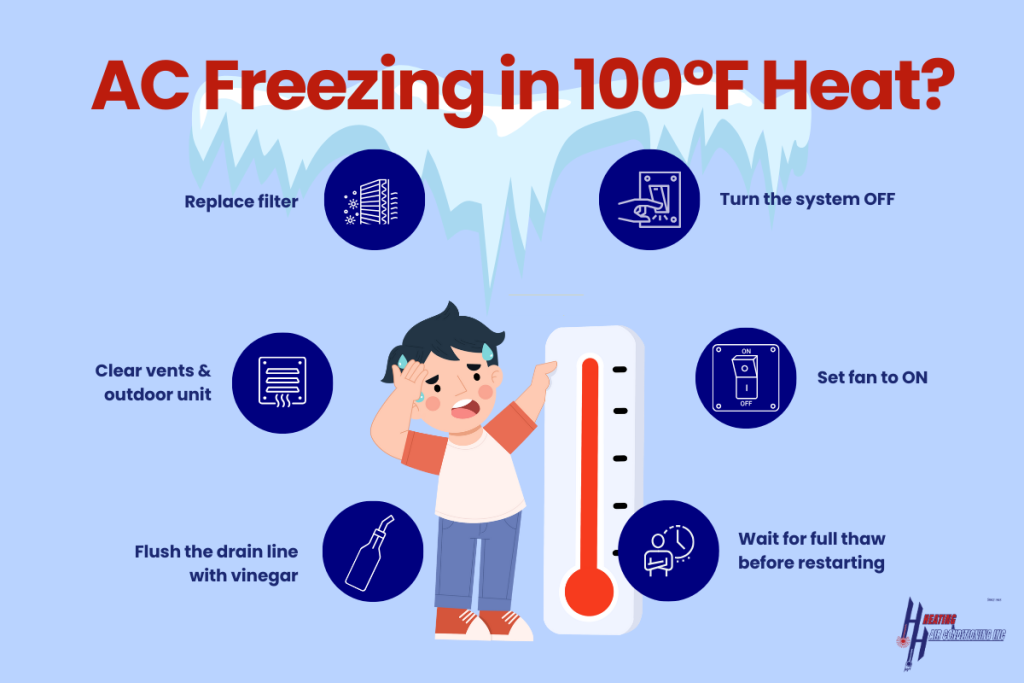
Have you ever noticed your air conditioner looking like it’s covered in ice? It’s not just strange—it means there’s a problem that could leave you without cool air when you need it most.
If your AC is freezing up, you might be wondering why this is happening and what you can do about it. Understanding the main causes can help you fix the issue faster and avoid costly repairs. Keep reading to find out exactly what would cause your air conditioner to freeze up—and how to keep it running smoothly all summer long.
Credit: tcomfort.com
Common Signs Of A Frozen Ac
An air conditioner can freeze up due to several reasons. Recognizing the signs early helps prevent damage.
Frozen AC units often show clear symptoms. Watch for these signs to catch problems quickly.
Ice Formation On Coils
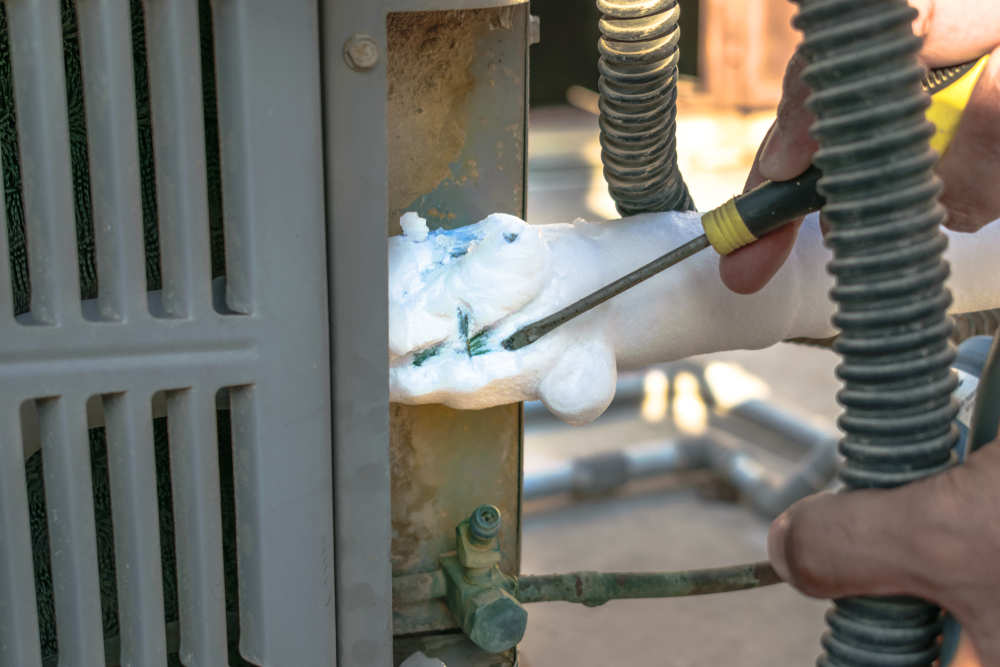
Ice builds up on the AC coils when the system runs too cold. This blocks heat exchange and stops cooling.
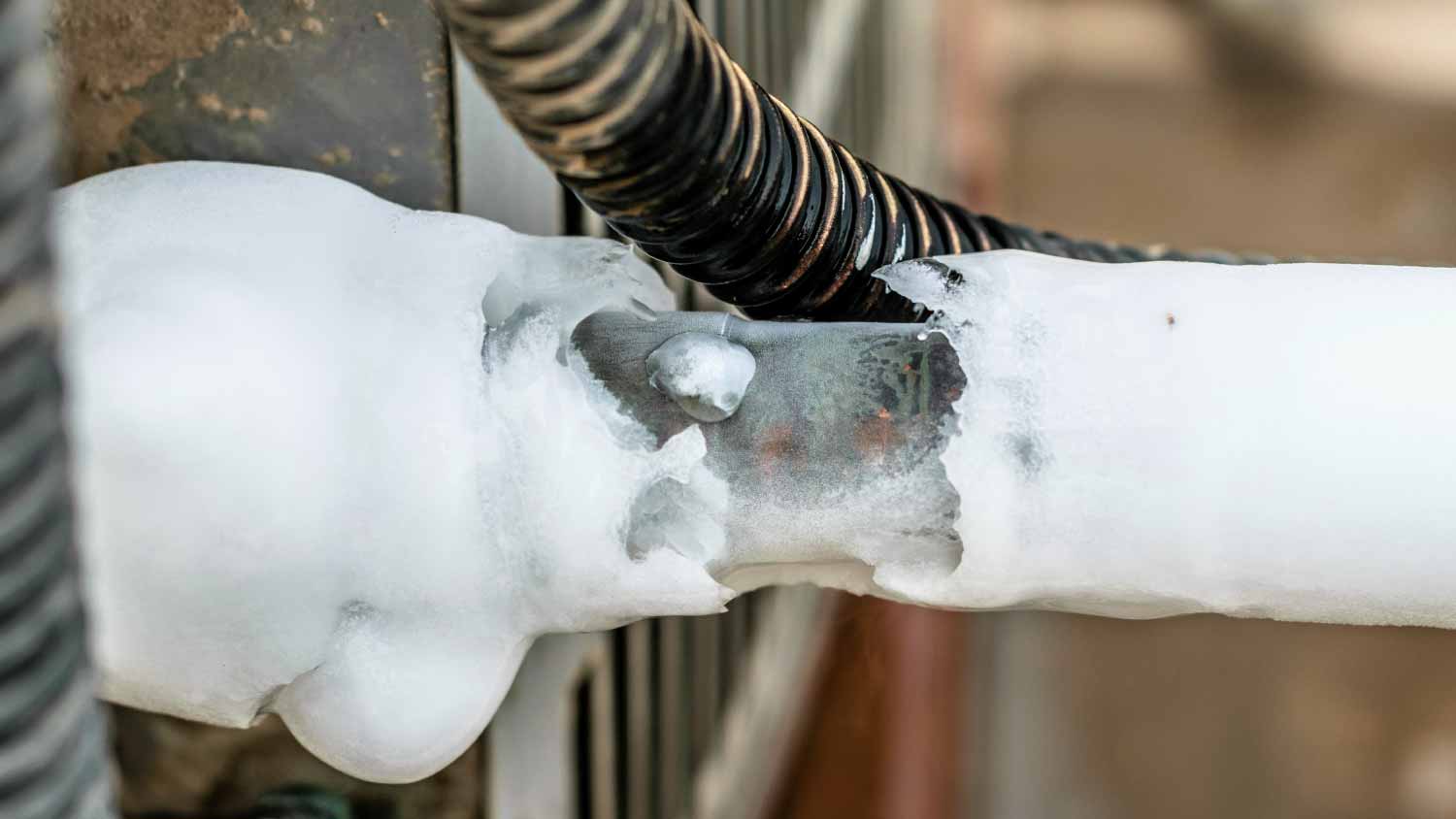
Frost or thick ice on the coils means the AC is frozen. It can cause the unit to stop working properly.
- Look for white or blue ice on the evaporator coils
- Ice can cover pipes and nearby parts
- Ice may drip water when it melts
Reduced Airflow
Frozen coils reduce the air moving through the system. You may feel less cool air from vents.
Blocked airflow can make rooms warmer and increase energy use. It also stresses the AC parts.
- Weak or low air volume from vents
- Rooms take longer to cool down
- Fan may run but air feels warm or less cold
Unusual Noises
Ice inside the AC can cause strange sounds. Listen for noises that are not normal for your unit.
These sounds may include rattling, hissing, or gurgling. They often mean the system is struggling.
- Rattling or clanking from frozen parts
- Hissing sounds from refrigerant leaks or ice
- Gurgling noises as ice melts and water flows
Low Refrigerant Levels
Low refrigerant levels can cause your air conditioner to freeze up. The refrigerant cools the air, so less means less cooling.
This issue often happens because of leaks in the system. Knowing how leaks affect your AC helps prevent freezing problems.
Leaks And Their Impact
Leaks let refrigerant escape from your air conditioner. This loss lowers pressure inside the system. Low pressure causes the coil to get too cold and freeze.
- Leaks reduce refrigerant levels gradually.
- Low refrigerant stops proper heat exchange.
- Freezing occurs on the evaporator coil.
- Leaking refrigerant may harm the environment.
- Repairs are needed to fix leaks and recharge refrigerant.
Effects On Cooling Efficiency
| Effect | Explanation |
| Reduced Cooling | Less refrigerant lowers cooling power. |
| Frozen Coils | Cold coils block airflow and freeze. |
| Higher Energy Use | AC works harder, using more electricity. |
| Shorter Equipment Life | Stress from leaks and freezing damages parts. |
Dirty Air Filters
Air conditioners can freeze up for many reasons. One common cause is dirty air filters. These filters trap dust and dirt from the air. When they get clogged, the airflow inside the AC unit slows down.
Slowed airflow makes the AC work harder. It can cause the coils to get too cold and freeze. Keeping air filters clean is important to stop freezing problems.
How Clogged Filters Restrict Airflow
Clogged filters block the air moving through the AC system. Less air flows over the cooling coils. This makes the coils colder than normal.
When air can’t flow well, moisture on the coils freezes. Ice builds up and blocks more air. The AC then struggles to cool your home.
- Dust and dirt fill the filter pores
- Air cannot pass through easily
- Cooling coils get too cold
- Ice forms on coils and blocks airflow
Maintenance Tips
Check your air filters every month during heavy use. Replace or clean them if they look dirty. Clean filters help the AC run smoothly and prevent freezing.
Use these tips to keep filters clean:
- Replace disposable filters every 1-3 months
- Wash reusable filters with water and dry them
- Keep the area around the AC clean and dust-free
- Schedule regular professional AC check-ups
Credit: www.angi.com
Blocked Or Closed Vents
Air conditioners can freeze up if the air cannot flow properly. Blocked or closed vents stop air from moving through the system. This makes the unit work harder and can cause ice to form on the coils.
Keeping vents open and clear is important for the air conditioner to work well. Let’s look at two key areas that affect airflow and freezing.
Airflow Obstructions
Obstructions in front of vents reduce the air moving into the system. Common blockages include furniture, curtains, or debris. These block the air and cause the temperature to drop too low inside the unit.
- Furniture placed too close to vents
- Heavy curtains covering the vents
- Dust and dirt buildup inside vents
- Closed or partially closed vent dampers
Proper Vent Management
Managing vents correctly helps keep the air conditioner running smoothly. Make sure all vents are open and clean. Regular checks can prevent freezing problems and improve cooling.
| Action | Reason |
| Keep all vents open | Allows full airflow through system |
| Remove objects blocking vents | Prevents air from being blocked |
| Clean vents regularly | Stops dust buildup that reduces airflow |
| Check vent dampers | Ensures vents are not partially closed |
Faulty Blower Fan
The blower fan in an air conditioner moves air across the evaporator coil. If the fan is faulty, airflow slows down or stops. This causes the coil to get too cold and freeze up.
A broken or weak blower fan can cause the air conditioner to freeze. This problem reduces cooling and can damage the system.
Signs Of Blower Malfunction
You may notice strange signs if the blower fan is not working well. These signs show the fan needs repair or replacement.
- Weak or no airflow from vents
- Strange noises from the blower area
- Air conditioner freezes or forms ice
- Warm air blowing instead of cool
- Increased energy bills without better cooling
Consequences For Air Conditioning
A faulty blower fan causes many problems for the air conditioner. It lowers efficiency and can damage parts.
Ice buildup from poor airflow can block the system. This stops cooling and may cause expensive repairs.
- Reduced cooling performance
- Increased wear on the compressor
- Higher electricity use and bills
- Potential damage to the evaporator coil
- System shutdown due to ice blockage

Credit: a1heating.com
Thermostat Issues
An air conditioner can freeze up due to problems with the thermostat. The thermostat controls the temperature and signals the AC to turn on or off.
If the thermostat settings are wrong or if it malfunctions, the AC may run too long or not enough. This can cause the coil to freeze.
Incorrect Temperature Settings
Setting the thermostat too low can make the air conditioner work harder than needed. This causes the evaporator coil to get too cold and freeze.
- Thermostat set below 70°F for long periods
- Using “Cool” mode in mild weather
- Rapidly lowering temperature by many degrees
- Thermostat placed near heat sources causing false readings
Impact On Ac Performance
A frozen AC coil lowers cooling efficiency and can damage the system. It also reduces airflow and causes higher energy use.
| Effect | Cause | Result |
| Frozen coil | Thermostat set too low | Reduced cooling |
| Short cycling | Faulty thermostat sensor | Wear and tear |
| Long run time | Incorrect temperature reading | Higher energy bills |
Environmental Factors
Air conditioners can freeze up due to several environmental reasons. These factors affect how the system works and may cause ice buildup.
Understanding these conditions helps in preventing freezing issues and keeps your AC running smoothly.
High Humidity Levels
High humidity means there is a lot of moisture in the air. When the air conditioner runs in such conditions, it has to remove more moisture.
This extra moisture can cause the evaporator coil to get too cold. When this happens, ice may form on the coil and cause the AC to freeze up.
- More moisture makes the coil colder than usual
- Ice forms when the coil temperature drops below freezing
- Frozen coils stop air flow and reduce cooling
Extreme Outdoor Temperatures
Very hot or very cold weather affects how well an air conditioner works. When it is too hot, the AC runs longer and can cool the coil too much.
Cold weather can lower the outdoor unit temperature. This causes the refrigerant to get too cold and freeze the coils inside the system.
- Hot weather makes the AC work hard and cool down the coil
- Cold weather chills the refrigerant and coil too much
- Both extremes can lead to ice buildup and freezing
Regular Maintenance Practices
An air conditioner can freeze up if it is not cared for properly. Regular maintenance helps keep the AC running well. It stops problems that cause freezing.
Cleaning and checking the system often keeps it safe from damage. Professional service also finds hidden issues early. This saves money and time.
Cleaning And Inspections
Cleaning air filters is very important. Dirty filters block airflow and cause the AC to freeze. Check filters every month and clean or replace them.
Inspect the coils and fins for dirt and damage. Dust on coils lowers heat exchange and causes freezing. Use a soft brush or vacuum to clean them gently.
- Clean or replace air filters monthly
- Remove dust from coils and fins
- Check for bent or damaged fins
- Clear debris from around the outdoor unit
Professional Servicing
Hire a technician for yearly AC service. They check the refrigerant level and find leaks. Low refrigerant causes the unit to freeze often.
Technicians clean hard-to-reach parts and test electrical connections. They ensure the system runs smoothly and safely. This helps avoid costly repairs.
- Check refrigerant levels and refill if needed
- Inspect electrical parts and wiring
- Clean internal components thoroughly
- Test thermostat and controls
Frequently Asked Questions
Why Does My Air Conditioner Freeze Up?
An air conditioner freezes up due to restricted airflow, low refrigerant levels, or a dirty filter. These issues cause the evaporator coil to get too cold, leading to ice buildup. Regular maintenance and filter cleaning help prevent freezing.
Can A Dirty Air Filter Cause Ac Freezing?
Yes, a dirty air filter limits airflow, causing the evaporator coil to freeze. Poor airflow lowers the coil temperature, creating ice buildup. Replacing or cleaning the air filter regularly helps avoid this problem and keeps the AC running efficiently.
How Does Low Refrigerant Cause Ac Freezing?
Low refrigerant reduces pressure inside the AC coil, making it colder than usual. This causes moisture to freeze on the coil, leading to ice formation. A professional technician should check and recharge the refrigerant to fix this issue.
Is Poor Airflow Responsible For Ac Freezing?
Poor airflow is a common cause of AC freezing. It prevents warm air from reaching the evaporator coil, causing it to freeze. Check for blocked vents, closed registers, or dirty filters to maintain proper airflow and prevent freezing.
Conclusion
Air conditioners freeze up mostly due to poor airflow or low refrigerant. Dirt and clogged filters block air, causing ice buildup. Low refrigerant levels make the coils too cold. Regular cleaning and timely repairs keep your system running smoothly. Watch for signs like weak cooling or strange noises.
Fixing small problems early saves money and stress. Stay proactive to enjoy cool, comfortable air all summer.