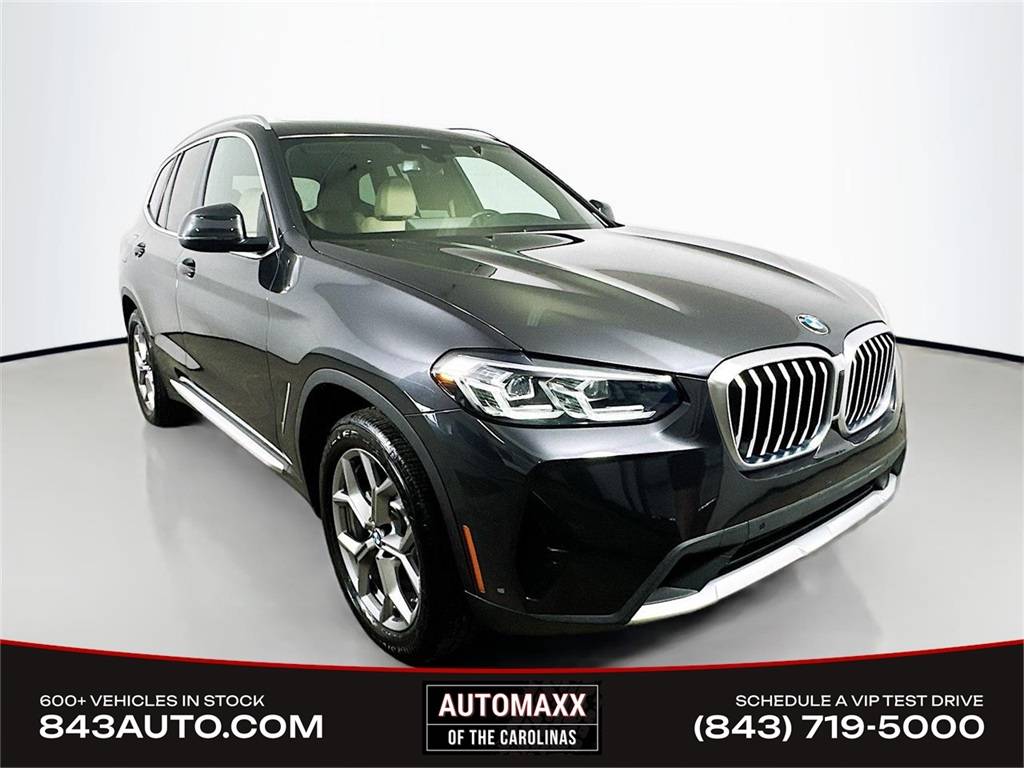
If you’re thinking about buying a BMW X3, you probably want to know which model year will give you the most reliable ride. After all, your car should work smoothly without constant worries about repairs or unexpected breakdowns.
Choosing the right year can save you money, stress, and time. You’ll discover which BMW X3 year stands out for reliability and why it matters for your driving experience. Keep reading to find the perfect balance between performance and peace of mind.
Bmw X3 Reliability Factors
The reliability of a BMW X3 depends on many factors. These include the model year, maintenance habits, and how the car is used. Knowing the key reliability factors helps buyers choose the best year for a dependable vehicle. This section covers common issues, maintenance costs, and warranty options that affect reliability.
Common Reliability Issues
Some BMW X3 models face frequent problems. Engine oil leaks and cooling system failures are common. Electrical glitches can cause dashboard warnings. Suspension wear may lead to noisy rides. Older models might show transmission troubles. These issues vary by year and mileage.
Maintenance And Repairs
Regular maintenance keeps the BMW X3 running well. Oil changes, brake checks, and fluid replacements are essential. Repair costs can be higher than average. Genuine parts improve performance and lifespan. Routine care reduces the chance of breakdowns and expensive fixes.
Warranty And Service
BMW offers warranties that cover major repairs. Newer models usually have longer coverage periods. Certified pre-owned vehicles come with extended warranties. Service plans can lower repair expenses. Understanding warranty details helps owners avoid surprise costs.
Reliability Ratings By Model Year
Determining the most reliable BMW X3 model year can guide potential buyers. Reliability ratings help in making informed decisions. Each model year offers unique features and dependability. Let’s explore the reliability ratings by model year to see which BMW X3 stands out.
2010 To 2014 Models
The 2010 to 2014 BMW X3 models show varied reliability. These models introduced new technology and design. Some owners faced issues with electronics and engine components. Yet, regular maintenance often resolved these problems. The 2012 model is particularly noted for better reliability. It received fewer complaints from users.
2015 To 2018 Models
The 2015 to 2018 models mark a significant improvement in reliability. BMW enhanced the engine and interior features. These models have fewer reported issues compared to earlier years. The 2017 model is a standout with high reliability ratings. Owners praise its performance and comfort.
2019 To 2022 Models
Models from 2019 to 2022 showcase advanced technology. These years offer refined engines and modern interiors. Reliability ratings remain high for these models. The 2020 model is highly regarded for its dependability. Users report minimal mechanical issues and enjoy its smooth drive.
2023 And Newer Models
The 2023 and newer models continue the trend of reliability. These models boast state-of-the-art features and eco-friendly options. Initial feedback suggests these models maintain BMW’s reputation for durability. As more data becomes available, reliability ratings are expected to rise.
Performance And Durability Trends
The performance and durability of the BMW X3 have evolved significantly over the years. Understanding these trends helps you choose a model that balances power with long-lasting reliability. Let’s break down how the engine, transmission, and electronics have held up across different years.
Engine Performance Over Time
The BMW X3’s engines have generally improved in power and efficiency with each generation. Early models, like those from 2004 to 2007, offered solid performance but sometimes lacked the refinement seen in newer versions.
From 2011 onwards, turbocharged engines became standard, providing better acceleration and fuel economy. You might notice that the 2015 X3 models strike a good balance between smooth power delivery and mechanical reliability, making them a popular choice among drivers.
Have you experienced a model year where the engine felt both robust and dependable? That feeling often comes from these mid-cycle improvements where BMW ironed out earlier kinks.
Transmission Reliability
Transmission issues have varied depending on the model year and the type of transmission used. Early X3s with automatic transmissions sometimes suffered from delayed shifts or rough gear changes.
However, starting around 2014, BMW upgraded to more advanced ZF 8-speed automatics, which are praised for smoothness and durability. These transmissions tend to require less maintenance and offer a more responsive driving experience.
Choosing an X3 with this newer transmission can save you from costly repairs and frustrating drivability problems down the road.
Electronic Systems Stability
BMW’s electronic systems control everything from infotainment to safety features, and their complexity grew with each new model. Early generations occasionally had glitches with navigation and iDrive systems.
Models from 2016 and later show marked improvement, with more stable software and fewer reported issues. These versions also include better driver-assistance technology, which tends to function more reliably in daily use.
Does your current or prospective X3 make you worry about frequent electronic hiccups? Leaning toward later models can offer peace of mind and a smoother tech experience.
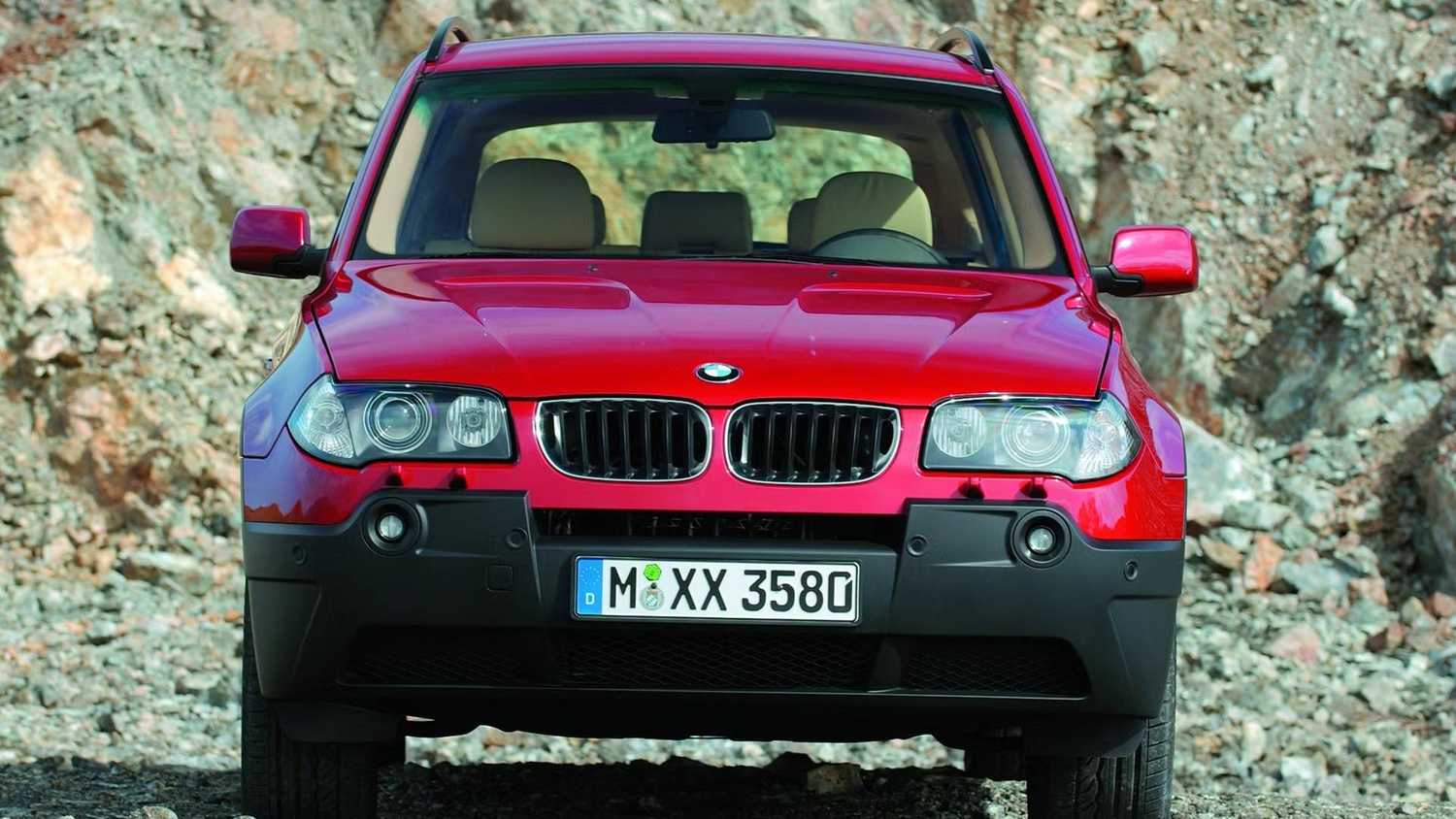
Credit: carbuzz.com
Owner Experiences And Reviews
Understanding the most reliable year of the BMW X3 often comes down to real-world owner experiences. Reviews from those who have driven their X3s daily reveal insights that specs alone can’t show. These personal stories highlight both strengths and weaknesses you should consider before making your choice.
Long-term Owner Feedback
Many owners of the 2015 and 2016 BMW X3 models report strong reliability after several years of use. They praise the smooth handling and solid build quality that stand up well over time. However, some mention the need for regular maintenance to keep performance at its peak.
Owners of newer models, like the 2018 and 2019 X3, often highlight improvements in technology and comfort. Yet, a few note that some electronic features can be glitchy, requiring software updates. How much does this affect your daily driving experience?
Common Complaints And Praises
- Complaints:Some owners point out issues with the turbocharged engines on earlier models, citing occasional turbo lag and higher repair costs.
- Praises:The 2017 model year gets frequent compliments for its balanced mix of power and fuel efficiency.
- Interior Quality:Across various years, the cabin materials and design receive consistent praise for luxury feel and durability.
Have you considered how repair costs might impact your budget over time?
Resale Value Insights
BMW X3s from 2016 to 2018 hold their value better than some older or newer models. This trend reflects owner satisfaction and market demand. If you plan to sell or trade in your vehicle later, choosing these model years could offer a financial advantage.
Resale value also ties to reported reliability—cars with fewer issues tend to attract higher prices. Would investing in a slightly older, proven model make more sense than a brand-new one with unknowns?
Expert Recommendations
Choosing the most reliable BMW X3 year can save you time, money, and frustration. Experts often analyze data from repair records, owner feedback, and maintenance costs to recommend the best models. Paying attention to these recommendations can help you find a used BMW X3 that performs smoothly and lasts longer.
Best Years For Reliability
Experts frequently highlight the 2015, 2017, and 2019 BMW X3 models as some of the most reliable. These years benefited from improved engineering and fewer reported issues compared to earlier or later versions.
- 2015:Known for strong engine performance and fewer electronic glitches.
- 2017:Introduced updated safety features without compromising reliability.
- 2019:Marked by excellent fuel efficiency and solid build quality.
Have you noticed how newer doesn’t always mean better when it comes to reliability? These specific years strike a balance between modern features and proven durability.
Years To Avoid
Some model years carry a higher risk of costly repairs. BMW X3s from 2011 to 2013, for instance, have a reputation for transmission problems and electrical issues.
- 2011-2013:Frequent reports of transmission failure and sensor malfunctions.
- 2020:Early feedback suggests some software bugs affecting vehicle electronics.
Would you want to deal with unexpected repairs shortly after buying your car? Steering clear of these years might save you from that hassle.
Tips For Buying A Used Bmw X3
Inspect service records carefully. A well-documented maintenance history often indicates the previous owner took good care of the vehicle.
Consider getting a pre-purchase inspection by a trusted mechanic. They can spot hidden problems that may not be obvious at first glance.
- Check for recalls on the specific model year and ensure repairs were made.
- Test drive the vehicle to listen for unusual noises or performance issues.
- Ask about warranty options or certified pre-owned programs for added peace of mind.
Are you willing to invest time in research and inspections to avoid surprises later? Taking these steps can make your used BMW X3 ownership experience much smoother.
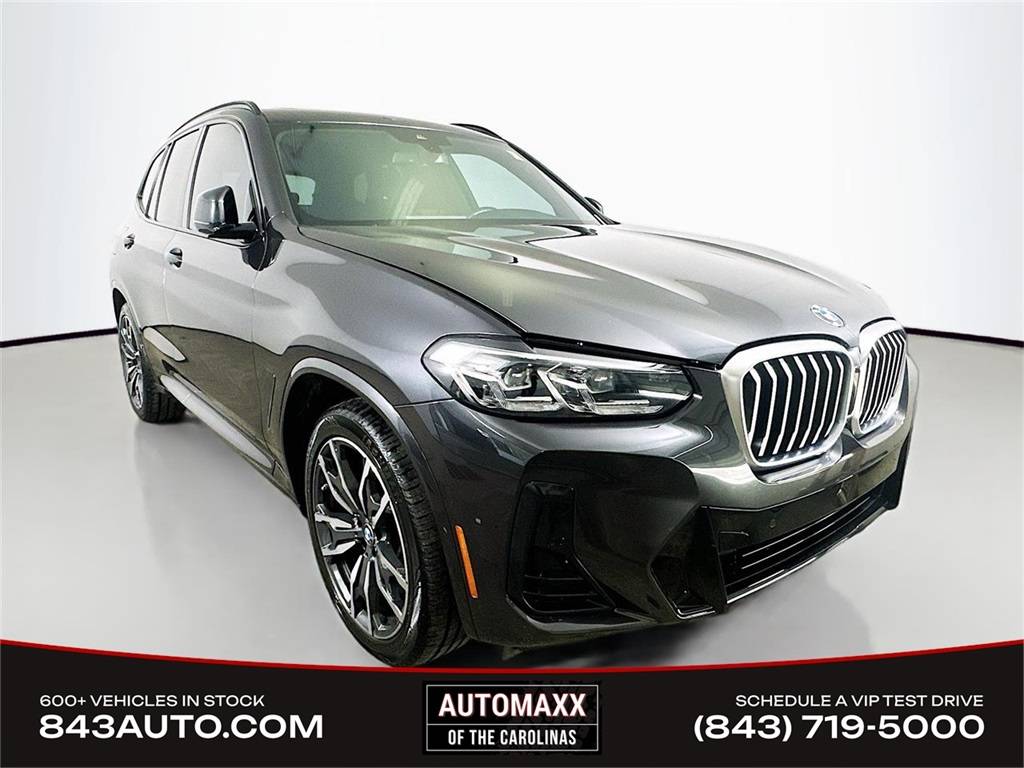
Credit: www.consumerreports.org

Credit: www.caranddriver.com
Frequently Asked Questions
Which Bmw X3 Model Year Is Most Reliable?
The 2016 BMW X3 is widely considered the most reliable. It has fewer reported issues and better build quality. Owners praise its performance and durability compared to other model years.
Are Newer Bmw X3 Models More Reliable?
Newer BMW X3 models have improved technology but sometimes face early reliability issues. The 2018 and 2019 versions show progress but still lack the consistent reliability of the 2016 model.
How Does Bmw X3 Reliability Compare Across Generations?
The second-generation BMW X3 (2011-2017) generally offers higher reliability than the first and third. It benefits from refined engineering and fewer recalls, making it a safer choice for buyers.
What Common Problems Affect Bmw X3 Reliability?
Common issues include engine cooling system failures and electrical glitches. These problems mainly affect older models before 2016. Regular maintenance helps reduce these reliability concerns.
Conclusion
Choosing the most reliable BMW X3 year helps you buy with confidence. Some years have fewer problems and better performance. Older models may cost less but need more care. Newer models offer updated features and reliability. Checking reviews and maintenance records is smart.
This way, you find a BMW X3 that fits your needs and lasts longer. Trust your research and enjoy a smooth driving experience.