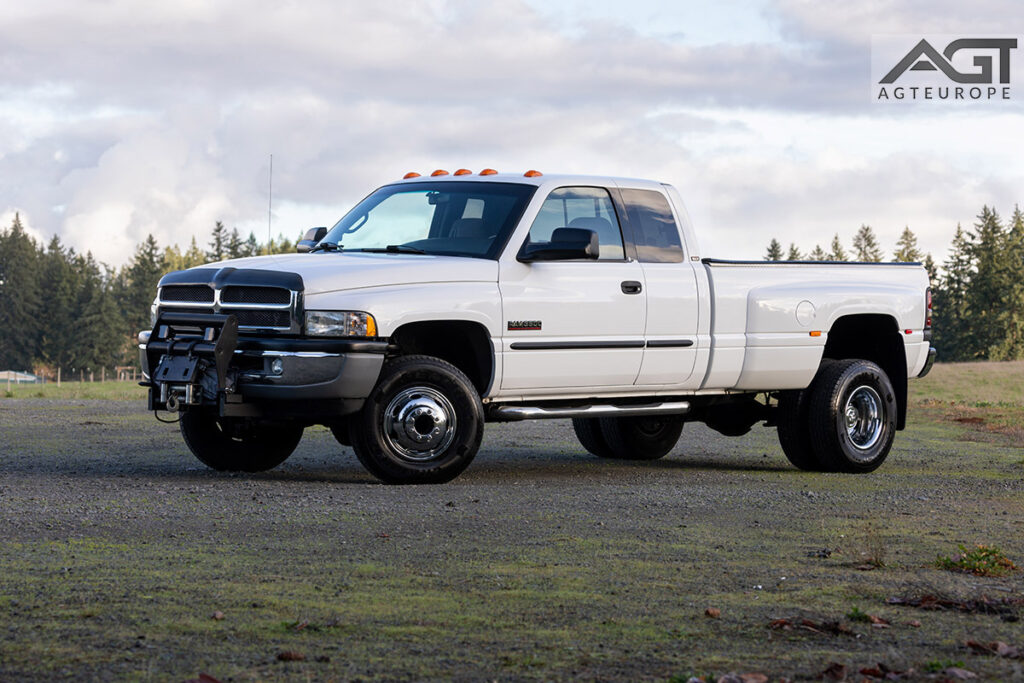
If you’re thinking about buying a Dodge Cummins, knowing which model years to avoid can save you a lot of trouble and money. Not all Cummins trucks are created equal—some years have hidden problems that can turn your dream ride into a costly headache.
You’ll discover exactly which Dodge Cummins years have the most issues, so you can make a smart, confident choice. Keep reading to protect your investment and enjoy your truck without surprises.
Common Issues In Dodge Cummins
Understanding the common issues in Dodge Cummins trucks can save you time, money, and frustration. These trucks are known for their power and durability, but like any vehicle, certain model years come with specific problems. Knowing what to watch for helps you make smarter decisions whether you’re buying, selling, or maintaining your Cummins.
Engine Problems
Some Dodge Cummins models experience engine troubles that can catch owners off guard. One common issue is injector failure, which often leads to rough idling and poor fuel economy. If you notice your truck struggling to start or losing power unexpectedly, the fuel injectors might be the culprit.
Another red flag is excessive smoke from the exhaust, especially black or blue smoke. This often points to turbocharger problems or worn piston rings. You don’t want to ignore these signs, as engine repairs can become very costly.
Transmission Concerns
The transmission in certain Dodge Cummins years tends to show wear faster than expected. Many owners report hard shifting, slipping, or delayed engagement, which can indicate internal clutch or gear issues. These problems usually start small but escalate if not addressed early.
Pay attention to any unusual noises during gear changes or if your truck hesitates when accelerating. These could mean your transmission fluid needs changing or more serious internal damage. Have you noticed any grinding or jerking in your Cummins’ drive? That’s a warning to get it checked immediately.
Electrical System Flaws
Electrical faults are a hidden frustration for some Dodge Cummins owners. These can range from dashboard warning lights flickering on and off to complete failure of critical components like the fuel pump or glow plugs. Often, these issues trace back to faulty wiring or poor connections.
One practical tip is to regularly inspect your battery terminals and wiring harnesses for corrosion or loose connections. A simple fix here can prevent bigger problems down the road. Do you find your truck’s electronics acting unpredictably? Don’t overlook the electrical system as the possible cause.
Credit: agtauto.com
Model Years With Frequent Complaints
Knowing which Dodge Cummins model years have frequent complaints can save you from costly repairs and headaches. Some years stand out due to recurring issues reported by owners. Understanding these problem periods helps you make a smarter choice when shopping for a used Cummins.
Late 1990s Challenges
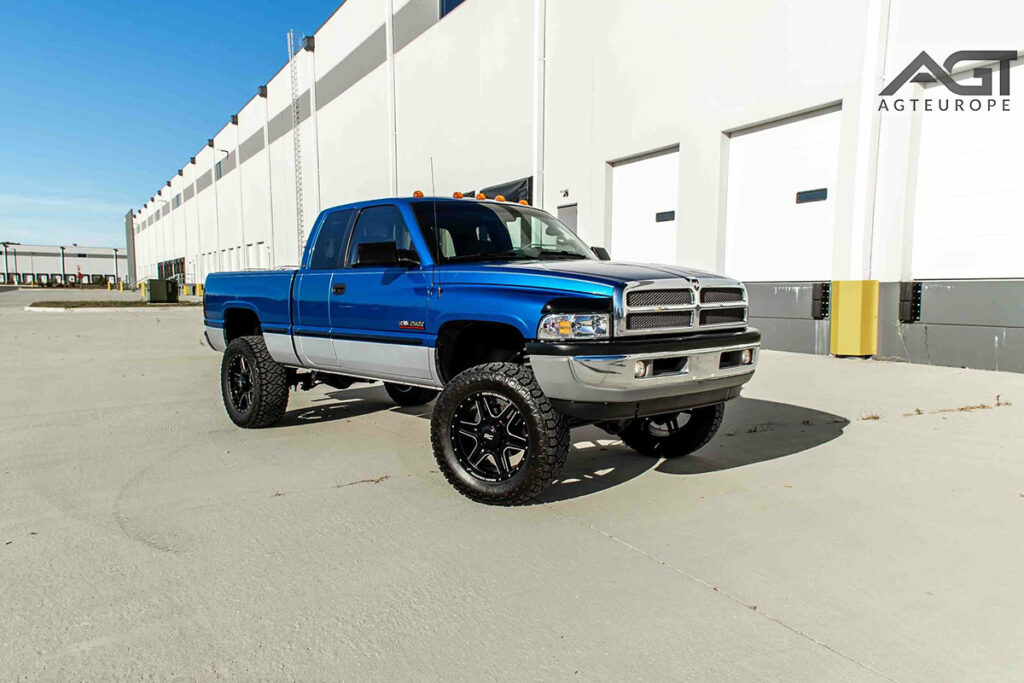
The late 1990s, especially 1998 and 1999 models, often faced turbocharger failures and injector problems. Many owners noticed decreased fuel efficiency and rough idling. If you have experience with these models, did you catch these issues early or were you surprised by sudden breakdowns?
These years also had early versions of the 5.9L engine that sometimes suffered from head gasket leaks. If you plan to buy from this era, inspect the cooling system closely. It’s a common weak spot that can lead to overheating and engine damage.
Early 2000s Troubles
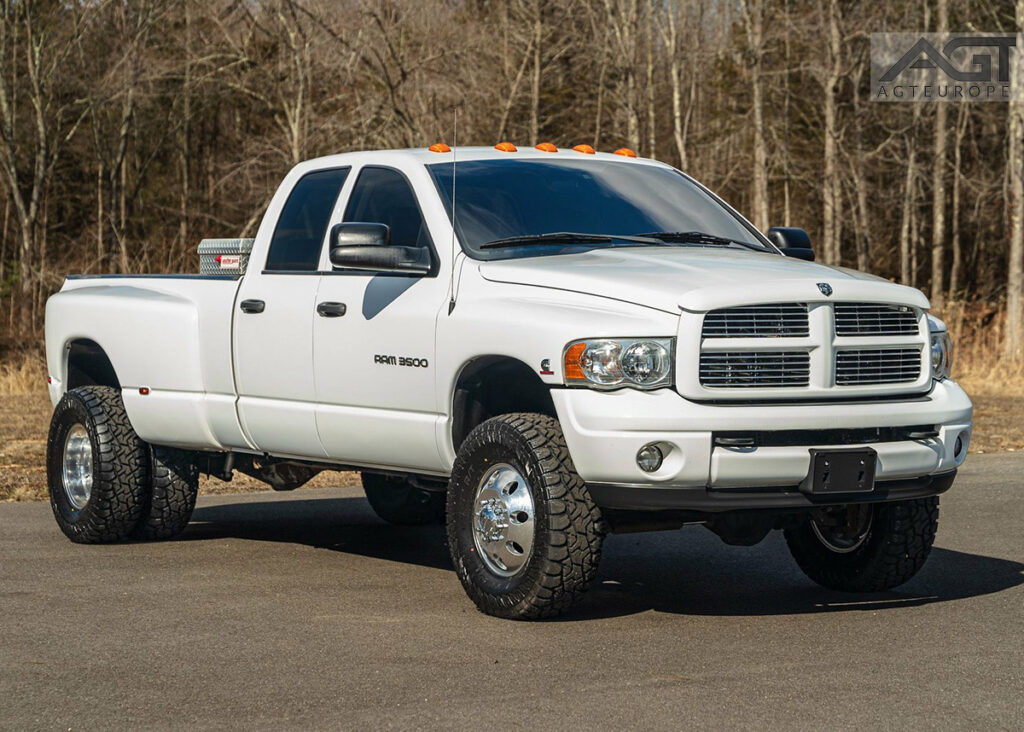
The 2003 to 2005 Dodge Cummins models experienced complaints about the fuel lift pump. Failures here often led to hard starts and poor engine performance. Many owners had to replace this part multiple times, which adds up over the truck’s lifespan.
Another concern was the EGR (Exhaust Gas Recirculation) system clogging, causing power loss and increased emissions. Did you ever wonder why some trucks lost power suddenly? EGR issues might be the answer, especially in these early 2000s models.
Mid-2010s Reliability
In the mid-2010s, specifically 2013 to 2015, Dodge Cummins trucks showed mixed reliability. While many ran well, some owners reported problems with the transmission slipping and sensors failing prematurely. These issues often appeared around the 100,000-mile mark.
Another problem involved the fuel system, where contamination led to injector failures. Have you checked your fuel filters regularly? Skipping this simple maintenance step can turn into a costly injector replacement later on.
Factors Affecting Vehicle Reliability
Understanding the factors that affect vehicle reliability helps in choosing the right Dodge Cummins year. Reliability is not just about the model year but also depends on various conditions. These conditions include how well the truck was cared for and how it was used over time.
Maintenance History
Regular maintenance keeps a Dodge Cummins running smoothly. Trucks with a full service record often last longer and have fewer problems. Neglecting oil changes, filters, and fluid checks can cause serious engine damage. Always check if the previous owner followed the recommended maintenance schedule.
Usage Patterns
How a truck was used impacts its lifespan. Heavy towing or off-road driving can wear out parts faster. Trucks mainly used for light commuting usually have less wear and tear. Knowing the truck’s past use helps predict future reliability and repair costs.
Aftermarket Modifications
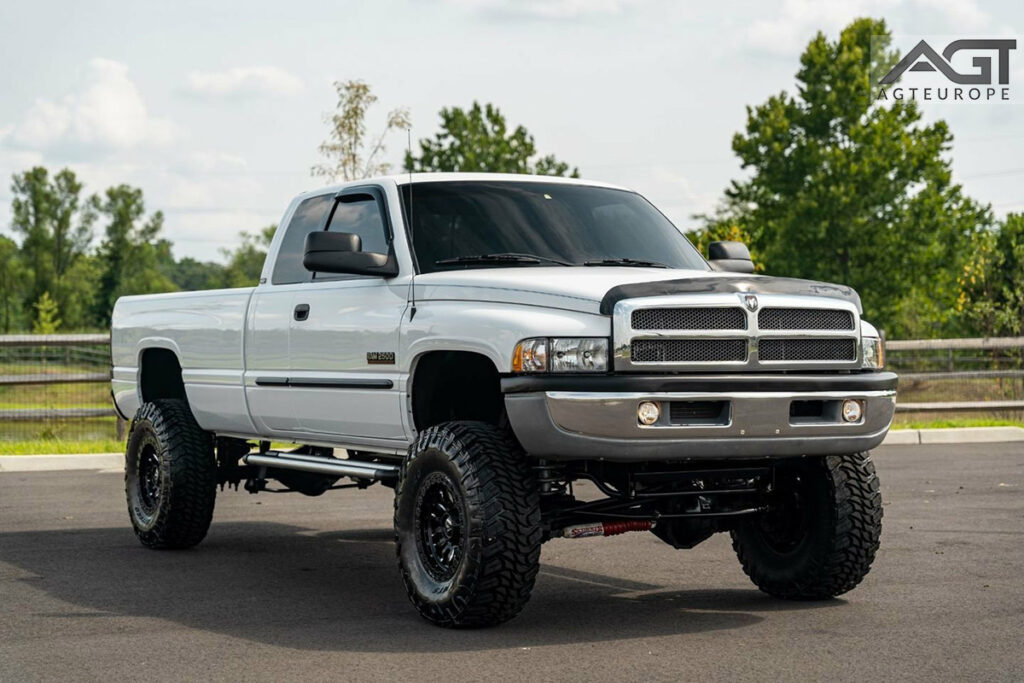
Modifications can improve performance but may reduce reliability. Some upgrades stress the engine or transmission beyond factory limits. Not all modifications are done correctly, which can lead to issues. Check if the truck has aftermarket parts and how they affect overall durability.
Credit: agtauto.com
Expert Tips For Choosing A Dodge Cummins
Choosing the right Dodge Cummins truck takes careful thought. These trucks are known for power and durability. Yet, some model years have issues that buyers should avoid. Expert advice helps find the best fit for your needs. Understanding what to inspect and which years to trust can save money and trouble. Here are key tips for selecting a Dodge Cummins wisely.
What To Inspect Before Buying
- Check engine condition and listen for unusual noises.
- Inspect the turbocharger for leaks or damage.
- Look for signs of oil leaks around the engine.
- Test the transmission for smooth shifting.
- Review maintenance records for regular servicing.
- Examine the frame and suspension for rust or damage.
- Check the electrical system for faulty wiring or issues.
- Verify the odometer reading for accuracy.
Recommended Model Years
Some Dodge Cummins trucks have better reliability. Experts often suggest models from 2003 to 2007. These years have strong engines and fewer major problems. The 2010 to 2012 models also offer good balance of power and durability. These trucks have improved emissions systems and solid performance.
Avoiding Costly Repairs
- Stay away from 1998 to 2002 models due to injector problems.
- Be cautious with 2008 and 2009 models; they have transmission issues.
- Skip 2013 to 2015 trucks because of fuel system failures.
- Regularly inspect the EGR system to avoid clogging.
- Watch for head gasket problems in older models.
- Consider repair costs before buying high-mileage trucks.
Credit: agtauto.com
Frequently Asked Questions
Which Dodge Cummins Years Have Common Engine Problems?
Dodge Cummins models from 2003 to 2007 often face head gasket issues. These years also show fuel injector failures. Buyers should inspect these models carefully to avoid costly repairs.
Are Early 1998-2002 Dodge Cummins Reliable?
Early 1998-2002 Dodge Cummins are generally reliable but have injector pump failures. Regular maintenance helps reduce the risk. These trucks are still popular for durability.
What Makes 2010-2012 Dodge Cummins Less Desirable?
The 2010-2012 Dodge Cummins models had issues with emissions systems and turbochargers. These problems led to increased repair costs and downtime. Many owners avoid these years for reliability reasons.
Should I Avoid 2008-2009 Dodge Cummins Trucks?
Yes, 2008-2009 models sometimes suffer from fuel system problems and injector failures. These years also faced factory recalls. Potential buyers should consider these risks before purchasing.
Conclusion
Avoiding certain Dodge Cummins model years can save you trouble. Some years have common engine or transmission problems. Choosing the right year means fewer repairs and better performance. Research each model’s history before buying. A smart choice helps keep costs low and driving smooth.
Remember, knowing what to avoid makes all the difference. Stay informed and pick wisely for a reliable truck.