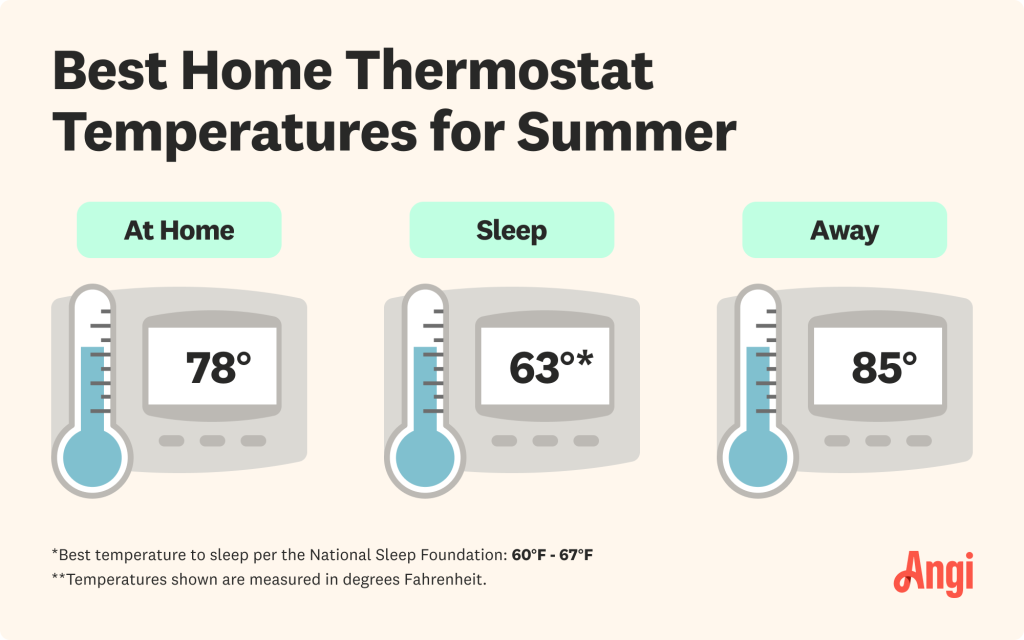
Are you wondering what temperature setting will keep your home comfortable without driving up your energy bills? Finding the right air conditioner temperature isn’t just about staying cool—it’s about feeling just right while saving money and energy.
You’ll discover the perfect balance that keeps you comfortable, protects your health, and helps your AC run efficiently. Keep reading to learn how to set your air conditioner for the best results all year round.
Ideal Temperature Range
Setting the right temperature on your air conditioner helps keep your home comfortable. It also saves energy and lowers bills.
The ideal temperature depends on the time of day and the season. Adjusting it can improve your comfort.
Optimal Settings For Daytime
During the day, your air conditioner works to cool your home while you are active. Set it to a temperature that feels cool but not cold.
Most experts suggest keeping the temperature between 72°F and 78°F. This range balances comfort and energy use well.
- Set between 72°F and 78°F for comfort
- Higher temperatures save more energy
- Lower temperatures cool faster but use more power
Best Nighttime Temperatures
At night, people prefer cooler temperatures for better sleep. Your air conditioner can be set lower than daytime.
The best nighttime temperature is usually between 68°F and 72°F. This helps the body rest and saves energy.
- Keep between 68°F and 72°F for good sleep
- Use a timer to adjust temperature automatically
- Close curtains to keep cool air inside
Adjusting For Different Seasons
Air conditioner settings should change with the seasons. Warmer months need cooler settings, and cooler months may need less cooling.
In summer, use lower temperatures to beat the heat. In spring and fall, set higher temperatures to save energy.
- Summer: 72°F to 75°F for comfort
- Spring/Fall: 75°F to 78°F to save power
- Winter: Turn off or use heating if available
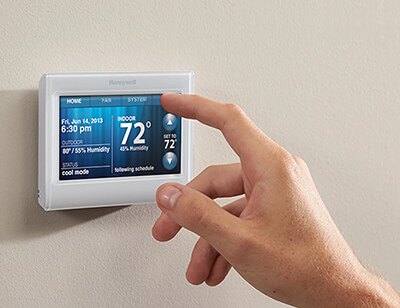
Credit: gulfshorecooling.com
Factors Affecting Comfort
Choosing a good air conditioner temperature depends on many things. Comfort is not just about cool air.
Several factors change how cold or warm a room feels. Understanding these helps set the right temperature.
Humidity Levels
Humidity means how much water is in the air. High humidity makes the air feel hotter than it is.
Lowering humidity helps you feel cooler even if the temperature stays the same. Air conditioners remove some moisture.
- High humidity needs cooler settings for comfort
- Low humidity allows for higher temperature settings
- Use a dehumidifier if humidity is very high
Room Size And Insulation
Big rooms need more cooling than small rooms. Air conditioners work harder in large spaces.
Good insulation keeps the cool air inside. Poor insulation lets warm air enter, making the AC less effective.
- Large rooms might need lower temperatures
- Well-insulated rooms keep steady temperatures
- Check windows and doors for leaks
Personal Preferences
People feel temperature differently. Some like it colder, others prefer it warmer.
Age, health, and activity level affect what temperature feels good. Adjust the AC to suit those using the room.
- Older adults often prefer warmer temperatures
- Active people may want cooler air
- Adjust temperature based on who is inside
Energy Efficiency Tips
Setting the right air conditioner temperature saves energy and money. It also keeps your home comfortable.
Understanding how to balance comfort with efficiency helps you get the most from your AC unit.
Balancing Comfort And Savings
Keep your thermostat at 78°F (25°C) when you are home. This temperature balances cool air and energy use well.
- Set the temperature higher when you are away.
- Use fans to help spread cool air.
- Close blinds to block heat from the sun.
- Seal windows and doors to keep cool air in.
Using Programmable Thermostats
Programmable thermostats save energy by adjusting temperatures automatically. You do not need to change settings yourself.
| Time of Day | Recommended Temperature |
| Day (home) | 78°F (25°C) |
| Day (away) | 85°F (29°C) |
| Night | 78°F (25°C) |
Maintenance For Peak Performance
Regular cleaning and checks keep your AC running well. Dirty parts make your system work harder and use more power.
- Clean or replace air filters every 1-3 months.
- Clear debris around outdoor units.
- Check for leaks in ducts and seal them.
- Schedule yearly professional maintenance.
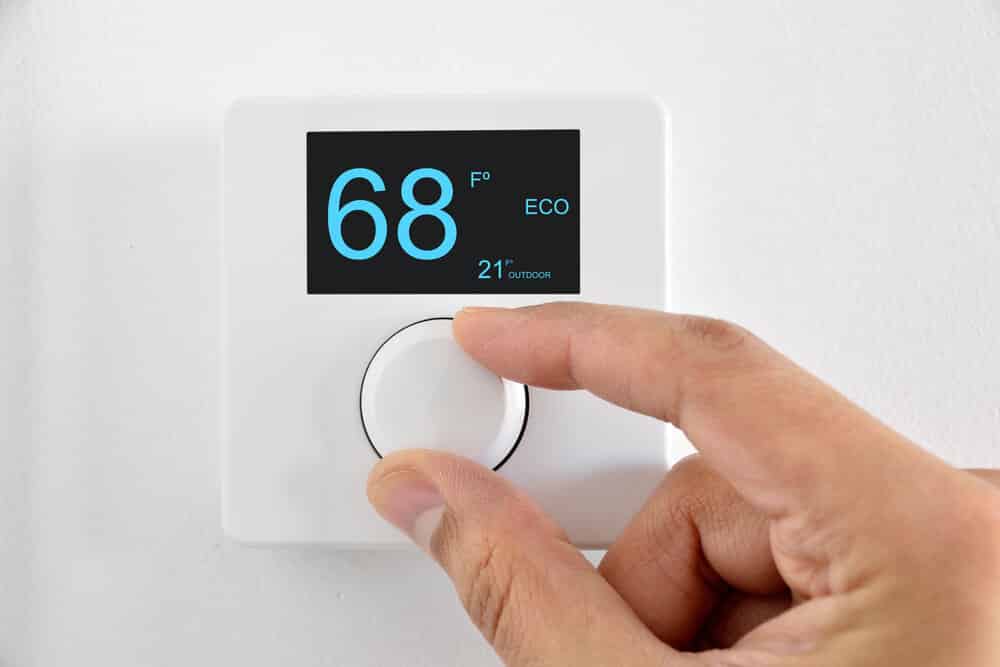
Credit: fischerheating.com
Health And Safety Considerations
Setting the right air conditioner temperature is important for your health and safety. Too cold or too warm can cause discomfort and health problems.
This guide explains how to keep your AC temperature safe and healthy. It covers avoiding overcooling, preventing allergens and mold, and managing air quality.
Avoiding Overcooling
Overcooling can cause dry skin, headaches, and muscle stiffness. It also weakens your immune system and increases the risk of colds.
- Keep your AC temperature between 75°F and 78°F (24°C to 26°C).
- Use fans to circulate air instead of lowering the temperature.
- Dress in layers to stay comfortable indoors.
- Limit direct airflow on your body to avoid chills.
Preventing Allergens And Mold
Air conditioners can trap dust, pollen, and mold spores. These allergens cause breathing problems and allergies.
| Tip | Reason |
|---|---|
| Clean or replace filters monthly | Removes dust and allergens |
| Keep humidity around 40% | Prevents mold growth |
| Use a dehumidifier if needed | Controls moisture indoors |
| Inspect drip pans and ducts | Stops mold and bacteria buildup |
Managing Air Quality
Good air quality helps you breathe easier and feel better inside your home. Poor air quality can cause headaches and allergies.
Follow these tips to improve air quality:
- Open windows for fresh air when possible.
- Run air purifiers with HEPA filters.
- Avoid smoking indoors.
- Keep pets clean and groomed regularly.
- Reduce use of strong chemicals and sprays.
Smart Ac Features
Smart air conditioners offer more than just cooling. They adjust settings to keep you comfortable while saving energy.
These advanced features help maintain a good air conditioner temperature automatically. Let’s explore key smart AC features.
Sensor-based Temperature Control
Smart ACs use sensors to detect room temperature and adjust cooling. This keeps the room comfortable without manual changes.
Some sensors track where people are in the room. The AC then focuses cooling on occupied areas for better comfort and efficiency.
Remote And App Controls
Smart air conditioners connect to your phone or remote control. You can change temperature and fan speed from anywhere.
- Turn the AC on before you arrive home
- Set schedules for cooling during the day
- Receive alerts about filter cleaning or maintenance
- Monitor energy use to save on bills
Integration With Home Automation
Smart ACs connect with other devices in your home. They work with systems like smart thermostats and voice assistants.
| Integration Type | Benefit |
|---|---|
| Smart Thermostats | Adjusts AC based on overall home temperature |
| Voice Assistants | Control AC with simple voice commands |
| Energy Management Systems | Optimizes cooling to reduce electricity use |

Credit: www.healthkart.com
Customizing Temperature For Different Rooms
Setting the right air conditioner temperature improves comfort in every room. Each room may need a different temperature based on use and size.
Adjusting temperatures helps save energy and keeps your home cozy. Learn how to customize temperatures for various spaces.
Zoning Systems
Zoning systems divide your home into sections with separate controls. You can set different temperatures in each zone.
This system uses multiple thermostats and dampers to control airflow. It helps keep rooms comfortable without cooling the whole house.
- Save energy by cooling only used areas
- Improve comfort with personalized settings
- Reduce wear on your air conditioner
Portable Units Vs Central Ac
Portable air conditioners cool single rooms and can be moved easily. Central AC cools the entire home through ducts.
Portable units work well in small spaces or rooms used less often. Central AC is better for consistent cooling in many rooms.
- Portable units allow room-by-room temperature control
- Central AC provides even cooling throughout the house
- Portable units are less expensive but less powerful
- Central AC has higher upfront cost but better efficiency
Tips For Bedrooms And Living Areas
Bedrooms and living rooms have different cooling needs. Bedrooms need cooler temps for sleep, living rooms need comfort for activities.
Try setting your bedroom AC to 65-70°F for better sleep. Living rooms can be a bit warmer, around 72-75°F, to save energy.
- Close vents or doors in unused rooms
- Use fans to help circulate cool air
- Adjust blinds to block heat during the day
- Set timers to lower AC use when rooms are empty
Frequently Asked Questions
What Is The Ideal Temperature For Ac In Summer?
The ideal temperature for an air conditioner in summer is around 24-26°C (75-78°F). This range balances comfort with energy efficiency. Setting your AC within this range can help reduce energy bills while maintaining a pleasant indoor environment.
How Can I Save Energy With My Ac?
To save energy, set your AC to a moderate temperature, ideally between 24-26°C (75-78°F). Use ceiling fans to circulate air and close curtains during the hottest parts of the day. Regular maintenance, like cleaning filters, can also improve efficiency and reduce energy consumption.
Does A Lower Ac Temperature Cool Faster?
Lowering the AC temperature doesn’t cool a room faster. Air conditioners cool at a constant rate. Setting it lower only runs the unit longer, wasting energy. It’s best to set a comfortable temperature and allow the AC to cool gradually for better efficiency.
Is 72 Degrees Too Cold For Ac?
Setting your AC to 72°F (22°C) can be too cold and energy-intensive. It may lead to higher energy bills and unnecessary strain on the unit. A more efficient and comfortable setting is around 24-26°C (75-78°F).
Conclusion
Setting the right air conditioner temperature saves energy and money. Aim for a comfortable level around 24-26°C (75-78°F). This keeps your home cool without overworking the AC. Adjust slightly for personal comfort or weather changes. Regular maintenance helps your unit run efficiently.
Remember, small changes make a big difference in comfort and costs. Stay cool and save energy by choosing the right temperature. Easy to do and good for your wallet. Simple steps lead to better cooling all summer long.