Wondering what’s the best temperature to set your air conditioner at? You’re not alone.
Finding the perfect setting can save you money, keep you comfortable, and even help the environment. But with so many opinions out there, how do you know what’s right for you? You’ll discover simple tips and smart advice to set your AC just right—so you can enjoy cool air without breaking the bank.
Keep reading to find the sweet spot that makes your home feel just right.
Ideal Ac Temperature
Setting the right temperature on your air conditioner helps keep your home comfortable. It also affects your energy use and electricity bill.
Choosing the best temperature depends on your needs and how much you want to save on energy.
Recommended Settings For Comfort
The ideal temperature for comfort is usually around 72°F to 78°F (22°C to 26°C). This range keeps most people feeling cool without being too cold.
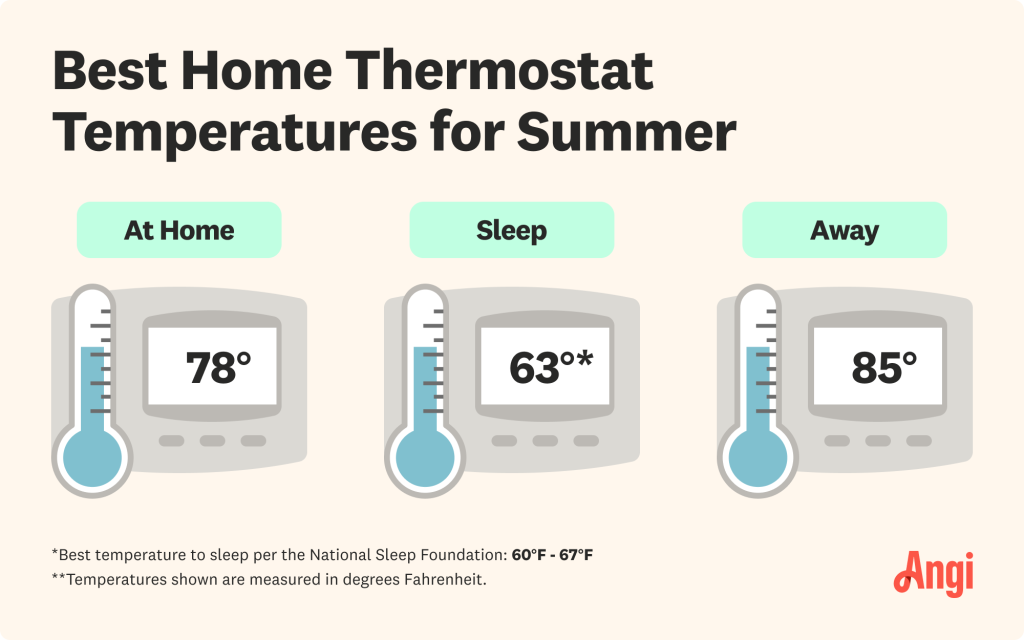
- Set the AC to 78°F (26°C) when you are at home and active.
- Lower the temperature to 72°F (22°C) if you feel hot or have guests.
- Use fans to help circulate air and feel cooler.
Energy Efficiency Considerations
Saving energy means using your AC wisely. The higher the temperature set, the less energy the AC uses.
| Temperature Setting | Energy Use | Comfort Level |
| 72°F (22°C) | High | Cool and comfortable |
| 75°F (24°C) | Medium | Comfortable for most |
| 78°F (26°C) | Low | Warm but okay |
Balancing Comfort And Savings
Finding a balance between comfort and saving money is key. You can adjust the temperature based on time and activity.
- Use 78°F (26°C) during the day when you are busy or away.
- Set to 74°F (23°C) in the evening when you relax at home.
- Close blinds and curtains to keep heat out.
- Keep doors and windows closed to maintain cool air.
Credit: www.tomsguide.com
Factors Influencing Temperature Choice
Setting the right temperature on your air conditioner depends on many things. These factors help you find a balance between comfort and energy use.
Understanding these factors lets you choose a temperature that suits your needs and environment.
Climate And Weather Impact
The outside weather strongly affects the best AC temperature. Hot and humid days need cooler settings. Cooler climates may require less cooling.
- Hot weather calls for lower temperatures.
- Humid conditions may need more cooling to feel comfortable.
- Cooler weather allows for higher AC settings.
Room Size And Insulation
Room size and how well it is insulated affect cooling needs. Larger rooms or poor insulation need lower temperatures for comfort.
| Room Size | Insulation Quality | Recommended Temperature |
| Small | Good | 24-26°C (75-78°F) |
| Medium | Average | 22-24°C (72-75°F) |
| Large | Poor | 20-22°C (68-72°F) |
Occupant Preferences
People feel temperature differently. Age, health, and activity level change comfort needs. Adjust your AC to match who is inside.
- Elderly may prefer warmer settings.
- Active people might like cooler air.
- Children may need moderate temperatures.
Seasonal Adjustments
Setting your air conditioner to the right temperature changes with the seasons. Adjusting the temperature helps save energy and keeps you comfortable.
Each season needs different temperature settings. Knowing when and how to change them is important for good air conditioning use.
Summer Temperature Tips
In summer, set your air conditioner to a temperature that cools your home well. The ideal range is usually between 75°F and 78°F.
This range keeps you cool without using too much energy. Raising the temperature a few degrees when you are away can save more power.
- Keep the temperature around 78°F when home
- Raise temperature by 4-5 degrees when away
- Use fans to help circulate cool air
Winter Cooling Needs
In winter, you might still use your air conditioner for cooling on warm days. Set it to a higher temperature, around 78°F or above.
It is best to keep the air conditioner off when outside temperatures are cool. Use heating systems more to stay warm.
- Set AC to 78°F or higher on warm winter days
- Turn off AC when it is cold outside
- Use heating for comfort in cold weather
Using Programmable Thermostats
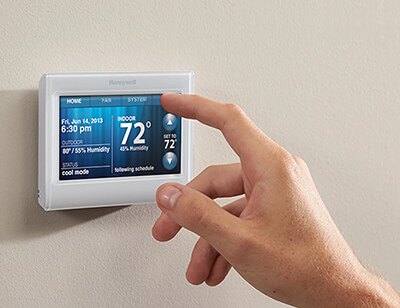
Programmable thermostats help change AC settings automatically. You can set different temperatures for day and night or for when you are away.
This tool saves energy and keeps your home comfortable. It adjusts the temperature based on your schedule without needing manual changes.
- Set cooler temperatures during the day
- Allow higher temperatures at night or when away
- Save energy by avoiding constant cooling
Health And Safety Tips
Setting your air conditioner to the right temperature keeps you healthy and safe. It helps avoid discomfort and health problems.
Let’s explore how to avoid overcooling, control humidity, and maintain air quality.
Avoiding Overcooling
Keeping your air conditioner too cold can cause problems. It may lead to dry skin, sore throat, and headaches.
Set your AC to a comfortable temperature, usually between 75°F and 78°F (24°C to 26°C). This prevents overcooling and saves energy.
- Do not set the AC below 72°F (22°C)
- Use a fan to help circulate air
- Wear light clothing indoors
Humidity Control
Air conditioners help reduce indoor humidity. Too much moisture can cause mold and allergies.
Keep humidity levels between 30% and 50% for health and comfort. Use a dehumidifier if needed.
- Check humidity with a hygrometer
- Fix leaks to stop moisture buildup
- Run AC regularly to control humidity
Air Quality Maintenance
Good air quality protects your lungs and reduces allergy risks. Dirty filters and stale air can cause problems.
Change or clean AC filters every 1-3 months. Keep windows closed when AC runs to avoid outdoor pollution.
- Use air purifiers if possible
- Keep your home clean and dust-free
- Ventilate rooms occasionally to refresh air
Energy Saving Strategies
Setting your air conditioner at the right temperature helps save energy. It also keeps your home comfortable. Small changes can lower your electric bill.
Using other cooling methods and keeping your system in good shape adds to energy savings. Learn how to get the best from your air conditioner.
Optimal Thermostat Settings
Set your thermostat to 78°F (26°C) when you are home. This temperature balances comfort and energy savings. At night or when you are away, raise it by 7 to 10 degrees.
- Keep the thermostat at 78°F during the day.
- Raise it to 85°F when you leave home.
- Use a programmable thermostat to set these changes automatically.
- Avoid setting it lower than 78°F to save energy.
Using Fans And Ventilation
Fans help circulate cool air and reduce the need for air conditioning. Ceiling fans use less energy and make you feel cooler. Use them with your AC for better results.
| Type | Energy Use | Best Use |
|---|---|---|
| Ceiling Fan | Low | Circulate air in rooms |
| Box Fan | Moderate | Improve ventilation |
| Exhaust Fan | Low | Remove hot air from kitchen or bathroom |
Regular Maintenance Benefits
Regular maintenance keeps your air conditioner running well. Clean filters and clear vents help air flow better. This lowers energy use and extends the system’s life.
- Change or clean air filters every month or two.
- Clear debris from outdoor units.
- Check ducts for leaks and seal them.
- Schedule yearly professional inspections.
Credit: gulfshorecooling.com
Smart Thermostats And Technology
Setting the right temperature for your air conditioner saves energy and keeps you comfortable. Smart thermostats help you find the best temperature easily.
These devices use technology to learn your habits and adjust the temperature automatically. This makes your home cooler or warmer when needed.
Adaptive Temperature Control
Smart thermostats adjust the temperature based on your daily routine. They learn when you are home or away and change settings to save energy.
This adaptive control keeps your home comfortable without wasting power. It also reacts to weather changes by adjusting the cooling level.
Remote Management Features
You can control smart thermostats from your phone or tablet. Change the temperature even if you are not at home.
This remote access helps you save energy by turning off the air conditioner when no one is home. You can also start cooling before you arrive.
Cost And Convenience
Smart thermostats may cost more upfront but save money over time. They reduce energy bills by using power only when needed.
The convenience of automatic adjustments and remote control makes managing your air conditioner easy. This saves time and effort.
Credit: heatable.co.uk
Frequently Asked Questions
What Temperature Should I Set My Air Conditioner For Comfort?
Setting your air conditioner to 78°F (25-26°C) balances comfort and energy savings. It keeps your home cool without overworking the unit. Adjust slightly based on personal preference or humidity levels for best results.
How Does Temperature Setting Affect Energy Bills?
Higher temperature settings reduce energy consumption, lowering bills. Each degree above 72°F can save up to 3-5% on cooling costs. Proper temperature management helps maintain efficiency and prolongs your AC unit’s lifespan.
Is 72°f A Good Temperature For Air Conditioning?
72°F is cool and comfortable but may increase energy usage. For optimal savings and comfort, 75-78°F is often recommended. Adjust according to your comfort and local climate conditions.
Should I Change Ac Settings When I’m Away?
Yes, increasing the temperature to around 85°F when away saves energy. This prevents unnecessary cooling and reduces electricity costs. Use a programmable thermostat for automatic adjustments.
Conclusion
Finding the right air conditioner temperature matters. It impacts comfort and energy bills. Aim for settings between 24-26°C (75-78°F) for balance. This range keeps rooms cool and saves energy. A programmable thermostat helps. It adjusts temperatures based on your routine.
Remember, every degree counts. Small changes can lead to big savings. So, stay cool and smart with your settings. Enjoy a comfortable home without high costs. Keep experimenting until you find the perfect setting. Your comfort and wallet will thank you.