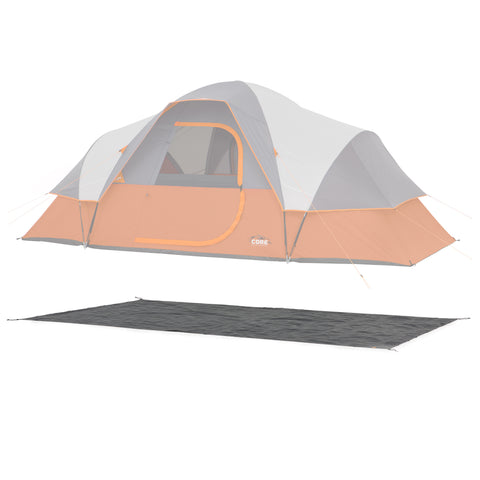
Have you ever set up your tent only to find the ground underneath torn or damp the next morning? That’s where a tent footprint comes in.
A tent footprint is a simple, yet powerful accessory that can protect your tent’s floor, keep you dry, and extend the life of your gear. If you want to camp smarter and avoid common tent troubles, understanding what a tent footprint is and how it works can make all the difference.
Keep reading, and you’ll discover why this small piece of fabric might just become your best camping companion.

Credit: altongoods.com
Tent Footprint Basics
A tent footprint is a protective layer placed under your tent. It helps keep the tent floor clean and dry. It also stops damage from rocks and sticks on the ground.
Using a tent footprint can make your camping experience more comfortable. It adds an extra layer of protection to your tent and helps it last longer.
What Is A Tent Footprint
A tent footprint is a separate groundsheet that fits under your tent. It matches the size and shape of the tent floor. Its main job is to protect the tent floor from wear and tear.
It also helps keep moisture from the ground away from your tent. This makes your tent drier inside and easier to pack up after use.
Materials Used
Tent footprints are made from tough, waterproof materials. These materials stop water from soaking through. They also resist tears and holes from rough ground.
- Polyethylene: Strong and waterproof but a bit heavy
- Ripstop nylon: Lightweight and tear-resistant
- Polyester with waterproof coating: Durable and water-resistant
- Silicone-coated fabrics: Very light and waterproof
How It Differs From A Tent Floor
A tent floor is part of the tent itself. It is sewn to the tent walls and designed to keep water out. It is made to be strong but also lightweight.
A footprint is separate and can be removed or replaced. It adds extra protection but does not replace the tent floor. A footprint is usually thicker and more durable than the tent floor.
Benefits Of Using A Footprint
A tent footprint is a groundsheet placed under your tent. It fits the tent’s floor size and protects it from damage.
Using a footprint improves your camping experience by keeping your tent safe and clean. It also helps your tent last longer.
Protecting Your Tent Floor
The footprint acts as a shield between your tent floor and the ground. It stops sharp rocks, sticks, and rough surfaces from tearing the tent fabric.
This protection lowers the chance of holes or rips in your tent floor, which can keep bugs and water out during your trip.
Enhancing Durability
Using a footprint adds an extra layer to your tent’s base. This reduces wear and tear on the tent floor over time.
With less direct contact with rough ground, your tent floor stays stronger and lasts through many camping trips.
Improving Weather Resistance
A footprint helps prevent water from soaking through the tent floor. It creates a barrier that keeps moisture away from inside the tent.
This extra layer can stop mud and damp soil from making your tent wet and uncomfortable during rainy weather.
Keeping Your Tent Clean
The footprint keeps dirt and mud off your tent floor. It makes cleaning easier after your trip.
You can remove and shake off the footprint separately, which saves time and effort in campsite cleanup.
Choosing The Right Footprint
A tent footprint is a protective groundsheet that goes under your tent. It helps protect the tent floor from damage and moisture. Choosing the right footprint can improve your camping experience.
Not all footprints fit every tent. You need to consider size, weight, durability, and cost before buying one. This guide will help you pick the best footprint for your needs.
Matching Footprints To Tent Models
Each tent model has a unique shape and size. The footprint must match these exactly to provide proper protection. Using a footprint too small or too large can cause problems.
- Check the tent’s floor dimensions before buying a footprint.
- Choose footprints designed specifically for your tent model.
- If a custom footprint is unavailable, pick one slightly smaller than the tent floor.
- A footprint larger than the tent can collect water underneath.
Considering Weight And Packability
Backpackers need lightweight and compact footprints. Heavy or bulky footprints can add unwanted weight to your pack. Balance protection with how easy it is to carry the footprint.
| Type | Weight | Pack Size |
| Silnylon | Light | Small |
| Polyethylene | Medium | Medium |
| Canvas | Heavy | Large |
Material Durability And Waterproofing
Footprints must resist tears and block moisture. Durable fabrics last longer and protect better. Waterproof coatings prevent water from soaking through to your tent floor.
- Ripstop nylon offers good tear resistance.
- Polyethylene is waterproof but can tear easily.
- Look for footprints with waterproof coatings or laminates.
- Check user reviews for durability feedback.
Budget-friendly Options
You don’t need to spend a lot on a footprint. Some affordable options still offer good protection. Consider your camping style and how often you use the footprint before buying.
| Price Range | Material | Pros | Cons |
|---|---|---|---|
| Low | Polyethylene | Waterproof, cheap | Less durable, heavier |
| Medium | Silnylon | Lightweight, durable | Higher cost |
| High | Custom-cut fabrics | Perfect fit, long lasting | Expensive |
Diy Tent Footprint Ideas
A tent footprint protects your tent floor from damage. It also helps keep moisture out. You can make one yourself using simple materials.
Using a footprint saves money and lets you customize size and shape. Try these easy DIY ideas to create your own footprint.
Using Tarps And Plastic Sheets
Tarps and plastic sheets work well as tent footprints. They are light, waterproof, and easy to carry. Choose a material slightly smaller than your tent floor to avoid water pooling.
- Cut the tarp or plastic sheet to match your tent’s floor shape.
- Use grommets or duct tape on edges for extra strength.
- Fold and pack it neatly for easy storage.
Repurposing Old Rain Gear
Old rain jackets or ponchos make great footprints. Their waterproof fabric protects your tent floor well. Using old gear is eco-friendly and cost-effective.
| Material | Advantages | Tips |
|---|---|---|
| Rain Jacket Fabric | Lightweight, waterproof | Cut open seams to lay flat |
| Poncho | Large size, durable | Trim to tent floor size |
| Rain Pants | Strong, easy to cut | Use multiple pieces if needed |
Custom Cutting And Sizing Tips
Measure your tent floor carefully before cutting your footprint material. Leave a small margin to avoid covering too much ground. Use sharp scissors or a utility knife for clean cuts.
- Set your tent on a flat surface.
- Trace the tent’s outline on paper or fabric.
- Mark about 1 to 2 inches inside the outline for the footprint size.
- Cut the material following your marked line.
- Test fit the footprint under the tent and trim if needed.
Setting Up Your Tent Footprint
A tent footprint is a protective layer placed under your tent. It keeps the tent floor safe from rocks, dirt, and moisture. Using a footprint helps your tent last longer and stay dry inside.
Setting up your tent footprint correctly is important. It ensures the footprint fits well and protects your tent effectively. Below are some tips on placement, securing, and common mistakes to avoid.
Proper Placement Techniques
Place the footprint on flat, clean ground before setting up your tent. Clear away sharp objects like sticks or stones that can damage the footprint. Make sure the footprint matches your tent’s size and shape.
- Choose a level spot free of debris.
- Align the footprint edges with your tent floor.
- Leave a small border around the footprint to avoid water pooling.
- Check that all corners are flat and stretched.
Securing The Footprint
Keep the footprint in place to stop it from moving during setup or in wind. Use tent stakes or clips if your footprint has attachment points. This helps the footprint stay aligned with your tent.
| Method | Description |
| Staking | Use stakes through footprint loops to fix it to the ground. |
| Clipping | Attach footprint corners to tent poles or loops. |
| Weighting | Place heavy objects on edges if no stakes or clips are available. |
Avoiding Common Mistakes
Many campers make errors that reduce the footprint’s effectiveness. Avoid these mistakes to protect your tent better.
- Do not let the footprint extend beyond the tent edges; this can collect water.
- Avoid placing the footprint on uneven or rocky ground.
- Don’t skip clearing debris before laying the footprint.
- Do not forget to secure the footprint; it can shift and expose the tent floor.
- Keep the footprint dry and clean to prevent damage and mildew.
Maintaining And Storing Footprints
A tent footprint protects your tent floor from rough ground. Keeping it clean and stored well helps it last longer. Proper care stops damage and keeps it ready for your next trip.
Learn easy ways to clean, dry, store, and fix minor damage on your footprint. This keeps your gear in good shape and saves money.
Cleaning Tips
Remove dirt and debris after each use. Use a soft brush or cloth with mild soap and water. Avoid harsh chemicals that can damage the material.
- Shake off loose dirt
- Use gentle soap and water
- Scrub softly with a brush or cloth
- Rinse well to remove soap
- Do not use bleach or strong detergents
Drying And Storage Best Practices
Dry your footprint completely before storing it. Store in a cool, dry place away from direct sunlight. Folding loosely helps avoid creases and damage.
- Air dry in shade
- Do not store while wet
- Fold or roll gently
- Keep away from heat and sunlight
- Store in a breathable bag or container
Repairing Minor Damage
Small tears or holes can be fixed with patch kits made for tents. Clean the area before applying a patch. Follow the kit instructions for best results.
- Clean and dry the damaged spot
- Cut a patch slightly larger than the hole
- Apply patch with adhesive or heat
- Press firmly and let it set
- Check for leaks after repair
When To Skip Using A Footprint
A tent footprint is a groundsheet that goes under your tent. It protects the tent floor from dirt, rocks, and moisture. But sometimes, you may not need to use one.
Knowing when to skip the footprint can save you weight and setup time. Below are some situations when a footprint is not needed.
Situations Where It’s Not Needed
If you are camping on soft, clean ground, a footprint may not add much protection. Sometimes the tent floor is made with strong material that resists wear well.
- Camping on dry grass or soft soil without sharp objects
- Using a tent with a durable, waterproof floor
- Short trips or quick setups where weight matters most
- When you want to reduce gear bulk and pack size
Potential Drawbacks
Skipping a footprint can sometimes cause problems. The tent floor may wear out faster or get dirty more easily.
| Drawback | Explanation |
| More wear and tear | Rocks and sticks can damage the tent floor |
| Less moisture protection | Dew or wet ground may soak through faster |
| Harder to clean | Tent floor can get muddy and require more washing |
| Possible leaks | Without extra protection, water may seep in |

Credit: www.garagegrowngear.com

Credit: www.amazon.ca
Frequently Asked Questions
What Is The Purpose Of A Tent Footprint?
A tent footprint protects the tent floor from damage and wear. It acts as a barrier against sharp objects, dirt, and moisture. This extends the life of your tent and improves comfort during camping trips.
How Does A Tent Footprint Improve Camping Experience?
A footprint adds extra ground insulation and prevents water seepage. It keeps the tent clean and dry, enhancing comfort. It also makes setup easier and protects the tent’s base from abrasions.
Can I Use A Footprint For Any Tent Size?
Footprints are usually designed to fit specific tent models and sizes. Using the correct footprint ensures full coverage and protection. Some footprints are adjustable, but matching size is best for durability and effectiveness.
What Materials Are Tent Footprints Made From?
Tent footprints are typically made from durable, waterproof materials like polyethylene or nylon. These materials resist tears and repel moisture. The choice of material affects weight, durability, and packability.
Conclusion
A tent footprint is essential for camping. It protects your tent floor. Adds comfort and extends tent life. Choosing the right footprint matters. Consider size and material. Also, think about your camping environment. Wet ground needs waterproof footprints. Rocky areas require durable options.
Investing in a good footprint saves money. Avoids tent damage. Enhances your camping experience. Enjoy peace of mind with added protection. Camping becomes more enjoyable and stress-free. So, pack your tent footprint. Embrace the great outdoors confidently. Happy camping!