Are you tired of guessing the perfect temperature for your air conditioner? Setting it too low can spike your energy bills, while too high can leave you feeling uncomfortable and sticky.
Finding the best air conditioner temp isn’t just about comfort—it’s about saving money and staying healthy. You’ll discover the ideal temperature that balances coolness and efficiency, so you can enjoy your space without worry. Keep reading, because the answer might surprise you and change the way you use your AC forever.

Credit: www.healthkart.com
Ideal Temperature Range
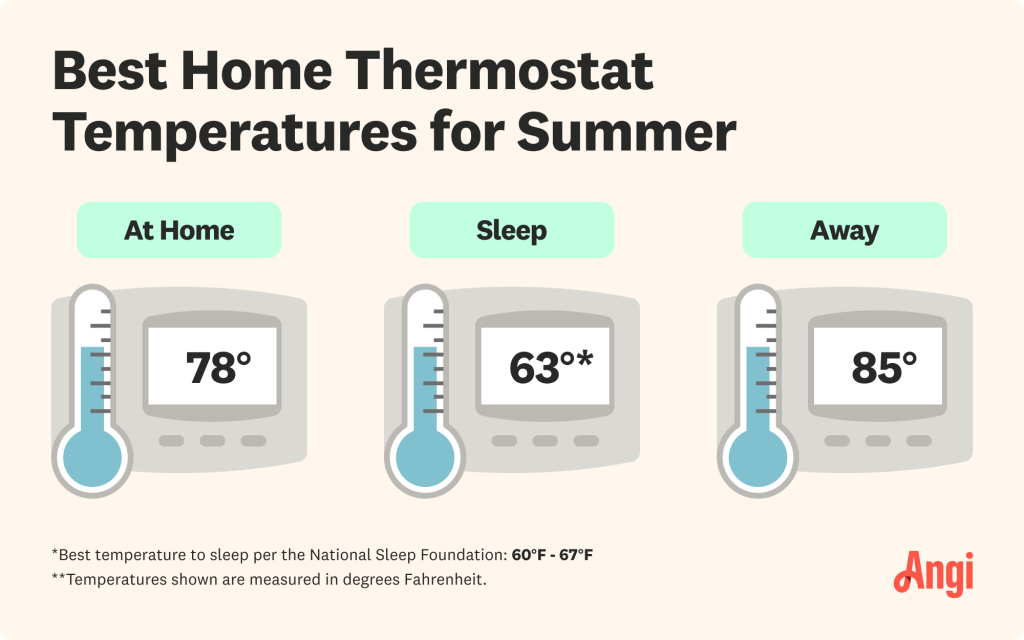
Keeping the air conditioner temperature between 72°F and 78°Fis ideal for comfort and energy savings. During the daytime, setting the thermostat closer to 78°Fhelps reduce energy use while still keeping the room cool. This temperature feels fresh without using too much power.
At night, lowering the temperature a bit to around 72°F to 75°Fcan help improve sleep quality. Cooler air helps the body relax and rest better. Setting the AC too cold wastes energy and may cause discomfort.
- Daytime: 75°F to 78°F for energy efficiency.
- Nighttime: 72°F to 75°F for better sleep.
- Avoid setting below 72°F to save energy.

Credit: www.cnet.com
Factors Affecting Temperature Choice
Humidity levelsaffect comfort and air conditioner settings. High humidity makes air feel warmer. Lowering temperature can help reduce moisture in the air. Dry air feels cooler even at higher temperatures. Adjust settings based on how humid the room feels.
Room size and insulationalso matter. Larger rooms need cooler temperatures to feel comfortable. Well-insulated rooms keep cool air inside longer. Poor insulation requires more cooling power. Setting temperature too low in small or well-insulated rooms wastes energy.
Number of occupantschanges the temperature feel. More people produce more body heat. This heat raises room temperature quickly. More cooling is needed with many occupants. Fewer people mean less heat, so higher temperature can feel comfortable.
Energy Efficiency Tips
Setting your thermostat to 78°Fduring summer saves energy and keeps you cool. Lowering it more uses extra power and costs more. Use fans to move air and feel cooler without lowering temperature.
Fans help spread cool air evenly. They use less energy than air conditioners alone. Turn off fans when you leave a room to save electricity.
Seal gaps around doors and windows. Insulate walls and attic to keep cool air inside. This stops warm air from entering and reduces AC workload.
Health And Comfort Considerations
Setting the air conditioner at a comfortable temperature helps protect your health and comfort. Sudden exposure to very cold air can cause cold air shocks, which may lead to headaches or muscle stiffness. To avoid this, keep the temperature moderate.
Air conditioning can make the air dry. This may cause dry skin, throat irritation, or itchy eyes. Using a humidifier or placing a bowl of water near the AC helps keep moisture in the air.
For people with allergies, air conditioners can trap dust and pollen. Regularly cleaning or changing the filters helps reduce allergens. Also, keeping windows closed stops outdoor pollen from entering.
Smart Thermostats And Automation
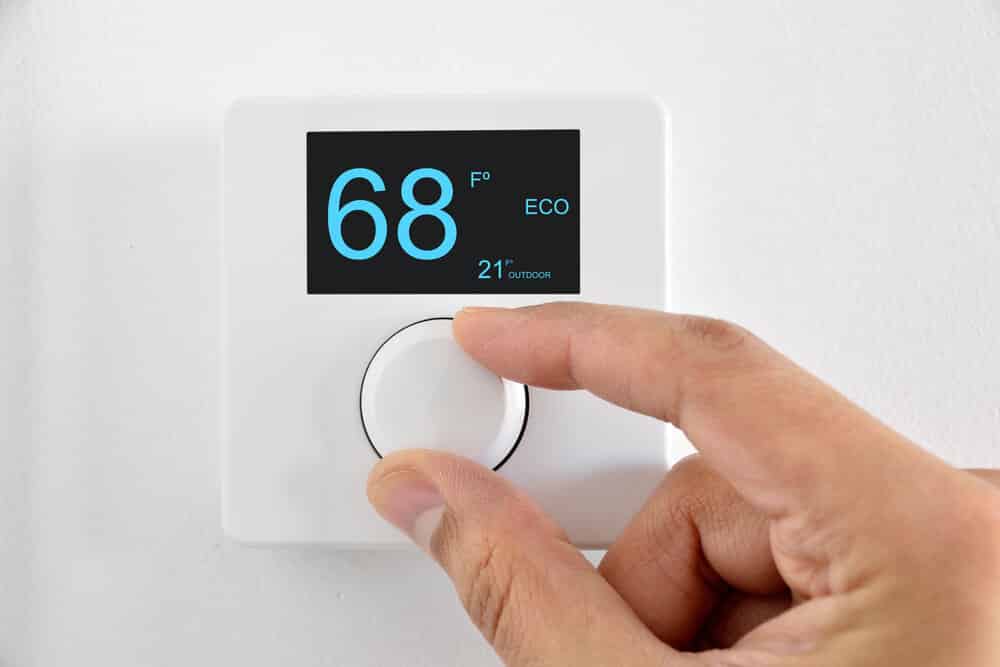
Programmable settingshelp save energy by adjusting temperature automatically. You can set different temps for day and night. This keeps rooms comfy without wasting power. It also helps lower electric bills.
These settings let you create a schedule for your air conditioner. No need to change the temp all the time. The AC works on its own, following your plan. This adds convenience and comfort.
- Remote control featureslet you change settings from anywhere.
- You can turn the AC on before you get home.
- Adjust the temperature without getting up.
- Some models connect to your phone or voice assistant.
- This makes controlling your AC very easy and quick.
Credit: fischerheating.com
Seasonal Temperature Adjustments
Adjusting your air conditioner temperature with the seasons saves energy and keeps you comfortable. Cooler settings work well in summer, while slightly higher temps suit mild weather. Finding the right balance helps maintain a pleasant indoor climate year-round.
Summer Settings
Set the air conditioner to around 78°F (25°C)during hot days. This keeps the room cool without using too much energy. A higher temperature saves money and still feels comfortable. Use fans to help spread the cool air. Keep curtains closed to block sunlight. This lowers the room temperature naturally.
Transition Months
In spring and fall, set the temperature between 72°F and 75°F (22°C to 24°C). This is cooler than outside but not too cold. It helps keep the house fresh and cozy. Adjust settings based on the weather. Open windows on mild days to save energy. Close them when it gets chilly or hot outside.
Frequently Asked Questions
What Is The Ideal Ac Temperature For Sleeping?
The ideal AC temperature for sleeping is between 60-67°F (15-19°C). This range helps maintain optimal body temperature for restful sleep. Adjust according to personal comfort, but staying within this range is generally recommended for a good night’s rest.
How Does Ac Temperature Affect Energy Bills?
Setting your AC to a higher temperature can reduce energy bills significantly. For every degree you raise the thermostat, you save about 3-5% on cooling costs. Aim for 78°F (26°C) when you’re home to balance comfort and energy efficiency.
Why Is 78°f Recommended For Ac?
78°F (26°C) is recommended because it strikes a balance between comfort and energy savings. This temperature helps reduce energy consumption while still providing a cool environment. It is an optimal setting for most people during the summer months.
Does Ac Temperature Affect Indoor Air Quality?
Yes, AC temperature can impact indoor air quality. A higher temperature reduces humidity, preventing mold and mildew growth. It helps maintain a healthier indoor environment. Proper temperature settings ensure better air circulation and filtration, improving air quality.
Conclusion
Choosing the right air conditioner temperature helps save energy and stay comfortable. Setting it around 78°F (25-26°C) works well for most people. This balance keeps your home cool without high electricity bills. Adjust a little if you feel too hot or cold.
Remember, good airflow and closing blinds help too. Small changes make a big difference in comfort and cost. Try these tips and enjoy a cooler, more affordable home.