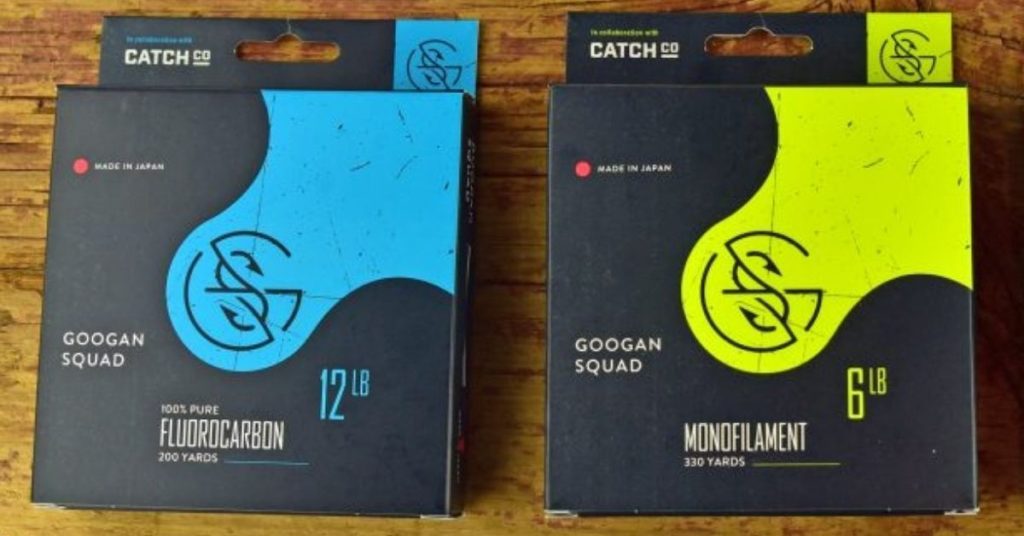
Choosing the best fishing line can make all the difference in your next fishing trip. You want a line that’s strong, smooth, and reliable—one that helps you land the big catch without snapping or tangling.
But with so many options out there, how do you know which one suits your style and needs? In this guide, you’ll discover the key factors to consider and find out which fishing line will give you the edge on the water.
Keep reading, and get ready to improve your fishing game like never before.

Credit: mysterytacklebox.com
Types Of Fishing Lines
Choosing the right fishing line is important for a good catch. Different types of lines work best in different situations. Knowing the types helps you pick the best line for your fishing.
Fishing lines vary in strength, stretch, and visibility. These qualities affect how you fish and what fish you can catch.
Monofilament Lines
Monofilament lines are made from a single strand of nylon. They are soft and stretch well, making them easy to handle.
This type of line is good for beginners and works well in many fishing conditions. It floats on water and is less visible in clear water.
- Good stretch for shock absorption
- Easy to knot and handle
- Affordable and widely available
- Can weaken in sunlight over time
Fluorocarbon Lines
Fluorocarbon lines are made from a special plastic. They are almost invisible underwater because they match water’s light refraction.
These lines sink faster than monofilament. They are strong and resist abrasion, which helps when fishing near rocks or weeds.
- Low visibility underwater
- Good abrasion resistance
- Sinks faster than monofilament
- Less stretch than monofilament
Braided Lines
Braided lines are made by weaving many thin fibers together. They are very strong and thin compared to other lines.
These lines have almost no stretch. They let you feel bites better and cast farther. Braided lines float on water and are very durable.
- High strength with thin diameter
- Almost no stretch for better sensitivity
- Floats on water surface
- Can be visible in clear water

Credit: goofishrod.com
Key Features To Consider
Choosing the right fishing line is important for a good fishing experience. Different lines work better in different situations.
Look at key features before buying a fishing line. These features help you pick the best line for your needs.
Strength And Durability
Strength means how much weight the line can hold before breaking. Durability shows how long the line lasts with use.
A strong and durable line helps catch bigger fish and lasts through tough conditions. Check the pound test rating.
- Higher pound test means stronger line
- Durable lines resist wear and tear
- Choose strength based on fish size
Stretch And Sensitivity
Stretch is how much the line can extend under pressure. Sensitivity is how well you feel fish bites.
Less stretch means better sensitivity. You can feel fish bites faster and react quickly. Some stretch helps prevent line breaks.
- Low stretch lines improve bite detection
- More stretch absorbs sudden fish pulls
- Pick stretch based on fishing style
Visibility In Water
Visibility means how easy it is for fish to see the line. Clear or low-visibility lines avoid spooking fish.
Choose a line color that blends with the water type. Clear lines work well in clear water. Green or blue lines fit better in colored water.
- Clear lines are good in clear water
- Green or blue lines suit stained water
- High visibility lines help in low light
Abrasion Resistance
Abrasion resistance means how well the line stands up to rubbing against rocks or debris. It keeps the line from breaking easily.
Choose a line with good abrasion resistance if you fish near rough surfaces. It helps avoid losing fish or gear.
- High abrasion resistance lasts longer
- Good for rocky or weedy areas
- Protects line from sharp objects
Choosing Lines For Different Fishing Styles
Fishing lines come in many types and strengths. Choosing the right line helps catch more fish and prevents breaks. Each fishing style needs a special line type.
This guide explains the best fishing lines for freshwater, saltwater, fly, and ice fishing. Learn which line suits your fishing style.
Freshwater Fishing
Freshwater fishing uses lines that balance strength and flexibility. Monofilament lines work well for beginners. Fluorocarbon lines offer low visibility underwater.
- Monofilament: good stretch, affordable, easy to handle
- Fluorocarbon: almost invisible, more abrasion-resistant
- Braid: very strong, less stretch, ideal for heavy cover
Saltwater Fishing
Saltwater fishing needs lines that resist salt damage and strong fish. Braided lines are popular due to high strength and thin diameter. Fluorocarbon is great for clear water.
| Line Type | Strength | Visibility | Best Use |
| Braid | Very High | High | Deep sea, big fish |
| Fluorocarbon | High | Low | Clear water, structure fishing |
| Monofilament | Medium | Medium | General use, shore fishing |
Fly Fishing
Fly fishing uses special lines that help cast light flies. Weight-forward floating lines are common. Sinking lines work for deep water or fast currents.
- Weight-forward floating: best for most fly fishing
- Sinking: reaches deep water quickly
- Intermediate: sinks slowly, good for clear water
Ice Fishing
Ice fishing lines must stay flexible in cold weather. Monofilament is popular because it does not freeze easily. Thin braided lines help feel subtle bites.
| Line Type | Temperature Performance | Use Case |
|---|---|---|
| Monofilament | Good | General ice fishing |
| Braid | Fair | Detecting light bites |
| Fluorocarbon | Poor | Less common in ice fishing |
Best Lines For Targeted Fish Species
Choosing the right fishing line is important for catching specific fish. Different fish need different line types and strengths.
This guide helps you pick the best fishing line for popular fish species. Match the line to the fish for better results.
Bass
Bass fishing needs a line that is strong but not too visible. Fluorocarbon and braided lines work well.
Fluorocarbon is good for clear water. Braided line offers strength for heavy cover.
- Fluorocarbon: low visibility, good abrasion resistance
- Braided: strong, thin diameter
- Monofilament: good stretch, easy to handle
Trout
Trout fishing requires a light and sensitive line. Fluorocarbon and light monofilament are top choices.
Fluorocarbon sinks well and is nearly invisible. Monofilament floats and works well with topwater baits.
- Fluorocarbon: good for clear water, sinks fast
- Monofilament: floats, soft and flexible
- Light test lines: 2-6 lb strength
Pike And Muskie
Pike and muskie are strong fish with sharp teeth. Use heavy braided lines with wire leaders for best results.
Braided line gives power and sensitivity. Wire leaders prevent bite-offs from sharp teeth.
- Braided line: 50-80 lb test for strength
- Wire leaders: protect line from teeth
- Monofilament topshot: adds stretch to the setup
Saltwater Game Fish
Saltwater fish need strong and durable lines. Braided lines combined with fluorocarbon leaders are popular choices.
Braided lines handle heavy fish and rough conditions. Fluorocarbon leaders resist abrasion and remain invisible.
- Braided line: high strength, low stretch
- Fluorocarbon leader: abrasion resistant, clear
- Line strength: 20-80 lb depending on fish size
Tips For Line Maintenance
Taking care of your fishing line helps it last longer. Good line maintenance keeps your fishing trips smooth and fun.
Learn simple ways to store, replace, and handle your fishing line to avoid problems like knots and twists.
Proper Storage
Store your fishing line in a cool, dry place away from sunlight. Heat and UV rays can weaken the line over time.
- Keep line off the floor to avoid dirt and damage.
- Use original spools or line holders to prevent tangling.
- Do not store line under heavy objects that can deform it.
Replacing Old Line
Replace your fishing line regularly to avoid breaks. Old line loses strength and can snap during casting or fighting fish.
| Signs to Replace Line | Reason |
| Discoloration or fading | Sun damage weakens the line |
| Frays or nicks | Can cause line breaks |
| Line feels stiff or brittle | Loss of flexibility |
| Frequent tangles or knots | Line degradation |
Handling Line Twists And Knots
Line twists and knots reduce casting distance and can cause breaks. Handle the line carefully to avoid these issues.
- Check the reel for proper spool tension to reduce twists.
- Use swivels to prevent line twisting when fishing with lures or bait.
- Untangle knots gently to avoid damaging the line.
- After fishing, let out line carefully to avoid loops and twists.
Common Mistakes To Avoid
Choosing the best fishing line can be tricky. Many anglers make mistakes that hurt their fishing experience. Avoiding these errors helps you catch more fish and keeps your gear safe.
Here are some common mistakes to watch out for when picking and using fishing lines.
Using Wrong Line Strength
Picking a line that is too weak can cause it to break easily. A line that is too strong may scare fish away. The line strength should match the size of the fish you want to catch.
Check the label for the line’s pound test. It shows how much weight the line can hold. Choose a strength that fits your fishing style and target species.
- Light line for small fish
- Medium line for general fishing
- Heavy line for big fish
Ignoring Water Conditions
Water type and clarity affect the best fishing line to use. Clear water needs thinner, less visible lines. Murky water allows thicker lines because fish rely less on sight.
Saltwater fishing requires lines that resist salt damage. Freshwater lines don’t need this feature. Always pick a line suited for the water you fish in.
- Clear water: use light, thin lines
- Murky water: use stronger, thicker lines
- Saltwater: use corrosion-resistant lines
Neglecting Line Inspection
Fishing lines wear out over time. Ignoring damage can cause sudden breaks. Check your line often for cuts, nicks, or frays before fishing.
Replace the line if you find any damage. Regular inspection keeps your line strong and reliable. This simple habit prevents lost fish and gear.
- Look for visible cuts or frays
- Feel for weak spots by running your fingers along the line
- Replace old or damaged line immediately

Credit: thegww.com
Frequently Asked Questions
What Type Of Fishing Line Is Best For Beginners?
Monofilament is ideal for beginners due to its versatility and affordability. It offers good knot strength and is easy to handle. Monofilament is also suitable for various fishing techniques and environments, making it a great choice for those just starting out.
How Does Water Clarity Affect Fishing Line Choice?
Clear water requires a less visible line like fluorocarbon. In murky water, braided lines work well due to their strength. The line’s visibility can affect the fish’s behavior, so choose accordingly for the best results.
Why Is Fluorocarbon Popular Among Anglers?
Fluorocarbon is popular for its near-invisibility underwater, making it ideal for clear water. It offers excellent abrasion resistance and sinks faster than other lines. This makes it suitable for a variety of fishing techniques.
Is Braided Line Good For Saltwater Fishing?
Yes, braided line is excellent for saltwater due to its strength and durability. It handles large fish and harsh conditions well. Its minimal stretch allows for better sensitivity, making it a preferred choice for saltwater anglers.
Conclusion
Choosing the best fishing line depends on your needs and fishing style. Nylon lines offer good stretch and are budget-friendly. Braided lines provide strength and low stretch, great for heavy fish. Fluorocarbon lines are nearly invisible underwater, helping with clear water fishing.
Always consider water type, fish size, and casting distance. Test different lines to see what feels right. Enjoy your fishing trips with confidence and the right gear. Simple choices lead to better catches and more fun on the water.