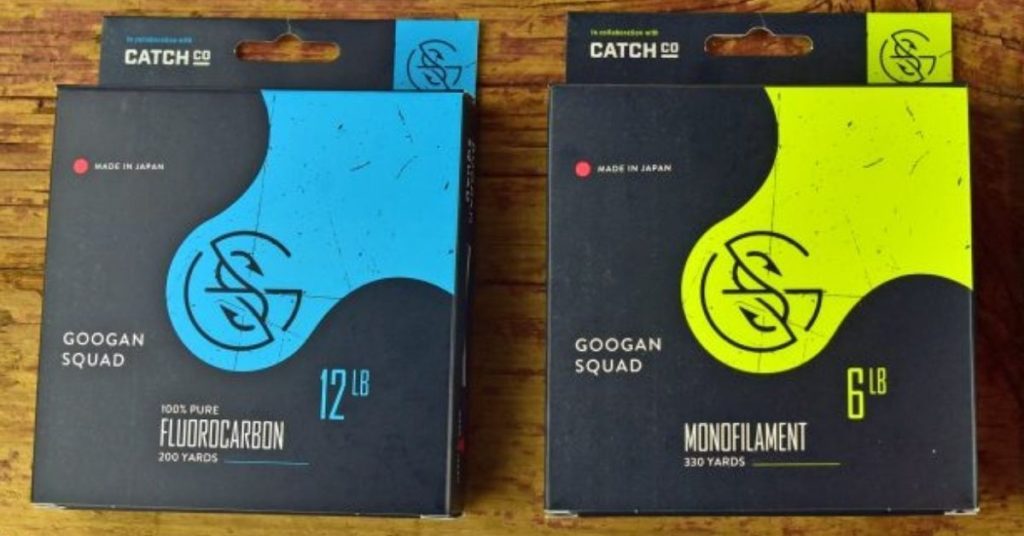
Choosing the best fishing line can make all the difference between a great catch and a frustrating day on the water. You want a line that’s strong, smooth, and easy to handle—but with so many options out there, how do you know which one suits your fishing style best?
You’ll discover simple, clear advice to help you pick the perfect fishing line. Whether you’re a beginner or looking to upgrade your gear, by the end, you’ll feel confident about your choice and ready to reel in your next big catch.
Keep reading to find the fishing line that works just right for you.
Types Of Fishing Lines
Choosing the right fishing line is important for catching fish. Different lines work best for different fishing styles.
Here are the main types of fishing lines and their uses.
Monofilament Lines
Monofilament lines are made from a single strand of nylon. They are flexible and easy to handle.
These lines stretch under tension, which helps absorb shocks when a fish bites.
- Good for beginners
- Affordable and widely available
- Works well for many fishing types
- Visible in water, so use in clear water with care
Fluorocarbon Lines
Fluorocarbon lines are made from a special plastic that sinks faster than monofilament. They are less visible underwater.
This line is strong and resistant to abrasion. It works well in clear water or when fish are shy.
- Low visibility in water
- Good for clear water fishing
- More expensive than monofilament
- Less stretch than monofilament
Braided Lines
Braided lines are made by weaving many thin fibers together. They are very strong and thin for their strength.
These lines have almost no stretch, which gives better control when reeling fish in.
- High strength with small diameter
- Very sensitive to bites
- Can be visible in water
- Good for deep or heavy cover fishing
Specialty Lines
Specialty lines include copolymer and fluorocarbon blends. They combine features of other lines.
These lines often offer better durability and performance for specific fishing needs.
- Copolymer lines mix nylon and other materials
- Good abrasion resistance
- Balanced stretch and strength
- Used for specific fish or conditions

Credit: thewildprovides.com
Key Features To Consider
Choosing the right fishing line can make a big difference in your fishing experience. Different lines have unique features that fit various fishing needs.
Let’s explore the key features to consider when selecting the best fishing line for your angling adventures.
Strength And Durability
Strength and durability are important for handling heavy fish. A strong line prevents breakage during intense battles with fish.
- Monofilament: Good for beginners and budget-friendly.
- Braid: Offers high strength and smaller diameter.
- Fluorocarbon: Invisible under water and very durable.
Visibility In Water
Visibility in water affects how fish perceive the line. Clear lines are less likely to spook fish.
| Line Type | Visibility |
| Monofilament | Visible but versatile |
| Braid | Highly visible |
| Fluorocarbon | Nearly invisible |
Stretch And Sensitivity
Stretch and sensitivity impact how well you detect bites. Less stretch means better sensitivity.
Abrasion Resistance
Abrasion resistance is crucial in rocky or rough areas. It prevents the line from wearing out quickly.
Knot Strength
Knot strength ensures your line stays secure. Strong knots keep your catch from escaping.
Practice tying different knots to find the best for your chosen line type.
Choosing Lines For Different Fish
Choosing the right fishing line helps catch fish easier. Different fish need different lines.
This guide shows which lines work best for different fish and fishing types.
Freshwater Fishing Lines
Freshwater fish live in lakes, rivers, and streams. Lines here need strength and flexibility.
Monofilament lines are popular for freshwater. They stretch well and are easy to handle.
- Use 6-12 lb test for most freshwater fish
- Fluorocarbon lines work well for clear water
- Braided lines offer strong and thin options
Saltwater Fishing Lines
Saltwater fish are often bigger and stronger. Salt can also damage some lines.
Use braided or fluorocarbon lines for saltwater. They resist salt and last longer.
- Pick lines with 20 lb test or higher
- Fluorocarbon is good for clear saltwater
- Braid gives extra strength and sensitivity
Lines For Big Game Fish
Big game fish like marlin or tuna need very strong lines. These fish fight hard.
Use heavy braided lines with high test strength. Sometimes combine with a strong leader.
- Choose lines with 50 lb test or more
- Use fluorocarbon leaders to avoid line breaks
- Braid offers strength and less stretch
Lines For Panfish And Trout
Panfish and trout are smaller and can be shy. Light lines help catch them.
Light monofilament or fluorocarbon lines work best. Keep test strength low for better feel.
- Use 2-6 lb test lines
- Fluorocarbon is nearly invisible in water
- Monofilament is easy to cast and soft

Credit: thegww.com
Matching Line To Fishing Techniques
Choosing the right fishing line is important for success. Different techniques need different lines.
Using the right line improves casting, control, and catch rates. Match your line to your fishing style.
Casting And Spinning
Casting and spinning require lines that flow smoothly from the reel. You need good distance and accuracy.
Monofilament and fluorocarbon lines work well. They offer stretch and help avoid breakage when fish fight.
- Monofilament is affordable and easy to handle
- Fluorocarbon is nearly invisible underwater
- Use lighter lines for small fish, heavier for big fish
Trolling
Trolling needs strong, durable lines to pull lures behind a moving boat. Lines must resist abrasion.
Braid lines are popular for trolling. They offer high strength with low stretch. Fluorocarbon leaders improve invisibility.
- Braid lines handle heavy loads well
- Fluorocarbon leaders prevent fish from seeing the line
- Use heavier lines for big fish species
Fly Fishing
Fly fishing uses light, thin lines to cast delicate flies. Weight and taper of the line affect the cast.
Use fly lines designed for your rod weight. Floating lines work on the surface. Sinking lines help reach deep fish.
- Match line weight to rod for best casting
- Floating lines are good for dry flies
- Sinking lines reach fish in deeper water
Ice Fishing
Ice fishing needs lines that resist cold and stay flexible. Visibility under ice can affect line choice.
Monofilament is common because it handles cold well. Fluorocarbon can work but may become stiff. Light lines help feel bites.
- Monofilament stays flexible in cold
- Fluorocarbon is less visible but can stiffen
- Choose light lines for better bite detection
Maintaining And Replacing Fishing Lines
Fishing lines are important for a good fishing experience. Keeping them in good shape helps catch more fish.
Knowing how to care for and replace your fishing line saves time and money. It also keeps you safe on the water.
Signs Of Wear And Tear
Fishing lines show signs of damage after use. Look for these signs before your next trip.
- Fraying or small cuts on the line
- Discoloration or fading
- Line feels rough or stiff
- Line twists or knots easily
- Loss of strength or snapping under tension
Proper Storage Tips
Store fishing lines in a cool, dry place away from sunlight. Heat and light can weaken the line.
Keep lines on reels or in sealed containers to avoid dust and dirt. Avoid tight knots to prevent damage.
- Use line covers or cases
- Keep away from chemicals and oils
- Store lines loosely to avoid memory
- Check lines regularly during storage
When To Replace Lines
Replace fishing lines after signs of damage or after heavy use. Old lines break easily and lose strength.
Also change lines before fishing in tough conditions. Fresh lines work better and reduce the chance of losing fish.
- After visible wear or fraying
- After catching large fish or heavy loads
- At least once a season if used often
- If line has been exposed to sunlight for long

Credit: mysterytacklebox.com
Popular Brands And Products
Choosing the right fishing line is important for a good catch. Different lines suit different fishing styles and conditions. Many brands offer reliable products to fit your needs.
This guide shows popular fishing lines from trusted brands. It covers monofilament, fluorocarbon, and braided lines.
Top Monofilament Lines
Monofilament lines are easy to handle and stretch well. They are good for beginners and general fishing.
Popular monofilament lines offer good strength and smooth casting. They work well in freshwater and saltwater.
- Berkley Trilene XL: Strong and smooth for many fishing types
- Stren Original: Durable and affordable for all anglers
- SpiderWire Ultracast: Good abrasion resistance and flexibility
Leading Fluorocarbon Lines
Fluorocarbon lines are nearly invisible underwater. They sink fast and resist abrasion well.
These lines are popular for clear water fishing and tough conditions. They offer good sensitivity and strength.
- Seaguar InvizX: Clear line with excellent strength
- Sunline Super FC Sniper: Smooth and abrasion resistant
- PENN Battle Fluorocarbon: Good for saltwater use
Best Braided Lines
Braided lines have no stretch and great strength. They allow for longer casts and better hook sets.
These lines are good for heavy cover and big fish. They are popular among experienced anglers.
- PowerPro Spectra Fiber: Strong and thin for long casts
- Berkley FireLine: Smooth and abrasion resistant
- SpiderWire Stealth: Low visibility and great strength
Budget Vs. Premium Lines
Choosing the right fishing line depends on your needs and budget. There are many options from cheap to expensive.
This guide looks at budget-friendly and premium lines. It helps you decide which line suits your fishing style.
Cost-effective Choices
Budget fishing lines are good for casual anglers. They offer decent strength and work well for many fish types.
These lines are often made from monofilament. They stretch more and are easy to handle for beginners.
- Lower price makes them easy to replace
- Good knot strength for most fishing tasks
- Available in many sizes and colors
- Not as durable in harsh conditions
High-end Performance Lines
Premium lines are made from advanced materials like fluorocarbon or braided fibers. They offer better sensitivity and strength.
These lines last longer and resist abrasions. They let you feel bites more clearly and cast farther with less stretch.
- High strength for fighting big fish
- Low visibility in water with fluorocarbon
- Better abrasion resistance
- Higher cost than basic lines
Balancing Price And Quality
Finding the right fishing line means balancing cost and performance. Choose what fits your fishing habits and budget.
For occasional fishing, budget lines can work well. For regular or serious anglers, investing in premium lines pays off.
- Start with budget lines if you are new
- Upgrade to premium lines for better results
- Consider the type of fish and water conditions
- Replace old lines to avoid breakage
Frequently Asked Questions
What Type Of Fishing Line Is Best For Beginners?
Monofilament line is best for beginners due to its flexibility and ease of use. It offers good knot strength and is affordable. This line is versatile, making it perfect for various fishing conditions and species.
How Does Braided Line Compare To Monofilament?
Braided line is stronger and thinner than monofilament, offering better casting distance. It has minimal stretch, improving sensitivity to bites. However, it is more visible in water and can be less forgiving for beginners.
When Should I Use Fluorocarbon Fishing Line?
Use fluorocarbon line in clear water and when fish are line-shy. It is nearly invisible underwater and has high abrasion resistance. Fluorocarbon sinks faster, making it ideal for deep or fast-moving water fishing.
Which Fishing Line Is Best For Saltwater Fishing?
Braided and fluorocarbon lines are best for saltwater fishing. Braided line offers high strength and durability. Fluorocarbon resists saltwater corrosion and provides low visibility. Both handle heavy fish and rough conditions effectively.
Conclusion
Choosing the right fishing line depends on your needs and fishing style. Each type offers unique strengths for different situations. Consider the water, fish, and your gear before deciding. A good line makes fishing more fun and successful. Keep these tips in mind to pick the best line for you.
Enjoy your time by the water and catch more fish!