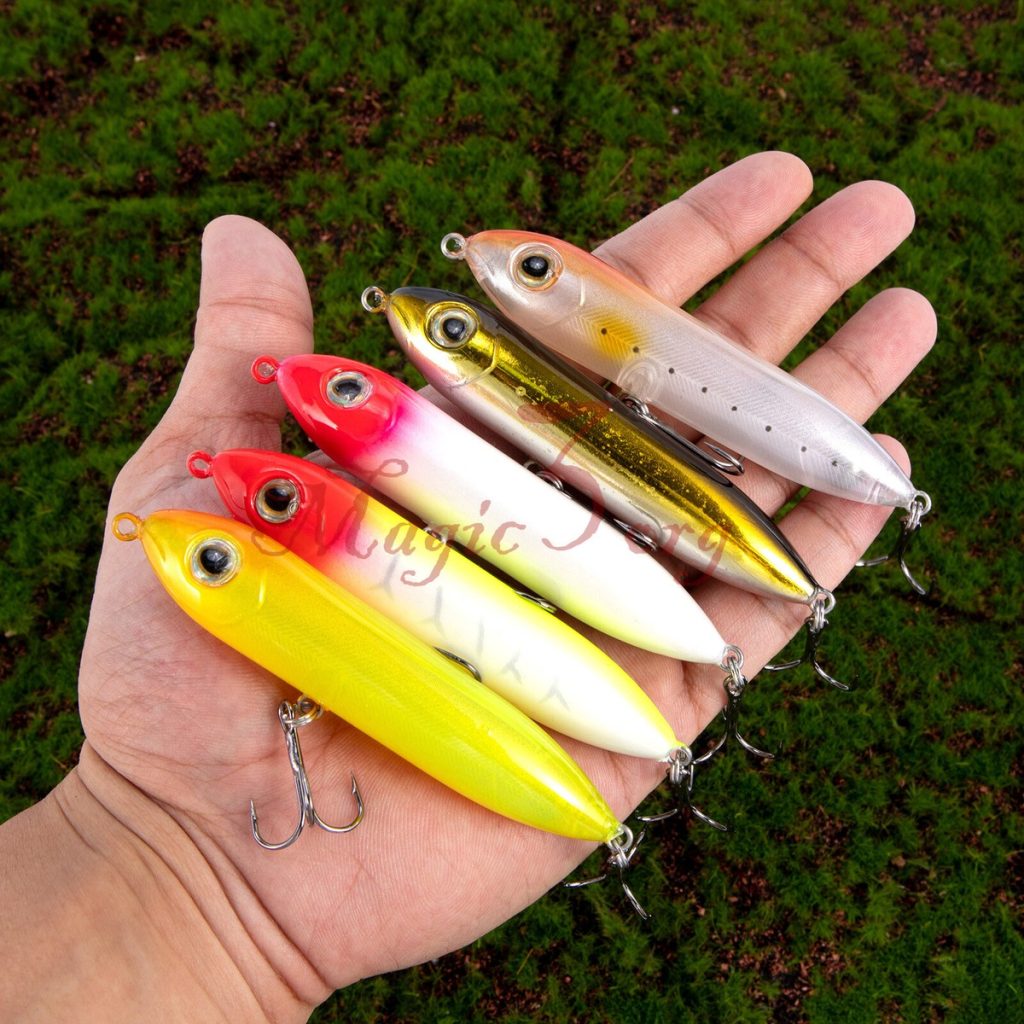
If you want to catch more bass, choosing the right lure can make all the difference. But with so many options out there, how do you know which lure will work best for you?
Whether you’re fishing in clear water or murky depths, the right lure can turn your day from frustrating to fantastic. You’ll discover the top lures that bass can’t resist and learn how to use them to boost your catch. Ready to make your next fishing trip your best one yet?
Let’s dive in and find the perfect lure for you.

Credit: fishgame.com
Types Of Bass Lures
Bass fishing needs the right lure to catch more fish. Different lures work best in different water and weather conditions.
Here are some popular types of bass lures to help you choose the best one for your fishing trip.
Crankbaits
Crankbaits are hard-bodied lures that dive underwater when you reel them in. They mimic small fish or other prey.
These lures work well for covering a lot of water quickly. They come in many shapes and sizes to reach different depths.
- Shallow crankbaits stay near the surface
- Deep diving crankbaits reach lower depths
- They create vibrations to attract bass
Spinnerbaits
Spinnerbaits have spinning blades that flash and create vibrations in the water. They draw attention from bass.
These lures work well in murky water or around vegetation. They are easy to use and good for beginners.
- Single or double blades create different flashes
- Colors can match local baitfish
- Good for slow or fast retrieval
Soft Plastics
Soft plastics are flexible lures that look and feel like real bait. They come in worms, crawfish, and creature shapes.
Anglers often rig them on hooks or jigs. They work well for slow presentations and finesse fishing.
- Worms are good for Texas and Carolina rigs
- Crawfish shapes imitate bass prey
- Soft plastics can be scented to attract fish
Jigs
Jigs are weighted lures with a hook and a soft skirt or trailer. They sink and bounce along the bottom.
Jigs work well for bass hiding near cover or structure. They can be fished slowly for a strong bass strike.
- Use trailers like soft plastics or pork rinds
- Great for fishing around rocks and logs
- Can be flipped or pitched into tight spots
Credit: n1outdoors.com
Choosing The Right Lure
Picking the right lure is key to catching bass. Different lures work better in certain conditions.
Understanding water, seasons, and bass habits helps you choose the best lure for success.
Water Conditions
Clear water calls for natural-colored lures. Bass can see well, so subtle colors work best.
In murky water, use bright or dark lures. These stand out and attract bass more easily.
- Clear water: green, brown, or silver lures
- Murky water: black, chartreuse, or bright orange
- Still water: slower lures with smooth action
- Moving water: lures that move fast and create vibration
Time Of Year
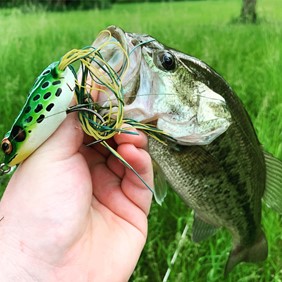
Spring bass like shallow water and react to lures that mimic small fish or frogs. Use soft plastics or crankbaits.
Summer bass hide in shade or deep water. Use jigs or spinnerbaits near cover and deep spots.
- Spring: soft plastics, frogs, crankbaits
- Summer: jigs, spinnerbaits, deep-diving lures
- Fall: crankbaits, swimbaits, lipless crankbaits
- Winter: slow-moving jigs and soft plastics
Bass Behavior
Bass feed aggressively before spawning. Use fast-moving lures to trigger strikes.
When bass rest or hide, use slow lures that stay near the bottom. Soft plastics work well.
- Aggressive bass: spinnerbaits, crankbaits, topwater lures
- Passive bass: jigs, soft plastics, drop shots
- Feeding times: early morning and late evening are best
Top Lures For Big Bass
Big bass need the right lure to bite. Using the best lures can help catch larger fish. Different lures work well in various water conditions and depths.
Choosing lures that match the bass’s behavior is key. This guide shows top lures for catching big bass, focusing on popular types.
Topwater Lures
Topwater lures float on the water surface. They create splashes and noise that attract big bass. These lures work best early in the morning or late at night.
Using topwater lures can be exciting because you see the bass strike. Common types include poppers, frogs, and walking baits.
- Poppers make popping sounds to lure bass.
- Frogs mimic real frogs on the water surface.
- Walking baits move side to side, imitating injured prey.
Deep Diving Crankbaits
Deep diving crankbaits dive down to reach bass in deep water. They have a plastic lip that helps them dive fast. These lures are great for fishing near rocks or underwater structures.
They come in many colors and sizes. Use slow or medium speed to find the bass’s preferred depth. Big bass like the strong vibrations from crankbaits.
- Choose crankbaits that dive 10 to 20 feet deep.
- Bright colors work well in clear water.
- Darker colors help in murky water.
Swimbaits
Swimbaits look like real fish and move smoothly in the water. They are good for catching big bass that hunt by sight. Swimbaits come in soft or hard plastic versions.
Use swimbaits near weed beds, docks, and fallen trees. Big bass often hide in these areas and attack swimbaits thinking they are prey.
- Soft swimbaits have flexible bodies for natural movement.
- Hard swimbaits are durable and create more vibration.
- Match the size of swimbait to the local baitfish size.

Credit: mysterytacklebox.com
Techniques For Using Lures
Choosing the right lure is important for bass fishing. Using the lure well helps catch more fish.
Understanding how to cast, retrieve, and change your approach for weather can improve your success.
Casting Techniques
Good casting puts your lure where bass like to hide. Aim near structures like weeds or rocks.
Use smooth, controlled casts to avoid scaring the fish. Practice accuracy over distance.
- Cast close to cover like logs or plants
- Try sidearm casts for tight spots
- Use overhead casts for open water
- Keep your rod tip low for better control
Retrieving Methods
How you pull the lure back changes how bass react. Try different speeds and actions.
Pause or twitch the lure to make it look like real prey. This can trigger bites.
- Slow and steady retrieve for cold water
- Fast retrieve to excite active bass
- Stop-and-go to mimic injured prey
- Use jerks or twitches for lifelike movement
Adjusting For Weather
Weather affects bass behavior. Change your lure use based on sun, wind, and temperature.
On bright days, use natural colors. In cloudy or low light, try bright or dark colors.
- Windy days push bass to sheltered areas
- Cold weather slows bass down, use slow retrieves
- Warm weather makes bass more active
- Overcast skies make bass less cautious
Lure Maintenance And Care
Taking care of your bass fishing lures helps them last longer. Good maintenance keeps lures effective and ready to use.
Simple care routines prevent damage and improve your fishing experience. Follow these tips for cleaning, storage, and hook sharpening.
Cleaning Tips
Rinse lures with fresh water after fishing to remove dirt and salt. Use a soft brush to clean hard-to-reach areas.
- Use mild soap for stubborn grime
- Dry lures completely before storing
- Avoid harsh chemicals that can damage paint
- Check for rust and clean hooks carefully
Storage Solutions
Proper storage keeps lures organized and safe. Use tackle boxes with separate compartments to avoid tangling.
| Storage Type | Benefits |
| Tackle Box | Prevents damage and keeps lures sorted |
| Plastic Bags | Good for wet lures after fishing |
| Foam Inserts | Protects hooks and lures from scratches |
| Dry Storage | Prevents rust and mold growth |
Hook Sharpening
Sharp hooks improve your catch rate by ensuring better hook sets. Use a fine file or hook sharpener to keep points sharp.
- Hold the hook firmly and file from the inside edge
- Use smooth, short strokes to avoid damaging the hook
- Check sharpness by gently touching the point to your skin
- Sharpen hooks regularly after fishing sessions
Common Mistakes To Avoid
Choosing the right lure can make bass fishing more fun and successful. Many anglers make simple mistakes that hurt their catch rate. Avoiding these errors helps you fish smarter and enjoy your time on the water.
Below are common pitfalls to watch for when selecting and caring for bass fishing lures. Fixing these issues improves your chances of a great fishing day.
Overcomplicating Lure Choice
Some anglers try to use too many types of lures at once. This can cause confusion and waste time. Sticking to a few proven lures works better.
- Pick lures that match water conditions and bass behavior
- Focus on a few styles like crankbaits, soft plastics, and spinnerbaits
- Practice casting and retrieving with these lures to improve skill
- Change lures only if fish do not respond after some time
Ignoring Local Advice
Local fishermen know what works best in their area. Ignoring their advice can lead to poor lure choices. Always ask around before fishing in a new spot.
| Advice Source | Why It Helps | How to Use |
| Local bait shops | They sell popular lures and know current trends | Ask which lures catch bass right now |
| Fishing clubs | Members share tips and recent experiences | Join meetings or forums to get suggestions |
| Online local groups | Real-time updates on bass activity and lure success | Check posts before heading out |
Neglecting Lure Upkeep
Many anglers forget to clean and check their lures. Dirty or damaged lures catch fewer fish. Regular upkeep keeps lures ready and effective.
Follow these tips for lure care:
- Rinse lures with fresh water after each use
- Dry lures completely before storing
- Sharpen or replace dull hooks
- Check for cracks or missing parts and fix or replace lures
- Store lures in a tackle box with compartments to avoid tangles
Frequently Asked Questions
What Types Of Lures Catch Bass Effectively?
Bass respond well to crankbaits, spinnerbaits, and plastic worms. These lures mimic prey and trigger strikes. Choose lures based on water clarity and bass activity for best results.
When Should I Use Topwater Lures For Bass?
Use topwater lures early morning or late evening. Bass feed near the surface during low light. These lures create splashes that attract aggressive strikes.
How Do Color Choices Affect Bass Lure Success?
Bright colors work well in murky water, while natural colors suit clear water. Matching lure color to local baitfish increases catch rates. Adjust colors based on weather and water conditions.
Are Soft Plastic Lures Better For Bass Fishing?
Soft plastics are versatile and imitate worms or crawfish effectively. They work well in various water conditions and depths. Bass often prefer them for their natural movement.
Conclusion
Choosing the right lure helps catch more bass. Soft plastics, crankbaits, and spinnerbaits all work well. Match your lure to the water and weather. Change lures often to find what bass want. Practice casting and retrieving to improve your skill.
Enjoy the time on the water and stay patient. Good lures make fishing easier and more fun. Try different types until you find your favorite. Bass fishing success comes from using the best lures. Keep learning and experimenting for better results every trip.