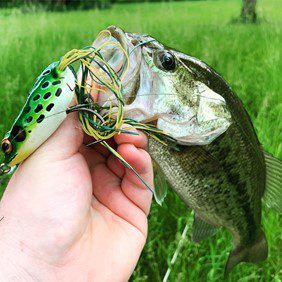
If you want to catch more bass, choosing the right lure can make all the difference. But with so many options out there, how do you know which one is the best for your next fishing trip?
You’ll discover the top lures that can boost your chances of landing that trophy bass. Whether you’re a beginner or a seasoned angler, these tips will help you fish smarter and enjoy every moment on the water. Keep reading to find the perfect lure that fits your style and brings you success.

Credit: fishgame.com
Top Bass Lure Types
Choosing the right lure can help catch more bass. Different lures work best in different water and weather conditions.
Here are the top bass lure types you should know about. Each type has unique features to attract bass.
Crankbaits
Crankbaits are hard plastic lures with a diving lip. They dive to different depths when you reel them in.
They create vibration and noise to attract bass. Use them near rocks, logs, and submerged cover.
- Shallow diving crankbaits for early spring
- Deep diving crankbaits for summer and fall
- Bright colors work well in clear water
Spinnerbaits
Spinnerbaits have one or more spinning blades that flash in the water. The flash and vibration attract bass.
They work well in murky water and around vegetation. You can use slow or fast retrieval to match bass activity.
- Willow blades for long flash and speed
- Colorado blades for more vibration and slow speed
- Use white or chartreuse colors in stained water
Soft Plastics
Soft plastics mimic worms, crawfish, or baitfish. They come in many shapes and colors for different fishing spots.
Use them with Texas or Carolina rigs to fish slowly. Bass often bite soft plastics because they look natural.
- Worms and stick baits are good for slow fishing
- Crawfish imitations work near rocks and cover
- Choose natural colors for clear water
Jigs
Jigs have a weighted head and a skirt or soft body. They are good for fishing deep or around heavy cover.
Slowly lift and drop jigs to mimic injured prey. Bass often hold tight to cover, making jigs effective.
- Use football jigs for rocky bottoms
- Skirt colors like black and blue work well
- Add a trailer for extra action
Topwater Lures
Topwater lures float on the surface and create splashes or noises. They can cause exciting strikes from bass.
Use them early morning or late evening. Watch for bass strikes on the water surface for the best fun.
- Poppers make a popping sound to attract fish
- Walk-the-dog lures create a zigzag motion
- Buzzbaits produce noise and vibration on the surface

Credit: mysterytacklebox.com
Choosing Lures By Season
Bass fishing changes with the seasons. Using the right lure helps catch more fish.
Each season affects bass behavior. Choose lures that match their mood and water conditions.
Spring Strategies
In spring, bass move to shallow water. They look for food after winter rest.
Use lures that mimic small fish or insects. Bright colors can attract attention.
- Spinnerbaits
- Crankbaits in bright colors
- Soft plastic worms
- Jigs with trailers
Summer Picks
Summer bass stay in cooler, deeper water during the day. They feed more at dawn and dusk.
Choose lures that move slowly and imitate natural prey. Dark colors work well in deep water.
- Jigs in natural colors
- Topwater lures for early morning
- Soft plastics with slow retrieve
- Spoons for deep water
Fall Favorites
In fall, bass feed heavily to prepare for winter. They stay near baitfish schools.
Use lures that resemble baitfish. Medium to fast retrieves trigger strikes.
- Crankbaits with tight wobble
- Spoons that flash in water
- Swimbaits in silver or blue
- Spinnerbaits with flashy blades
Winter Options
Winter bass are less active and stay deep. They eat slowly and need subtle lures.
Pick small, slow-moving lures. Natural colors help avoid spooking fish.
- Small jigs
- Slow plastic worms
- Minnow-imitating crankbaits
- Ice fishing jigs (if applicable)
Matching Lures To Water Conditions
Choosing the right lure depends on the water where you fish. Water clarity and depth change what fish see and how they react.
Using the correct lure can help catch more bass. Match your lure to the water for better results.
Clear Water Choices
Clear water lets fish see well. Use natural colors that look like real baitfish. Subtle movements work best here.
- Use soft plastics in green or brown shades
- Try small crankbaits with natural finishes
- Choose jigs with light colors and natural trailers
- Use finesse worms and drop shots for a gentle approach
Murky Water Lures
In murky water, bass rely on sound and vibration. Bright colors and noisy lures attract attention. Use lures that make noise or splash.
- Use spinnerbaits with large blades to create vibrations
- Try bright-colored crankbaits in chartreuse or orange
- Use buzzbaits to make surface noise
- Choose soft plastics with added scent or rattles
Shallow Vs Deep Water
Shallow water needs lures that move slowly and stay near the surface. Deep water requires lures that dive and stay down longer.
| Water Depth | Best Lure Types | Notes |
|---|---|---|
| Shallow (0-6 ft) | Topwater baits, spinnerbaits, soft plastics | Use slow retrieves, watch for cover |
| Medium (6-15 ft) | Crankbaits, jigs, soft plastics | Use medium speed retrieves, target structure |
| Deep (15+ ft) | Deep diving crankbaits, heavy jigs, drop shots | Use slow retrieves, fish near bottom |
Color And Size Tips
Choosing the right lure color and size can improve your chances of catching bass. Different colors work better in different water and weather conditions. Size also plays a big role in attracting bass.
Understanding these factors helps you pick the best lure for your fishing trip. Here are some tips on color and size to guide your choices.
Best Colors For Bass
Bass react to certain colors depending on the water clarity and light. Bright colors can attract attention in murky water. Natural colors work well in clear water.
- Bright chartreuse and orange for stained water
- Dark green and black for low light or night fishing
- Brown and gold for clear water with lots of sunlight
- White and silver for overcast days or deep water
Ideal Lure Sizes
Size matters because bass prefer certain lure sizes based on their feeding habits. Using the right size can trigger more strikes.
| Lure Type | Recommended Size |
| Jigs | 3/8 to 1/2 ounce |
| Crankbaits | 2 to 4 inches |
| Soft Plastics | 3 to 6 inches |
| Spinnerbaits | 1/4 to 3/4 ounce |
Adjusting For Light And Weather
Light and weather affect how bass see your lure. Adjust colors and sizes to match the conditions for better results.
- Use darker lures on cloudy days or in low light
- Choose brighter lures on sunny days or in stained water
- Use smaller lures in clear water and when bass are less active
- Pick larger lures in warmer water or when bass are aggressive
Expert Techniques For Using Lures
Using the right techniques with lures can improve your bass fishing success. Understanding how to retrieve, set the hook, and adapt to bass behavior is key.
Each technique affects how bass respond to your lure. Learning these skills helps you catch more bass and enjoy your fishing trips.
Retrieval Methods
Retrieval speed and style change how bass see your lure. Try different methods to find what works best in the water you fish.
- Steady retrieve: Reel in at a constant speed to mimic swimming prey.
- Stop-and-go: Reel, pause, then reel again to imitate a hurt fish.
- Twitching: Use short jerks of the rod tip to make the lure dart.
- Slow roll: Retrieve slowly near the bottom to attract bass in cold water.
Setting The Hook
Setting the hook quickly and firmly is vital to catch bass. Timing your hook set depends on the lure type and bass bite.
| Type of Lure | Hook Set Action |
| Soft Plastic Worm | Slow, steady lift to avoid tearing the bait |
| Crankbait | Quick, strong pull to drive the hook in |
| Spinnerbait | Firm, swift hook set as soon as you feel a bite |
| Topwater Lure | Snap the rod sharply to set the hook fast |
Adapting To Bass Behavior
Bass change their feeding habits with weather, season, and water conditions. Adjust your lure choice and retrieval to match their behavior.
Use this checklist to adapt:
- Observe water temperature and clarity
- Note bass activity times during the day
- Change lure size and color if bass ignore your bait
- Try different depths and locations to find active bass
Recommended Brands And Models
Choosing the right lure helps catch more bass. Different styles work best in different water and weather.
This guide covers popular crankbaits, spinnerbaits, and soft plastics. It highlights trusted brands and models.
Popular Crankbaits
Crankbaits dive and wobble to mimic injured fish. They attract bass by movement and noise.
- Strike King KVD Square Bill: Good for shallow water and tight cover.
- Rapala Original Floater: Classic lure that works in many conditions.
- Megabass Vision 110: Offers strong action and fine detail.
Top Spinnerbaits
Spinnerbaits flash and vibrate to attract bass. Their blades create strong water disturbance.
| Brand | Model | Best Use |
| Booyah | Blade Spinnerbait | Clear water, sunny days |
| Z-Man | SpinnerZ | Muddy water, cover fishing |
| War Eagle | Spinnerbait | Versatile, all conditions |
Soft Plastic Favorites
Soft plastics imitate worms, frogs, or crawfish. They give a lifelike feel when bass bite.
- Yamamoto Senko: Great for Texas rig and wacky rig.
- Zoom Super Fluke: Works well as a jerkbait or swimbait.
- Strike King Rage Craw: Imitates crawfish for bottom fishing.

Credit: wildoutdoor.org
Frequently Asked Questions
What Are The Top Lures For Bass Fishing?
Top lures include plastic worms, crankbaits, spinnerbaits, and jigs. Each works well in different water conditions and seasons. Choosing the right lure depends on bass behavior and habitat.
How To Choose Bass Fishing Lures For Beginners?
Beginners should start with versatile lures like soft plastic worms and spinnerbaits. These are easy to use and effective in various environments. Learning to vary retrieval speed improves success.
Which Lure Colors Attract Bass The Most?
Natural colors like green, brown, and black mimic prey well. Bright colors such as chartreuse and white work in murky water. Color choice depends on water clarity and light conditions.
When Is The Best Time To Use Crankbaits For Bass?
Crankbaits work best during spring and fall when bass are active. Use them in shallow to mid-depth waters to trigger strikes. Vary speed to find what bass prefer.
Conclusion
Choosing the best lures for bass fishing depends on water, weather, and bass mood. Try different types like plastic worms, crankbaits, or spinnerbaits to see what works. Change colors and sizes to match conditions. Patience and practice help you learn bass behavior.
Enjoy the process and keep experimenting. Success comes with time and effort. Happy fishing!