Are you wondering what’s the best temperature to set your air conditioner? Finding the perfect balance can save you money, keep your home comfortable, and even improve your health.
Too cold, and your energy bills soar; too warm, and you might feel sticky and restless. You’ll discover the ideal temperature settings that work for you and your family. Keep reading to learn simple tips that make your AC more efficient and your home more enjoyable all year round.

Credit: evidencenetwork.ca
Ideal Temperature Settings
The best temperaturefor daytime comfortis usually between 72°F and 78°F. This range keeps rooms cool without using too much energy. It feels fresh but not too cold.
At night, setting the temperature a bit higher, around 78°F to 80°F, helps save energy. It also supports better sleep because the body cools down naturally.
Humidity affects comfort too. In places with high humidity, lowering the temperature slightly can help the air feel drier. Using a dehumidifier along with the AC can improve comfort greatly.
- Daytime: 72°F to 78°F for comfort and energy saving
- Nighttime: 78°F to 80°F for better sleep and less energy use
- High humidity: Lower temp slightly or use a dehumidifier
Energy Efficiency And Savings
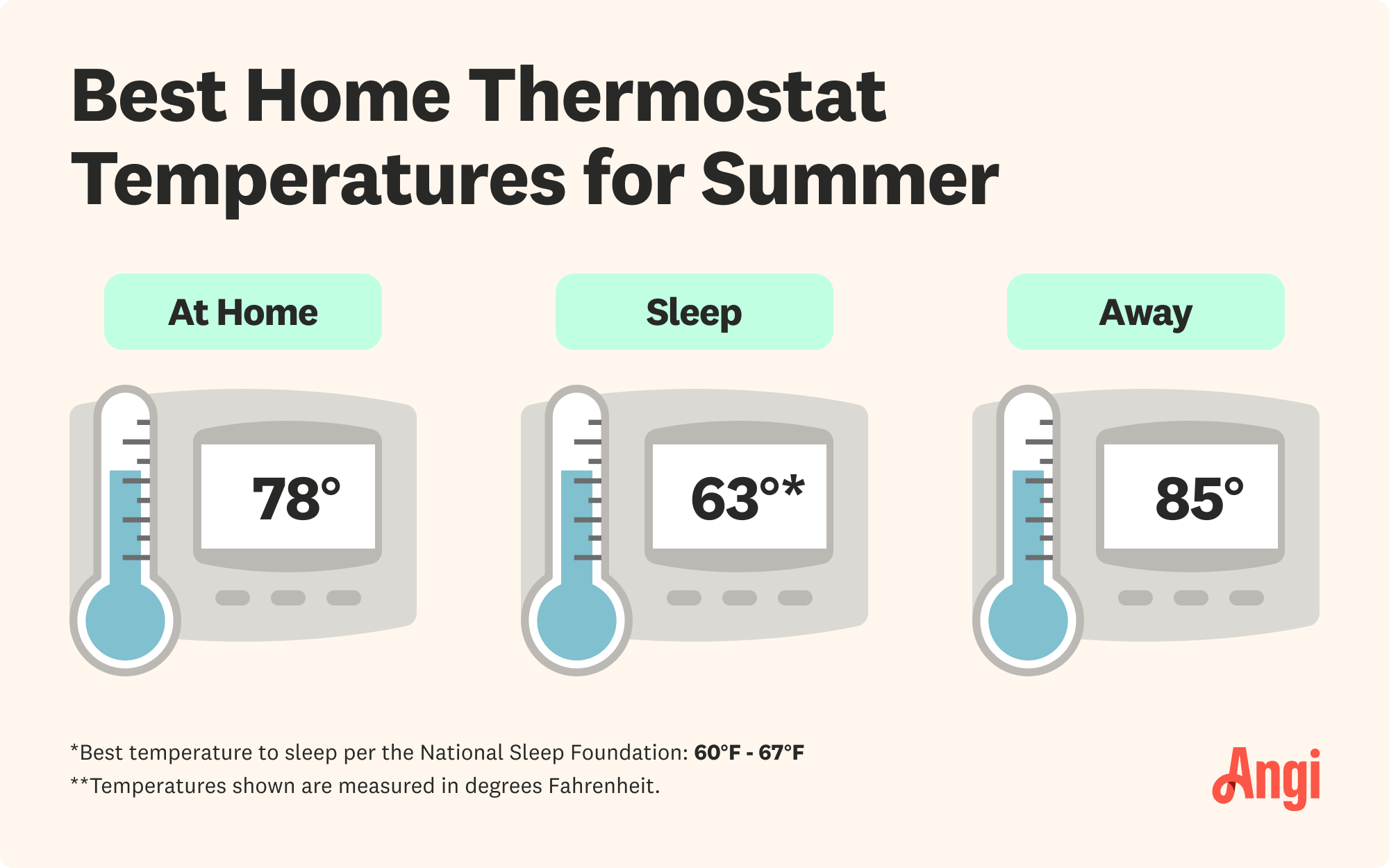
Setting your air conditioner to around 78°F (26°C)saves energy and keeps you comfortable. Each degree lower can raise energy use by about 6-8%. Balancing comfort and cost means avoiding very low temperatures.
Thermostat settings impact both your energy billsand the environment. Higher settings reduce electricity use. Lower settings cool faster but use more power. Finding a middle ground helps save money and energy.
- Programmable thermostatsadjust temperatures automatically.
- They cool less when you are not home.
- This saves energy without losing comfort.
- Easy to set and use for daily routines.
Health And Comfort Factors
Avoiding overcoolinghelps keep your body comfortable and safe. Setting the air conditioner too cold can cause chills and muscle stiffness. It also wastes energy and raises electricity bills.
Preventing dry air issuesis important. Air conditioners can remove moisture from the air, which may cause dry skin, irritated eyes, and sore throat. Using a humidifier or keeping plants indoors can help keep air moist.
| Group | Recommended Temperature (°F) | Reason |
|---|---|---|
| Children | 75-78 | Keep them warm and comfortable |
| Elderly | 74-77 | Prevent chills and health issues |
| People with Health Problems | 75-79 | Maintain stable body temperature |
Credit: www.angi.com
Seasonal Adjustments
Summer coolingworks best at around 78°F (25-26°C). This saves energy and keeps rooms comfortable. Use fans to help air flow and feel cooler without lowering the temperature.
- Close curtains to block sunlight during the day.
- Keep doors and windows shut when the AC runs.
- Use a programmable thermostat to set higher temps when away.
During shoulder seasons (spring and fall), set the AC between 75°F and 78°F. This helps maintain comfort without overcooling. Check filters and clean your system for better efficiency.
In winter, use the air conditioner’s heater if it has one. Otherwise, turn off the AC and use other heating methods. Setting the temperature near 68°F (20°C)keeps rooms warm without high bills.
Smart Thermostat Advantages
Smart thermostatslearn your temperature preferences over time. They adjust settings automatically for comfort and savings. This means less manual work and a home that feels just right.
With remote temperature control, you can change settings from anywhere. Use a phone or tablet to cool or heat your home before you arrive. Perfect for unexpected weather changes or last-minute plans.
- Track energy useto see how much power your air conditioner uses.
- Find ways to save money by adjusting settings based on real data.
- Help the environment by reducing unnecessary energy consumption.
Common Mistakes To Avoid
Setting the air conditioner too lowwastes energy and raises bills. It also strains the system, causing breakdowns faster. Keeping the temperature around 24-26°C (75-78°F)is ideal for comfort and saving energy.
Ignoring maintenancereduces the AC’s efficiency. Dirt and dust block airflow and can cause bad smells. Regular cleaning of filters and coils keeps the AC working well and lasts longer.
Blocking airflowmakes cooling uneven and forces the unit to work harder. Avoid placing furniture or curtains near vents. Keep the space around the AC clear for better air circulation.

Credit: blossomaircon.com
Frequently Asked Questions
What Is The Ideal Ac Temperature In Summer?
The ideal air conditioner temperature during summer is around 24-26°C (75-78°F). This setting balances comfort and energy efficiency. It helps reduce electricity bills while maintaining a pleasant indoor environment. Adjusting the temperature slightly can also accommodate personal preferences and external weather conditions.
How Does Temperature Affect Ac Efficiency?
Setting your air conditioner at a higher temperature improves its efficiency. It reduces the workload on the compressor, saving energy. Maintaining a consistent temperature minimizes strain on the unit. This practice prolongs the lifespan of the AC, ensuring optimal performance.
Why Is 78°f Recommended For Ac?
78°F is recommended for balancing comfort and energy savings. It reduces electricity usage while keeping indoor spaces cool. This temperature setting helps in lowering energy costs. It also minimizes environmental impact, making it a sustainable choice for homeowners.
Does Lower Ac Temperature Cool Faster?
Lowering the AC temperature doesn’t cool a room faster. It only increases energy consumption and costs. The AC works at the same speed, regardless of the set temperature. It’s more efficient to maintain a moderate temperature for consistent cooling.
Conclusion
Finding the best temperature for your air conditioner saves energy and money. Set it around 75°F for comfort and efficiency. This helps your home stay cool without using too much power. Adjust slightly based on your needs and outside weather.
Keeping a steady temperature reduces wear on your unit. Small changes can make a big difference. Stay comfortable and save with the right setting. Try it and feel the difference today.