Are you wondering what’s the best temperature to keep your air conditioner on? Setting your AC just right can make a big difference—not only in how comfortable you feel but also in your energy bills.
Too cold, and you might waste money and strain your system. Too warm, and you won’t get the relief you need from the heat. You’ll discover the ideal temperature that keeps your home cool, saves energy, and helps your air conditioner last longer.
Keep reading to find the perfect balance for your comfort and your wallet.
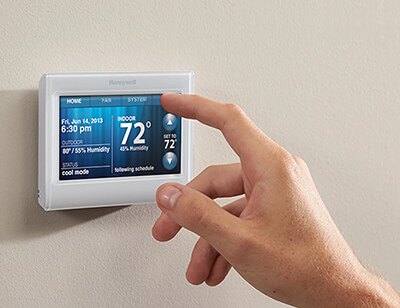
Credit: gulfshorecooling.com
Ideal Temperature Range
Setting your air conditioner to a temperature between 72°F and 78°Fbalances comfortand energy savings. Lower temperatures feel cooler but use more power. Higher settings save energy but may feel less comfy.
For comfort vs efficiency, aim for around 75°F. This keeps the room pleasant and reduces electric bills.
| Season | Recommended Temperature | Reason |
|---|---|---|
| Summer | 74°F – 78°F | Cool but saves energy |
| Spring/Fall | 76°F – 80°F | Less cooling needed, saves power |
Energy Savings Tips
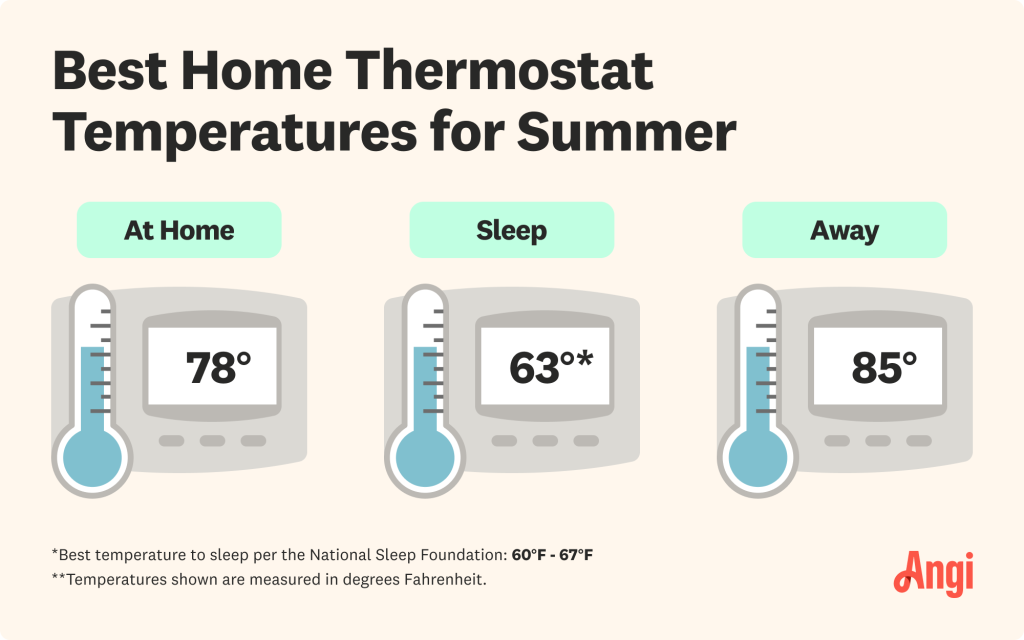
Setting your air conditioner to 78°Fis ideal for saving energy. This temperature keeps your home cool without using too much power. Each degree lower can raise energy use by about 6-8%.
Programmable thermostatshelp by adjusting the temperature automatically. They can raise the temperature when you are not home. Then cool down before you return. This saves money and keeps your home comfortable.
- Set daytime temperature to 78°For higher
- At night or when away, increase it to 85°F
- Use timers to match your schedule
- Avoid constant manual changes
Health Considerations
Avoiding overcoolinghelps protect your health. Setting the air conditioner too low can cause cold stressand dry skin. It may also lead to respiratory problems. Keeping the temperature between 75°F and 78°F (24°C to 26°C)offers comfort without risks. This range prevents muscle stiffnessand reduces chances of colds.
Humidity controlis important for indoor air quality. Air conditioners help remove excess moisture. This stops mold growthand dust mites, which can cause allergies. Ideal indoor humidity should stay between 30% and 50%. Too low humidity causes dry eyesand irritated skin. Too high humidity may worsen asthmaand allergy symptoms.

Credit: www.healthkart.com
Impact On Air Conditioner Lifespan
Setting the right temperaturehelps your air conditioner last longer. Too cold settings make the unit work harder. This wears out parts faster and uses more energy. A temperature around 24-26°C (75-78°F)is best for both comfort and AC health.
Regular maintenancekeeps the AC running smoothly. Clean or replace filters often to avoid dust buildup. Check coils and fins for dirt and damage. Proper care reduces stress on the system and extends its life.
- Clean or replace air filters every 1-2 months
- Check refrigerant levels yearly
- Inspect and clean coils and fins
- Remove debris near outdoor units
- Schedule professional service annually
Smart Thermostats And Automation
Adaptive temperature controllets your air conditioner change settings by itself. It learns your habits and adjusts the temperature for comfort and savings. This helps keep your home cool without wasting energy.
Remote monitoringallows you to check and change your AC settings from anywhere. Use your phone or tablet to set the temperature before you get home. This feature adds convenience and helps save energy by avoiding cooling an empty house.
Common Myths About Ac Temperatures
Lowering your AC temperature too muchdoes not cool your home faster. The AC cools at a steady rate. Setting it very low just wastes energy and raises your bill. The ideal temperature is usually around 24-26°C (75-78°F). This keeps the room comfortable and saves power.
Turning the AC off to save energy can backfire. The room heats up fast, so the AC works harder when turned back on. Running the AC at a steady, moderate temperature uses less energythan switching it off and on repeatedly.
- Set AC to a moderate temperature for comfort and savings.
- Lower temperature settings increase energy use without faster cooling.
- Turning AC off often makes it work harder later.
- Keep AC running steadily to reduce power consumption.
Credit: heatable.co.uk
Frequently Asked Questions
What Is The Ideal Temperature For Air Conditioner Settings?
The ideal temperature for your air conditioner is around 78°F (25-26°C). This balances comfort and energy efficiency. Setting it lower wastes energy and raises costs without improving comfort significantly.
How Does Temperature Affect Air Conditioner Energy Use?
Lowering your AC temperature increases energy consumption. Each degree below 78°F can raise electricity use by 6-8%. Keeping a moderate temperature reduces bills and environmental impact.
Can Setting Ac Too High Damage The Unit?
Setting your AC too high won’t damage it but may cause discomfort. However, extreme temperature changes can strain the system. A steady, moderate setting helps your AC run smoothly and last longer.
Why Is 78°f Recommended By Energy Experts?
Energy experts recommend 78°F because it offers a good comfort level with lower energy use. It helps reduce cooling costs while maintaining a pleasant indoor environment during summer.
Conclusion
Setting your air conditioner to around 78 degrees Fahrenheit saves energy and money. It keeps your home cool without using too much power. You feel comfortable without paying high electricity bills. Adjust the temperature slightly if needed, based on your comfort.
Remember, small changes make a big difference. Keep your AC well maintained for best results. This simple step helps your unit run efficiently. Stay cool, save money, and protect the environment at the same time.