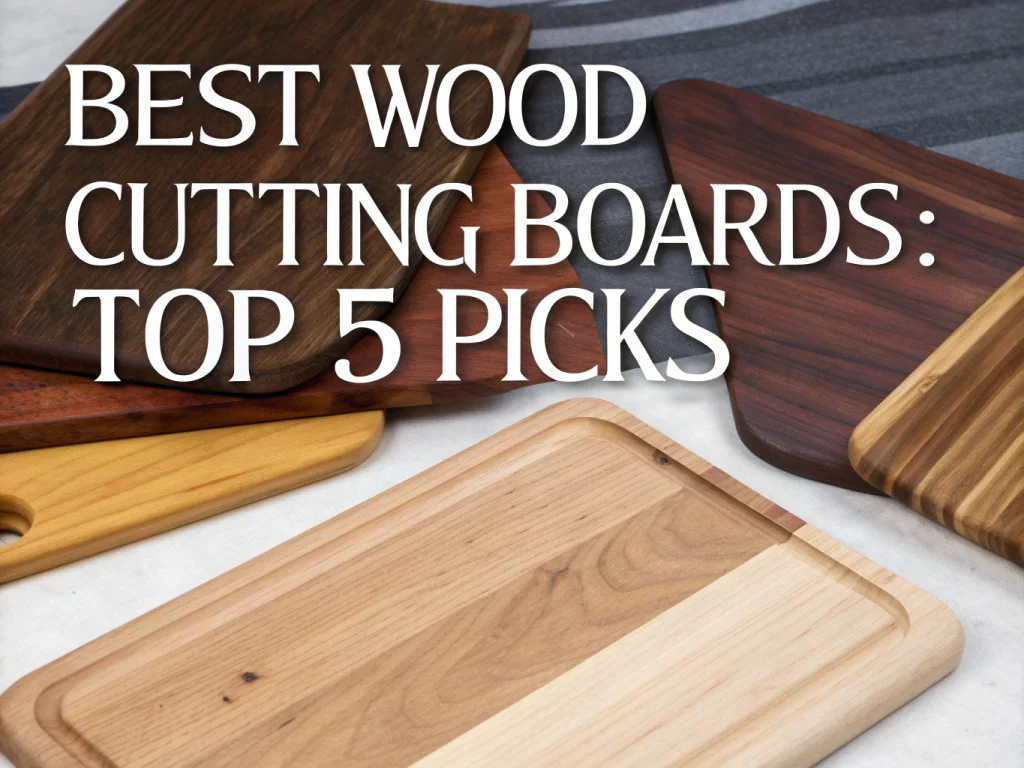
Choosing the right wood for your cutting board might seem simple, but it makes a bigger difference than you think. Your cutting board is where you prepare meals every day, so it needs to be strong, safe, and easy to care for.
But with so many types of wood out there, how do you pick the best one for your kitchen? You’ll discover which woods stand out for durability, knife-friendliness, and hygiene. By the end, you’ll know exactly what to look for to keep your board—and your knives—in top shape.
Ready to find the perfect wood for your cutting board? Let’s dive in.

Credit: oggnhome.com
Types Of Wood For Cutting Boards
Choosing the right wood is important for a cutting board. Wood affects how long the board lasts and how safe it is for food.
Some woods are strong and resist cuts. Others can be soft and get damaged easily. Let’s learn about the types of wood used.
Hardwoods Vs Softwoods
Hardwoods come from trees that lose leaves every year. Softwoods come from evergreen trees. Hardwoods are usually better for cutting boards.
Hardwoods are dense and resist knife marks. Softwoods are softer and can get cuts faster. Hardwoods also last longer and are safer for food.
- Hardwoods: oak, maple, walnut
- Softwoods: pine, cedar, fir
- Hardwoods are harder and last longer
- Softwoods are cheaper but wear out fast
Popular Wood Choices
Some woods are popular for cutting boards because they are safe and strong. These woods also look nice in kitchens.
| Wood Type | Features | Why It’s Good |
|---|---|---|
| Maple | Hard, tight grain | Resists cuts and holds shape well |
| Walnut | Hard, dark color | Strong and looks elegant |
| Cherry | Hard, smooth grain | Durable and rich color |
| Bamboo | Hard, fast growing grass | Eco-friendly and resists water |
These woods make cutting boards that last and stay safe. They also resist bacteria better than soft woods.
Factors To Consider When Choosing Wood
Choosing the right wood for a cutting board is important. It affects how long the board lasts and how safe it is.
Some woods are harder, while others need more care. Knowing what to look for helps you pick the best wood.
Durability And Hardness
Durability means how well the wood stands up to cutting and wear. Harder woods resist deep knife marks better.
Hard woods like maple and walnut last longer. Softer woods may get damaged quickly.
- Hard woods prevent deep cuts
- Durable woods resist cracking
- Hardness affects how the knife feels
Grain And Texture
Wood grain means the pattern of the wood fibers. Tight grain wood has fewer gaps and is smoother.
Closed-grain woods like cherry are better. Open-grain woods can trap food and bacteria.
- Closed grain is easier to clean
- Smooth texture protects knives
- Grain affects board appearance
Maintenance And Care
Some woods need more care. Oiling the board keeps it from drying out and cracking.
Choose wood that fits your cleaning habits. Hardwoods often need less maintenance than soft woods.
- Oil boards regularly to protect wood
- Avoid soaking boards in water
- Use mild soap for cleaning
Safety And Hygiene
Wood can be safe if it does not hold bacteria. Hard, closed-grain woods are less likely to trap germs.
Some woods have natural oils that fight bacteria. Avoid woods with toxins or strong smells.
- Choose woods that resist bacteria
- Clean boards after every use
- Replace boards with deep cuts
Top Woods For Cutting Boards In 2025
Choosing the right wood for a cutting board helps protect your knives and lasts longer. Some woods are better for hygiene and durability.
Here are the top woods to consider for cutting boards in 2025. Each has unique features and benefits.
Maple
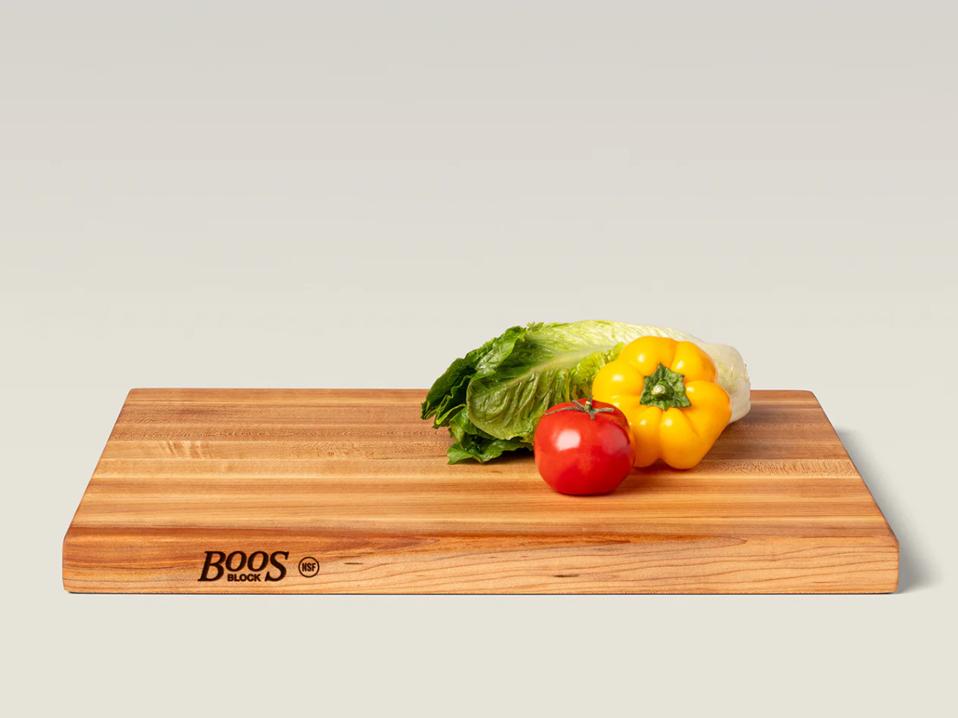
Maple is a popular choice for cutting boards. It is hard, durable, and has a fine grain that resists bacteria. Maple boards are gentle on knives.
Walnut
Walnut has a rich dark color and a smooth finish. It is strong and resists cuts well. Walnut boards look great in any kitchen.
Cherry
Cherry wood has a warm reddish tone. It is moderately hard and becomes more beautiful with age. Cherry is good for light to medium cutting tasks.
Bamboo
Bamboo is a fast-growing grass that makes eco-friendly boards. It is hard and resists water well. Bamboo cutting boards can be easy to clean and maintain.
- Resists moisture better than many hardwoods
- Lighter in weight compared to wood boards
- Can be harder on knives due to stiffness
Teak
Teak is known for its high oil content. This natural oil makes it very water-resistant. Teak boards last long and resist warping and cracking.
| Wood Type | Durability | Maintenance | Knife Friendliness |
| Maple | High | Medium | Very Good |
| Walnut | High | Medium | Good |
| Cherry | Medium | Medium | Good |
| Bamboo | High | Low | Fair |
| Teak | Very High | Low | Good |
Credit: www.forbes.com
Wood Types To Avoid
Choosing the right wood for a cutting board is important for safety and durability. Some woods can harm your health or damage easily. Avoid these types for a better kitchen experience.
This guide lists wood types you should not use for cutting boards. Learn why some woods are not safe or practical.
Toxic Woods
Some woods release chemicals that can be harmful when in contact with food. These toxic woods can cause allergic reactions or poisoning.
Examples include woods like oleander and yew. These woods are best kept away from kitchen tools.
- Oleander: Contains deadly toxins harmful to humans
- Yew: Releases toxic compounds that can contaminate food
- Laburnum: Produces poisonous substances when cut or sanded
Soft And Porous Woods
Soft woods scratch and dent easily. Their pores trap bacteria and stains, making them unsafe for cutting boards.
Examples are pine and cedar. These woods wear out fast and can harbor germs.
- Pine: Soft wood that dents and holds moisture
- Cedar: Porous and prone to absorbing liquids and smells
- Fir: Easily damaged and hard to clean thoroughly
Comparing Wood Cutting Boards With Alternatives
Choosing the right cutting board is important for your kitchen. Wood boards are popular, but other options exist.
This guide looks at plastic, composite, and synthetic boards. It helps you see how they compare to wood boards.
Plastic Boards
Plastic cutting boards are light and easy to clean. They do not absorb liquids like wood boards do.
They are often dishwasher safe and come in many colors. Some plastics can get scratched and hold bacteria.
- Affordable and widely available
- Non-porous surface resists stains
- Can warp if exposed to heat
- Scratches can harbor germs
- Best for raw meats and easy cleaning
Composite And Synthetic Boards
Composite boards blend wood fibers with resin. Synthetic boards use man-made materials like resin or plastic blends.
They offer durability and resist water better than wood. These boards are harder on knives but last longer.
- Strong and less porous than wood
- Resist cracking and warping
- Often dishwasher safe
- May dull knives faster than wood
- Good balance of hygiene and durability

Credit: woodforchef.com
Tips For Maintaining Wood Cutting Boards
Wood cutting boards need care to last a long time. Proper maintenance keeps them clean and safe for food. Simple habits help avoid cracks and stains.
Follow these tips to keep your wood cutting board in good shape. Clean it well, oil it often, and fix any damage.
Cleaning And Drying
Wash your wood board by hand with warm water and mild soap. Avoid soaking it in water. Rinse well to remove all soap.
- Use a soft sponge or cloth to clean the surface.
- Never put the board in the dishwasher.
- Dry the board immediately with a clean towel.
- Stand the board upright to air dry fully.
Oiling And Conditioning
Oiling your cutting board stops it from drying out and cracking. Use food-safe mineral oil or a special board conditioner.
| Frequency | Amount | Method |
| Monthly | 1-2 tablespoons | Rub oil evenly with a soft cloth |
| After deep cleaning | 1 tablespoon | Apply and let soak for a few hours |
| If board looks dry | As needed | Repeat oiling until wood feels smooth |
Repairing And Sanding
Fix scratches and stains by sanding the surface. Use fine-grit sandpaper and sand in the wood grain direction.
After sanding, clean the dust with a damp cloth. Let the board dry, then oil it to restore moisture.
Repeat sanding if deep cuts remain to keep the surface smooth and safe.
Frequently Asked Questions
What Wood Is Best For Cutting Boards?
Hardwoods like maple, walnut, and cherry are ideal for cutting boards. They are durable and gentle on knives. These woods have a tight grain structure, which helps resist bacteria and moisture. Choose a wood that suits your aesthetic preferences and maintenance capabilities for the best results.
Are Bamboo Cutting Boards Good?
Bamboo cutting boards are eco-friendly and cost-effective. They are harder than some hardwoods, which may dull knives faster. However, they are resistant to water and bacteria. Consider your cutting habits and maintenance willingness when choosing bamboo for your kitchen.
Why Is Maple Popular For Cutting Boards?
Maple is popular due to its durability and tight grain. It is gentle on knives and resists bacteria and moisture. Its light color complements many kitchen styles. Regular maintenance, such as oiling, can prolong its lifespan and enhance its appearance.
Is Walnut A Good Choice For Cutting Boards?
Walnut is a great choice for cutting boards. It is durable, knife-friendly, and has a beautiful dark finish. Its tight grain structure helps resist bacteria. While slightly softer than maple, it offers a unique aesthetic appeal. Regular oiling can keep it in excellent condition.
Conclusion
Choosing the right wood affects your cutting board’s life and safety. Hardwoods like maple and walnut protect knives and resist damage. They also prevent bacteria from hiding in deep cuts. Soft woods wear out quickly and may harm knives. A good cutting board feels sturdy and smooth.
Think about your budget and style too. The best wood fits your cooking habits and kitchen needs. Take care of your board with regular oiling. This keeps it strong and looking good for years. A quality wooden cutting board makes cooking easier and safer.