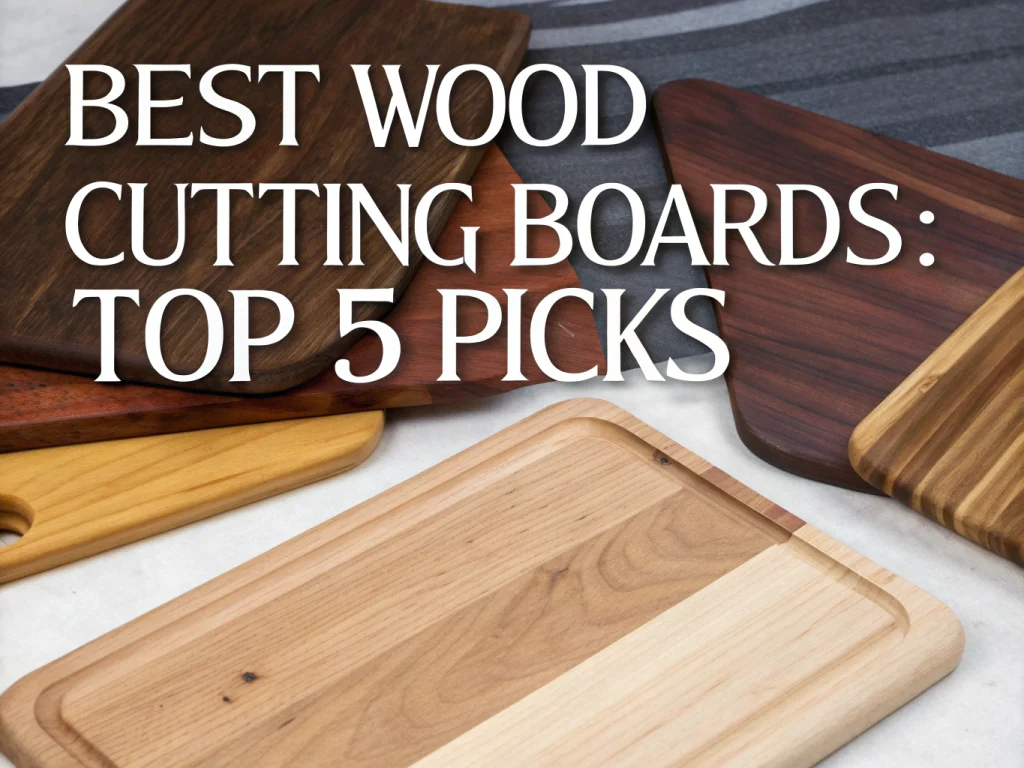
Choosing the right wood for your cutting board might seem simple, but it can make a huge difference in your kitchen. You want a board that’s durable, safe, and easy to clean.
But with so many options out there, how do you know which one is best for you? You’ll discover the top woods that combine strength, beauty, and hygiene. By the end, you’ll feel confident picking the perfect cutting board that fits your cooking style and keeps your knives sharp.
Ready to find out what wood will make your kitchen tasks easier and more enjoyable? Let’s dive in!

Credit: www.promoleaf.com
Top Qualities For Cutting Boards
Choosing the best wood for cutting boards means looking at key qualities. These qualities make the board last long and stay safe.
Wood types vary in how they handle knives, water, and germs. Knowing these qualities helps you pick the right board.
Durability
Durability means the board can handle daily use without damage. Hard woods last longer and resist dents.
Wood like maple and walnut is tough. They do not crack or warp easily, keeping the board stable.
Knife Friendliness
Knife friendliness means the wood is gentle on blades. A soft wood keeps knives sharp for longer.
Hard woods can dull knives fast. Woods like cherry offer a good balance between hardness and softness.
- Soft woods are better for knives
- Hard woods last longer but dull blades faster
- Choose wood that protects your knife edges
Maintenance Ease
Maintenance ease means the board is simple to clean and care for. Some woods absorb less water.
Woods like teak have natural oils that resist water. This lowers the chance of warping and cracking.
- Use mineral oil to keep wood healthy
- Dry boards fully after washing
- Oily woods need less frequent oiling
Resistance To Bacteria
Resistance to bacteria means the wood does not hold germs easily. Tight wood grains help reduce bacteria.
Hard woods with dense grain, like maple, stop bacteria from entering. This keeps food safe on the board.
- Choose woods with tight grain patterns
- Avoid woods that soak up water
- Clean boards regularly to reduce germs
Hardwoods That Last
Choosing the right wood is important for cutting boards. Hardwoods last longer and resist damage.
Hardwoods have tight grains. They handle chopping and washing well without cracking.
Maple
Maple is a popular choice for cutting boards. It is very hard and durable.
Its fine grain means fewer cuts and scratches show up. Maple is also gentle on knives.
Walnut
Walnut offers a rich, dark color that looks good in kitchens. It is strong and long-lasting.
Walnut has a slightly softer surface than maple. This helps protect knife edges from dulling fast.
Cherry
Cherry wood is tough and smooth. It has a warm reddish tone that deepens with use.
This wood resists deep cuts and is easy to clean. Cherry boards develop a nice patina over time.
Exotic Wood Choices
Exotic woods make unique cutting boards. They have special colors and strong textures.
These woods are often durable. They resist water and cuts well.
Teak
Teak is a rich, golden-brown wood. It is known for its natural oils.
These oils keep the wood safe from water and bacteria. It lasts a long time.
- Very strong and durable
- Resistant to moisture
- Natural antibacterial properties
Purpleheart
Purpleheart is a bright purple wood. It changes color when exposed to light.
This wood is hard and tough. It holds up well against knife marks.
- Hard and dense
- Unique purple color
- Good for heavy use
Acacia
Acacia wood has warm brown tones with unique grain patterns. It looks beautiful on any board.
It is strong and resists scratches. It also handles moisture well.
- Strong and durable
- Attractive grain patterns
- Water resistant
Softwoods To Avoid
Softwoods are not the best choice for cutting boards. They can get scratched easily and may not last long. Some softwoods also have strong smells or chemicals that are not good for food.
It is important to know which softwoods to avoid if you want a safe and durable cutting board. Below are two common softwoods to skip.
Pine
Pine is a softwood that dents and scratches quickly. It can absorb liquids and stains easily. This makes it hard to clean and can cause bacteria to grow.
Pine also contains resin that can give a sticky surface. The smell of pine may affect the taste of food placed on it. For these reasons, pine is not a good wood for cutting boards.
Cedar
Cedar is soft and can wear down fast with regular use. It may also release oils that change the flavor of food. These oils can cause allergic reactions in some people.
The wood’s softness means it will show knife marks easily. This can make the cutting board look worn and less safe over time. Avoid cedar if you want a long-lasting cutting board.
Wood Vs. Other Materials
Choosing the best material for cutting boards matters for your kitchen. Wood is a popular choice, but other materials like plastic, bamboo, and composite also work well.
This guide compares wood with these other materials. It helps you see the benefits and drawbacks of each option.
Plastic
Plastic cutting boards are lightweight and easy to clean. They are often dishwasher safe, which helps kill germs quickly.
Plastic can get cut marks easily. These marks can hold bacteria if not cleaned well. Many cooks like plastic for raw meat use because it is less likely to absorb liquids.
- Lightweight and dishwasher safe
- Can get deep cut marks
- Good for raw meat and easy cleaning
- Less natural feel compared to wood
Bamboo
Bamboo is a type of grass, not wood. It is very hard and durable. Bamboo cutting boards resist water and stains well.
Bamboo is eco-friendly because it grows fast. It is harder than many woods, which means knives can dull faster on it.
- Hard and durable material
- Water and stain resistant
- Eco-friendly and renewable
- May dull knives more quickly
Composite
Composite cutting boards mix wood fibers with resin. They look like wood but are more durable and dishwasher safe.
These boards resist warping and cracking. They are gentle on knives and easy to clean but can be heavier than plastic or bamboo.
- Made from wood fibers and resin
- Durable and dishwasher safe
- Resists warping and cracking
- Gentle on knives
- Heavier than plastic or bamboo

Credit: woodforchef.com
Care Tips For Wood Boards
Wood cutting boards need special care to stay strong and safe. Proper care stops cracks and keeps the wood clean.
Using the right cleaning and oiling methods helps your board last longer. Avoiding damage like warping is also important.
Cleaning Techniques
Clean your wood board after every use. Use warm water and mild soap to wash it by hand.
Do not soak the board or put it in the dishwasher. That can make the wood crack or warp.
- Use a soft sponge or cloth for cleaning
- Rinse well with warm water
- Dry the board with a clean towel right away
- Let it air dry standing up
Oiling And Conditioning
Oiling your wood board keeps it from drying out and cracking. Use food-safe mineral oil or beeswax.
Apply oil evenly and let it soak in. Wipe off any extra oil after a few hours or overnight.
- Oil your board once a month or more if used often
- Use a clean cloth to apply the oil
- Condition with beeswax to add extra protection
- Avoid cooking oils as they can go rancid
Avoiding Warping
Warping happens when wood dries unevenly or absorbs too much water. Keep your board flat and dry.
Store the board in a cool, dry place. Avoid leaving it near heat sources or in water for long times.
- Dry board on its side to let air flow
- Do not leave board soaking in water
- Keep away from direct sunlight or stove heat
- Rotate board use to wear it evenly

Credit: oggnhome.com
Frequently Asked Questions
What Wood Is Best For Cutting Boards?
Maple is the best wood for cutting boards. It’s durable, dense, and resistant to scratches. Maple’s tight grain structure also makes it less likely to harbor bacteria. This makes it a hygienic choice for food preparation. Additionally, its light color complements any kitchen decor.
Is Bamboo Good For Cutting Boards?
Bamboo is a popular choice for cutting boards. It’s eco-friendly and sustainable, growing faster than traditional wood. Bamboo’s hardness makes it durable, but it’s less forgiving on knife edges. Regular maintenance helps maintain its quality. Despite its hardness, bamboo is a cost-effective and green option for kitchens.
Why Choose Walnut For Cutting Boards?
Walnut is a premium choice for cutting boards. Its dark, rich color adds elegance to any kitchen. Walnut is durable and gentle on knives, minimizing dulling. Its closed-grain structure resists bacteria growth. Though pricier, walnut offers a balance of beauty and functionality.
How Does Cherry Wood Perform For Cutting Boards?
Cherry wood is favored for its beautiful, warm hue. It’s moderately hard, offering a good balance between durability and knife friendliness. Cherry’s fine grain minimizes bacteria absorption. Over time, its color deepens, adding character. With proper care, cherry boards remain a stylish, functional choice.
Conclusion
Choosing the right wood for cutting boards matters a lot. Hardwoods like maple, walnut, and cherry stand out. They resist cuts and hold up well over time. Soft woods may wear down quickly and trap bacteria. Clean your board regularly to keep it safe and fresh.
Remember, a good cutting board makes cooking easier and safer. Pick wood that fits your kitchen needs and style. Your meals will taste better with the right tools. Simple care keeps your board strong for years. Quality wood is worth the small extra cost.