Have you ever come across the joke “What’s the difference between a vacuum cleaner and a blonde?” It might have sparked a chuckle or two, but it also raises an interesting point about how humor and stereotypes intersect in our daily lives.
While the punchline might be a classic joke, it also invites us to explore how we perceive and compare everyday objects and people. We’ll delve into the nuances of this comparison, and by the end, you’ll have a fresh perspective on how humor shapes our understanding.
So, grab a cup of coffee, get comfortable, and let’s unpack this intriguing topic together.

Credit: www.abt.com
Vacuum Cleaner Basics
Vacuum cleaners are common tools in homes and workplaces. They help keep spaces clean by removing dust, dirt, and debris. Understanding how they work and the types available helps you choose the right one for your needs.
Types Of Vacuum Cleaners
- Upright vacuums: Popular for carpeted floors, easy to push.
- Canister vacuums: Lightweight, good for hard floors and stairs.
- Stick vacuums: Slim and cordless, suitable for quick cleanups.
- Robot vacuums: Automatic, perfect for daily maintenance.
- Handheld vacuums: Small and portable, ideal for tight spots.
How Vacuum Cleaners Work
A vacuum cleaner uses suction to pull in dirt and dust. Inside, a motor creates a low-pressure area. This pressure difference draws air through a nozzle or brush.
The air carries debris into a collection bag or container. Filters trap fine dust and allergens before air exits the vacuum.
Common Uses
- Cleaning carpets and rugs to remove dust and hair.
- Vacuuming hard floors like wood, tile, or laminate.
- Removing pet hair from furniture and floors.
- Cleaning car interiors and upholstery.
- Maintaining dust-free curtains and drapes.
Blonde Stereotypes
Blonde stereotypes have shaped how many people view those with light hair, often unfairly. These ideas go beyond just hair color, influencing assumptions about personality, intelligence, and behavior. Understanding where these stereotypes come from and how they affect culture helps you see the truth behind the myths.
Origins Of Blonde Myths
The roots of blonde stereotypes trace back centuries, often linked to art, literature, and early storytelling. Ancient myths sometimes portrayed blondes as innocent or pure, while other tales suggested they were naive or less intelligent.
In the 20th century, movies and media reinforced these ideas, creating lasting impressions. Have you ever wondered why blondes are often cast as the “dumb” character in films? This image wasn’t random; it was repeated so often it became a stereotype.
Cultural Impact
These stereotypes affect how blondes are treated in social and professional settings. People might underestimate their abilities or make quick judgments based on hair color alone.
In advertising, blondes are often portrayed with specific roles, like the bubbly friend or the glamorous star. This limits the full range of personality and skills people can recognize in individuals.
Think about your own experience—have you ever noticed how someone’s hair color influenced your first impression? This shows how deeply stereotypes can shape our thinking.
Reality Versus Perception
The truth is, hair color has no connection to intelligence, personality, or worth. Blondes, brunettes, redheads—all have unique traits beyond their looks.
Breaking these stereotypes starts with questioning your own assumptions. Next time you meet someone with blonde hair, focus on their actions and words, not the myths surrounding their appearance.
What if we judged people by who they are instead of how they look? That simple change can reshape your perspective and help you see people more fairly.
Comparing Key Traits
Comparing a vacuum cleaner and a blonde may seem unusual at first, but looking closely at their key traits reveals some surprising contrasts. Understanding these differences can help you appreciate how distinct objects and people serve unique roles in our lives. Let’s dive into their functionality, physical characteristics, and social roles to see what sets them apart.
Functionality And Purpose
A vacuum cleaner is designed to clean. It sucks up dirt, dust, and debris from floors and surfaces to keep your space tidy. Its sole purpose is practical and straightforward: to improve cleanliness efficiently.
On the other hand, a blonde is a person with naturally light-colored hair or someone who has dyed their hair that way. Their “functionality” is far more complex and tied to personality, culture, and individual traits. A blonde’s purpose is not defined by a single action but by their role as a person in society.
Physical Characteristics
Vacuum cleaners come in various shapes and sizes, but they share common elements like a motor, suction hose, and dust container. Most are made of plastic and metal, designed for durability and ease of use.
Blondes, meanwhile, have diverse physical features beyond just hair color. Hair color can range from platinum to golden shades, affecting their overall appearance. Unlike machines, people have unique facial features, expressions, and styles that change over time.
Social Roles
Vacuum cleaners hold a clear social role: they are household tools that help maintain hygiene. They rarely evoke emotional connections but are valued for their utility.
Blondes can experience social roles influenced by stereotypes and cultural perceptions. Some people may associate blondes with certain personality traits or social expectations, which can impact how they are treated. Have you ever noticed how a simple hair color can change others’ assumptions about you?

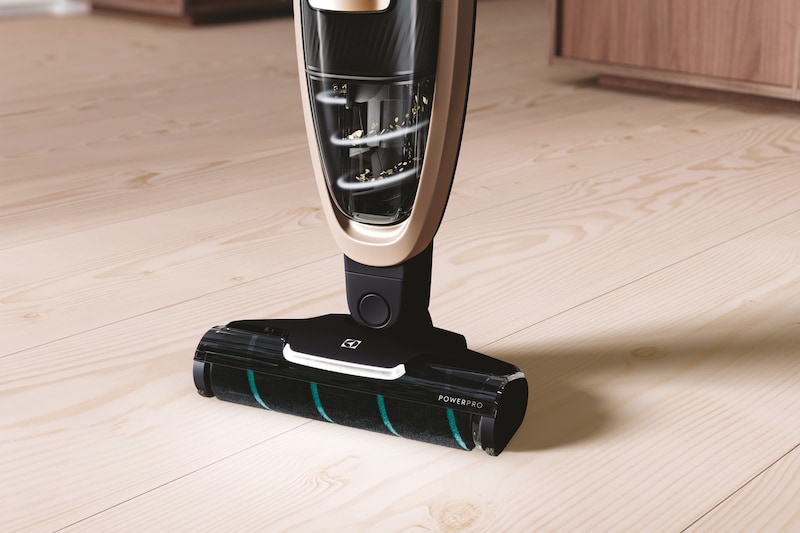
Credit: www.electrolux.com
Unexpected Similarities
At first glance, a vacuum cleaner and a blonde might seem worlds apart. But if you pause and look closer, you’ll find some surprising common ground. These unexpected similarities reveal how language, culture, and humor shape our perceptions in ways you might not have considered.
Common Misconceptions
Many people hold quick assumptions about both vacuum cleaners and blondes. Vacuum cleaners are often seen as noisy or bulky, while blondes face stereotypes about intelligence or personality. These misconceptions oversimplify complex realities and ignore individual differences.
Think about the last time you judged a vacuum by its size or a person by their hair color. Did that judgment hold true? Challenging these common misconceptions can open your mind to a richer understanding.
Humor And Language
Humor plays a big role in how both vacuum cleaners and blondes are talked about. Jokes often rely on exaggeration or stereotypes, which can be funny but sometimes misleading. You might laugh at a blonde joke or a vacuum cleaner’s “sucking” power, but ask yourself—what does that really say?
Language shapes how you think about everyday objects and people. The same word can carry different meanings depending on context. This overlap in humor and language use shows how deeply connected our ideas really are.
Pop Culture References
Pop culture loves to link blondes and vacuum cleaners in unexpected ways. From cartoons to commercials, you’ll find playful comparisons and visual gags. These references often highlight traits like energy, brightness, or even “cleaning up” a situation.
Consider how these portrayals influence your views. Do they reinforce stereotypes or encourage you to see things differently? Pop culture can be a mirror reflecting societal attitudes, but it can also be a tool for change if you choose to question it.
Breaking The Myths
Many people confuse a vacuum cleaner and a blonde, often leading to stereotypes and misconceptions. It’s time to break these myths and look at the truth behind these ideas. Understanding the differences helps you see beyond common jokes and assumptions.
Scientific Facts
A vacuum cleaner is a machine designed to suck up dirt and dust using suction power. Its function is purely mechanical and based on physics principles like airflow and pressure.
On the other hand, being blonde refers to a hair color caused by low levels of melanin. This is a genetic trait influenced by specific genes, not linked to intelligence or personality.
Do you realize how often we confuse physical objects with human traits? It’s important to separate facts from false ideas rooted in bias.
Changing Perspectives
People used to associate blondes with negative stereotypes, but those views have changed. Society now understands that hair color does not define someone’s abilities or character.
Similarly, vacuum cleaners have evolved with technology, becoming smarter and more efficient. Both show how initial impressions can be outdated or wrong.
What if you challenged your own assumptions about appearances and objects? Shifting your perspective opens doors to fairer judgments.
Empowering Narratives
Blondes today are celebrated for their diversity and strength, proving stereotypes wrong every day. Sharing positive stories can empower individuals and communities.
Vacuum cleaners, once seen as simple tools, now represent innovation and convenience in homes worldwide. They symbolize progress rather than just cleaning devices.
How can you use your voice to support accurate and respectful narratives? Empowerment starts with the stories you choose to believe and share.

Credit: www.electrolux.com
Frequently Asked Questions
What Is A Vacuum Cleaner Used For?
A vacuum cleaner is a device designed to remove dust, dirt, and debris from floors and surfaces. It uses suction to clean efficiently, improving indoor hygiene and air quality in homes and offices.
How Is A Blonde Different From A Vacuum Cleaner?
A blonde refers to a hair color, typically light yellow or golden. It is a physical characteristic, unlike a vacuum cleaner, which is an electrical cleaning tool.
Can A Vacuum Cleaner Clean Hair Like A Blonde?
No, a vacuum cleaner removes hair strands but cannot replicate or affect hair color or texture like a blonde person.
Why Compare A Vacuum Cleaner And A Blonde?
The comparison is usually humorous or metaphorical, highlighting their vastly different natures—one is an appliance, the other a hair color or person.
Conclusion
A vacuum cleaner and a blonde are very different things. One cleans floors by sucking up dirt and dust. The other is a person with light hair. Confusing the two shows how important words and context are. Each has its own meaning and use.
Knowing this helps avoid mistakes in speech and writing. It also makes conversations clearer and more fun. Simple differences can teach us about language and life. Remember, words matter, but so does understanding. Keep learning and enjoy the small surprises language offers.