Have you ever wondered what exactly sets fertilizer apart from plant food? If you’re passionate about growing healthy plants, knowing the difference can make a big impact on your garden’s success.
You might think they’re the same, but understanding how each one works will help you give your plants exactly what they need to thrive. Keep reading, and you’ll discover simple tips that can transform your gardening routine and boost your plant’s growth like never before.
Fertilizer Basics
Many people use the words fertilizer and plant food like they mean the same thing. They are different, but both help plants grow. Understanding what each one does can help you choose the right product for your garden.
Fertilizers add nutrients to the soil. Plant food usually means natural or organic materials that feed plants. Let’s learn the basics about fertilizers and how they work.
Types Of Fertilizers
Fertilizers come in many forms. They can be natural or synthetic. Some are dry powders, others are liquids. Each type works in a different way to help plants grow.
- Organic fertilizers come from plants or animals.
- Inorganic fertilizers are made from chemicals.
- Slow-release fertilizers feed plants over time.
- Water-soluble fertilizers dissolve quickly for fast feeding.
How Fertilizers Work
Fertilizers supply nutrients that plants need. These nutrients help roots, leaves, and flowers grow strong. Fertilizers improve the soil to hold more nutrients and water.
When you apply fertilizer, plants absorb the nutrients through their roots. The nutrients then help plants make food through photosynthesis and build healthy tissues.
Common Ingredients
Fertilizers contain key nutrients that plants need. These nutrients are called macronutrients. They help plants grow leaves, stems, and fruits.
- Nitrogen (N) helps plants grow green leaves.
- Phosphorus (P) helps roots and flowers develop.
- Potassium (K) strengthens plant health and disease resistance.
- Other ingredients include calcium, magnesium, and sulfur.

Credit: fertilizerproductionline.org
Plant Food Explained
Plants need food to grow healthy and strong. Plant food is different from fertilizer.
This article explains what plant food is and where it comes from.
Natural Plant Nutrients
Plants get nutrients from soil, water, and air. These nutrients help plants build leaves, roots, and flowers.
- Nitrogen helps plants grow green leaves.
- Phosphorus helps make strong roots and flowers.
- Potassium helps plants resist diseases and stay healthy.
- Calcium builds strong cell walls.
- Magnesium helps with photosynthesis.
- Sulfur helps create proteins.
Role In Plant Growth
Plant food provides energy and building blocks for growth. Without it, plants cannot develop properly.
| Plant Food Role | Effect on Plant |
| Energy Source | Supports cell functions and growth |
| Building Material | Creates leaves, stems, and roots |
| Health Support | Improves resistance to stress and disease |
Sources Of Plant Food
Plants get food from natural sources and added fertilizers. Natural sources come from the environment.
- Sunlight provides energy for photosynthesis.
- Carbon dioxide from air supplies carbon.
- Water carries minerals from soil.
- Organic matter breaks down and adds nutrients to soil.
- Microorganisms help release nutrients for plant use.
Key Differences
Fertilizer and plant food both help plants grow well. But they are not the same thing.
Understanding their differences can improve your gardening skills.
Composition Contrast
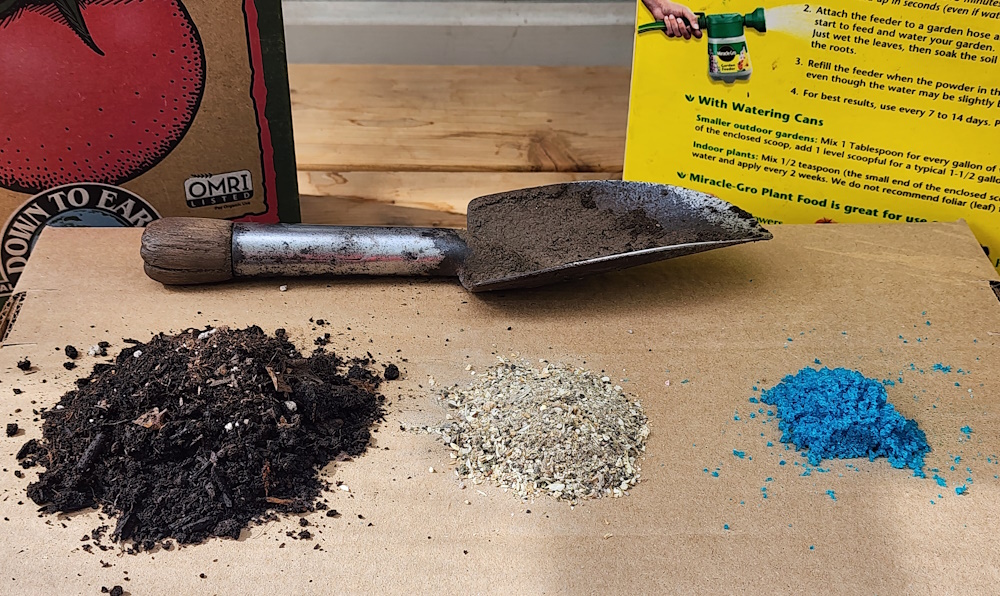
Fertilizers contain chemicals that boost plant growth. Plant food consists of natural nutrients.
| Fertilizer | Plant Food |
| Synthetic chemicals | Natural nutrients |
| Fast release | Slow release |
Application Methods
Fertilizers and plant food have different application methods. Knowing these helps your plants thrive.
- Fertilizers are often applied as granules or liquid.
- Plant food is usually mixed into the soil or water.
- Follow package instructions carefully for best results.
Impact On Soil Health
How fertilizers and plant food affect soil health varies greatly. Fertilizers can sometimes harm soil over time.
Choosing the right product helps maintain healthy soil for your garden.
Credit: thecoeurdalenecoop.com
Choosing What To Use
Fertilizer and plant food both help plants grow. They are not the same thing. Knowing which one to use can help your plants stay healthy.
This guide explains the difference. It helps you decide when to use fertilizer or plant food for your plants.
Factors To Consider
Check the soil before adding anything to plants. Different plants need different nutrients. Some soils already have enough nutrients.
Look at the type of plants you grow. Some plants need more nutrients than others. Also, consider how fast your plants grow.
- Soil nutrient levels
- Plant type and growth stage
- Season and weather conditions
- Plant health and appearance
When To Use Fertilizer
Use fertilizer if the soil lacks nutrients. Fertilizers add key minerals that plants need to grow strong. They help fix nutrient shortages.
Fertilizer is good for plants that grow fast or need extra care. It supports big harvests and healthy flowers or fruits.
- Soil test shows low nutrient levels
- Plants show slow growth or yellow leaves
- Growing fruit, vegetables, or heavy feeders
- Preparing soil before planting
When Plant Food Suffices
Plant food usually means a balanced mix of nutrients in a liquid or ready-to-use form. It works well for houseplants and small gardens.
Use plant food when your plants look healthy and soil is good. It gives a mild nutrient boost without changing soil chemistry.
- Plants are healthy and growing steadily
- Soil has enough nutrients from past fertilizing
- Indoor plants or small container gardens
- Regular maintenance feeding during growing season
Environmental Effects
Fertilizers and plant food help plants grow. They add nutrients to the soil. But they can also affect the environment in different ways.
Understanding their impact helps us protect nature. This section looks at how each affects the environment.
Fertilizer Runoff Concerns
Fertilizers can wash away with rain or irrigation. This runoff can pollute rivers and lakes. It causes algae to grow fast, which harms fish and water quality.
Runoff also wastes money and nutrients. It can make soil less healthy over time.
- Pollutes water bodies
- Causes harmful algae blooms
- Harms aquatic life
- Reduces soil fertility
Sustainability Of Plant Food
Plant food is often made from natural ingredients. It supports long-term soil health. It releases nutrients slowly, reducing waste and pollution.
Using plant food can lower the need for chemical fertilizers. This helps keep the environment cleaner and soil healthier.
- Made from organic or natural materials
- Improves soil structure
- Reduces chemical use
- Supports healthy ecosystems
Best Practices For Use
Use fertilizers and plant food carefully to protect the environment. Apply only the needed amount and at the right time. Avoid spreading before heavy rain.
Test your soil to know what nutrients it needs. Choose products that fit your plants and soil type. This helps reduce pollution and saves money.
- Test soil before applying
- Use the correct amount
- Apply during dry weather
- Choose natural plant food when possible
- Follow product instructions closely

Credit: www.reddit.com
Frequently Asked Questions
What Is The Main Difference Between Fertilizer And Plant Food?
Fertilizer is a manufactured product supplying specific nutrients. Plant food refers to any substance that nourishes plants, including natural sources. Fertilizer focuses on nutrient replacement, while plant food covers a broader range of nourishing materials.
How Does Fertilizer Benefit Plant Growth?
Fertilizer provides essential nutrients like nitrogen, phosphorus, and potassium. These nutrients support healthy root development, leaf growth, and flowering. Fertilizers improve soil fertility and boost plant productivity efficiently.
Can Plant Food Include Organic Materials?
Yes, plant food can be organic or synthetic. Organic plant food includes compost, manure, and natural amendments. These materials enrich the soil naturally and promote long-term soil health.
Are Fertilizers Necessary For All Plants?
Not always. Some plants thrive in nutrient-rich soil without added fertilizers. However, many benefit from fertilizers to replace lost nutrients and maximize growth, especially in poor soils.
Conclusion
Fertilizer and plant food both help plants grow well. Fertilizer adds nutrients to the soil. Plant food usually means what plants make inside themselves. Knowing the difference helps you care for plants better. Use fertilizer to keep soil healthy and strong.
Healthy soil means healthy plants. Choose the right product for your garden’s needs. This simple knowledge can improve your gardening results. Keep plants happy and growing with proper care. Understanding these terms makes gardening easier and more fun.