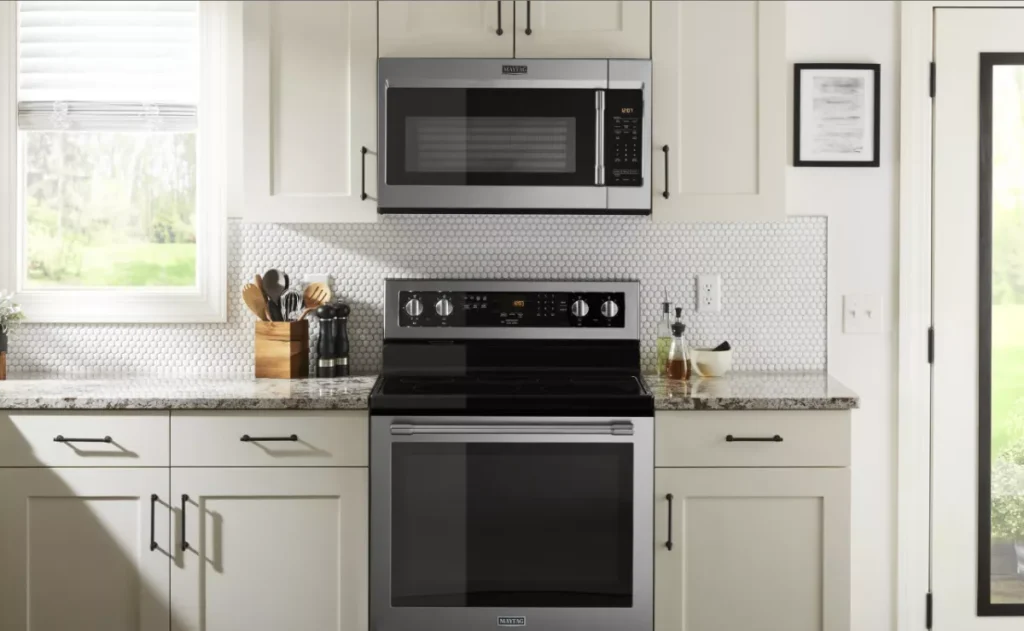
Are you confused about when to use a microwave versus an oven? You’re not alone.
Both kitchen appliances seem similar but work in very different ways. Knowing the difference can save you time, improve your cooking, and even keep your meals healthier. You’ll discover exactly how microwaves and ovens operate, when each one is best to use, and tips to get the most out of both.
By the end, you’ll feel confident choosing the right tool for your cooking needs every single time. Keep reading to unlock the secrets behind these two essential kitchen helpers.
Microwave Basics
Understanding how a microwave works can be fascinating. It uses electromagnetic waves to heat food quickly. This kitchen device is essential for many households today. It offers convenience and speed unmatched by traditional cooking methods.
How Microwaves Work
Microwaves use electromagnetic radiation. They target water molecules in food. This causes the molecules to vibrate. Vibration generates heat, cooking the food from the inside. The process is fast and efficient.
Common Uses
Microwaves are versatile in the kitchen. They reheat leftovers in minutes. They can defrost frozen items quickly. Many people use them for simple cooking tasks. Popcorn, baked potatoes, and steamed vegetables are common dishes.
Advantages
Microwaves save time. They are energy efficient. Less energy is used compared to ovens. They preserve nutrients in food better. This makes them a healthy cooking option. They are also safe and easy to use.
Oven Essentials
Ovens are essential kitchen tools for cooking and baking. They use heat to prepare food evenly and thoroughly. Understanding how ovens work and their types helps in choosing the right one for your needs. Ovens offer different benefits compared to microwaves, making them a staple in many homes.
How Ovens Operate
Ovens cook food by surrounding it with hot air. This heat comes from electric coils or gas burners. The air inside the oven gets hot and cooks the food slowly and evenly. This method helps in browning and crisping the outside of dishes. Most ovens have a thermostat to control the temperature precisely.
Popular Oven Types
- Conventional Ovens: Use heating elements at the top and bottom.
- Convection Ovens: Include a fan to circulate hot air for faster cooking.
- Gas Ovens: Use natural gas or propane as fuel for heating.
- Electric Ovens: Powered by electricity with heating coils.
- Toaster Ovens: Compact and used for small baking or toasting tasks.
Benefits Of Using Ovens
- Even cooking ensures food is done throughout.
- Better flavor and texture, especially for baked goods.
- Ability to cook a wide variety of dishes.
- Can cook large meals, ideal for families or gatherings.
- Allows slow cooking for tender and juicy results.
Heating Methods Compared
Heating food is a daily task in many kitchens. Microwaves and ovens use very different ways to warm up meals. Understanding these differences helps you choose the right appliance for your cooking needs. The way heat is applied affects cooking time, food quality, and energy use.
Microwave Radiation Vs. Conventional Heat
Microwaves use electromagnetic waves to heat food. These waves make water molecules inside the food move quickly. This movement creates heat that cooks the food from the inside out.
Ovens use conventional heat sources like electric coils or gas flames. They heat the air around the food. This hot air cooks the food from the outside in, often giving a browned or crispy surface.
Speed And Efficiency Differences
Microwaves cook food much faster than ovens. The energy goes directly into the food, not the air or container. This makes microwaves very efficient for reheating or cooking small portions.
Ovens take longer because they heat the air first. This process uses more energy and time. Ovens work better for large meals or dishes that need slow, even cooking.
Impact On Food Texture And Flavor
Microwaves can leave food soft or sometimes soggy. They do not create a crispy crust or browned surface. This can affect the taste and texture of baked or fried foods.
Ovens produce a firmer texture and richer flavor. The dry heat caramelizes sugars and browns proteins. This adds crunch and deeper taste to many dishes.
Cooking Capabilities
Understanding the cooking capabilities of microwaves and ovens can help you decide which appliance fits your kitchen needs. Each device has unique strengths that affect how your food turns out. Let’s look closely at what dishes work best in each and where they might fall short.
Best Foods For Microwaves
Microwaves excel at quick heating and simple cooking tasks. They are great for reheating leftovers, steaming vegetables, and cooking microwave-friendly meals like instant soups or popcorn.
If you need to defrost frozen meat or soften butter fast, the microwave is your go-to. It’s also perfect for melting chocolate or cheese without burning.
However, microwaves don’t brown or crisp food. So, if you want crunchy textures, this appliance might leave you disappointed.
Ideal Oven Dishes
Ovens shine when you want to bake, roast, or grill. They create even heat that crisps skin and caramelizes sugars, making them perfect for roasting chicken, baking bread, or cooking casseroles.
Ovens also allow for slow cooking, which helps develop rich flavors in stews and roasts. If you enjoy baking cookies or pizza with a golden crust, the oven is your best choice.
While ovens take longer to preheat and cook, the results often justify the wait.
Limitations Of Each Appliance
Microwaves can’t produce crispy or browned food, which limits their use for many traditional recipes. They also don’t cook food evenly if you overload them or use inappropriate containers.
Ovens, on the other hand, use more energy and require more time to cook. If you’re in a hurry, waiting for an oven to heat up can be frustrating.
Have you ever tried baking a pizza in a microwave and ended up with a soggy base? That’s a common example of the microwave’s limits.
Thinking about what you cook most often can help you choose the right appliance or decide if you need both for your kitchen.
Energy Consumption
Energy consumption plays a key role in choosing between a microwave and an oven. Understanding how much power each appliance uses helps save on electricity bills. It also shows which device suits daily cooking habits better.
Power Usage Of Microwaves
Microwaves use electricity to create microwaves that heat food quickly. Typical power ranges from 600 to 1200 watts. They run for a short time, usually a few minutes per use. This short run time means microwaves often use less total energy than ovens for small meals.
Energy Needs Of Ovens
Ovens heat food by warming the air inside a closed space. They usually require 2000 to 5000 watts. Ovens take longer to cook food, sometimes up to an hour. Longer cooking times and higher wattage make ovens use more energy overall.
Cost Implications
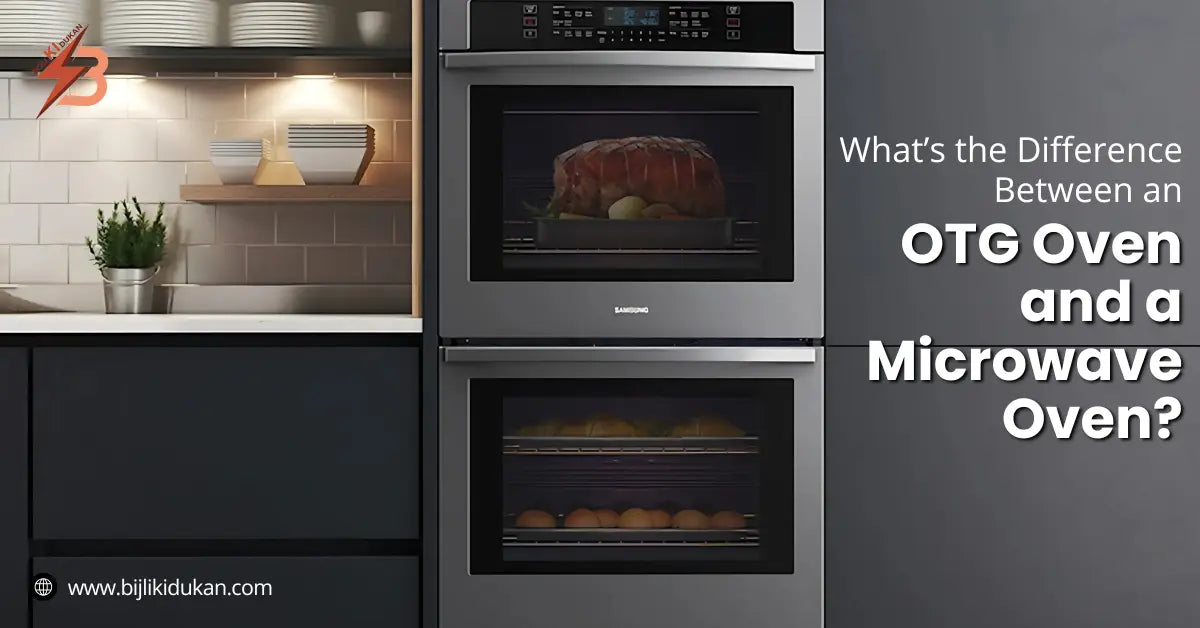
Using less energy means lower electricity bills. Microwaves cost less to run due to short cooking time. Ovens cost more because they use more power and run longer. Choosing the right appliance can reduce monthly energy expenses significantly.
Credit: www.bijlikidukan.com
Safety Considerations
Safety is a top priority when using kitchen appliances like microwaves and ovens. Both devices have unique risks that you need to understand to keep your cooking space secure. Knowing these safety considerations helps you avoid accidents and maintain your appliances in good condition.
Microwave Safety Tips
Never use metal containers or aluminum foil inside your microwave. They can cause sparks and damage the appliance.
Always use microwave-safe dishes to avoid harmful chemicals leaching into your food. Check labels if you’re unsure.
Keep the microwave door seal clean and intact. A damaged seal can leak microwaves, which is unsafe.
Be cautious when removing heated food or liquids. They can be hotter than expected and cause burns.
Oven Safety Practices
Use oven mitts or gloves to protect your hands when handling hot trays or racks. It’s easy to forget, but burns happen fast.
Make sure your oven is properly ventilated to avoid buildup of heat or smoke. Poor ventilation can trigger fire alarms or worse.
Never leave your oven unattended while cooking foods that can splatter or boil over. This prevents fires and messy cleanups.
Regularly check and clean your oven to remove grease and food residue, which can ignite.
Common Hazards
- Fire Risk:Both microwaves and ovens can cause fires if used improperly. Keep flammable materials away.
- Burns:Hot surfaces and heated containers are common causes of burns. Always handle with care.
- Electrical Issues:Faulty wiring or damaged cords in either appliance can lead to shocks or malfunctions.
- Food Safety:Uneven heating in microwaves or incorrect oven temperatures can leave food undercooked, risking illness.
How confident do you feel about the safety of your kitchen appliances right now? Taking a moment to review these tips could save you from a serious accident.
Choosing Between Microwave And Oven
Deciding between a microwave and an oven can feel tricky, especially when both have their own perks. Your choice depends on what fits best with your lifestyle and kitchen setup. Let’s break down the key points that can help you make an informed decision.
Factors To Consider
Think about what you usually cook. Microwaves excel at reheating and quick meals, while ovens are better for baking, roasting, and more complex dishes.
How much time do you spend cooking? If speed is your priority, a microwave saves time. But if you enjoy slow cooking or baking, an oven offers more control over texture and flavor.
Also consider energy use. Microwaves generally consume less energy for short tasks, which might help lower your bills.
Space And Budget
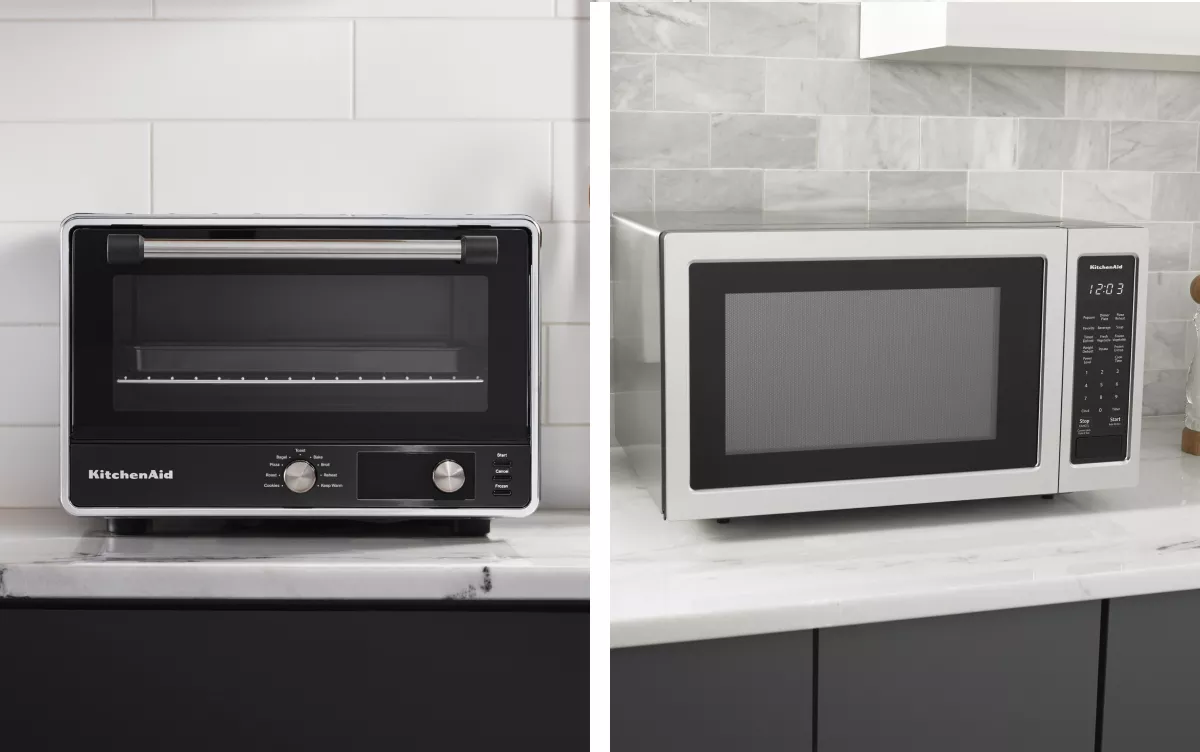
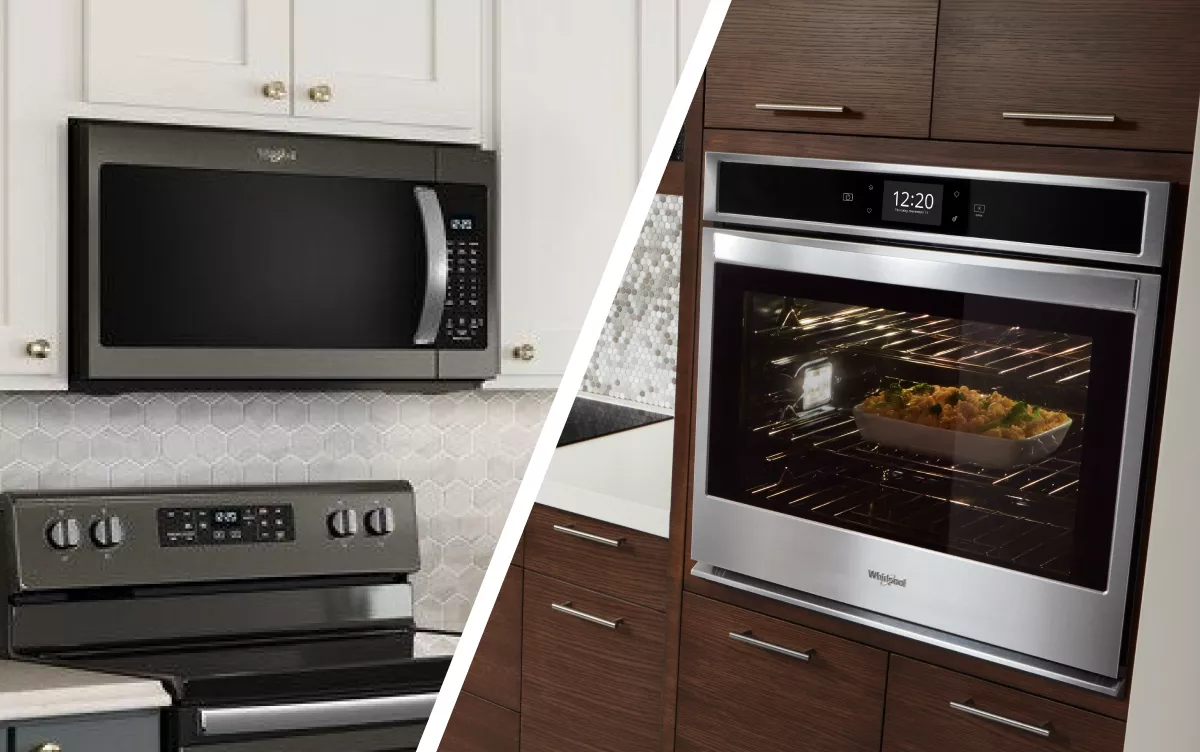
Kitchen space plays a big role. Microwaves are compact and fit easily on countertops or shelves. Ovens require more room and sometimes built-in installation.
On budget, microwaves typically cost less upfront and are cheaper to run. Ovens are an investment but can handle larger meals and multiple dishes at once.
If you live in a small apartment or have a tight budget, a microwave might be the practical choice. For bigger families or those who cook often, an oven could be worth the extra space and cost.
Personal Cooking Habits
Do you enjoy experimenting with recipes or stick to simple meals? Ovens give you the flexibility to try baking, roasting, and broiling, expanding your culinary options.
Microwaves are great for reheating leftovers and making quick snacks. If you often grab convenience foods or need fast meal prep, this might suit your routine.
Ask yourself: How often do you bake bread or roast vegetables? Your answer can guide whether an oven or microwave fits your cooking style better.
Credit: www.kitchenaid.com
Credit: www.whirlpool.com
Frequently Asked Questions
What Is The Main Difference Between Microwave And Oven?
Microwaves cook food using electromagnetic waves, heating water molecules quickly. Ovens use radiant heat, cooking food evenly over time. Microwaves are faster, while ovens provide better texture and browning.
Which Appliance Is Better For Baking, Microwave Or Oven?
Ovens are better for baking because they provide even heat and consistent temperature. Microwaves cannot brown or crisp food, limiting baking quality.
Can A Microwave Replace An Oven In Cooking?
A microwave cannot fully replace an oven. Microwaves are great for reheating and quick cooking, but ovens excel in roasting, baking, and browning.
How Do Cooking Times Differ Between Microwave And Oven?
Microwaves cook food much faster by heating water molecules directly. Ovens take longer as heat surrounds food and cooks it slowly and evenly.
Conclusion
Microwaves heat food quickly using waves. Ovens cook food slowly with hot air. Each has its own best use. Microwaves suit reheating and simple meals. Ovens work well for baking and roasting. Knowing their differences helps you choose right. Use each tool to save time and get great results.
Simple and smart cooking starts here.