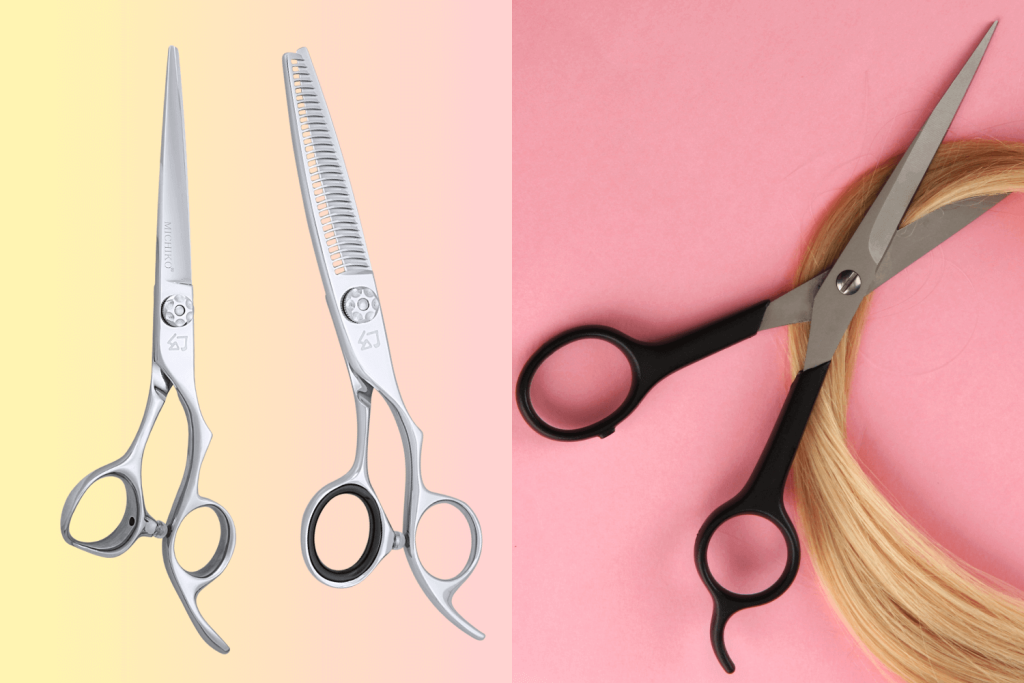
Have you ever stood in front of a drawer full of cutting tools and wondered, “What’s the difference between scissors and shears?” You’re not alone. At first glance, they might look the same, but knowing the key differences can save you time and make your cutting tasks much easier.
Whether you’re crafting, sewing, or just handling everyday chores, choosing the right tool can change everything. Keep reading, and you’ll discover exactly what sets scissors and shears apart—and how to pick the perfect one for your needs.
Scissors Basics
Scissors and shears are tools used to cut different materials. They look similar but have key differences.
Understanding scissors helps you choose the right tool for your task.
Design And Structure
Scissors usually have shorter blades and smaller handles. They are balanced for light cutting tasks.
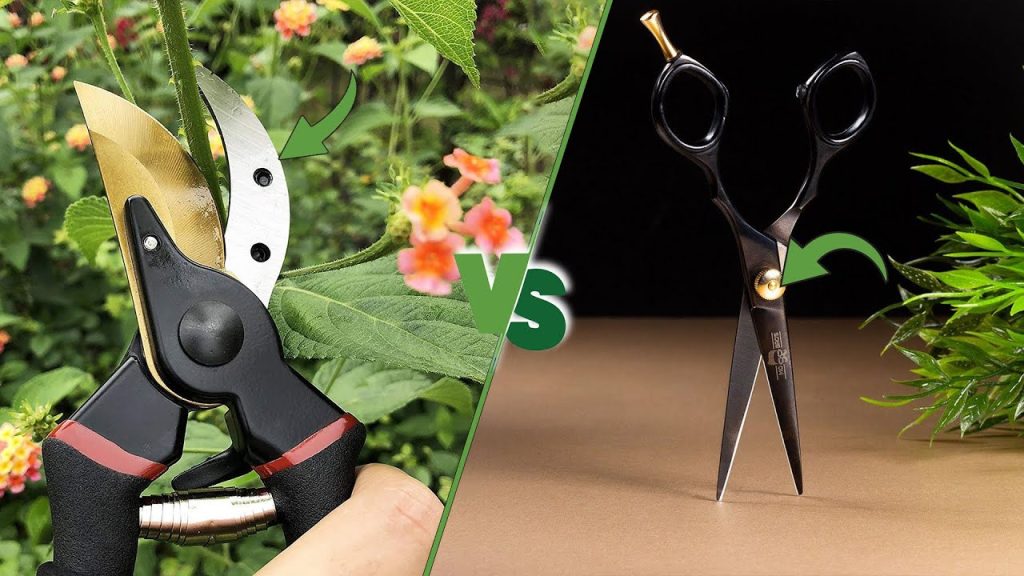
Shears have longer blades and bigger handles. They often have one handle bigger for better grip and power.
- Scissors: equal blade length and handle size
- Shears: longer blades and larger handles
- Shears provide more cutting force
Common Uses
Scissors are good for small cutting jobs like paper or fabric. They work well for everyday use.
Shears are used for heavier materials like thick fabric, leather, or metal. They give more power and control.
- Scissors: cutting paper, thin fabric, hair
- Shears: cutting thick fabric, leather, cardboard
- Shears are common in sewing and craft work
Credit: leafyease.com
Shears Basics
Shears are cutting tools used in various tasks. They are larger and stronger than scissors.
Understanding shears helps in selecting the right tool for specific jobs. Let’s explore their design and uses.
Design And Structure
Shears have a unique design that sets them apart from scissors. They are built for tougher tasks.
- Shears have longer blades.
- They include larger handles for better grip.
- Their structure is robust for heavy-duty cutting.
Common Uses
Shears are versatile tools used in many fields. Their design suits different cutting needs.
| Use | Description |
| Gardening | Trimming plants and hedges |
| Tailoring | Cutting fabrics with precision |
| Kitchen | Preparing food items |
Key Differences
Scissors and shears look alike but have distinct features. Knowing their key differences helps in choosing the right tool.
This guide explains the main differences in blade size and shape, handle design, and cutting capability.
Blade Size And Shape
Scissors usually have shorter blades that are straight and pointed. Shears have longer blades that may be curved or angled.
- Scissors blades are typically 2 to 4 inches long.
- Shears blades can be 4 to 10 inches long.
- Shears blades often have a bent shape for better leverage.
Handle Design
Scissors have symmetrical handles that fit both hands equally. Shears have one larger handle to provide more control and power.
| Feature | Scissors | Shears |
| Handle Size | Equal-sized loops | One large, one small loop |
| Comfort | Good for light tasks | Designed for heavy or repeated use |
| Hand Use | Ambidextrous | Usually right or left hand specific |
Cutting Capability
Scissors are meant for cutting thin materials like paper or fabric. Shears can cut thicker and tougher materials.
- Scissors work best for light, precise cuts.
- Shears handle heavy-duty cutting such as leather or metal.
- Shears provide more force due to longer blades and bigger handles.

Credit: www.threadsmagazine.com
Material And Build
Scissors and shears look similar but differ in material and build. These differences affect how they cut and last over time.
Knowing what metals are used and how durable each tool is helps you pick the right one for your task.
Types Of Metals Used
Scissors and shears use different metals for their blades and handles. The choice of metal affects sharpness and strength.
Stainless steel is common in both scissors and shears. It resists rust and keeps edges sharp longer. Carbon steel is sharper but may rust without care. Some shears use high-carbon steel for strong cutting power.
- Stainless Steel:Rust-resistant, good for everyday use
- Carbon Steel:Very sharp, needs more maintenance
- High-Carbon Steel:Extra strong, used in heavy-duty shears
- Aluminum Handles:Lightweight, common in scissors
- Steel Handles:Strong and durable, often in shears
Durability Factors
The build quality and materials determine how long scissors and shears last. Shears often have stronger joints and thicker blades.
Durability also depends on the blade design and how well the metal resists wear. Shears are made for tougher jobs, so they use thicker metal and stronger rivets.
- Blade Thickness:Thicker blades last longer under pressure
- Joint Strength:Strong rivets prevent loosening over time
- Metal Hardness:Hard metals resist dents and keep edges sharp
- Handle Construction:Sturdy handles reduce breakage
- Maintenance:Proper care extends tool life
Choosing The Right Tool
Scissors and shears look similar but serve different purposes. Picking the right one helps you work better and safer.
Understanding their uses lets you choose the tool that fits your task well. This choice improves your results and comfort.
Task Requirements
Scissors usually cut light materials like paper and fabric. Shears are stronger and cut thick materials like leather or metal.
Choose scissors for small, precise cuts and shears for heavy-duty jobs. This prevents damage to your tools and materials.
- Scissors: thin paper, cloth, hair trimming
- Shears: leather, cardboard, heavy fabric, metal
- Scissors: detail work and light cutting
- Shears: large cuts and tougher materials
Ergonomics And Comfort
Shears often have bigger handles to reduce hand strain. Scissors have smaller grips for quick, simple tasks.
Pick tools that fit your hand size and feel comfortable. This helps you avoid pain during long use.
- Shears: larger handles, padded grips, less hand fatigue
- Scissors: smaller grips, lighter weight, easy control
- Choose based on how long you will use the tool
- Comfort reduces risk of injury and improves accuracy

Credit: shihanshears.com
Maintenance Tips
Scissors and shears need regular care to work well. Good maintenance keeps them sharp and safe.
Cleaning and sharpening are key steps to keep your tools in top shape. These tips help you maintain them easily.
Cleaning Methods
Clean scissors and shears after each use. Remove dirt and sticky residue to prevent damage.
Use a soft cloth and warm soapy water for cleaning. Dry them well to stop rust from forming.
- Wipe blades with a damp cloth
- Use mild soap and water
- Dry blades completely with a soft towel
- Oil the joint to keep it moving smoothly
- Avoid soaking scissors for a long time
Sharpening Techniques
Sharp blades cut better and reduce hand strain. Use proper tools to sharpen scissors and shears safely.
Sharpening stones or special sharpeners work well. Follow the blade angle and sharpen evenly on both sides.
- Use a sharpening stone or diamond sharpener
- Hold the blade at the original angle
- Sharpen both blades evenly
- Test sharpness by cutting paper
- Clean blades after sharpening
Frequently Asked Questions
What Is The Main Difference Between Scissors And Shears?
Scissors are smaller and used for light cutting tasks. Shears are larger, designed for heavy-duty cutting and tougher materials. The blade size and handle shape distinguish them clearly.
Are Shears Better Than Scissors For Fabric Cutting?
Yes, shears are better for fabric as they provide cleaner, longer cuts. Scissors are ideal for smaller, precise cuts but not for heavy fabrics.
Can Scissors And Shears Be Used Interchangeably?
They can be used interchangeably for some tasks, but shears are best for thick materials. Scissors work well for paper, hair, or light fabrics.
Why Do Shears Have Offset Handles?
Offset handles in shears reduce hand fatigue and improve cutting leverage. This design helps with precision and comfort during prolonged use.
Conclusion
Scissors and shears look alike but serve different jobs. Scissors cut paper, fabric, or hair with small blades. Shears have bigger blades for heavy materials like cloth or metal. Knowing these differences helps you pick the right tool. Use scissors for light cutting tasks.
Choose shears when you need more strength and length. This simple choice makes your work easier and faster. Keep your tools sharp and clean for best results. Now you can cut with confidence and ease.