When it comes to fishing, your line is your lifeline. Choosing the strongest fishing line can make all the difference between landing a big catch or losing it at the last moment.
You want a line that won’t snap under pressure, yet is smooth enough to cast far and stay invisible underwater. But with so many options out there, how do you know which one is truly the strongest for your needs?
Keep reading, and you’ll discover exactly what makes a fishing line tough, reliable, and perfect for your next fishing adventure. Don’t let weak line cost you your prize—find out how to get the best strength for your tackle right here.
Types Of Fishing Lines
Fishing lines come in different types. Each type has unique features. Choosing the right line helps catch fish better.
Here are the main types of fishing lines used by anglers worldwide.
Monofilament Lines
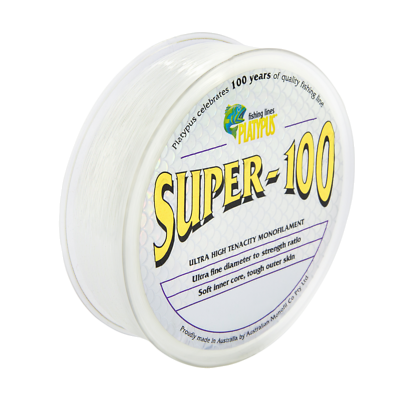
Monofilament lines are made from one single strand of nylon. They are flexible and easy to handle. These lines stretch under tension.
Monofilament lines are good for beginners. They are less visible underwater and have good knot strength.
- Affordable and widely available
- Good stretch reduces fish hook pull-outs
- Works well in many fishing situations
Braided Lines
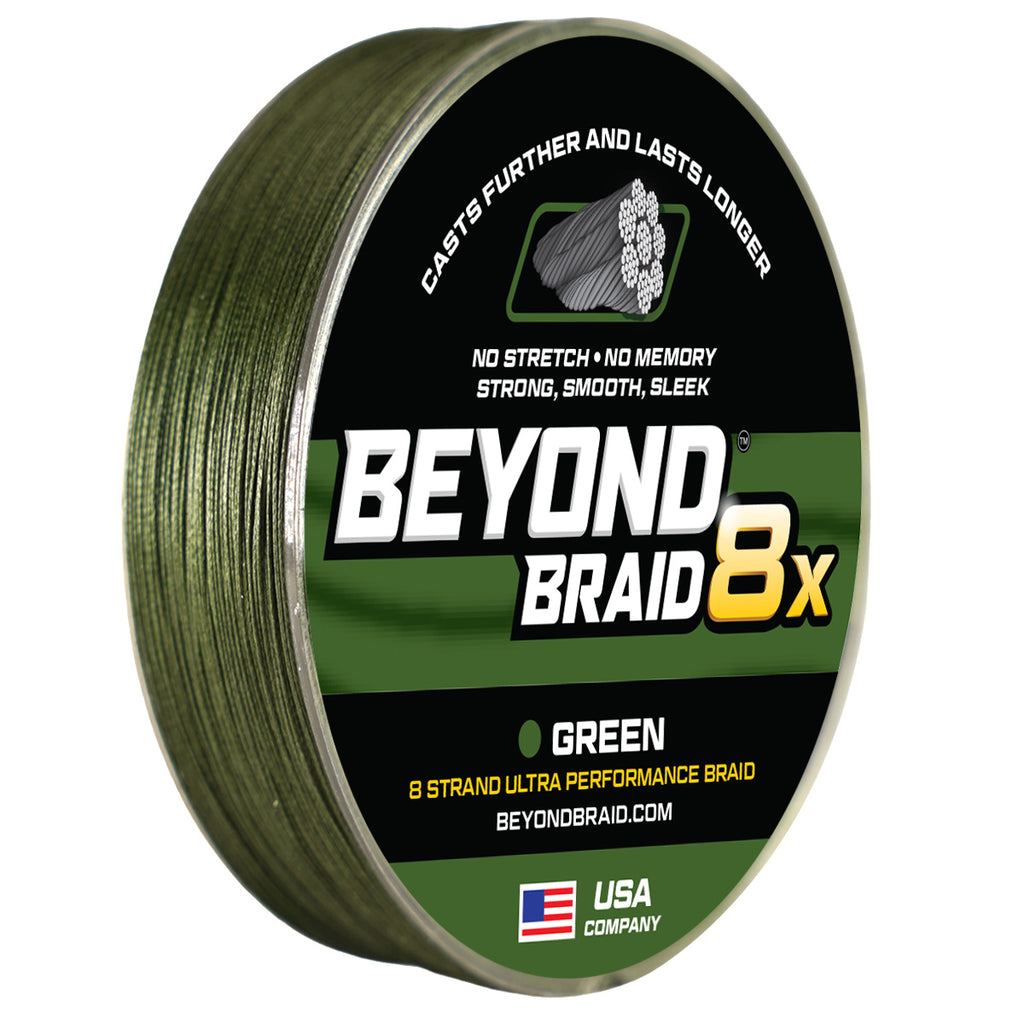
Braided lines are made by weaving several thin fibers together. They have very little stretch and very high strength.
These lines are strong and thin for their strength. They are good for fishing in heavy cover or deep water.
- High strength to diameter ratio
- Very sensitive to fish bites
- Long-lasting and resistant to abrasion
Fluorocarbon Lines
Fluorocarbon lines are made from a special type of plastic. They are nearly invisible underwater because they match water’s refractive index.
These lines sink faster than others. They resist sunlight and abrasion well. This makes them good for clear water fishing.
- Low visibility helps catch wary fish
- High resistance to damage and wear
- Less stretch than monofilament but more than braided

Credit: www.amazon.com
Strength Factors
Choosing the strongest fishing line depends on several factors. Strength is not just about how much weight the line can hold.
Understanding key strength factors helps you pick the right line for your fishing needs.
Breaking Strength
Breaking strength means the maximum weight a fishing line can hold before it snaps. It is measured in pounds or kilograms.
Stronger lines have higher breaking strength, but other factors also affect performance.
Abrasion Resistance
Abrasion resistance is how well the line withstands rubbing against rough surfaces. This is important near rocks, logs, or sharp objects.
| Type of Fishing Line | Abrasion Resistance |
| Monofilament | Low to medium |
| Fluorocarbon | High |
| Braid | Very high |
Stretch And Flexibility
Stretch and flexibility affect how the line handles tension and shock. Some stretch can protect the line from sudden pulls.
- Monofilament has high stretch and good flexibility.
- Fluorocarbon has low stretch and is stiffer.
- Braid has very low stretch and high sensitivity.
Material Comparison
Fishing lines come in different materials. Each offers unique benefits and drawbacks. It’s important to choose the right one for your needs.
We’ll compare common fishing line materials. This will help you decide which is the strongest for your fishing activities.
Durability
Durability is key for a strong fishing line. It helps the line resist breaking under pressure.
Monofilament lines are durable and stretch well. Braided lines offer high strength and less stretch.
- Monofilament: Good for most conditions
- Braided: Strongest option for heavy fish
- Fluorocarbon: Resists abrasions and is nearly invisible
Sensitivity
Sensitivity helps you feel bites from fish. A sensitive line can improve your catch rate.
Braided lines have high sensitivity. They help you detect fish bites quickly.
- Monofilament: Less sensitive, good for general use
- Braided: High sensitivity for subtle bites
- Fluorocarbon: Offers sensitivity and invisibility
Visibility In Water
Visibility in water affects how fish see the line. Less visible lines can lead to more catches.
Fluorocarbon lines are nearly invisible in water. Monofilament is more visible but comes in various colors.
- Monofilament: Visible, available in different colors
- Braided: More visible, often used in clear water
- Fluorocarbon: Best for invisibility in clear water

Credit: www.ebay.com
Choosing The Right Line
Picking the strongest fishing line depends on many factors. The right line helps catch your target fish without breaking.
Understanding your fishing needs makes choosing easier. Consider what fish you want, the environment, and your gear.
Target Species
Different fish need different line strengths. Big fish need stronger lines to handle their weight and fight.
Smaller fish can be caught with lighter lines. Using too strong a line can scare fish away.
- Light lines work well for small fish like trout or panfish
- Medium lines suit species like bass or walleye
- Heavy lines are best for large fish like pike or catfish
Fishing Environment
Your fishing spot affects line choice. Clear water needs thin, less visible lines to avoid spooking fish.
Rough waters or areas with rocks and weeds need stronger, abrasion-resistant lines. Saltwater fishing needs lines that resist corrosion.
- Clear lakes or streams: thin, clear lines
- Rocky or weedy areas: strong, abrasion-resistant lines
- Saltwater fishing: corrosion-resistant lines
Rod And Reel Compatibility
Your rod and reel must match the line strength. Using too heavy a line can damage light rods and reels.
Check your rod and reel ratings for line weight. Match the line strength to avoid gear problems and improve casting.
| Rod/Reel Rating | Recommended Line Strength |
|---|---|
| Light | 2-6 lb test |
| Medium | 8-14 lb test |
| Heavy | 15-30+ lb test |
Tips To Maximize Line Strength
Using the strongest fishing line is important for success. You can make your line last longer and hold more weight. Simple care and good habits keep your line strong.
Follow these tips to get the most from your fishing line. Proper tying, care, and storage all help improve line strength.
Proper Knot Tying
Tying knots correctly keeps your line from breaking at weak points. Use knots that match your fishing style and line type. Wet the line before tightening knots to avoid damage.
- Choose strong knots like the Palomar or Improved Clinch knot.
- Make sure knots are tight but not over-pulled.
- Trim excess tag ends close to the knot.
- Practice tying knots to improve skill and speed.
Line Maintenance
Taking care of your fishing line during use keeps it from weakening. Check for damage often and replace worn sections. Clean your line to remove dirt and salt.
| Maintenance Tip | Why It Helps |
| Inspect line for nicks or frays | Prevents sudden breaks |
| Wash line with fresh water after saltwater fishing | Stops salt buildup that weakens line |
| Dry line fully before storage | Prevents mold and mildew |
| Replace old or faded line | Maintains maximum strength |
Storage Best Practices
Store your fishing line properly to avoid damage from sun and moisture. Keep spools in cool, dry places away from direct sunlight. Avoid storing line under heavy pressure to prevent stretch.
- Keep line in sealed containers or bags to block dirt and dust.
- Use original spools or line holders to prevent tangles.
- Do not store line near chemicals or heat sources.
- Check line condition before each use.
Credit: beyondbraid.com
Top Brands And Products
Choosing the strongest fishing line is key for a good fishing trip. Different types of lines offer different strengths and features.
This guide covers top brands and products in monofilament, braided, and fluorocarbon lines.
High-strength Monofilament
Monofilament lines are easy to use and stretch well. They work great for many fishing conditions.
Strong monofilament lines come from trusted brands that offer durability and good knot strength.
- Stren Original Monofilament – known for toughness and smooth casting
- Berkley Trilene Big Game – offers high abrasion resistance
- Spiderwire Stealth – combines strength and low memory
Popular Braided Lines
Braided lines have no stretch and very high strength. They are thin but can hold heavy fish.
Top braided lines come from brands that focus on strong fibers and smooth finishes.
- PowerPro Spectra Fiber – strong and sensitive
- Spiderwire Stealth Braid – great for heavy cover fishing
- Fins Braid – offers excellent abrasion resistance
Recommended Fluorocarbon Options
Fluorocarbon lines are nearly invisible underwater. They have good strength and sink fast.
Leading fluorocarbon lines come from brands known for clarity and abrasion resistance.
- Seaguar InvizX – clear and strong for tough fishing
- Berkley Vanish – low visibility with good knot strength
- Sunline Super FC Sniper – durable and smooth casting
Frequently Asked Questions
What Is The Strongest Type Of Fishing Line?
The strongest fishing lines are typically braided lines. They offer high tensile strength and low stretch, making them ideal for heavy fish. Braided lines are thinner than monofilament but can handle more weight, providing better sensitivity and durability in tough fishing conditions.
How Does Line Strength Affect Fishing Success?
Stronger lines allow anglers to catch bigger fish without breaking. They provide better control and reduce the risk of losing a catch. However, using excessively strong lines can reduce casting distance and lure action, so balance strength with fishing needs.
Can Fishing Line Strength Vary By Material?
Yes, fishing line strength varies by material. Braided lines are strongest, followed by fluorocarbon, then monofilament. Each material offers different strength-to-diameter ratios, abrasion resistance, and stretch levels, affecting performance based on fishing style and target species.
What Line Strength Is Best For Saltwater Fishing?
For saltwater fishing, lines with 20 to 80-pound test strength are common. Strong braided lines are preferred due to saltwater’s harsh conditions and large fish species. Choosing the right strength depends on targeted fish size and fishing technique.
Conclusion
Choosing the strongest fishing line depends on your fishing needs. Different lines offer unique strengths and weaknesses. Consider the type of fish and water conditions you face. Strong lines help prevent breaks and lost catches. Remember, a good fishing line makes fishing more fun and less frustrating.
Test a few types to find what works best for you. Stay patient and enjoy your time by the water. Strong lines give you confidence to catch bigger fish. Keep learning and improving your fishing skills every day.