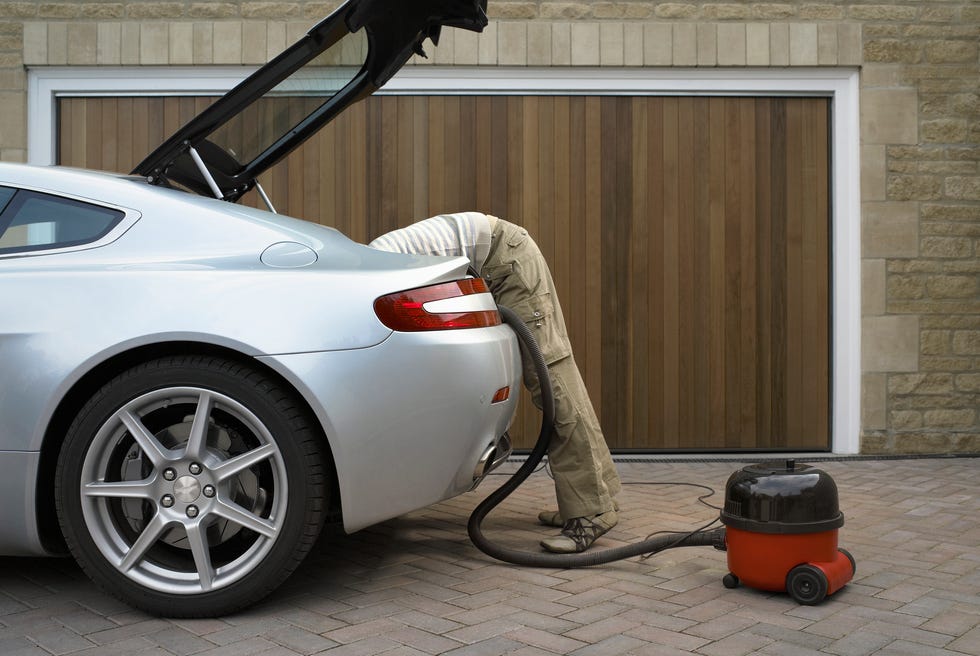
Have you ever wondered how those vacuums at car washes seem to suck up every crumb and speck of dirt from your car’s interior? It’s almost like magic, isn’t it?
But what’s really behind that powerful suction? Understanding the suction power of vacuums at car washes can change the way you tackle cleaning your car. You see, the right knowledge can help you make the most out of your car wash visit, ensuring every nook and cranny of your vehicle is spotless.
Get ready to uncover the secrets of these vacuums, so you can maximize their efficiency and keep your car looking pristine. Keep reading, and you’ll soon discover why those car wash vacuums are your car’s best friend!
Vacuum Basics At Car Washes
Vacuum basics at car washes are essential to understand for a clean vehicle interior. These vacuums help remove dirt, dust, and debris from carpets and seats. The power of these vacuums affects how well they clean. Knowing how they work and the types available gives better insight into their effectiveness.
How Vacuum Suction Works
Vacuum suction pulls air and debris into the machine. A motor creates a low-pressure area inside the vacuum. Air rushes in to fill the space, carrying dirt with it. The suction strength depends on the motor’s power and design. Strong suction means better cleaning and faster dirt removal.
Types Of Vacuums Used
Car washes use several vacuum types, each suited for different tasks. The most common are:
- Central Vacuums:These have a large motor outside the cleaning area. Long hoses connect to the motor for powerful suction.
- Portable Vacuums:Small and easy to move, but with less suction power.
- Wet/Dry Vacuums:Can handle liquids and solids, perfect for spills inside cars.
Choosing the right vacuum depends on the car wash’s size and customer needs.
Measuring Suction Power
Measuring suction power helps understand how well vacuums clean cars at wash stations. It shows the vacuum’s ability to pull dirt and debris from surfaces. Accurate measurement guides customers and operators on vacuum efficiency.
Common Units Of Measurement
Suction power is often expressed in different units. These units help compare vacuum strengths clearly.
- Air Watts (AW): Measures the actual power of airflow and suction combined.
- Water Lift (inches or mm): Shows the vacuum’s ability to lift water, indicating suction force.
- Cubic Feet per Minute (CFM): Measures the volume of air the vacuum moves per minute.
- Pascal (Pa): A metric unit measuring pressure created by suction.
Each unit highlights different vacuum aspects, but higher values usually mean stronger suction.
Factors Affecting Suction Strength
Several factors influence how strong a vacuum’s suction is at a car wash.
- Motor Power: Stronger motors generate greater suction force.
- Filter Condition: Clogged filters reduce airflow and weaken suction.
- Hose Diameter and Length: Wider, shorter hoses improve suction performance.
- Nozzle Design: Efficient nozzles focus suction better on surfaces.
- Vacuum Age and Maintenance: Well-maintained vacuums keep suction near peak levels.
Understanding these factors helps choose the best vacuum for thorough car cleaning.
Typical Suction Levels
Suction power is a key factor in vacuum cleaners used at car washes. It determines how well dirt, dust, and debris are removed from vehicle interiors. Typical suction levels vary depending on the type and purpose of the vacuum. Understanding these levels helps you know what to expect during a car cleaning session.
Standard Car Wash Vacuums
Standard vacuums at car washes usually offer suction power between 50 and 80 air watts. This range is enough to pick up common dirt and small debris from seats and carpets. These models focus on balancing power with ease of use. They are effective for everyday cleaning but may struggle with heavy dirt.
High-powered Commercial Models
High-powered commercial vacuums can deliver suction levels above 100 air watts. These machines use stronger motors and advanced designs. They remove deep-seated dirt, pet hair, and larger debris quickly. These models are built for frequent use and tough cleaning jobs. They maintain strong suction even as dust bags fill up.

Credit: www.roadandtrack.com
Suction Power Vs. Cleaning Efficiency
When evaluating the suction power of vacuums at car washes, it’s easy to assume that higher suction directly equals better cleaning. But suction power is just one piece of the puzzle. The overall cleaning efficiency depends on several factors working together, not suction alone.
Why Suction Alone Isn’t Enough
Suction power measures how strongly a vacuum can pull air and debris. Yet, raw suction doesn’t guarantee a spotless car interior. Dirt can stick stubbornly to surfaces, and loose suction might fail to lift it effectively.
Think about your own experience with a vacuum at home. Even the strongest suction struggles if the brush doesn’t agitate the carpet or if the nozzle can’t reach tight corners. The same applies to car wash vacuums.
So, if suction isn’t the only factor, what else influences cleaning efficiency?
Role Of Attachments And Design
Attachments like crevice tools, brushes, and flexible hoses help vacuums reach hidden spots and loosen dirt. Their design impacts how well suction translates into actual cleaning.
A narrow nozzle concentrates suction, making it easier to clean between seats. A rotating brush attachment can dislodge hair and crumbs that suction alone misses. At car washes, these tools often make the difference between a quick clean and a thorough one.
Moreover, the vacuum’s airflow path and motor design affect how consistently suction is maintained during use. Even with strong suction, poor design can cause air leaks and reduce cleaning power.
Next time you use a car wash vacuum, pay attention to the attachments and how they fit your cleaning needs. Could switching to a different tool make your job easier and your car cleaner?
Maintenance Of Car Wash Vacuums
Maintaining the suction power of car wash vacuums is essential to keep them running efficiently. Over time, dirt and debris buildup can reduce their effectiveness, making your cleaning tasks harder and less satisfying. Paying attention to regular upkeep helps you avoid costly repairs and ensures every customer leaves with a spotless car.
Keeping Suction Optimal
Start by checking the vacuum filters regularly. Clogged filters are a common cause of weak suction, so clean or replace them as needed. Also, inspect the vacuum hose for any cracks or blockages that could disrupt airflow.
Empty the vacuum canister frequently to prevent debris from piling up and restricting suction. It’s surprising how often a simple emptying can restore the vacuum’s full power. Have you noticed how your vacuum performs right after cleaning out the canister?
Common Issues And Fixes
One frequent issue is a worn-out motor, which can lead to a noticeable drop in suction. If your vacuum sounds different or struggles to pick up dirt, it might be time for a motor check or replacement. Regular lubrication of moving parts can also extend the motor’s life.
Another problem is hose leaks or loose connections. These leaks let air escape, reducing suction strength. Secure all connections tightly and patch any holes in the hose immediately.
- Check filters monthly and clean or replace them.
- Empty the dustbin after each busy day.
- Inspect hoses for cracks or holes weekly.
- Listen for unusual motor sounds as an early warning.
- Keep motor parts lubricated according to the manufacturer’s guide.

Credit: vacuumwars.com
Choosing The Right Vacuum For Your Car Wash
Choosing the right vacuum for your car wash is essential for customer satisfaction. The vacuum must clean quickly and thoroughly. It should also be easy to use and reliable. Selecting the proper vacuum involves more than just suction power. Consider the balance between performance, cost, durability, and user convenience. These factors help provide an excellent cleaning experience while keeping expenses in check.
Balancing Power And Cost
Strong suction power removes dirt and debris efficiently. But powerful vacuums often cost more and use more energy. Low-cost vacuums may lack enough power for deep cleaning. Find a vacuum with enough suction to clean well without overspending.
- Check the airflow rate and suction strength.
- Compare energy consumption and operational costs.
- Choose models with adjustable power settings.
This balance ensures good cleaning results and keeps running costs manageable.
Durability And User Convenience
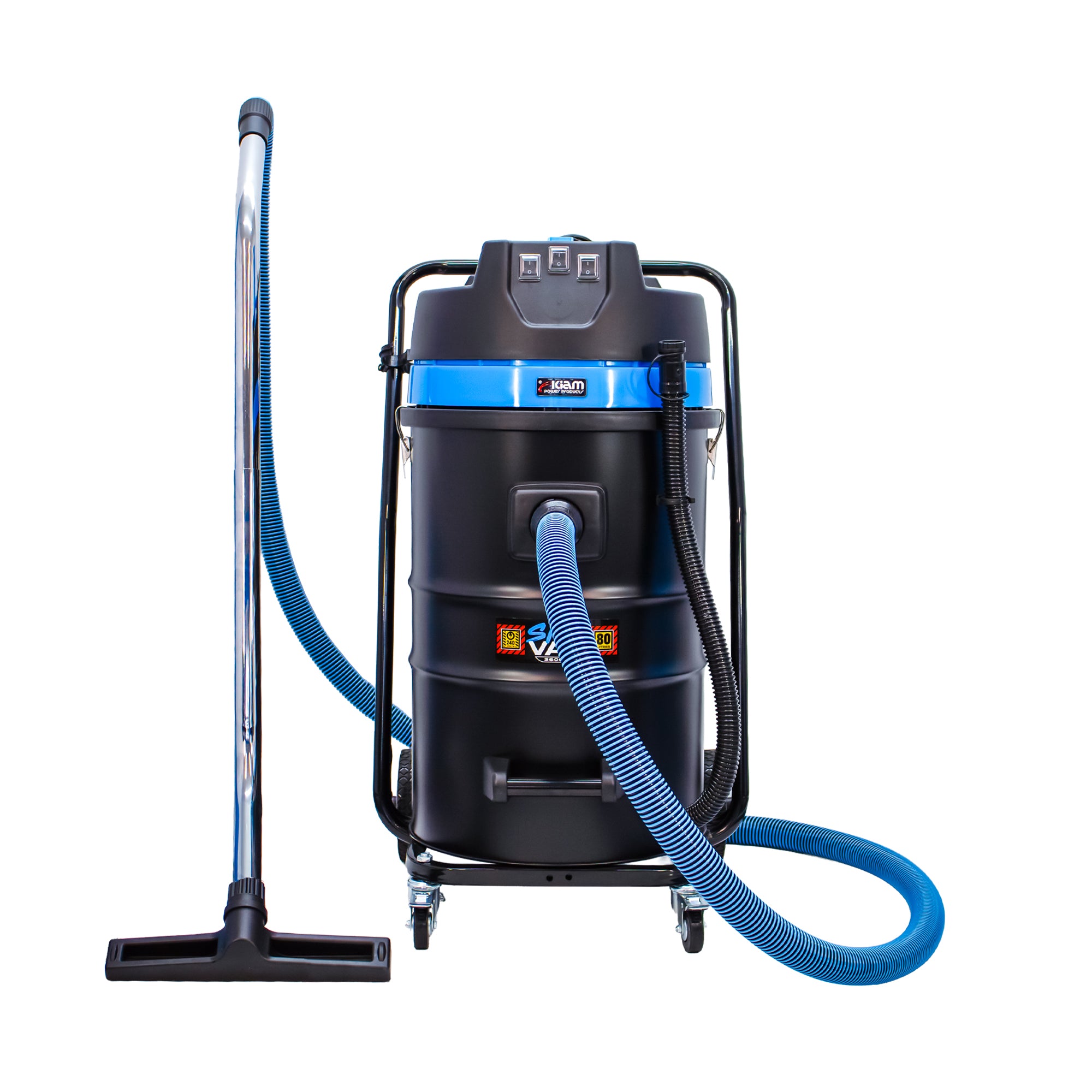
Vacuum machines at car washes face heavy use every day. Durability is critical to avoid frequent repairs and replacements. Look for vacuums made with strong materials and reliable motors. User convenience also matters. Easy-to-move machines save time and effort. Simple controls reduce training needs for staff.
- Choose vacuums with sturdy hoses and nozzles.
- Consider lightweight designs for easy handling.
- Look for features like long power cords and noise reduction.
Durable and user-friendly vacuums improve efficiency and lower maintenance costs.
Credit: equip2clean.co.uk
Frequently Asked Questions
What Is The Average Suction Power Of Car Wash Vacuums?
Most car wash vacuums offer suction power between 100 and 150 air watts. This range effectively removes dirt and debris from vehicle interiors. Higher suction power means better cleaning, but it also depends on nozzle design and airflow efficiency.
How Does Suction Power Affect Car Vacuum Performance?
Suction power directly impacts a vacuum’s ability to lift dirt and debris. Stronger suction removes stubborn particles more efficiently. However, other factors like airflow and brush design also influence overall cleaning effectiveness in car wash vacuums.
Are All Car Wash Vacuums Equally Powerful?
No, suction power varies among car wash vacuums. Commercial vacuums generally have higher suction than portable or home models. It’s important to check specifications to ensure the vacuum meets your cleaning needs.
Can High Suction Damage Car Interiors?
High suction alone rarely damages car interiors. However, aggressive nozzles combined with strong suction may scratch delicate surfaces. Using the right attachments and settings ensures safe and effective cleaning.
Conclusion
Vacuum suction power at car washes varies but usually stays strong. It helps remove dirt, dust, and crumbs quickly. Strong suction means a cleaner car interior with less effort. Regular vacuuming keeps your car fresh and comfortable. Choose vacuums that balance power and convenience.
Clean cars feel better to drive and look nicer too. Remember, good suction makes cleaning faster and easier every time.