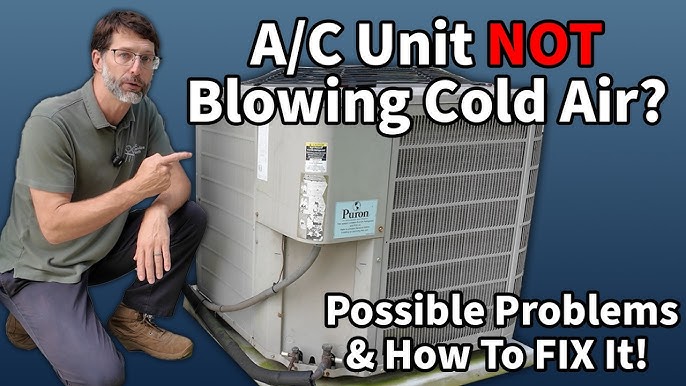
Is your air conditioner blowing warm air instead of the cool breeze you expect? When your AC stops cooling, it can turn your home into an uncomfortable place fast.
You might feel frustrated, especially on hot days when relief is most needed. But don’t worry—understanding why your air conditioner isn’t cooling properly can help you fix the problem quickly. You’ll discover simple reasons behind this issue and easy steps you can take to bring back that refreshing chill.
Keep reading, and take control of your comfort today.

Credit: www.delcohvac.com
Common Causes Of Poor Cooling
Dirty air filtersblock airflow and reduce cooling power. Clean or replace filters often to keep air moving freely.
Refrigerant leakslower cooling ability. Low refrigerant means the AC can’t cool well. Fix leaks and recharge refrigerant.
Thermostat issuescause wrong temperature readings. Check if the thermostat works and is set to cool mode.
Blocked condenser unitstops heat from leaving the AC. Remove leaves, dirt, or debris around the condenser outside.
Electrical problemscan stop the AC from running properly. Inspect wiring and fuses to ensure power flows well.
Credit: acerefrigeration.ca
Quick Diy Fixes
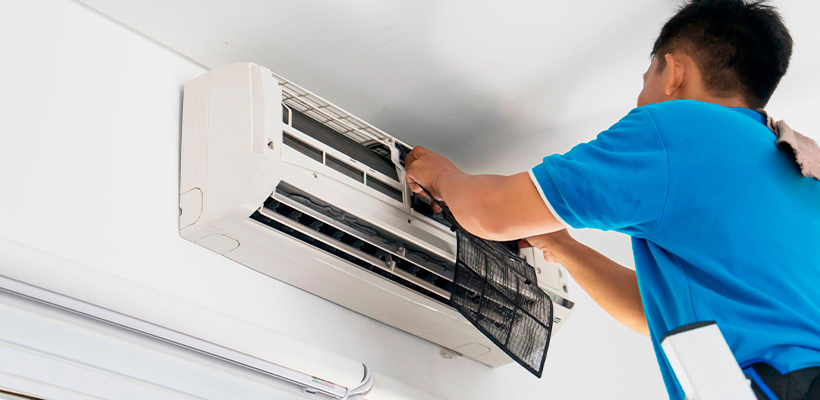
Cleaning or replacing filtershelps air flow better. Dirty filters block air and make the AC work hard. Replace filters if they look old or torn. Clean filters with water and dry before using again.
Resetting the thermostatcan fix small glitches. Turn it off, wait a few minutes, then turn it back on. Make sure the thermostat is set to “cool” mode and the temperature is lower than room temperature.
Clearing debris from the condenserkeeps the AC cool. Leaves, dirt, and grass can block the condenser outside. Gently remove debris using a soft brush or hose water. Avoid bending the fins.
Checking power supplyis important. Ensure the AC is plugged in properly. Check the circuit breaker or fuse box for tripped switches or blown fuses. Fix any power issues before testing the AC again.
When To Call A Professional
Refrigerant problemsneed a professional to handle safely. Low refrigerant levels often cause poor cooling. Only certified technicians should add or check refrigerant. Leaks must be repaired to stop future issues. Attempting this yourself can be dangerous and illegal.
Electrical repairsrequire special skills. Faulty wiring or blown fuses can stop the air conditioner. A pro can find and fix electrical issues quickly. Avoid touching electrical parts to prevent shocks or damage.
Compressor issuesare serious and need expert care. The compressor helps cool the air and runs the system. Strange noises or failure to start are warning signs. Professionals can replace or repair compressors safely and correctly.
Preventive Maintenance Tips
Regular filter cleaningkeeps dust and dirt from blocking airflow. A clean filter helps the AC cool better and saves energy. Filters should be checked and cleaned every 1-2 months during heavy use.
Seasonal AC inspectionscatch small problems early. A quick check before summer makes sure the unit is ready to cool. Look for leaks, strange noises, or weak airflow.
Proper thermostat settingskeep the room comfortable and save power. Set the temperature a few degrees higher to avoid overworking the AC. Use a programmable thermostat for better control.
Ensuring good airflowmeans no furniture or curtains block air vents. Keep vents open and clean. Good airflow helps the AC cool rooms evenly and quickly.
Energy-saving Cooling Strategies
Using fans helps move cool air around the room. Ceiling fans or portable fans make the room feel cooler without using much power. Fans help reduce the load on the air conditioner, saving energy and cost.
Sealing windows and doors stops warm air from entering and cool air from escaping. Use weather stripping or door sweeps to close gaps. This keeps the room cooler and your AC works better.
Set your AC to run during the cooler parts of the day like early morning or late evening. Avoid using it during peak heat hours. Use a timer or smart thermostat to control AC usage and save energy.
Credit: fischerheating.com
Frequently Asked Questions
Why Is My Air Conditioner Not Cooling?
If your air conditioner isn’t cooling, it could be due to a dirty air filter. A clogged filter restricts airflow, reducing efficiency. Check for refrigerant leaks or a malfunctioning thermostat. Regular maintenance helps in preventing such issues. Ensure vents are not blocked for optimal cooling.
How Do I Fix My Ac Not Cooling?
First, check the thermostat settings and air filter. Replace or clean the filter if dirty. Ensure the outdoor unit is clear of debris. If problems persist, there might be refrigerant issues. In such cases, contact a professional technician for a thorough inspection.
Can Dirty Filters Affect Ac Cooling?
Yes, dirty filters can significantly impact AC cooling. They restrict airflow, forcing the unit to work harder. This not only reduces cooling efficiency but also increases energy consumption. Regularly replacing or cleaning filters is essential for optimal performance and to extend the lifespan of your air conditioner.
Is Low Refrigerant Causing My Ac Issues?
Low refrigerant can cause your AC to underperform. It results in insufficient cooling and higher energy bills. Refrigerant levels should be checked by a professional. If a leak is detected, it must be repaired promptly to restore efficient cooling and prevent further damage.
Conclusion
A cooling air conditioner makes summer bearable. When it stops working well, discomfort follows. Check common issues like dirty filters or low refrigerant. Clean parts regularly to keep the unit running smoothly. Call a professional if problems persist beyond simple fixes.
Taking care early saves money and hassle later. Enjoy a cool home by acting fast and smart. Stay comfortable all season long with proper AC care.