You want to keep your baby safe every time you hit the road. One big question many parents face is: When can babies face forward in their car seat?
It’s not just about comfort—it’s about protecting your little one from harm. Making the switch too soon could put your baby at risk, while waiting too long might make travel harder for both of you. You’ll discover exactly when it’s safe to turn your baby’s car seat forward and what signs to look for.
Keep reading to make sure you’re making the best choice for your child’s safety and your peace of mind.
Car Seat Orientation Basics
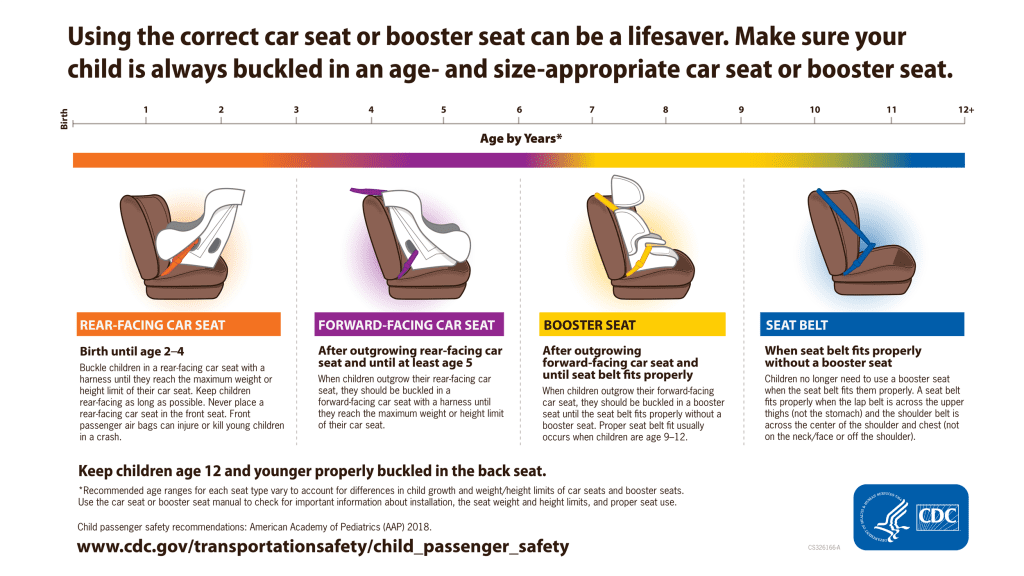
Choosing the right car seat orientation is crucial for your baby’s safety. Car seats come in two main orientations: rear-facing and forward-facing. Each type offers specific benefits and guidelines. Understanding these basics helps parents make safe decisions about when to switch the seat direction.
Rear-facing Benefits
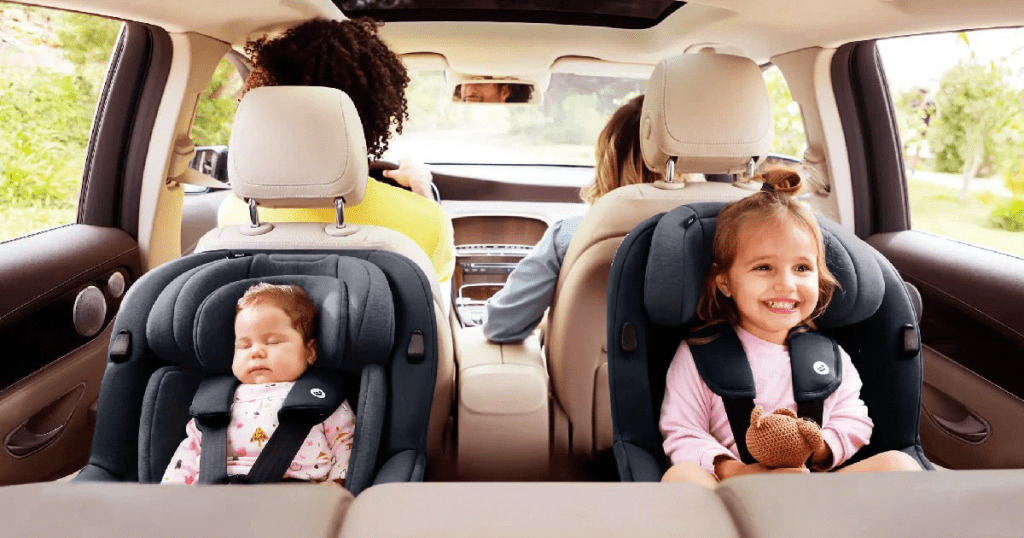
Rear-facing car seats provide the best protection for babies. They support the head, neck, and spine during sudden stops or crashes. The car seat absorbs impact forces, reducing injury risk.
Experts recommend keeping babies rear-facing as long as possible. Most seats allow rear-facing use until the child reaches the weight or height limit. This orientation is safer because it spreads crash forces across the body.
Forward-facing Guidelines
Forward-facing seats are for older toddlers and preschoolers. Children should be at least two years old before switching. The child must also meet the car seat’s weight and height limits.
Forward-facing seats use a harness system to secure the child. This setup helps keep the child safe in crashes. Always follow the car seat manufacturer’s instructions for a proper fit.

Credit: incarsafetycentre.co.uk
Age And Weight Recommendations
Knowing when your baby can safely face forward in a car seat is crucial for their protection. Age and weight recommendations are key factors that determine the right time to make this switch. Understanding these guidelines helps you keep your child secure without rushing or delaying the transition.
Minimum Age Requirements
Most safety experts recommend keeping your baby rear-facing until at least 2 years old. Some states have laws requiring children to remain rear-facing until this age, reinforcing the safety benefits. Have you checked your local regulations to ensure you meet the minimum age standards?
Rear-facing seats better protect your baby’s head, neck, and spine during a crash. Turning your child forward too early can increase the risk of injury. So, even if your child seems ready, age is a critical factor not to overlook.
Weight And Height Limits
Your baby’s weight and height also play a major role in deciding when to face them forward. Most rear-facing car seats have weight limits around 40 pounds, but this varies by brand and model. It’s important to check the car seat manual for exact numbers.
| Car Seat Type | Typical Weight Limit | Typical Height Limit |
|---|---|---|
| Rear-Facing Infant Seat | Up to 35 lbs | Up to 32 inches |
| Convertible Rear-Facing Seat | Up to 40-50 lbs | Up to 40 inches |
Think about your child’s growth rate—some babies grow faster than others. If your child hits the weight or height limit before age 2, it might be time to consider switching forward-facing safely. Have you noticed how quickly your baby is growing compared to these limits?
Remember, following both age and size recommendations ensures your baby is well protected. Don’t rush the change based only on convenience or impatience. Your baby’s safety depends on you making the right call at the right time.
Safety Risks Of Early Forward Facing
Turning your baby’s car seat forward too soon can increase the risk of serious injuries. The transition from rear-facing to forward-facing seats is not just a matter of convenience—it’s a critical safety decision. Understanding the risks involved helps you protect your child during every car ride.
Injury Statistics
Research shows that toddlers in forward-facing seats before the recommended age have a higher chance of injury in car crashes.
- A study by the American Academy of Pediatrics found that children under 2 years old are 75% less likely to be injured in a crash when restrained in a rear-facing seat.
- Injuries to the head, neck, and spine are more common in early forward-facing children because their bodies are not ready to handle crash forces.
- Crash data reveals that children who switch to forward-facing seats too early face up to three times greater risk of severe injury.
When you think about these numbers, it’s clear that following age and size guidelines is not just a suggestion—it’s a lifesaving rule.
Crash Impact On Toddlers
During a collision, the way forces affect a toddler’s body depends heavily on the car seat orientation.
In rear-facing seats, crash forces distribute evenly across the back, protecting the neck and head. Forward-facing seats, however, expose the neck to more stress since the harness restrains the torso but not the head as effectively.
Imagine your toddler’s fragile neck in a sudden stop; it can bend unnaturally if facing forward too early. This risk is why experts recommend keeping children rear-facing until at least age 2, or until they reach the maximum height and weight allowed by the car seat manufacturer.
Have you checked your car seat’s limits recently? Staying informed about your child’s growth and the seat’s guidelines can prevent unnecessary harm in an accident.
Signs Your Baby Is Ready
Knowing when your baby is ready to face forward in their car seat is crucial for their safety. It’s not just about age or weight—there are clear signs your child shows that indicate readiness. Paying close attention to these signs helps you make the best choice for your baby’s comfort and protection.
Physical Development Milestones
Your baby needs strong neck and head control before facing forward. Can your little one sit upright without support? This is a key milestone. Babies usually develop this control around 9 to 12 months, but every child is different.
Look for these physical signs:
- Stable head movement:The baby can hold their head steady without wobbling.
- Sitting unsupported:Able to sit well without leaning or falling over.
- Weight and height:Meets the car seat manufacturer’s minimum requirements for forward-facing position.
Remember, just because your baby can sit up doesn’t mean they are ready to face forward immediately. Watch closely for consistent control during everyday activities.
Behavioral Indicators
Sometimes your baby’s behavior reveals more than just physical signs. Are they showing signs of discomfort or restlessness in the rear-facing position? This can be a clue they might be ready to change.
Observe these behaviors:
- Frequent fussiness:Your baby often turns their head or struggles to see out.
- Interest in surroundings:They try to look around more and seem frustrated with limited views.
- Long trips become challenging:They get cranky after sitting rear-facing for extended periods.
Have you noticed your baby leaning forward or trying to climb out? These are strong signals to reconsider their seating position. Always balance comfort with safety when making your decision.
Choosing The Right Car Seat
Choosing the right car seat is crucial for your baby’s safety and comfort. It’s not just about picking any seat; it’s about finding one that fits your child’s age, size, and developmental stage. You want a car seat that grows with your baby and keeps them secure at every step.
Convertible Seats
Convertible car seats are a smart choice because they adapt as your baby grows. They start as rear-facing seats for infants and can switch to forward-facing once your child meets the height and weight limits. This flexibility means you won’t have to buy multiple seats, saving both money and hassle.
Think about how long your baby will stay rear-facing. Experts recommend keeping them rear-facing as long as possible because it offers better protection. Convertible seats allow you to follow these guidelines without constantly changing equipment.
Harness Systems
The harness system is the core of any car seat’s safety. Look for a seat with a 5-point harness—two shoulder straps, two waist straps, and one between the legs. This setup keeps your baby snug and distributes crash forces evenly.
Adjustability matters a lot here. You need a harness that’s easy to tighten and loosen, especially when your baby is growing or when you’re dressing them in bulky clothes. A poorly fitting harness can put your child at risk or make the ride uncomfortable.
Have you checked if the harness straps lie flat and are at or below your baby’s shoulders when rear-facing? These details can make a huge difference in safety. The right harness system gives you peace of mind every time you buckle up.

Credit: orbitbaby.com
Proper Installation Tips
Proper installation of a car seat ensures your baby’s safety when facing forward. Every detail matters, from how the seat is secured to how the harness fits. Incorrect installation can reduce protection during a crash. Follow these tips carefully to keep your child safe and comfortable.
Securing The Seat
Place the car seat firmly on the vehicle seat. Use the seat belt or LATCH system to anchor it tightly. The seat should not move more than one inch side-to-side or front-to-back. Check the car seat manual for specific installation instructions. Make sure the seat angle matches the manufacturer’s guidelines for forward-facing use.
Harness Adjustment
Adjust the harness straps so they fit snugly on your child. Straps should lie flat without twists. Position the harness clips at armpit level. Tighten the harness until you cannot pinch any slack at the shoulder. Proper harness adjustment secures your child and prevents movement in a crash.
Legal Requirements By Region
Understanding the legal requirements about when babies can face forward in a car seat is crucial for every parent and caregiver. These rules vary widely depending on where you live, reflecting different safety standards and research findings. Knowing the specific laws in your region helps you keep your child safe and avoid fines.
Us Regulations
In the United States, the law generally requires children to remain in a rear-facing car seat until at least 2 years old. However, many safety experts, including the American Academy of Pediatrics, recommend keeping your child rear-facing as long as possible—ideally until they reach the highest weight or height allowed by the car seat manufacturer.
State laws can differ, so it’s important to check local regulations. For example:
- California mandates rear-facing until age 2.
- Texas requires rear-facing for children under 2 unless they weigh 40 pounds or more.
Have you ever wondered why these laws focus on age and weight? It’s because children’s neck muscles and bones are still developing, and rear-facing seats offer better support during a crash.
International Rules
Outside the US, the rules vary even more. Many European countries, such as Sweden and Norway, require children to stay rear-facing until at least 4 years old. This is based on extensive research showing improved safety for longer rear-facing use.
In Australia, children must use rear-facing seats until they are at least 6 months old, but many parents choose to keep their kids rear-facing much longer. Meanwhile, in Canada, the minimum age is generally 1 year, but provinces may have specific rules.
Would you expect such differences across countries? These variations often come from local studies and cultural attitudes towards child safety. Checking your country’s official guidelines ensures you’re making the safest choice for your little one.
Expert Recommendations
Experts agree that the transition of babies to face forward in a car seat requires careful timing. Safety remains the top priority. Babies should remain rear-facing as long as possible. This position offers better protection for their head, neck, and spine during a crash. Expert advice helps parents make the best decision for their child’s safety.
Pediatrician Advice
Pediatricians strongly recommend keeping babies rear-facing until at least 2 years old. This age allows the child’s bones and muscles to develop more strength. Many doctors suggest waiting until the child reaches the maximum height or weight limit of the rear-facing seat. Pediatricians remind parents to follow the car seat manufacturer’s guidelines closely. Regular check-ups can help track the child’s growth and readiness to switch seats.
Safety Organizations
Leading safety organizations also support extended rear-facing travel. The American Academy of Pediatrics (AAP) advises children to remain rear-facing until age 2 or longer. The National Highway Traffic Safety Administration (NHTSA) highlights that rear-facing seats reduce injury risk by up to 75%. These groups stress using a car seat that fits the child well and is installed correctly. Safety organizations provide clear, evidence-based guidelines for parents to follow.
Common Mistakes To Avoid
Knowing when to turn your baby’s car seat forward is crucial, but many parents make common mistakes that can put their child at risk. Avoiding these errors ensures your little one stays safe and comfortable on every ride. Let’s look at some of the most frequent mistakes parents make and how you can steer clear of them.
Premature Transition
One of the biggest errors is switching your baby to a forward-facing seat too soon. Many parents feel eager to let their child face forward once they outgrow the infant seat, but safety guidelines recommend keeping them rear-facing until at least 2 years old or until they hit the maximum height and weight limits.
Rear-facing seats provide better support for your baby’s head, neck, and spine during sudden stops or crashes. Have you checked your car seat’s manual recently? It often lists the exact weight and height limits, which you should follow strictly to avoid premature transitions.
Incorrect Seat Use
Another common mistake is not installing or using the seat correctly. Even the safest car seat won’t protect your child if it’s loose or improperly positioned. Many parents struggle with tightening the seatbelt or latch system firmly, leading to excessive movement.
Also, beware of using car seats with expired expiration dates or second-hand seats with unknown history. Always double-check the harness straps for snugness—your baby’s comfort matters, but safety comes first.
Additional Safety Measures
Ensuring a baby’s safety in a forward-facing car seat involves more than just the right seat. Parents must take extra precautions to protect their child during every ride. These additional safety measures help reduce risks and keep the baby secure and comfortable.
Proper Clothing
Dress your baby in thin, snug clothes for car rides. Bulky jackets or thick layers can interfere with harness fit. A loose harness increases the chance of injury in a crash. Use blankets over the harness instead of thick coats. This keeps your baby warm without compromising safety.
Avoiding Loose Objects
Remove any loose items from the car seat area. Toys, bottles, or bags can become dangerous projectiles during sudden stops. Store these objects securely in the vehicle. Keep the car seat area clear to prevent distractions and injuries.
Credit: vision.org.in
Frequently Asked Questions
When Can Babies Face Forward In Car Seat?
Babies can face forward in a car seat usually after they are 2 years old. However, it’s best to follow the car seat manufacturer’s guidelines. Most experts recommend keeping a child rear-facing as long as possible, until they reach the maximum height and weight limit of their car seat.
What Is The Weight Limit For Forward-facing Car Seats?
The weight limit for forward-facing car seats varies by model and brand. Typically, it ranges from 40 to 65 pounds. Always refer to the car seat manual for specific limits. It’s crucial to ensure your child fits within the height and weight guidelines for their safety.
Are Convertible Car Seats Better For Toddlers?
Convertible car seats offer flexibility as they can be used rear-facing and then converted to forward-facing. They are ideal for toddlers as they accommodate growing children. Many parents prefer them for their extended use, allowing a child to remain in the same seat for years.
How To Install A Forward-facing Car Seat Safely?
To install a forward-facing car seat safely, follow the manufacturer’s instructions closely. Ensure the seat is tightly secured using either the car’s seat belt or LATCH system. The harness should be snug against the child, with the chest clip at armpit level.
Conclusion
Babies should face forward only when they meet safety guidelines. Most experts say wait until your child is at least two years old. Keep your baby rear-facing as long as the car seat allows. Rear-facing protects the head, neck, and spine better in crashes.
Always check your car seat manual for height and weight limits. Remember, safety comes first, not speed. Taking time to follow rules can save lives. Parents who stay informed make the best choices for their children’s safety. Stay patient and keep your baby safe on every trip.