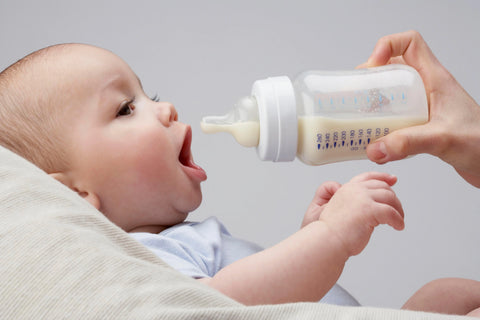
Many parents wonder, when can baby hold bottle by themselves? This is a common question. Babies grow fast. They learn new skills every day. Holding a bottle is one of these skills. But it takes time to develop.
In this article, we will explain when babies usually hold a bottle. We will share tips to help your baby learn. Also, we will talk about safety and good habits.
Why Is Holding a Bottle Important?
Holding a bottle helps babies become more independent. It also makes feeding easier for parents. When babies hold bottles, they can control the milk flow. This can make feeding more fun.
Babies also develop their muscles when they hold things. This skill helps with hand-eye coordination. Later, it helps with other tasks like eating with a spoon or writing.
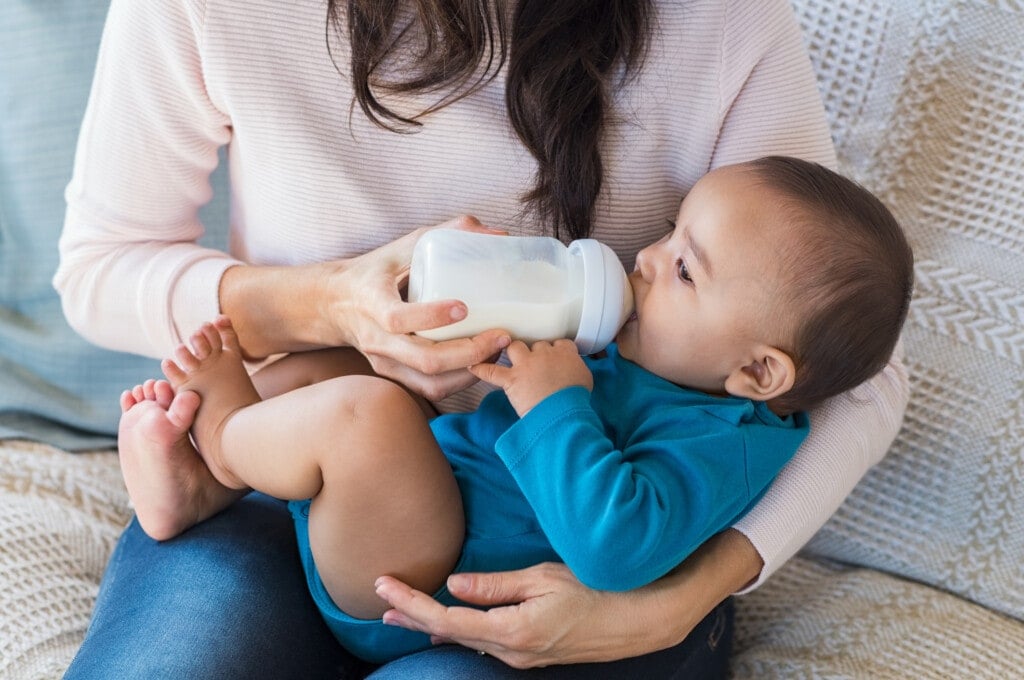
Credit: www.baby-chick.com
When Can Babies Start Holding Their Bottle?
Most babies can start holding their bottle between 4 and 6 months old. Some babies learn a little earlier. Others may take a bit longer. Every baby is different.
Before 4 months, babies do not have the strength or control. Their hands and fingers are still weak. They also need help to find the bottle and hold it.
Around 4 months, babies begin to grab and hold objects. This is a good time to try giving your baby the bottle. But be ready to help. Your baby might drop it many times.
Signs Your Baby Is Ready To Hold A Bottle
- Baby reaches for objects and tries to grab them.
- Baby can bring hands to mouth.
- Baby can sit with support.
- Baby shows interest in holding the bottle.
- Baby’s hand grip is getting stronger.
How to Help Your Baby Hold the Bottle
Teaching your baby to hold a bottle takes patience. Here are some simple steps:
- Start with short feeding times. Let your baby hold the bottle for a few seconds only.
- Use a light bottle. Heavy bottles are hard to hold.
- Hold your baby close. Support their arm if needed.
- Encourage your baby. Smile and talk softly to keep them calm.
- Let your baby practice. Give the bottle often during feeding times.
Remember, do not force your baby. If they are not ready, wait a little more time.
Types of Bottles That Are Easier to Hold
Some bottles are designed to be easier for babies to hold. These bottles have special shapes or grips.
| Type of Bottle | Features | Benefits for Baby |
|---|---|---|
| Wide-neck Bottles | Wide base, easy to grip | Baby can hold with small hands easily |
| Bottles with Handles | Two handles on sides | Easy to hold and control |
| Lightweight Plastic Bottles | Made of light material | Less heavy for baby to lift |
| Textured Bottles | Surface with patterns or rubber grips | Prevents slipping from baby’s hands |
Safety Tips When Baby Holds a Bottle
Safety is very important. When babies hold bottles, parents should watch closely.
- Always stay near your baby during feeding.
- Do not let your baby feed alone.
- Make sure the bottle nipple is soft and safe.
- Keep the milk warm, not hot.
- Check the bottle for cracks or damage.
- Clean and sterilize bottles before use.
Also, avoid letting baby hold the bottle when sleeping. This can cause choking or tooth problems.

Credit: www.tommeetippee.com
How to Encourage Baby’s Hand Strength
Holding a bottle needs hand strength and control. You can help your baby build these muscles.
- Give your baby soft toys to hold and squeeze.
- Let baby play with blocks or rings.
- Help baby practice grabbing different objects.
- Use gentle hand exercises during playtime.
- Encourage tummy time to build arm muscles.
Strong hands help baby not only hold bottles. They help with many daily tasks.
Signs Baby Is Not Ready Yet
Sometimes, babies are not ready to hold bottles. This is okay. Watch for these signs:
- Baby drops the bottle too often.
- Baby seems frustrated or upset.
- Baby does not reach or grab the bottle.
- Baby’s hand grip is weak.
- Baby’s neck and head control is poor.
If this happens, wait a few weeks. Try again later.
How to Know Your Baby Is Ready for More Independence
Holding a bottle is a sign of growing independence. When baby holds the bottle, it shows they want to try new things.
Other signs of independence include:
- Trying to feed self with fingers.
- Showing interest in toys and objects.
- Trying to sit and move more.
- Communicating with sounds and smiles.
Frequently Asked Questions
When Can Babies Start Holding A Bottle By Themselves?
Most babies begin holding a bottle around 6 to 8 months old, as their muscles get stronger.
How Do I Know If My Baby Is Ready To Hold A Bottle?
Look for good head control and hand coordination, usually by 6 months.
Can Babies Hold A Bottle Before 6 Months?
Some babies try earlier, but most need muscle development, which happens after 6 months.
What Helps Babies Learn To Hold A Bottle?
Practice and gentle support help babies develop the skill to hold a bottle.
Conclusion
So, when can baby hold bottle? Usually, babies start between 4 to 6 months. Some babies learn earlier or later. Each baby is unique.
You can help your baby by giving support and patience. Use lightweight bottles with handles. Encourage hand strength with play. Always watch your baby during feeding.
Remember, this is a fun step in your baby’s growth. Enjoy this special time with your little one.