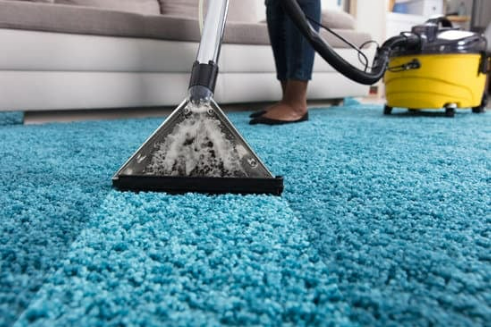
Discovering bed bugs in your home can be a nightmare. After going through the rigorous process of bed bug treatment, you’re probably eager to return to normal life.
But before you start vacuuming and rearranging your space, it’s crucial to know the right timing. Vacuuming too soon could disrupt the treatment’s effectiveness, while waiting too long might make you uncomfortable in your own home. So, when is the best time to vacuum after bed bug treatment?
In this blog post, we’ll guide you through the steps and timing to ensure your home remains bed bug-free, while also restoring peace and comfort to your living space. Read on to learn how to protect your home and your peace of mind.
Credit: convectex.com
Bed Bug Treatment Methods
Bed bug treatment involves various methods to eliminate these pests effectively. Choosing the right approach depends on the infestation level and the environment. Understanding each treatment helps in knowing when it is safe to vacuum after the process.
Chemical Treatments
Chemical treatments use insecticides to kill bed bugs and their eggs. These chemicals are sprayed or applied as dust in cracks and crevices. Professionals often recommend waiting 1 to 2 weeks before vacuuming. This delay allows the chemicals to work fully and avoid removing residues too early.
Heat Treatments
Heat treatments raise room temperature to about 120°F to kill bed bugs. This method penetrates furniture and walls where bugs hide. Vacuuming can usually resume 24 to 48 hours after treatment. Heat kills bugs instantly, so the risk of spreading is minimal once cooled.
Non-chemical Approaches
Non-chemical methods include steam cleaning, mattress encasements, and freezing. Steam kills bed bugs on contact but may require multiple sessions. Vacuuming is safe immediately after steam treatment but should be thorough. Encasements trap bugs inside, preventing escape without vacuuming interference.
Vacuuming Role In Bed Bug Control
Vacuuming plays an important role in controlling bed bugs. It helps reduce their numbers and removes eggs from hard-to-reach places. Knowing how and when to vacuum can improve treatment results.
Benefits Of Vacuuming
- Removes live bed bugs and eggs from surfaces quickly.
- Helps reduce bed bug populations before chemical treatments.
- Reaches cracks, crevices, and fabric folds where bugs hide.
- Prevents bugs from spreading to other areas of the home.
- Improves the effectiveness of sprays and heat treatments.
Limitations Of Vacuuming
- Does not kill all bed bugs or eggs on contact.
- Vacuum bags can release bugs if not disposed of properly.
- Cannot reach bugs inside walls or deeply hidden spaces.
- Requires careful cleaning of the vacuum after use.
- Should be combined with other bed bug control methods for success.
Optimal Timing For Vacuuming
Knowing the right time to vacuum after bed bug treatment helps keep your home safe and clean. Vacuuming too soon can reduce the treatment’s effect. Waiting too long might let bed bugs spread or hide more.
Different treatments need different waiting times before vacuuming. Understanding these can improve the success of getting rid of bed bugs.
After Chemical Treatments
Wait at least 7 to 10 days after chemical sprays. This delay lets the chemicals work fully on bed bugs. Vacuuming too early can remove the pesticide, lowering its impact.
Use a vacuum with a HEPA filter for better results. After vacuuming, empty the vacuum bag or canister outside your home. This prevents bed bugs from escaping back inside.
After Heat Treatments
Vacuum immediately after the room cools down. Heat kills bed bugs in all stages but leaves dead bugs and eggs. Removing these helps stop future infestations.
Check hidden areas like mattress seams and baseboards. Vacuuming thoroughly here removes dead bugs and debris.
Following Non-chemical Methods
Non-chemical methods include steam cleaning and mattress encasements. Steam kills bed bugs on contact but leaves no residue.
Vacuum after steam treatment once surfaces dry. This removes dead bugs and dirt. For mattress encasements, vacuum around the bed but not on the cover.

Credit: naturesmace.com
Precautions When Vacuuming
Vacuuming after bed bug treatment requires special care to avoid spreading the pests or compromising your efforts. Taking the right precautions helps ensure that vacuuming supports your treatment plan instead of working against it.
Vacuum Maintenance
Keep your vacuum in top shape to prevent bed bugs from escaping back into your home. Check the vacuum bag or canister frequently and replace or empty it as soon as it gets full. A clogged vacuum won’t pick up pests effectively and can even release them back into the air.
Use a vacuum with strong suction and a HEPA filter if possible. This traps tiny bed bug particles and eggs, reducing the risk of reinfestation. Clean the brush roll and nozzle after every use to remove any hidden bugs.
Disposal Of Vacuum Contents
How you dispose of vacuum contents can make or break your treatment success. Always seal the vacuum bag or emptied debris in a plastic bag immediately after vacuuming. Tie it tightly and throw it in an outdoor trash bin away from your home.
Never empty vacuum contents indoors—this can scatter bed bugs around your living space. If you use a bagless vacuum, clean the canister and filter outdoors or in a garage to keep bugs from escaping inside.
Additional Bed Bug Prevention Tips
Keeping bed bugs away after treatment takes more than just one cleaning session. You need to stay vigilant and adopt good habits that stop these pests from coming back. Here are some practical tips to keep your home safe and bed bug-free.
Regular Cleaning Habits
Vacuuming often helps remove any leftover bed bugs and their eggs. Pay close attention to mattress seams, bed frames, and nearby furniture. Washing bedding and curtains in hot water every week can also kill any hidden bugs.
Don’t forget to declutter your space. The less stuff you have lying around, the fewer places bed bugs can hide. Think about how often you clean and what spots you might be missing—could your cleaning routine use an upgrade?
Monitoring And Inspection
Keep a close eye on your sleeping areas by checking for signs like small blood spots or dark fecal marks. Using bed bug interceptors under bed legs can trap bugs trying to climb up. These tools give you early warning before an infestation gets worse.
Set a regular schedule to inspect your home, especially after travel or guests. Catching bed bugs early makes treatment easier and less stressful. How often do you check your bedroom for unwanted visitors?

Credit: www.hooverdirect.co.uk
Frequently Asked Questions
When Is It Safe To Vacuum After Bed Bug Treatment?
It is safe to vacuum 7 to 10 days after treatment. This allows insecticides to settle and work effectively. Vacuuming too soon may remove residual chemicals and reduce treatment success.
Can Vacuuming Disturb Bed Bug Treatment Effectiveness?
Yes, vacuuming immediately after treatment can reduce effectiveness. It may remove insecticide residues before they kill bed bugs. Wait at least one week before vacuuming treated areas.
How Often Should I Vacuum Post Bed Bug Treatment?
Vacuum once a week after the initial waiting period. Regular vacuuming helps remove dead bugs and eggs. This supports ongoing control and prevents re-infestation.
Should I Use A Special Vacuum For Bed Bugs?
A vacuum with a HEPA filter is recommended. It traps bed bugs and eggs effectively. Use a vacuum with strong suction to ensure thorough cleaning.
Conclusion
Vacuuming too soon after bed bug treatment can reduce its success. Wait at least one to two weeks before vacuuming thoroughly. This gives the treatment time to work deep into hiding spots. Use a vacuum with strong suction and empty it outside immediately.
Regular cleaning after this period helps keep your home bed bug free. Patience is key to fully removing these pests. Follow the treatment instructions carefully for best results. Keep your space clean but give chemicals time to act first. This approach helps protect your home and peace of mind.