Knowing exactly when to change the tires on your car can save you money, keep you safe, and improve your driving experience. You might wonder if it’s time to replace them or if they can last a bit longer.
This decision isn’t always obvious, but missing the right moment can lead to bigger problems on the road. You’ll discover clear signs to watch for, simple checks you can do yourself, and expert tips to help you make the best choice.
Keep reading to protect your car and yourself every time you hit the road.
Signs You Need New Tires
Tires wear out over time and affect your car’s safety. Checking your tires often helps you stay safe on the road.
Look for key signs that show your tires need to be replaced. These signs can help you avoid accidents and car troubles.
Tread Depth Check
Tread depth is how deep the grooves on your tire are. Shallow treads reduce grip and increase stopping distance.
Use a tread depth gauge or the penny test. If the tread is less than 2/32 inch, it is time for new tires.
Visible Tire Damage
Check your tires for cuts, cracks, or bulges. These damages can cause tire failure while driving.
Even small damage can get worse quickly. Replace tires with visible signs of harm to stay safe.
Uneven Wear Patterns
Uneven wear means some parts of the tire are more worn than others. This can cause poor handling and vibrations.
Uneven wear can happen from bad alignment or unbalanced tires. New tires fix this problem and improve ride quality.
Frequent Air Pressure Loss
If your tires lose air often, there may be a slow leak or damage. Low pressure can cause poor fuel economy and tire wear.
Check for nails or holes. Replace tires if you cannot keep them inflated properly.
Best Seasons To Change Tires
Changing tires at the right time improves car safety and performance. Different seasons need specific tires to match the weather conditions.
Knowing when to switch tires helps avoid accidents and extends tire life. This guide covers the best seasons to change tires.
Switching To Winter Tires
Winter tires are best used when temperatures drop below 45°F (7°C). They provide better grip on snow and ice. It is wise to switch before the first snowfall to stay safe.
- Change to winter tires in late fall or early winter.
- Remove winter tires in early spring after the snow melts.
- Check tread depth regularly for maximum traction.
Switching To Summer Tires
Summer tires work best in warm weather, usually above 45°F (7°C). They offer better handling on dry and wet roads but do not perform well in cold or snowy conditions.
- Install summer tires in spring after the last frost.
- Remove summer tires in late fall before the cold sets in.
- Store summer tires properly to avoid damage during winter.
All-season Tire Considerations
All-season tires are a compromise for mild climates. They work year-round but may not perform well in extreme weather. Choosing the right time to use them depends on your local climate.
| Season | Temperature Range | Recommended Tire Type |
| Winter | Below 45°F (7°C) | Winter Tires |
| Spring & Fall | 45°F to 70°F (7°C to 21°C) | All-Season Tires |
| Summer | Above 70°F (21°C) | Summer Tires |
Recommended Mileage For Tire Replacement
Tires wear out over time and need replacement for safety. Knowing when to change tires helps avoid accidents.
This guide explains typical tire lifespan and what affects tire wear.
Typical Tire Lifespan
Most tires last between 25,000 and 50,000 miles. The exact mileage depends on tire type and driving conditions.
| Tire Type | Average Mileage |
| All-Season | 40,000 – 60,000 miles |
| Performance | 25,000 – 40,000 miles |
| Winter | 20,000 – 40,000 miles |
| Truck/SUV | 30,000 – 50,000 miles |
Factors Affecting Tire Wear
Tire wear changes based on how you drive and maintain your vehicle. Some factors speed up tire damage.
- Driving speed and habits
- Road conditions
- Tire pressure maintenance
- Load weight on the vehicle
- Climate and weather
- Wheel alignment and balance
Check tires often for cracks, bulges, and tread depth below 2/32 inch. Replace tires if you notice uneven wear or damage.
How To Inspect Tires At Home
Checking your tires regularly helps keep you safe on the road. You can do simple tests at home to know when to change your tires.
Look for signs of wear and damage. These checks do not take long and can prevent accidents.
Using The Penny Test
The penny test shows if your tire tread is too low. Tread helps your car grip the road.
Place a penny into the tire tread with Lincoln’s head down. If you see the top of his head, the tread is too shallow.
- Insert a penny into the tire grooves
- Look at how much of Lincoln’s head shows
- More head visible means less tread
- Replace tires if tread is below 2/32 inch
Checking Tire Pressure
Proper tire pressure is important for safety and fuel efficiency. You can check it with a pressure gauge at home.
Check the pressure when tires are cold. Compare the reading to the pressure listed in your car’s manual or door sticker.
- Use a tire pressure gauge to get a reading
- Check pressure when tires are cold
- Compare to recommended pressure
- Inflate or deflate tires as needed
Looking For Cracks And Bulges
Check your tires for cracks or bulges on the sidewalls. These are signs of damage and can cause tire failure.
Bulges may mean the tire’s internal structure is weak. Cracks can lead to leaks. Replace damaged tires promptly.
- Inspect sidewalls for cracks or cuts
- Look for bulges or bubbles on the tire surface
- Check for uneven wear patterns
- Replace tires if any damage is found
Tips For Choosing New Tires
Choosing the right tires for your car is important for safety and comfort. Tires affect how your car drives on different roads and in different weather.
This guide helps you pick tires that fit your driving style and budget. Follow these tips to find the best match for your vehicle.
Matching Tire Type To Driving Needs
Different tires work best for different types of driving. Think about where and how often you drive before choosing.
- All-season tires are good for varied weather and everyday use.
- Winter tires offer better grip on ice and snow.
- Performance tires improve handling and speed but may wear faster.
- Off-road tires are best for rough and uneven terrain.
Balancing Performance And Cost
High-performance tires often cost more but can enhance your car’s driving. Cheaper tires may last less or not perform as well.
| Type | Performance | Cost | Durability |
| All-Season | Moderate | Low to Medium | Good |
| Performance | High | High | Moderate |
| Winter | High (in snow) | Medium | Moderate |
| Off-Road | High (off-road) | Medium to High | Good |
Considering Tire Warranty
Tire warranties cover defects and sometimes tread wear. Check what the warranty includes before buying.
- Look for mileage warranties that promise a certain distance.
- Check if the warranty covers road hazards like nails or potholes.
- Understand the claim process and what proof you need.
- Keep your purchase receipt and maintenance records.

Credit: www.youtube.com
Proper Tire Change Procedures
Changing tires correctly is important for safe driving. It also helps your tires last longer and your car run smoothly.
This guide explains when to rotate tires, how to balance and align them, and whether you should change tires yourself or get professional help.
When To Rotate Tires
Rotating tires means moving them from one position on the car to another. This helps wear the tires evenly.
- Rotate tires every 5,000 to 8,000 miles.
- Follow your car’s owner manual for specific advice.
- Rotate more often if you drive on rough roads.
- Check tires for uneven wear or damage regularly.
Balancing And Alignment
Balancing tires means fixing weight differences so the tire spins smoothly. Alignment means adjusting wheels to point straight.
| Service | Why It Matters | Signs You Need It |
| Balancing | Prevents vibration and uneven tire wear | Car vibrates at high speeds |
| Alignment | Improves steering and tire life | Car pulls to one side or uneven tire wear |
Diy Vs Professional Change
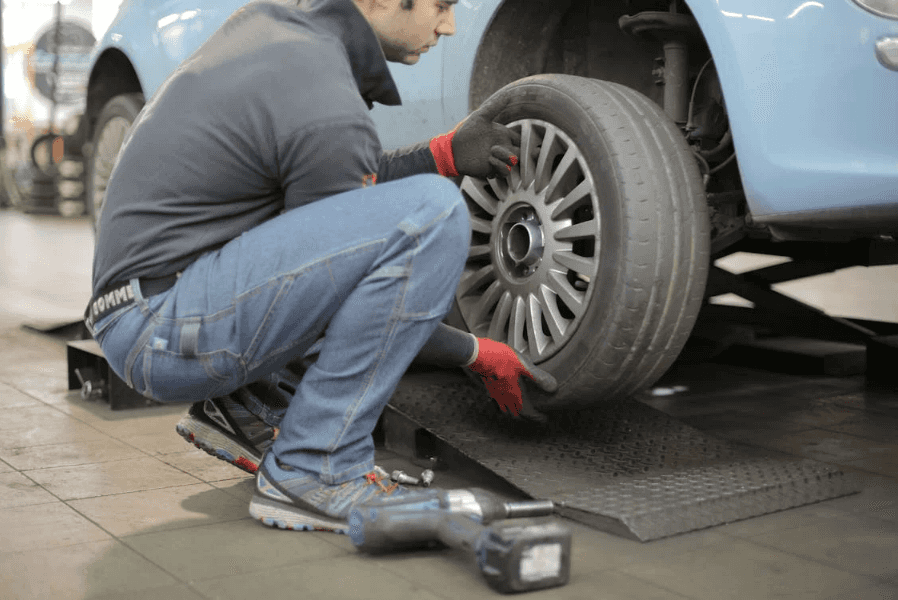
You can change tires yourself if you have the right tools and skills. But some tasks are safer with a professional.
- DIY tire change needs a jack, wrench, and space.
- Professionals check tire pressure, balance, and alignment.
- Pros can spot hidden problems with tires or suspension.
- Professional service saves time and ensures safety.
Maintaining Tires For Longer Life
Tires are important for your car’s safety and performance. Keeping them in good shape helps them last longer. Simple care steps can prevent early wear.
Regular checks and proper storage keep tires safe and strong. Learn how to take care of tires to avoid common problems and save money.
Regular Pressure Checks
Check tire pressure once a month or before long trips. Proper pressure improves fuel efficiency and tire life. Use a reliable gauge for accuracy.
- Check pressure when tires are cold
- Follow the car maker’s recommended pressure
- Use a good quality tire pressure gauge
- Add air if pressure is low
- Do not overinflate tires
Avoiding Overloading
Do not carry more weight than your tires can handle. Overloading causes heat and wears tires faster. It also makes driving unsafe.
| Load Condition | Effect on Tires |
| Within Load Limit | Normal wear and safe driving |
| Overloaded | Faster wear, overheating, risk of blowouts |
Storing Seasonal Tires
Store tires in a cool, dry place away from sunlight. Proper storage keeps rubber from cracking or getting damaged. Clean tires before storing.
- Keep tires upright or hang them if possible
- Use airtight bags to reduce air exposure
- Store tires away from chemicals and heat
- Label tires to keep track of usage
Credit: www.gerrylanecdjr.com

Credit: www.reddit.com
Frequently Asked Questions
When Should I Change My Car Tires?
Change your car tires when tread depth reaches 2/32 inch or less. Check for uneven wear, cracks, or damage. Replace tires if you experience frequent flats or poor traction. Regular inspection every 6,000 miles helps maintain safety and performance.
How Do I Know If Tires Need Changing?
Look for tread wear indicators, cracks, bulges, or sidewall damage. Tires older than six years should be inspected closely. Reduced grip, longer braking distances, or vibrations also signal tire replacement. Regular checks improve safety and fuel efficiency.
Can I Change Car Tires Myself?
Yes, you can change tires with proper tools and knowledge. Use a jack, lug wrench, and follow safety steps. Ensure the vehicle is on level ground and parking brake engaged. If unsure, seek professional help to avoid accidents.
What Is The Best Tire For Changing Seasons?
All-season tires are suitable for year-round use in moderate climates. They provide balanced performance in wet, dry, and light snow conditions. For extreme winter or summer, consider dedicated tires for better safety and control.
Conclusion
Changing your car tires at the right time keeps you safe on the road. Worn tires can cause accidents and reduce fuel efficiency. Check your tires regularly for signs of wear or damage. Don’t wait for a problem to appear before changing them.
Good tires help your car drive smoothly and stop quickly. Stay alert and take care of your tires to avoid unexpected troubles. Safe driving starts with well-maintained tires. Remember, small actions today save you from big problems tomorrow.