Have you ever wondered when air conditioners first came out? If you’ve ever felt that refreshing cool breeze on a hot day, you know how life-changing this invention is.
But do you know the story behind it? Understanding when and how air conditioners came into existence can change the way you appreciate this everyday comfort. Keep reading, and you’ll discover surprising facts that make you see your cooling system in a whole new light.
Your next cool moment will never feel the same again.

Credit: www.youtube.com
Early Cooling Methods
People have used cooling methodsfor thousands of years. In ancient times, they relied on simple ideas to stay cool. For example, the Egyptianshung wet mats on their walls. When the wind blew, the mats helped cool the air. In ancient Rome, homes had thick walls and small windows to keep heat out.
Medieval people tried new ways to beat the heat. They built houses with high ceilingsand open windows for better airflow. Some used water channels inside homes to cool the air as it passed through. Fans powered by hand or water helped move air and create a cooling effect.

Credit: www.aei.org
Invention Of Modern Air Conditioning
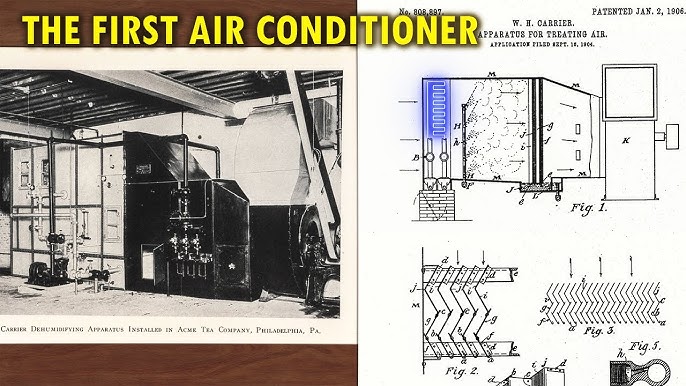
Willis Carrier invented the first modern air conditioner in 1902. His design controlled both temperatureand humidity. This invention helped many industries, especially printing and textiles. It made indoor air cooler and more comfortable.
The first commercial air conditioning systems appeared in 1914. They were large and expensive. Mostly, they were used in big buildings like offices and theaters. These systems made hot places cooler, improving work and leisure.
Air Conditioning In The 20th Century
Air conditioningbecame more common in homes during the 20th century. Early systems were large and costly. Over time, smaller units made it easier for families to stay cool during hot months. By the mid-1900s, many houses had air conditioners. This improved comfort and health for people living in warm climates.
Factories and offices also used air conditioning to keep workers cool. This helped increase productivity and protect machines. Many stores and theaters added air conditioning to attract customers. It made public spaces more pleasant, especially in summer. Industrial and commercial use grew fast after the 1920s.

Credit: centervilleheatandcooling.com
Technological Advances
Refrigerantsare chemicals that cool the air inside an air conditioner. Early models used chlorofluorocarbons (CFCs), which harmed the ozone layer. Newer models use hydrofluorocarbons (HFCs)and natural refrigerantsthat are safer for the environment. Laws now limit the use of harmful refrigerants to protect the Earth.
Energy efficiency has grown a lot. Air conditioners use less power today than before. This saves money and reduces pollution. Many units have energy-saving modesand better designs. These changes make cooling easier and greener.
Cultural And Social Effects
Air conditioners changed how people live and work, making hot climates more comfortable. They also helped social life by enabling gatherings indoors during summer. Cooling technology influenced building designs and daily habits worldwide.
Impact On Architecture
Air conditioners changed building designs. Architects added smaller windows because cooling was easier. Buildings became taller as heat control improved. Some homes used flat roofs to hold AC units. Ventilation systems grew more complex to spread cool air. Outdoor spaces became more common for comfort in hot weather.
Changes In Lifestyle
- People stayed indoors during hot days, thanks to AC.
- Workplaces became more comfortable and productive.
- Shopping malls and movie theaters grew popular as cool places.
- Air conditioning made hot cities more attractive to live in.
- New habits formed around cooling, like wearing lighter clothes indoors.
Future Of Air Conditioning
Air conditioners were first invented in 1902 by Willis Carrier. Since then, they have evolved to become more energy-efficient and eco-friendly. The future promises smarter, greener cooling technologies for homes and businesses.
Innovative Cooling Technologies
Smart air conditionersuse sensors to adjust temperature automatically. They save energy and keep rooms comfy. Solar-powered AC unitsare growing popular. These units use sunlight to run, cutting electricity bills.
New cooling methods include magnetic refrigeration. It uses magnets instead of harmful gases. This method is cleaner and safer for the planet.
Sustainable Solutions
- Eco-friendly refrigerantsreduce pollution and ozone damage.
- Better insulation in homes helps keep cool air inside.
- Using energy-efficient modelslowers power use significantly.
- Integration with smart home systemsimproves control and cuts waste.
Frequently Asked Questions
When Were Air Conditioners First Invented?
Air conditioners were first invented in 1902 by Willis Carrier. He developed the first modern air conditioning system to control humidity and temperature in a printing plant.
Who Invented The First Air Conditioner?
Willis Carrier invented the first air conditioner in 1902. His invention revolutionized indoor climate control and paved the way for modern cooling technology.
When Did Air Conditioners Become Common In Homes?
Air conditioners became common in homes during the 1950s. Advances in technology and affordability made home cooling accessible to many families.
How Did Early Air Conditioners Work?
Early air conditioners used refrigeration cycles to cool air. They removed heat and moisture, improving indoor comfort and air quality in industrial settings.
Conclusion
Air conditioners first appeared in the early 1900s. They changed how people stay cool in hot weather. Over time, these machines became smaller and more affordable. Today, many homes and offices use air conditioners daily. They help improve comfort and productivity.
Knowing their history shows how technology grows. It also helps us appreciate modern cooling systems more. Air conditioners remain important in many parts of the world. Their invention marked a key step in home comfort.