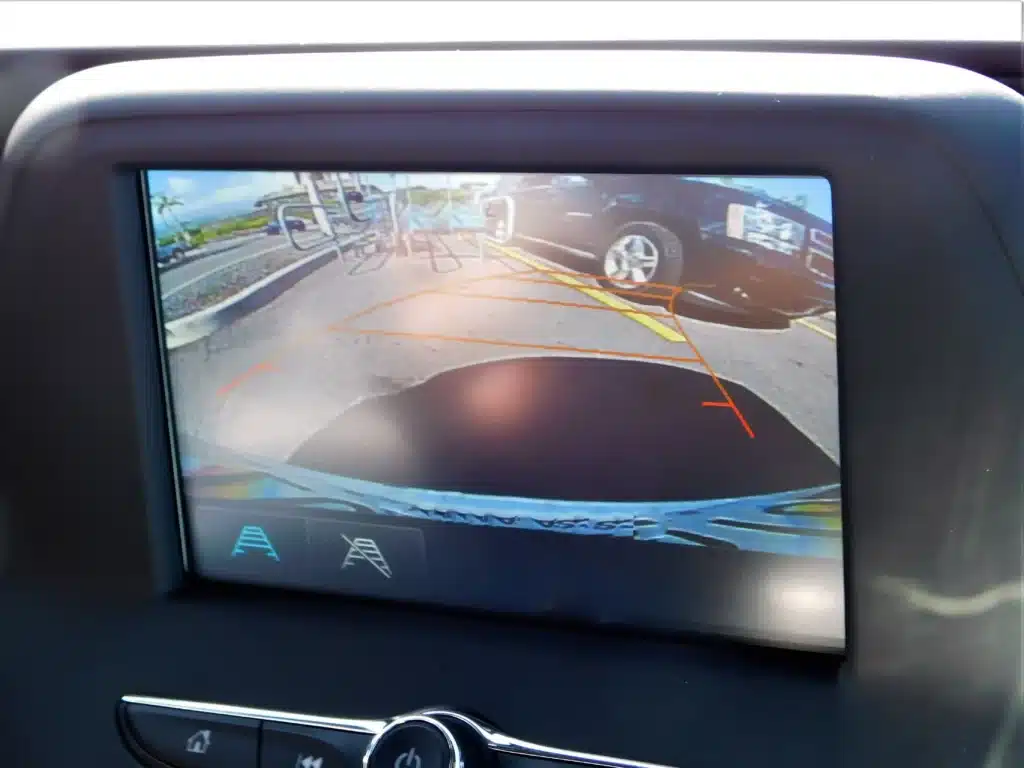
Have you ever wondered when cars first started having backup cameras? If you’ve ever relied on that little screen to avoid a close call or park perfectly, you know how important this feature is.
But it wasn’t always there. Discovering the story behind backup cameras can change the way you see your car’s safety. Keep reading to find out when and why this life-saving technology became part of your driving experience.
Early Car Safety Features
Cars have improved safety over many years. Early designs focused on helping drivers see better. This made driving safer and reduced accidents.
Before backup cameras, cars used other tools to help drivers look behind them. These tools had limits but were important steps in car safety.
Mirrors Before Cameras
Mirrors were the first way to help drivers see behind their cars. Side mirrors and rearview mirrors gave a view of the road behind. These mirrors were added to most cars by the mid-1900s.
- Rearview mirrors showed the area through the back window.
- Side mirrors helped see cars beside and behind on the road.
- Convex mirrors made the view wider but smaller.
- Adjustable mirrors helped drivers set the best angle.
Challenges In Rear Visibility
Even with mirrors, drivers had trouble seeing some areas behind the car. Blind spots and low light made it hard to avoid obstacles. This caused many accidents and made reversing risky.
| Challenge | Description |
| Blind Spots | Areas not visible in mirrors. |
| Low Light | Hard to see at night or in shadows. |
| Obstructions | Objects blocking rear view, like passengers or cargo. |
| Mirror Limitations | Mirrors only show a small area behind the car. |
Origins Of Backup Camera Technology
Backup cameras help drivers see behind their cars. They improve safety by showing blind spots. This technology did not appear overnight. It has a history of ideas and development.
Understanding the origins of backup cameras shows how cars became safer over time. Early inventors and car makers started working on these tools many years ago.
First Concepts And Prototypes
Early ideas for backup cameras began as simple experiments. Inventors used cameras and screens to help drivers see behind their cars. These were often bulky and expensive.
- 1970s: Engineers tested camera systems in some concept cars.
- Early models used small black and white screens inside the car.
- Prototypes showed it was possible but not yet practical for mass use.
- Problems included poor image quality and high costs.
Initial Industry Interest
Car makers began seeing the safety benefits of backup cameras. Some luxury brands experimented with adding cameras to their vehicles. Governments also noticed the potential to reduce accidents.
| Year | Event | Impact |
| 1980s | First commercial camera systems tested | Raised awareness in the auto industry |
| 1991 | First production car with backup camera released in Japan | Showed real-world use was possible |
| 2000s | More car makers adopted camera technology | Backup cameras became more common |
Milestones In Backup Camera Development
Backup cameras help drivers see behind their cars. They improve safety and reduce accidents. These cameras did not exist in early cars.
This article looks at key moments in the history of backup cameras. We cover the first commercial models and how the technology improved.
First Commercial Models
The first backup cameras appeared in cars in the late 1990s. They were mostly optional features on luxury models. These cameras showed a small screen inside the car.
- 1991: Toyota launched the Soarer with a rearview camera in Japan.
- 1997: Nissan introduced the first backup camera in the U.S. market with the Infiniti Q45.
- Late 1990s: Some aftermarket systems became available for regular cars.
Technological Improvements Over Time
Backup cameras grew better with new technology. Screens became larger and clearer. Cameras worked better at night and in bad weather.
| Year | Improvement | Effect |
| 2000s | Color LCD screens | Clearer images inside the car |
| 2010s | Wide-angle lenses | Better rear visibility |
| 2014 | Backup cameras became mandatory in the U.S. | Wider adoption in all cars |
| 2020s | Integration with sensors and alerts | Increased safety and warnings |

Credit: www.amazon.ca
Regulations Driving Adoption
Backup cameras in cars became common due to safety rules. These rules helped protect drivers and pedestrians.
Governments set laws that required car makers to add these cameras. This led to more cars having backup cameras worldwide.
Government Safety Mandates
In 2014, the U.S. government made a rule that all new cars must have backup cameras by 2018. This rule aimed to lower accidents while reversing.
- The National Highway Traffic Safety Administration (NHTSA) created the rule.
- It required cameras to show a clear view behind the vehicle.
- The cameras must turn on automatically when the car is in reverse.
- This mandate helped reduce blind spots for drivers.
Impact On Car Manufacturers
Car makers had to change their designs to add backup cameras. This caused new costs but improved car safety.
| Year | Requirement | Effect on Manufacturers |
| 2014 | Backup cameras required in all new cars | Redesign vehicle rear, add camera systems |
| 2018 | Rule took effect | Mass production of cars with backup cameras |
| 2020 | Standardization of camera quality and display | Improved camera tech and displays |
Backup Cameras In Modern Cars
Backup cameras help drivers see behind the car while reversing. They reduce blind spots and make parking easier.
These cameras became common in recent years and are now found in many new vehicles.
Standard Features Vs. Optional Upgrades
Backup cameras may come as standard or optional features depending on the car model and trim. Some brands include them on all new vehicles. Others offer them only in higher trim levels or as add-ons.
- Standard feature: Comes installed on all base models.
- Optional upgrade: Added with extra cost or higher trim packages.
- Aftermarket cameras: Can be installed separately on older cars.
Integration With Other Safety Systems
| Safety System | Backup Camera Role |
| Parking Sensors | Works with cameras to warn about obstacles. |
| Blind Spot Detection | Helps monitor side areas near the rear. |
| Cross Traffic Alert | Alerts drivers to crossing vehicles behind the car. |
Backup cameras often link with these systems. Together, they improve safety and reduce accidents while reversing.

Credit: www.familyhandyman.com
Future Trends In Rear Visibility
Backup cameras started appearing on cars in the early 2000s. They help drivers see behind the vehicle while reversing. Today, new technologies are improving rear visibility.
These advances aim to make driving safer and easier. They use better cameras and smart systems that go beyond simple backup views.
Advanced Camera Technologies
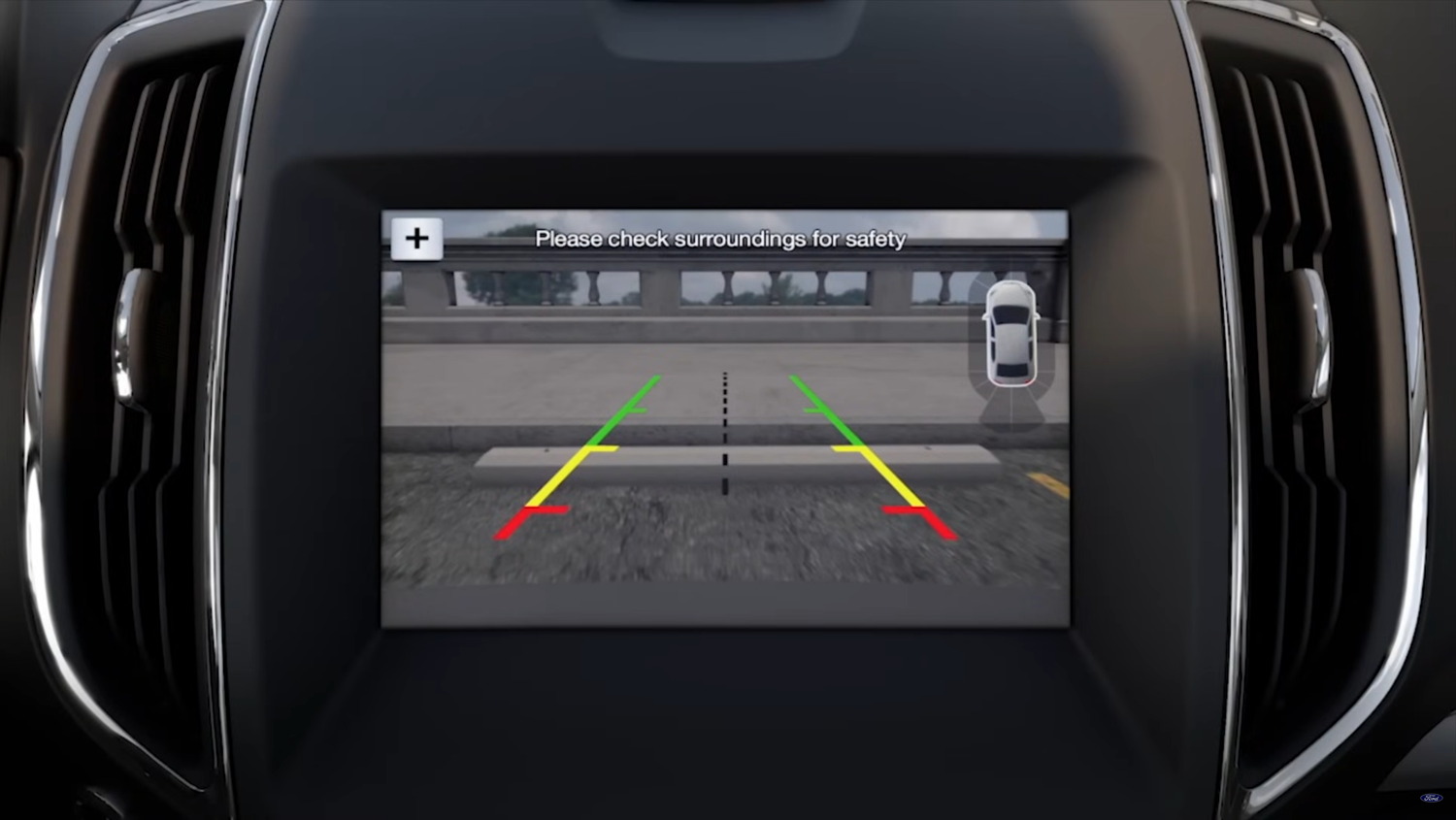
Car makers now use high-resolution cameras with wider angles. These cameras give clearer images and cover blind spots. Night vision cameras help drivers see in the dark. Some systems use infrared or thermal imaging.
- High-definition cameras show more detail
- Wide-angle lenses reduce blind spots
- Infrared cameras improve night vision
- Thermal imaging detects heat signatures
- 360-degree camera systems offer full surround views
Beyond Backup Cameras
Future cars may replace mirrors with digital displays. These use cameras to show live views on screens inside the car. Some cars will have sensors and AI to warn about obstacles. Others will use augmented reality to highlight dangers on the display.
| Technology | Benefit | Example Use |
| Digital Side Mirrors | Reduce blind spots | Show live video on door screens |
| AI Obstacle Detection | Warn about nearby objects | Alerts driver with sounds or visuals |
| Augmented Reality Displays | Highlight dangers | Overlay warnings on windshield |
| Sensor Fusion | Combine data from many sensors | Provide a full safety picture |
Credit: www.pocket-lint.com
Frequently Asked Questions
When Did Backup Cameras First Appear In Cars?
Backup cameras first appeared in luxury cars in the late 1990s. They were initially rare and expensive, aimed at improving safety while reversing.
Why Did Backup Cameras Become Mandatory In Vehicles?
Backup cameras became mandatory to reduce backup accidents. The U. S. law required all new cars to have them by May 2018.
How Do Backup Cameras Improve Driving Safety?
Backup cameras provide a clear rear view, eliminating blind spots. They help drivers detect obstacles, pedestrians, and other vehicles while reversing.
Which Car Brands First Introduced Backup Cameras?
Japanese automakers like Toyota and Nissan were early adopters. Luxury brands such as Cadillac also introduced backup cameras in the 1990s.
Conclusion
Backup cameras started appearing in cars in the early 2000s. They became common after safety rules made them mandatory in 2018. These cameras help drivers see behind their vehicles clearly. They reduce accidents and make parking easier. Today, most new cars come with backup cameras as a standard feature.
This small device has improved driving safety worldwide. Understanding its history shows how car technology keeps evolving. Safety and convenience continue to drive innovations in vehicles.