Have you ever wondered how the microwave oven became such a staple in your kitchen? Imagine your daily routine without it—no quick popcorn on movie nights, no reheating leftovers in minutes, and no instant warm beverages.
It’s hard to picture, right? Microwaves have revolutionized the way you prepare meals, offering you unparalleled convenience and speed. But when did this game-changing appliance first make its debut? Understanding the origins of the microwave can give you a new appreciation for this modern marvel.
Dive into the fascinating story behind the first microwave oven and discover how it transformed kitchens across the globe. Get ready to unlock the secrets of how this humble device became an indispensable part of your life.

Credit: medium.com
Early Heating Methods
Before microwave ovens became a kitchen staple, people relied on various heating methods to prepare their meals. These early techniques shaped the way food was cooked for centuries and set the stage for modern innovations. Understanding these methods helps you appreciate how far cooking technology has come and why the microwave was such a game-changer.
Traditional Cooking Techniques
Long before electricity entered kitchens, people used open fires, wood stoves, and clay ovens to cook food. These methods required constant attention and skill to maintain the right temperature. Imagine standing by a fire, adjusting logs and coals, making sure your meal doesn’t burn—cooking was a hands-on process.
Many cultures developed unique tools like cast iron pots and stone ovens to improve heat retention and distribution. These helped make cooking more efficient but still demanded patience and effort from the cook. Have you ever noticed how slow-cooked meals from these methods often have richer flavors? That’s the magic of time and steady heat.
Emergence Of Electric Appliances
Electric appliances started appearing in homes in the early 20th century, changing how people cooked. Devices like electric stoves and toasters offered more control and convenience compared to traditional methods. You no longer needed to manage a fire; instead, you could simply turn a knob.
These appliances made it easier to cook quickly and safely, especially in urban areas where open flames were less practical. Still, heating was mostly based on conduction and convection—direct contact or hot air moving around food. This meant cooking times were still relatively long, and energy use was high.
Have you ever wondered how the leap from electric stoves to microwave ovens happened? It’s a fascinating story of how technology keeps evolving to make your cooking faster and easier.

Credit: qz.com
Invention Of Microwave Technology
The invention of microwave technology changed how people cook food. It started from scientific discoveries and practical experiments. This technology uses microwaves, a type of electromagnetic wave, to heat food quickly and efficiently. Understanding its origin helps appreciate how this everyday appliance came to be.
Role Of Radar Technology
Radar technology played a key role in creating microwave ovens. It was first developed during World War II to detect enemy planes. Scientists worked with high-frequency radio waves, which later inspired microwave cooking. This technology showed how microwaves could pass through air and heat objects.
Radar systems used magnetrons to produce microwaves. These magnetrons generated powerful energy bursts. Researchers noticed that microwaves could heat food unexpectedly during radar tests. This observation led to the idea of using microwaves for cooking.
Percy Spencer’s Breakthrough
Percy Spencer was an engineer working with radar technology. He discovered microwave cooking by accident in 1945. While testing a magnetron, he saw a candy bar melt in his pocket. This surprising event sparked his interest in microwave heating.
Spencer experimented with popcorn kernels and eggs next. Both heated quickly and showed the potential for cooking food. He then developed the first microwave oven prototype. His invention made cooking faster and easier for many people.
First Microwave Oven Launch
The launch of the first microwave oven marked a significant change in how people prepared food at home and in commercial kitchens. Introduced in the late 1940s, this new technology aimed to save time and effort in cooking. However, the journey from concept to household staple involved several challenges and unique features that defined its early years.
Initial Models And Features
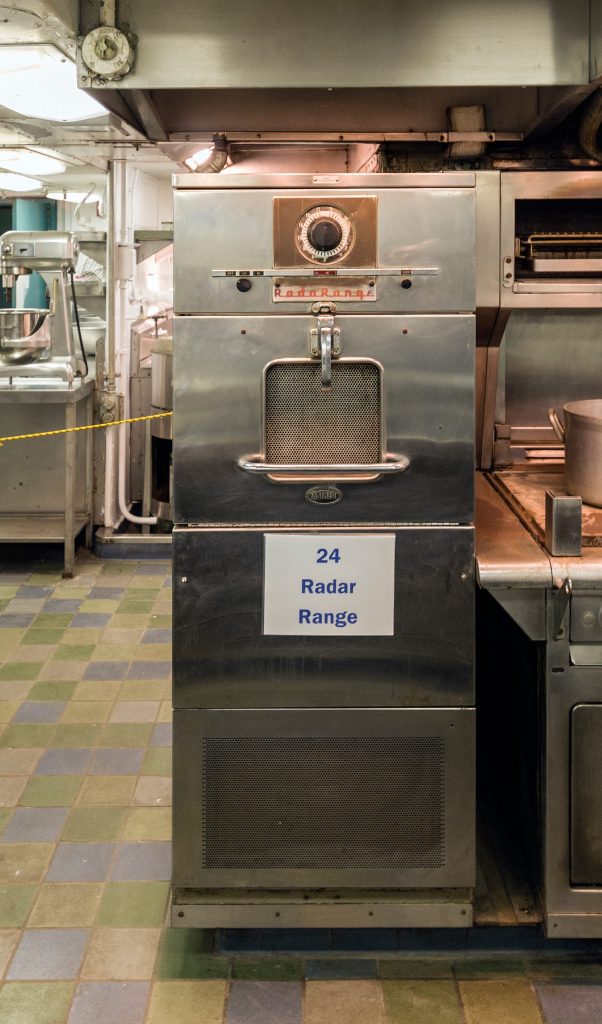
The first microwave oven, called the “Radarange,” was introduced by Raytheon in 1947. It was large and heavy, standing nearly 6 feet tall and weighing over 700 pounds. Unlike the compact models you see today, early microwaves were meant for commercial use in restaurants and hotels.
These ovens used magnetron tubes to generate microwaves that cooked food quickly from the inside out. The initial models had simple controls, mostly limited to setting cooking time. They lacked the precise temperature control and safety features that are standard now.
Challenges And Limitations
Despite the excitement around the new technology, early microwave ovens had several drawbacks. Their size and cost made them impractical for most home kitchens. The price was prohibitively high, often costing thousands of dollars in today’s money.
Users also faced issues with uneven cooking and limited food compatibility. Certain materials could not be used inside the oven, and metal objects posed safety risks. This raised concerns about how safe and reliable the device really was for everyday use.
Have you ever wondered how many inventions face a tough start before becoming part of daily life? Understanding these early hurdles helps you appreciate the convenience you enjoy with your microwave today.
Microwave Oven Evolution
The evolution of the microwave oven is a fascinating journey from a bulky laboratory device to a common kitchen essential. It reflects how innovation, design, and consumer needs shaped this appliance over time. Understanding this evolution helps you appreciate how the microwave became so practical and user-friendly today.
Design Improvements
The first microwave ovens were large, heavy, and expensive. Early models were mostly used in commercial settings, not homes. Over the decades, engineers worked hard to make them smaller, safer, and easier to use.
One key improvement was the addition of turntables, which allowed food to cook evenly without manual intervention. Control panels evolved from simple dials to digital touchpads, giving you precise cooking times. Manufacturers also introduced better shielding to prevent microwave leakage, improving safety.
Have you noticed how modern microwaves fit seamlessly into your kitchen decor? That’s the result of designers focusing on aesthetics as much as functionality, making them more appealing for everyday use.
Widespread Adoption
Microwave ovens first hit the consumer market in the late 1940s but remained a luxury item for years. Prices were high, and many people were unsure about using microwave technology for cooking. It took time for households to fully embrace this new appliance.
By the 1970s and 1980s, mass production and falling costs made microwaves affordable for most families. Cooking convenience and time savings became strong selling points. Schools, offices, and restaurants also started relying on microwaves, boosting their popularity even more.
Think about your own kitchen—how often do you reach for the microwave? Its widespread adoption has changed how we prepare meals, making quick cooking accessible to millions around the world.
Impact On Cooking And Lifestyle
The arrival of the first microwave oven changed how people cooked and lived. It introduced a new level of convenience that reshaped everyday routines. You might not realize how deeply it influenced your kitchen habits and lifestyle choices.
Changes In Food Preparation
Microwave ovens made cooking faster and simpler. You can heat leftovers in seconds, defrost frozen meals without waiting hours, and even prepare some dishes from scratch quickly. This shift means fewer pots and pans, less mess, and more time to focus on other things.
Have you noticed how many quick recipes now rely on microwaving? From steaming vegetables to making mug cakes, the microwave supports creative, easy cooking that fits a busy life. It encourages experimenting with food without the pressure of long cooking times.
Influence On Modern Kitchens
The microwave became a staple in kitchens worldwide, changing how these spaces are designed. Counter space is often reserved for the microwave, and built-in models have become common in cabinetry. This reflects how essential the appliance has become to daily cooking.
Its presence also impacts kitchen layouts and appliance choices. Many modern kitchen designs focus on efficiency, with microwaves placed at eye level for quick access. Think about your kitchen—does your microwave’s position make your cooking easier or more complicated?
Future Of Microwave Technology
The future of microwave technology holds exciting possibilities. Advances aim to improve cooking speed, safety, and convenience. Microwaves will become smarter and more efficient, adapting to user needs. These developments will change how people prepare food daily.
Innovations In Microwave Ovens
New microwave ovens will use better sensors to cook food perfectly. Some models might use artificial intelligence to adjust cooking times automatically. Improved energy efficiency will reduce power use and save money. Ovens may also include new cooking modes beyond simple heating, like grilling or steaming.
Integration With Smart Home Systems
Microwaves will connect easily to home networks and voice assistants. Users can control ovens remotely via smartphones or smart speakers. This allows starting, stopping, or checking cooking progress without being in the kitchen. Integration with other appliances can create a smoother cooking experience overall.

Credit: www.youtube.com
Frequently Asked Questions
When Was The First Microwave Oven Invented?
The first microwave oven was invented in 1945 by Percy Spencer. He discovered microwave cooking accidentally while working on radar technology during World War II.
Who Invented The First Microwave Oven?
Percy Spencer, an engineer at Raytheon, invented the first microwave oven. His discovery led to the development of the first commercial microwave oven in 1947.
When Did Microwave Ovens Become Commercially Available?
Microwave ovens became commercially available in 1947. However, they gained popularity in households mainly during the 1970s due to price drops and improved designs.
How Did The First Microwave Oven Work?
The first microwave oven used magnetron technology to generate microwaves. These waves heated food quickly by agitating water molecules inside the food.
Conclusion
The first microwave oven appeared in the late 1940s. It changed how people cook and heat food. Since then, microwaves have become common in homes worldwide. They save time and make cooking easier. Knowing its history helps appreciate this handy kitchen tool.
The microwave’s journey shows how technology improves daily life. Today, millions rely on it every day. A simple invention with lasting impact.