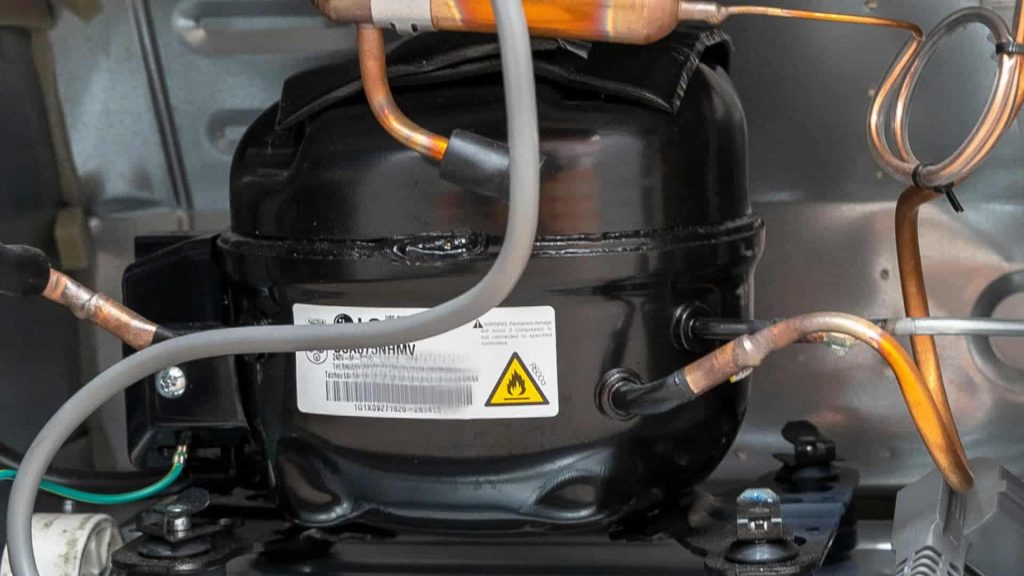
Have you ever wondered about the changes in the technology that keeps your food fresh? If you’ve heard the term “Freon” and are curious about its journey in the world of refrigerators, you’re not alone.
Freon was once the go-to refrigerant for keeping things cool. But times have changed. Understanding why and when manufacturers stopped using Freon can give you a glimpse into both environmental concerns and advancements in technology. As you dive deeper, you’ll discover how these changes might affect your daily life and the environment.
Ready to uncover the facts? Let’s dive in and explore the fascinating story behind Freon’s phase-out in refrigerators.

Credit: www.achrnews.com
History Of Freon In Refrigeration
Freon played a major role in the development of refrigeration technology throughout the 20th century. It became the go-to refrigerant for households and industries alike. Understanding its history helps you see why changes were necessary and when they happened.
Early Use Of Freon
Freon was introduced in the 1920s as a safer alternative to earlier refrigerants like ammonia and sulfur dioxide, which were toxic and flammable. Its chemical stability and non-flammability made it revolutionary. Early refrigerators quickly adopted Freon, making cooling safer and more accessible for everyday use.
Do you know that before Freon, many households avoided refrigerators due to safety concerns? This shift marked a turning point in how people preserved food.
Popularity And Benefits
Freon’s popularity soared because it was efficient and easy to manufacture. It helped refrigerators run quietly and with less energy, which saved money for families. Moreover, Freon was non-toxic, which reduced risks for users, boosting consumer confidence.
However, while Freon seemed perfect, it wasn’t without problems. Its impact on the ozone layer wasn’t understood initially, leading to environmental concerns decades later. This history shows how important it is to balance innovation with long-term effects.
Environmental Concerns
Environmental concerns played a major role in stopping the use of Freon in refrigerators. As awareness about the damage caused by certain chemicals grew, people started demanding safer alternatives. Understanding these concerns helps you appreciate why Freon was phased out and what it means for your appliances and the planet.
Impact On Ozone Layer
Freon, a type of chlorofluorocarbon (CFC), was found to cause serious harm to the ozone layer. The ozone layer protects us from harmful ultraviolet (UV) rays from the sun. When Freon escapes into the atmosphere, it breaks down ozone molecules, creating holes in this protective shield.
Have you ever wondered why UV warnings became more common decades ago? That’s directly linked to the damage caused by substances like Freon. Protecting the ozone layer means fewer cases of skin cancer and less harm to wildlife.
Health And Safety Risks
Besides environmental damage, Freon posed health risks too. If leaked in a confined space, it can displace oxygen, causing breathing difficulties or even fainting. Prolonged exposure to high concentrations can also affect the heart and nervous system.
Imagine working in a kitchen with an old refrigerator that leaks Freon without you knowing. That silent risk is why many countries banned its use. Your safety and that of your family depend on using appliances with safer refrigerants.
Regulations And Bans
Regulations and bans played a crucial role in ending the use of Freon in refrigerators. As concerns about environmental damage grew, governments worldwide introduced laws to phase out harmful refrigerants. These rules pushed manufacturers to switch to safer alternatives, changing the refrigeration industry forever.
Montreal Protocol
The Montreal Protocol, signed in 1987, was a key global agreement aimed at protecting the ozone layer. It targeted substances like CFCs, including many types of Freon, which were damaging the atmosphere. Countries agreed to gradually reduce and eventually stop producing these chemicals.
This protocol was successful because it had clear deadlines and international cooperation. It’s interesting to think about how a single agreement influenced the refrigerators in your kitchen today. Without it, you might still be using appliances filled with ozone-harming gases.
Phase-out Timelines Worldwide
Different countries followed the Montreal Protocol with their own phase-out schedules. For example:
- The United States banned the production of most CFC-based refrigerants by 1996.
- European countries started phasing out Freon in the early 1990s, with complete bans by the mid-2000s.
- Developing nations were given more time but are now also transitioning to eco-friendly refrigerants.
These timelines meant manufacturers had to adapt quickly. Have you ever wondered why your old fridge might still use Freon, while newer models don’t? It’s all because of these staggered bans that allowed a gradual but firm shift away from harmful chemicals.

Credit: www.allaustinrepairs.com
Alternatives To Freon
Freon was once the go-to refrigerant in refrigerators, but environmental concerns pushed the industry to find better alternatives. Today, you’ll find a variety of options that are safer for the planet and often more energy-efficient. Let’s look at some of the main alternatives to Freon and how they’re changing the way we keep things cool.
Natural Refrigerants
Natural refrigerants like ammonia, carbon dioxide (CO2), and hydrocarbons have gained popularity because they have low global warming potential (GWP) and zero ozone depletion potential (ODP). Ammonia is highly efficient but needs careful handling due to its toxicity. CO2 works well in commercial refrigeration and is becoming more common in home systems too.
Hydrocarbons such as propane and isobutane are also used widely. They offer great cooling performance and are environmentally friendly, but they are flammable, so safety measures are essential. Have you noticed how newer refrigerators often mention “eco-friendly refrigerant” on their labels? That’s usually one of these natural options at work.
New Synthetic Options
Not all synthetic refrigerants are harmful. Newer formulations like hydrofluoroolefins (HFOs) offer much lower GWP compared to traditional Freon. They provide a balance between safety, performance, and environmental impact, making them suitable for many modern refrigerators.
Manufacturers have started using blends of HFOs and other compounds to optimize efficiency while reducing harm to the atmosphere. These refrigerants often require less maintenance and can improve energy use, saving you money in the long run. Would you consider choosing a refrigerator based on its refrigerant type if it meant cutting down your energy bills?
Freon Phase-out In Refrigerators
The phase-out of Freon in refrigerators marked a significant shift in how cooling appliances impact the environment. Freon, a brand name for certain chlorofluorocarbons (CFCs), was once widely used as a refrigerant due to its effectiveness. However, concerns over its ozone-depleting properties led to regulatory actions that changed the appliance industry forever.
Timeline For Manufacturers
The journey away from Freon began in the late 1980s after the Montreal Protocol set strict limits on CFC production. By the early 1990s, major refrigerator manufacturers started phasing out Freon, adopting alternative refrigerants like HFCs and later more eco-friendly options.
Most new refrigerators stopped using Freon by the mid-1990s in the U.S. and Europe. Some regions took longer due to different regulations and market readiness. Have you ever wondered why older fridges feel less eco-friendly when you use them?
Effect On Appliance Market
The Freon phase-out pushed companies to innovate rapidly. Manufacturers had to redesign compressors and cooling systems to work with new refrigerants that are less harmful to the ozone layer.
This shift also influenced pricing and availability. Early models with alternative refrigerants were often more expensive, but over time, costs dropped as technology improved. Your decision to buy a newer refrigerator not only helps the environment but also often means better energy efficiency and lower utility bills.
Disposal And Recycling
Disposing of old refrigerators requires care to protect the environment. Many older units contain Freon, a harmful refrigerant. Handling these appliances safely is important. Proper recycling helps reduce pollution and recovers valuable materials.
Handling Old Refrigerators
Old refrigerators often hold Freon or other refrigerants. These chemicals damage the ozone layer and increase greenhouse gases. Never throw refrigerators in regular trash. Contact certified disposal centers or recycling programs. Professionals safely remove refrigerants before breaking down the appliance.
Remove doors or locks to prevent accidents. Transport units carefully to avoid leaks. Inform the recycler about the refrigerator’s age and type. This helps ensure proper handling of chemicals and parts.
Environmental Best Practices
- Use certified e-waste recyclers for appliance disposal.
- Ensure refrigerants are extracted and recycled or destroyed safely.
- Recycle metals and plastics from old refrigerators to reduce waste.
- Follow local laws for hazardous waste disposal.
- Support programs that promote appliance recycling and environmental safety.
Recycling old refrigerators helps conserve resources and lowers pollution. Responsible disposal protects the planet for future generations. Always choose eco-friendly options for old appliance disposal.
Future Of Refrigeration Technology
The future of refrigeration technology promises cooler, smarter, and greener solutions. Innovations aim to improve energy use and reduce environmental harm. Advances in materials and design will change how refrigerators work and how they impact the planet.
Emerging Innovations
New cooling methods use natural refrigerants like propane and ammonia. These substances cool without harming the ozone layer or causing high global warming. Smart sensors and IoT connect refrigerators to the internet. This helps monitor food freshness and energy use in real time.
Magnetic refrigeration is gaining interest. It uses magnets to cool without traditional gases. This method is quieter and more energy-efficient. Solid-state cooling, using materials that change temperature under electricity, is another option. It promises compact and eco-friendly refrigerators.
Sustainability Trends
Eco-friendly refrigerators focus on reducing carbon footprints. Manufacturers use recycled and biodegradable materials in production. Energy efficiency standards grow stricter worldwide. This pushes companies to build fridges that use less power.
Solar-powered refrigeration systems are rising, especially in off-grid areas. These systems run on clean energy, cutting reliance on fossil fuels. Repairable and modular designs extend fridge lifespans and reduce waste. Consumers prefer products that last longer and are easy to fix.

Credit: nlr.ar.gov
Frequently Asked Questions
When Did Manufacturers Stop Using Freon In Refrigerators?
Manufacturers began phasing out Freon in refrigerators during the early 1990s. By 1995, most new models used alternative refrigerants. This change was due to environmental concerns over Freon’s ozone-depleting effects. The shift improved energy efficiency and reduced harmful emissions.
Why Was Freon Banned In Refrigerator Production?
Freon was banned because it contains CFCs, which damage the ozone layer. The Montreal Protocol in 1987 led to strict regulations. These regulations pushed manufacturers to adopt eco-friendly refrigerants. This helped protect the environment and reduce global warming risks.
What Refrigerants Replaced Freon In Modern Refrigerators?
Modern refrigerators use hydrofluorocarbon (HFC) refrigerants like R-134a and R-600a. These alternatives are less harmful to the ozone layer. They also provide better cooling efficiency. This transition supports sustainability and compliance with environmental laws.
Can Old Refrigerators With Freon Still Be Used Safely?
Yes, old refrigerators with Freon can be used if properly maintained. Avoid leaks, as Freon is harmful if released. Consider professional servicing for safe handling and disposal. Replacing old units with eco-friendly models is recommended for long-term benefits.
Conclusion
Freon use in refrigerators stopped mostly in the 1990s. New chemicals replaced it to protect the ozone layer. These alternatives are safer for the environment. Modern refrigerators work well without Freon. Knowing this helps understand fridge history and changes. It also shows how technology adapts to protect nature.
The shift away from Freon marked a big step for health and safety. Today’s fridges use better, eco-friendly coolants. This change benefits both people and the planet.