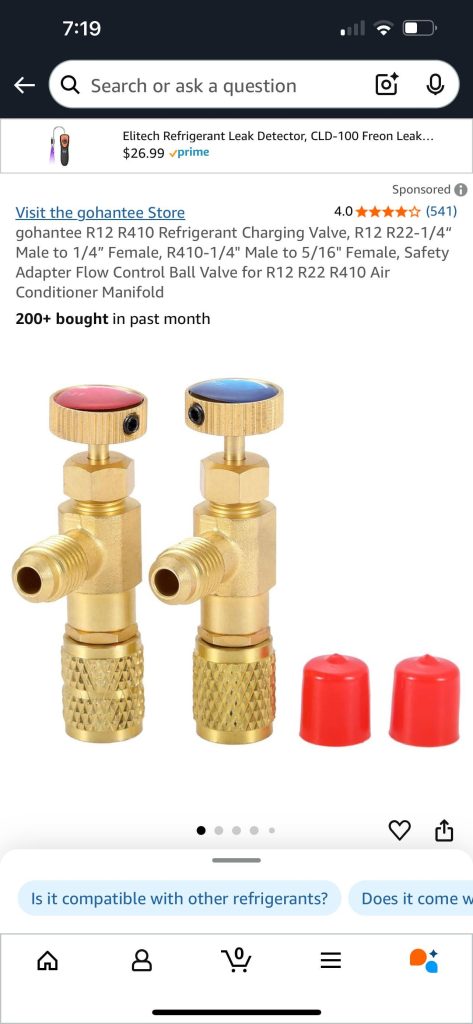
Are you tired of losing refrigerant every time you service your HVAC system? You’re not alone.
Refrigerant loss not only wastes money but also harms the environment. That’s where positive shutoff fittings come in. But when exactly do these fittings help reduce refrigerant loss? Understanding this can save you time, money, and frustration. Keep reading to discover how and when positive shutoff fittings make a real difference in protecting your refrigerant and improving your system’s efficiency.

Credit: www.reddit.com
Role Of Positive Shutoff Fittings
Positive shutoff fittings play a crucial role in reducing refrigerant loss during HVAC maintenance and system servicing. These fittings act as secure barriers, preventing refrigerants from escaping when components are disconnected. Understanding their function helps you minimize environmental impact and save on costly refrigerant refills.
How Positive Shutoff Fittings Work
Positive shutoff fittings use built-in valves that close automatically when disconnected. This feature stops refrigerant flow instantly, avoiding leaks. When you disconnect a hose or tool, the valve snaps shut, sealing the system tight.
Think about the last time you worked without these fittings. Were you frustrated with the loss of refrigerant every time you changed a component? Positive shutoff fittings remove that worry and make your work cleaner and faster.
Types Of Shutoff Fittings
There are several types of positive shutoff fittings designed for different uses and refrigerants:
- Quick-Connect Fittings:Snap on and off easily, perfect for frequent service calls.
- Valve Core Fittings:Feature internal valves that close when disconnected, ideal for permanent lines.
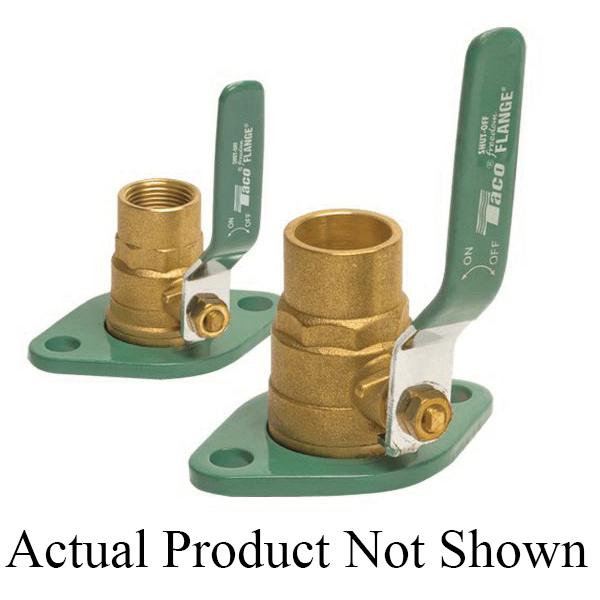
- Ball Valve Fittings:Include a manual valve to control refrigerant flow before disconnecting.
Choosing the right type depends on your specific system and how often you need to connect or disconnect lines. Which fitting type fits your daily workflow best?
Credit: www.shop-noble.ca
Factors Influencing Refrigerant Loss
Understanding the factors that influence refrigerant loss is essential for maintaining an efficient cooling system. Even small leaks can lead to significant energy waste and costly repairs. Knowing what causes these leaks and how fitting quality and installation impact them can help you make better decisions about your HVAC maintenance.
Common Causes Of Refrigerant Leakage
Refrigerant leaks often start from tiny cracks or loose connections in the system. Over time, vibrations and temperature changes can cause seals to weaken and fittings to loosen.
Corrosion is another frequent culprit, especially in outdoor units exposed to moisture. Dirt and debris buildup around the fittings can also wear down seals and create gaps.
- Wear and tear on seals and gaskets
- Improper tightening of fittings
- Physical damage from accidents or impacts
- Corrosion due to environmental exposure
Have you ever noticed your system losing efficiency after a few months? It might be due to one of these common leaks.
Impact Of Fitting Quality And Installation
The quality of shutoff fittings plays a huge role in preventing refrigerant loss. High-quality fittings use durable materials and precise engineering to create a tighter seal.
Installation also matters just as much. Even the best fittings won’t work properly if they aren’t installed correctly. Over-tightening can damage threads, while under-tightening leaves gaps.
Professional installation ensures fittings are sealed properly and tested for leaks before the system runs. This attention to detail can save you from unexpected refrigerant loss and costly downtime.
Ask yourself: Are you using top-grade fittings and trusted installers? Your system’s efficiency depends on it.
Scenarios Minimizing Refrigerant Loss
Positive shutoff fittings reduce refrigerant loss during maintenance by sealing the system quickly and tightly. They prevent leaks when disconnecting or connecting components, keeping the refrigerant contained. This helps save energy and lowers environmental impact.
Refrigerant loss poses a significant challenge in HVAC systems. Positive shutoff fittings offer an effective solution. They prevent leakage by sealing the system. This section explores scenarios that minimize refrigerant loss.Proper Use During Maintenance
Regular maintenance keeps HVAC systems efficient. Positive shutoff fittings play a vital role. They ensure minimal refrigerant escape during checks. Technicians can safely disconnect components. This reduces unnecessary exposure to the environment. Efficient maintenance requires using these fittings correctly. They help maintain system integrity.Effectiveness In System Isolation
System isolation is crucial for repairs. Positive shutoff fittings excel here. They allow parts of the system to be isolated. This prevents refrigerant from escaping. It keeps the rest of the system intact. Isolating components minimizes refrigerant loss. It also ensures safety during repairs. Proper isolation protects the environment and the system.Limitations Of Positive Shutoff Fittings
Positive shutoff fittings are designed to minimize refrigerant loss during HVAC maintenance or system changes. However, they are not perfect solutions in every situation. Understanding their limitations helps you decide when and where these fittings will truly protect your system and when they might fall short.
When Fittings May Fail To Prevent Loss
Positive shutoff fittings rely on creating a tight seal, but that seal can fail under certain conditions. If the fitting is damaged, worn out, or improperly installed, refrigerant can still leak out despite the shutoff mechanism.
Also, fittings may not prevent loss if the system pressure is too high or if there is residual refrigerant trapped beyond the fitting. Have you ever noticed a slow leak even after using these fittings? This happens because the valve can only seal so well under pressure and wear.
Environmental And Operational Constraints
Extreme temperatures and corrosive environments can degrade the materials of positive shutoff fittings. Over time, exposure to harsh conditions weakens seals and metal parts, reducing their effectiveness.
Operational factors such as frequent disconnections or vibrations can also cause fittings to loosen or fail. If your system operates in a challenging environment, relying solely on these fittings might not be enough to prevent refrigerant loss.
Best Practices For Refrigerant Management
Effective refrigerant management plays a key role in reducing losses and ensuring system efficiency. Positive shutoff fittings help minimize refrigerant leaks, but following best practices maximizes their benefits. Proper handling and maintenance protect the environment and save costs.
Installation Tips For Maximum Efficiency
Choose high-quality positive shutoff fittings designed for your system type. Ensure all fittings are clean and free of debris before installation. Tighten fittings firmly but avoid over-tightening to prevent damage. Use proper tools to maintain a secure connection. Install fittings in accessible locations for easy maintenance and inspection.
Regular Inspection And Testing
Schedule routine checks to detect leaks early. Use leak detection tools like electronic sniffers or UV dye. Inspect fittings for signs of wear, corrosion, or damage. Test system pressure to confirm tight seals. Replace any faulty fittings promptly to avoid refrigerant loss. Keep detailed records of inspections and repairs for tracking.

Credit: www.achrnews.com
Frequently Asked Questions
When Do Positive Shutoff Fittings Reduce Refrigerant Loss?
Positive shutoff fittings reduce refrigerant loss during equipment servicing or system disconnection. They seal the refrigerant within the system, preventing escape. This is especially useful when replacing components or performing maintenance, ensuring minimal environmental impact and maintaining system efficiency.
How Do Positive Shutoff Fittings Prevent Refrigerant Leaks?
These fittings have built-in valves that automatically close when disconnected. This stops refrigerant from escaping into the atmosphere. Their design ensures a secure seal, reducing leak risks during maintenance or system changes, which helps comply with environmental regulations.
Can Positive Shutoff Fittings Save On Refrigerant Costs?
Yes, they minimize refrigerant loss during servicing, reducing the need for costly refills. By preventing leaks, they help maintain optimal system performance and extend refrigerant lifespan, ultimately lowering operational expenses.
Are Positive Shutoff Fittings Compatible With All Refrigerants?
Most positive shutoff fittings are designed to work with common refrigerants like R-410A and R-22. However, compatibility depends on the fitting material and design. Always check manufacturer specifications to ensure proper use with your refrigerant type.
Conclusion
Positive shutoff fittings help reduce refrigerant loss during maintenance. They close tightly, stopping gas from escaping. Using them saves money and protects the environment. These fittings work best when properly installed and maintained. Choosing the right type depends on your system’s needs.
Small steps like this make a big difference over time. Remember, keeping refrigerant inside means better system performance and less waste. Simple tools can protect both your equipment and the planet.