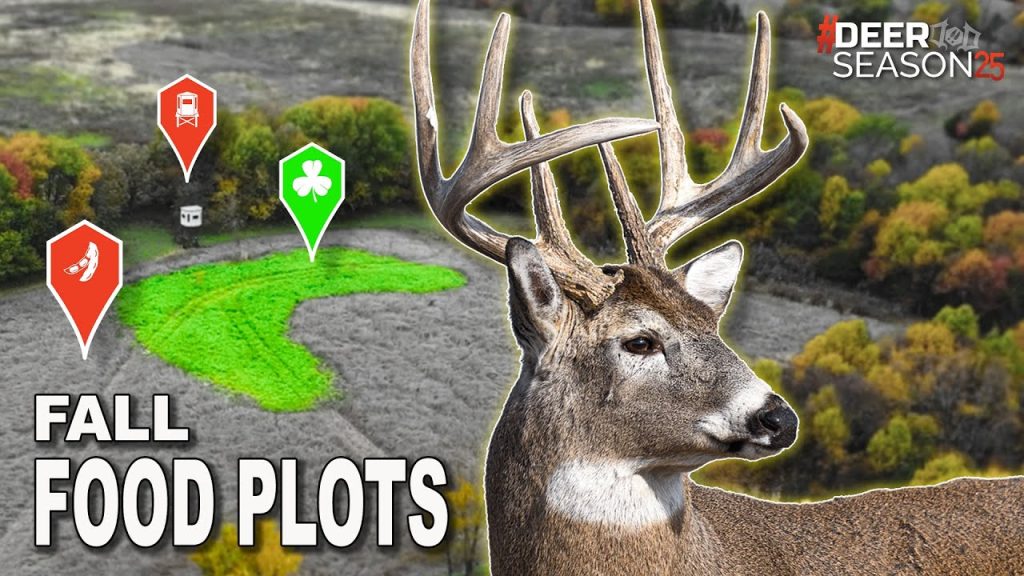
Are you wondering when the best time is to plant a food plot for deer? Timing can make all the difference between a thriving plot and one that struggles to grow.
Knowing exactly when to plant ensures your food plot attracts more deer and supports them through the seasons. You’ll discover the key planting windows, simple tips, and expert advice to help you get the most out of your food plot.
Keep reading to find out how to create a perfect feeding spot that keeps deer coming back year after year.
Best Seasons To Plant
Planting a food plot for deer depends on the right season. Choosing the best time helps plants grow strong and attract deer.
Spring and fall are the best seasons to plant food plots. Each has unique benefits for growth and deer attraction.
Spring Planting Tips
Spring planting lets plants grow during warm months. It gives deer fresh food in late summer and early fall.
Soil should be warm enough, usually above 50°F (10°C). Plant after the last frost date for your area.
- Prepare soil by tilling and removing weeds
- Use high-quality seeds suitable for deer
- Keep soil moist but avoid overwatering
- Plant early to give plants time to grow
Fall Planting Advantages
Fall planting helps plants grow in cool weather. Deer find fresh food in late fall and winter.
Plant after the first frost or when soil cools to about 40°F (4°C). Fall rains help seeds sprout well.
- Choose cold-tolerant seeds like clover and winter peas
- Prepare soil by testing and adding nutrients if needed
- Plant seeds shallow for better germination
- Fall plots reduce weed competition in spring

Credit: nwdistrict.ifas.ufl.edu
Soil Preparation
Preparing the soil is key for a successful food plot for deer. Good soil helps plants grow strong and healthy. This section covers how to test soil quality and prepare the land.
Proper soil preparation supports better seed growth and attracts more deer to your plot.
Testing Soil Quality
Testing soil helps you understand its nutrients and pH level. This info guides what to add for healthy plants.
- Collect soil samples from different areas in your plot.
- Send samples to a local extension office or soil lab.
- Review results for pH, nitrogen, phosphorus, and potassium levels.
- Adjust soil with lime or fertilizer based on recommendations.
- Retest soil after amendments to check progress.
Clearing And Tilling
Clear the area by removing brush, rocks, and old roots. This makes planting easier and reduces competition for nutrients.
Tilling loosens the soil and mixes in any amendments. It helps roots grow deep and access water.
| Task | Purpose |
|---|---|
| Clearing debris | Remove obstacles for planting and growth |
| Tilling soil | Loosen soil and mix in nutrients |
| Leveling ground | Prevent water pooling and promote even growth |
Choosing The Right Seeds
Planting a food plot for deer can help attract wildlife to your property. Choosing the right seeds is crucial for the success of your plot.
Different seeds thrive in different regions, so it’s important to select the ones best suited for your area.
Popular Deer Food Plot Crops
Some seeds are more popular because they are effective and easy to grow.
- Clover
- Alfalfa
- Chicory
- Soybeans
- Brassicas
Seed Selection Based On Region
The climate and soil type in your area will affect which seeds you should plant.
| Region | Recommended Seed |
| Midwest | Soybeans, Clover |
| Southeast | Chicory, Alfalfa |
| Northeast | Brassicas, Clover |
| West | Alfalfa, Chicory |

Credit: www.gameandfishmag.com
Ideal Weather Conditions
Planting a food plot for deer needs good weather. The right conditions help seeds grow strong and healthy.
Temperature and moisture are two key weather factors. They affect how well your plot starts and grows.
Temperature Requirements
Deer food plot seeds grow best in warm soil. Ideal soil temperatures range from 50°F to 85°F.
Cooler temperatures slow seed germination. Warmer soil helps seeds sprout quickly and evenly.
- Plant cool-season crops when soil is 50°F to 65°F
- Plant warm-season crops when soil is 65°F to 85°F
- Avoid planting during frosty or very cold days
Rainfall And Moisture
Moist soil helps seeds absorb water and nutrients. Without enough moisture, seeds will not grow well.
Plant your food plot before a steady rain or irrigation. This keeps the soil moist and helps seeds sprout.
- Check weather for upcoming rain before planting
- Soil should stay moist but not waterlogged
- Use irrigation if rain is not expected soon
Planting Techniques
Planting a food plot for deer needs careful planning and good techniques. Timing and soil preparation matter a lot for good growth.
Using the right planting methods helps seeds grow faster and creates a healthy plot. You can improve food availability for deer this way.
Seeding Methods
There are different ways to plant seeds in your food plot. The goal is to get good seed-to-soil contact for strong growth.
Broadcast seeding spreads seeds evenly over the soil surface. Drilling places seeds deeper into the soil in rows, which protects them better.
- Broadcast seeding:Use a spreader to drop seeds over the plot.
- Drilling:Use a seed drill to plant seeds 0.5 to 1 inch deep.
- Hand seeding:Good for small plots or touch-up areas.
- Cover seeds:Lightly rake or drag soil over seeds to protect them.
Fertilizing And Mulching
Fertilizing supplies nutrients plants need to grow strong. Test your soil to find the right fertilizer mix before planting.
Mulching helps keep soil moist and protects seeds from birds and erosion. Use straw or hay as a light cover after planting.
- Apply fertilizer based on soil test results.
- Use slow-release fertilizers for steady feeding.
- Spread mulch in a thin layer to keep seeds safe.
- Water the plot gently after mulching.
Managing Growth And Maintenance
Growing a successful food plot for deer requires careful growth and maintenance steps. You must keep the plants healthy and attractive to deer throughout the season.
Proper watering and weed control are key to a thriving plot. These actions help plants grow strong and provide good food for deer.
Watering Schedules
Water plants regularly, especially during dry spells. Deer food plots need about one inch of water each week. Early morning watering helps reduce disease.
- Check soil moisture weekly
- Water deeply to encourage strong roots
- Avoid overwatering, which can harm plants
- Use drip irrigation or soaker hoses for best results
Weed Control Strategies
Weeds compete with food plot plants for nutrients and water. Control weeds early before they spread. Use safe herbicides or hand-pull weeds.
| Weed Control Method | When to Use | Advantages |
| Hand Pulling | Small plots or early season | No chemicals, selective removal |
| Herbicides | Large areas or heavy weed growth | Effective and fast control |
| Mulching | Between rows or new plots | Suppresses weeds, retains moisture |
Timing For Optimal Deer Attraction
Planting a food plot for deer at the right time is key to attracting them. The timing affects how well plants grow and how much deer will feed on them.
Understanding plant growth stages and deer habits helps pick the best planting dates. Also, adjusting for hunting seasons can improve your chances of success.
Growth Stages And Deer Feeding Habits
Deer prefer plants at certain growth stages. Young, tender shoots have more nutrients and attract more deer than mature plants.
- Early growth stage: plants are tender and high in protein.
- Mid growth stage: plants grow strong but become tougher.
- Late growth stage: plants mature and lose some nutritional value.
Planting too early or too late can miss the peak feeding time. Aim for planting dates that match the early to mid growth stages during hunting season.
Adjusting Planting Based On Hunting Seasons
| Hunting Season | Ideal Planting Time | Reason |
| Early Season | Late Spring to Early Summer | Plants reach peak growth as season starts |
| Mid Season | Early to Mid Summer | Plants stay fresh and nutritious |
| Late Season | Mid to Late Summer | New growth attracts deer despite cold weather |
Adjust your planting dates to ensure food plots are at their best during hunting times. This planning helps keep deer feeding where you want them.

Credit: www.themeateater.com
Frequently Asked Questions
When Is The Best Time To Plant A Deer Food Plot?
The best time to plant a deer food plot is early spring or late summer. These seasons provide optimal soil temperature and moisture for seed germination. Planting during these periods helps ensure healthy growth and attracts deer effectively throughout the year.
How Long Does It Take For A Food Plot To Grow?
A food plot typically takes 3 to 6 weeks to establish. Growth depends on seed type, soil quality, and weather conditions. Proper soil preparation and watering can speed up growth and improve the plot’s attractiveness to deer.
What Soil Conditions Are Ideal For Deer Food Plots?
Ideal soil for deer food plots is well-drained, fertile, and slightly acidic to neutral (pH 6. 0-7. 0). Good soil promotes strong plant growth, attracting more deer. Testing soil before planting helps in selecting the right amendments for better results.
Can I Plant A Food Plot In The Fall For Winter Deer Feeding?
Yes, fall planting works well for winter deer feeding. Cool-season plants like clover and winter wheat thrive when planted in fall. This provides a nutritious food source for deer during colder months when natural forage is scarce.
Conclusion
Planting a food plot for deer needs good timing and care. Choose the right season for the seeds to grow well. Early spring or late summer works best for most plants. Keep soil healthy and water often to help growth.
Watch the weather and avoid planting before frost. A well-timed food plot attracts deer and helps them stay healthy. Start early, plan well, and enjoy watching deer visit your land. Simple steps lead to better results in your food plot.