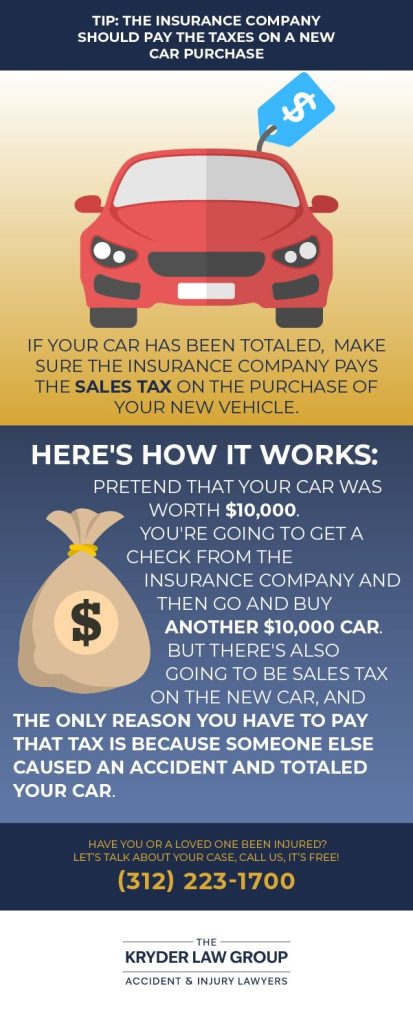
Have you ever wondered what happens when your car is damaged in an accident? You might hear the term “totaled” and wonder what it really means for you and your vehicle.
Knowing when an insurance company decides to total a car can save you time, stress, and money. You’ll discover the key factors that lead to this decision and how it affects your options. Keep reading to understand what triggers a total loss and what you should do if it happens to you.

Credit: www.freeadvice.com
Damage Thresholds
Damage thresholds refer to the point where repair costs exceed a car’s value. Insurance companies total a car when fixing it is not cost-effective. This helps protect both the insurer and the car owner from excessive expenses.
Understanding when an insurance company decides to total a car revolves around the concept of damage thresholds. This is a key factor that determines if repairing a car is more costly than it’s worth. Knowing these thresholds can save you from unexpected surprises and help you make informed decisions.Repair Cost Versus Car Value
Insurance companies often compare the repair costs to the car’s actual cash value. If the cost to fix your car exceeds a certain percentage of its value, it’s typically declared a total loss. This percentage varies by insurer but is commonly around 70-80%. Imagine your car is valued at $10,000, and repair costs are $8,000. Your insurer might decide it’s not worth repairing.Structural Damage Impact
Structural damage can significantly impact the decision to total a car. Damage to the frame or structural components can affect safety and future repair costs. Even if the initial repair seems manageable, hidden damages can lead to ongoing issues. Have you ever wondered why some cars are totaled after a minor accident? It’s often due to extensive structural damage.Mechanical Failures Considered
Mechanical failures also play a crucial role in an insurance company’s decision. If the car’s engine or transmission is severely damaged, it may be deemed uneconomical to repair. Consider the potential long-term reliability of your car. Would you feel confident driving a car with a compromised engine after a major accident? These factors weigh heavily in the insurance company’s evaluation process. Understanding damage thresholds gives you a clearer picture of the insurance process. It empowers you to navigate claims with confidence and clarity. Would you prefer a detailed discussion with your insurer to understand your options better?Assessment Process
The assessment process is a crucial step in determining whether an insurance company will declare your car a total loss. This evaluation involves several detailed checks to understand the extent of damage and the cost of repairs. Knowing what happens during this process can help you manage expectations and better communicate with your insurer.
Insurance Adjuster’s Role
The insurance adjuster acts as the company’s eyes and ears on the ground. They visit the site or inspect your vehicle to assess damage firsthand. Their job is to estimate repair costs accurately and decide if those costs exceed the car’s value.
Adjusters also review your policy to understand coverage limits. They ask questions about how the accident happened and check for previous damages. Their findings heavily influence whether your car is totaled or repairable.
Inspection Techniques
Inspection goes beyond just looking at dents and scratches. Adjusters examine the structural integrity of the vehicle, including the frame, engine, and safety systems. Hidden damages, like internal frame bends or electrical issues, can increase repair costs significantly.
Sometimes, adjusters use a checklist to ensure no part is overlooked. They might also collaborate with auto repair shops for a professional opinion. This thorough inspection helps avoid surprises during the repair process.
Use Of Estimating Software
Estimating software plays a big role in speeding up the assessment. These programs calculate the cost of parts, labor, and materials based on the damage details entered by the adjuster. They use up-to-date pricing from manufacturers and repair shops.
The software can quickly compare repair costs to the car’s current market value. This data helps the insurance company decide if repairs are financially sensible or if the car should be totaled. Have you ever wondered how these numbers come together so fast?
Key Indicators For Total Loss
Insurance companies decide to total a car based on damage severity and repair costs. They compare repair expenses to the car’s market value. Certain signs strongly suggest a total loss. Knowing these key indicators helps car owners understand insurance decisions.
Severe Frame Damage
Damage to the car’s frame is a major factor. The frame holds the vehicle’s structure and safety features. Severe bending or cracks make repairs expensive and unsafe. Insurance companies often total cars with irreparable frame damage.
Flood Or Fire Damage
Flood and fire can cause hidden, extensive damage. Water ruins electrical systems and causes rust. Fire harms metal, plastic, and wiring beyond repair. Repairing these issues costs more than the car’s value. Insurers usually declare such cars a total loss.
Airbag Deployment
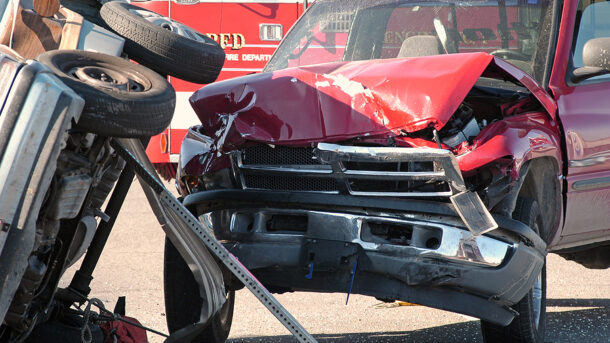
Airbag deployment signals a strong impact. Replacing airbags and fixing related damage is costly. If airbags deploy in multiple areas, repair costs rise quickly. This often leads insurance companies to total the vehicle.
Credit: www.claimsjournal.com
Policy Factors Influencing Total Loss
Several policy factors influence whether an insurance company totals a car. These factors help decide if repairing the vehicle costs more than its value. Understanding these can clarify how insurers reach their decisions.
State Regulations
Each state sets rules on when a car is considered a total loss. These laws define the percentage of damage compared to car value. Insurers follow these legal limits strictly. The threshold can range from 50% to 80%, depending on the state. This means a car may be totaled in one state but repaired in another.
Insurance Policy Terms
Policies have specific terms that affect total loss decisions. Some policies cover replacement cost, others actual cash value. The type of coverage influences the payout amount. Policies may also include clauses about salvage rights. These details shape how claims are handled and settled.
Deductible Effects
The deductible amount plays a role in the total loss process. Higher deductibles can affect whether a claim is filed or repaired. If repair costs are close to the car’s value minus deductible, totaling is more likely. Deductibles reduce the insurer’s payment, impacting the final decision.
Aftermath Of A Total Loss
Experiencing a total loss of a car brings many challenges. The owner faces financial and legal matters. Knowing what happens next helps in making smart choices. This section covers the key points after a car is declared totaled by the insurance company.
Claim Settlement Process
The insurance company assesses the car’s value before the accident. They consider factors like age, mileage, and condition. Then, they offer a payout based on that value. The payout usually covers the car’s current market price.
Owners must review the offer carefully. They can negotiate if they find proof of higher value. Once accepted, the insurance pays the owner. The company then takes ownership of the damaged car.
Salvage Title Implications
A car declared a total loss often receives a salvage title. This title signals the vehicle was severely damaged. It lowers the car’s resale value significantly. Buyers might avoid cars with salvage titles due to risks.
Cars with salvage titles can be repaired and inspected. After passing inspection, they may get a rebuilt title. This means the car is roadworthy but still carries a history of damage.
Options For Owners
- Accept the insurance payout and surrender the car.
- Keep the car and repair it independently.
- Sell the damaged car to a salvage yard.
- Use the payout toward a new or used vehicle purchase.
Each option has pros and cons. Owners should weigh costs, needs, and future plans carefully. Understanding these choices can ease the stress after a total loss.

Credit: elevatedhailrepair.com
Frequently Asked Questions
When Does An Insurance Company Declare A Car Totaled?
An insurance company totals a car when repair costs exceed its market value. This usually happens after severe accidents or major damage. The insurer calculates if repairs are economically unfeasible. If yes, they declare the vehicle a total loss and offer a payout.
How Do Insurers Calculate A Car’s Total Loss Value?
Insurers determine total loss value by comparing repair costs to the car’s pre-accident market value. They use guides, local sales data, and condition before damage. If repair expenses reach a set percentage of this value, the car is declared totaled.
What Factors Influence A Car Being Totaled By Insurance?
Key factors include repair costs, car age, market value, and damage severity. Older cars with low market value are more likely totaled. Extensive structural or frame damage often leads insurers to total a vehicle rather than repair it.
Can A Car Be Repaired After Being Totaled?
Yes, but it’s often not cost-effective. Some totaled cars are repaired by owners or shops, especially if sentimental value exists. However, insurance companies rarely cover these repairs, as costs exceed car value, making total loss the standard decision.
Conclusion
An insurance company totals a car when repair costs are too high. They compare repair costs to the car’s value. If repairs cost more than the car is worth, they declare it a total loss. This helps protect both the company and the owner from spending too much money.
Knowing this process can help you understand insurance decisions better. Always keep good records after an accident. This makes claims easier and faster to handle. Understanding totals helps you prepare for what comes next with your car.