Have you ever wondered what happens to your diesel fuel when the temperature drops? Knowing when diesel freezes isn’t just a curiosity—it’s crucial for keeping your vehicle or equipment running smoothly in cold weather.
If you’ve faced unexpected engine troubles or delays during winter, understanding diesel’s freezing point can save you time, money, and frustration. Keep reading to discover exactly when diesel freezes and how you can protect your fuel from the cold.

Credit: azurechemical.com
Diesel Fuel Basics
Understanding diesel fuel basics is essential, especially if you rely on diesel-powered vehicles or equipment. Diesel behaves differently than gasoline, particularly in cold weather. Knowing its properties helps you prevent issues like freezing and keeps your engine running smoothly when temperatures drop.
Types Of Diesel Fuel
Diesel fuel comes in several types, each designed for specific uses and climates. The most common types include:
- Petroleum Diesel:Standard diesel made from crude oil, used in most vehicles.
- Biodiesel:Made from vegetable oils or animal fats, often blended with petroleum diesel.
- Winter Diesel:Formulated with additives to resist freezing at low temperatures.
If you live in a cold area, choosing winter diesel can save you from unexpected engine troubles.
Chemical Composition
Diesel fuel is mostly made up of hydrocarbons, molecules consisting of hydrogen and carbon atoms. These hydrocarbons vary in length and structure, affecting how diesel behaves in different conditions.
Longer hydrocarbon chains in diesel cause it to thicken and gel when it gets cold. This gelling can clog fuel filters and stop your engine from working. Have you ever wondered why your diesel vehicle struggles on frosty mornings? The chemical makeup is often the reason.
Why Diesel Freezes
Diesel doesn’t freeze like water, but it can gel, which feels like freezing to your engine. When temperatures drop below about 15°F (-9°C), wax crystals start to form in the fuel. These crystals thicken the diesel, making it harder to flow through fuel lines and filters.
Imagine trying to push honey through a thin straw—that’s what happens inside your fuel system when diesel gels. This is why diesel engines may stall or fail to start in cold weather. Knowing this can help you take preventive steps, like using additives or switching to winter blends.
Freezing Point Of Diesel
Understanding the freezing point of diesel is key if you rely on diesel-powered vehicles or equipment in cold climates. Diesel doesn’t freeze like water, but it does gel and become less effective at low temperatures. Knowing exactly when diesel starts to freeze helps you avoid breakdowns and maintain smooth operation during winter.
Cloud Point Vs Pour Point
The cloud point is the temperature where tiny wax crystals first appear in diesel, making it look cloudy. This is the initial sign that your fuel is starting to solidify but can still flow.
The pour point, on the other hand, is the lowest temperature at which diesel will still pour or flow. Below this, the fuel becomes too thick or gelled to move through fuel lines.
Have you noticed diesel engines struggling on cold mornings? That’s often because the fuel has passed its pour point and stopped flowing properly.
Factors Affecting Freezing
Not all diesel freezes at the same temperature. The exact freezing point depends on:
- Diesel type:Different blends have varying amounts of wax and additives.
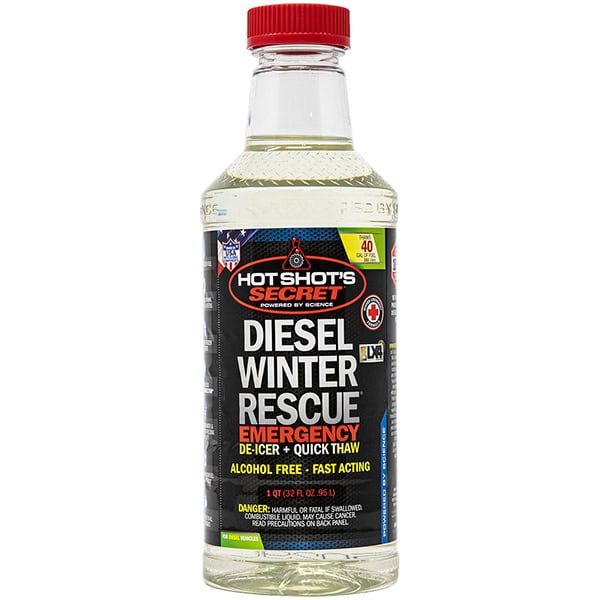
- Fuel additives:Anti-gel additives can lower the freezing point significantly.
- Temperature fluctuations:Rapid drops in temperature can accelerate gelling.
- Storage conditions:Fuel stored outside in cold weather freezes faster than fuel stored indoors.
Knowing these factors lets you prepare your fuel before the cold hits, avoiding surprises.
Temperature Thresholds
Typical diesel starts to cloud at around 32°F (0°C), but the pour point can be much lower, often between 10°F and 20°F (-12°C to -7°C). Ultra-low sulfur diesel (ULSD) may have slightly higher cloud points due to its refining process.
Adding anti-gel additives can push these thresholds even lower, sometimes allowing diesel to function smoothly at temperatures as low as -40°F (-40°C).
Do you know the exact thresholds for your fuel type? Checking this can prevent costly downtime and keep your diesel engine running, no matter how cold it gets outside.
Symptoms Of Frozen Diesel
Frozen diesel causes noticeable problems in vehicle operation. Identifying symptoms early helps prevent severe damage. Recognizing these signs can save time and money. Below are key symptoms to watch for.
Engine Performance Issues
The engine may run roughly or stall unexpectedly. Power loss during acceleration is common. Hesitation or jerking while driving often occurs. Fuel flow gets interrupted by ice crystals. This leads to inconsistent engine behavior and poor performance.
Fuel Filter Problems
Ice forms inside the fuel filter, blocking fuel flow. The filter clogs quickly, reducing fuel supply. This causes the engine to starve for fuel intermittently. Replacing the fuel filter frequently might become necessary. Signs include reduced fuel pressure and warning lights.
Starting Difficulties
Frozen diesel thickens and blocks fuel lines. Starting the engine becomes hard or impossible. The engine may crank but fail to start. Repeated attempts to start drain the battery. Cold mornings often reveal these starting problems clearly.

Credit: bulletproofdiesel.com
Preventing Diesel From Freezing
Diesel can start to freeze at temperatures below 15°F (-9°C), causing fuel to gel and clog engines. Using additives or keeping diesel warm helps prevent freezing and keeps vehicles running smoothly.
Preventing diesel from freezing is crucial during cold months. When temperatures drop, diesel can gel. This affects vehicle performance and can cause engine issues. Implementing effective methods can ensure smooth operation.Use Of Additives
Additives can prevent diesel from freezing. These chemical compounds lower the gelling point. They are easy to use. Just pour them into the fuel tank. Make sure to choose the right product. Follow the manufacturer’s instructions. This ensures maximum effectiveness.Proper Storage Techniques
Store diesel in a warm, dry place. This helps maintain its fluid state. Use insulated tanks or containers. Keep them away from cold winds. Regularly check storage temperature. This prevents unexpected gelling. A stable temperature is key.Fuel Heating Solutions
Fuel heaters can keep diesel from freezing. They warm the fuel before it enters the engine. Install them in vehicles or storage tanks. Choose from electric or hydraulic options. Ensure they are compatible with your system. Proper installation is essential for safety and efficiency.Dealing With Frozen Diesel
Frozen diesel can stop engines from running and cause delays. Knowing how to handle frozen diesel helps avoid damage and restores fuel flow quickly. Acting carefully protects your vehicle and keeps you safe during cold weather.
Safe Thawing Methods
Move the diesel container to a warmer place. A heated garage or indoors works well. Use gentle heat sources like a space heater or warm water around the container. Avoid direct flames or high heat to prevent fire risks.
Allow the diesel to thaw slowly. Stir the fuel carefully to mix any separated layers. This helps restore its proper consistency and performance.
Emergency Tips
- Keep spare diesel or anti-gel additives on hand before cold weather.
- Run the engine at idle to warm the fuel system slowly.
- Use portable heaters near the fuel tank if safe and possible.
- Check fuel filters for ice or clogging and replace if needed.
- Avoid forcing the engine to start repeatedly; it can cause damage.
When To Seek Professional Help
Call a mechanic if the diesel does not thaw after warming. Persistent fuel blockages can harm the engine. A professional can safely clean or replace fuel lines and filters.
Seek help if you notice unusual engine noises or poor performance after thawing. Experts can diagnose hidden fuel system issues.
Seasonal Considerations
Diesel fuel behaves differently as temperatures drop. Seasonal changes affect how diesel freezes and performs. Understanding these effects helps prevent engine trouble and keeps vehicles running smoothly.
Winter Fuel Blends
Winter diesel blends contain additives that lower the freezing point. These blends stop diesel from gelling in cold weather. Using winter fuel blends ensures better flow and engine start. They are specially made for temperatures below 32°F (0°C).
Regional Climate Impact
Cold climates cause diesel to freeze faster. Areas with long, harsh winters need more winterized diesel. Warmer regions may not require special blends. Knowing your local climate guides fuel choice and storage methods.
Maintenance Tips For Cold Weather
- Keep diesel tanks full to reduce condensation.
- Use fuel additives designed for low temperatures.
- Store vehicles in heated or sheltered areas.
- Regularly check and replace fuel filters.
- Warm up engines before heavy use.

Credit: azurechemical.com
Frequently Asked Questions
At What Temperature Does Diesel Freeze?
Diesel typically starts to gel at around 32°F (0°C) and freezes near -40°F (-40°C). The exact point varies by diesel type and additives.
How To Prevent Diesel From Freezing In Cold Weather?
Use winter-grade diesel or additives to lower the freezing point. Keep tanks full and store fuel in insulated areas.
What Happens If Diesel Freezes In Your Vehicle?
Frozen diesel can clog fuel lines and filters, causing engine failure. It prevents proper fuel flow and engine start-up.
Can Additives Stop Diesel From Freezing Completely?
Additives reduce the gelling point but don’t eliminate freezing risk. They improve cold flow and keep diesel usable in lower temperatures.
Conclusion
Diesel fuel can freeze in cold weather, causing engine problems. Knowing the freezing point helps you prepare. Using winter diesel or additives can prevent freezing. Always store diesel in a warm place during winter. Regular checks keep your vehicle running smoothly.
Stay aware of weather changes to avoid surprises. Taking simple steps protects your diesel and engine. Keep your vehicle ready for cold seasons ahead.