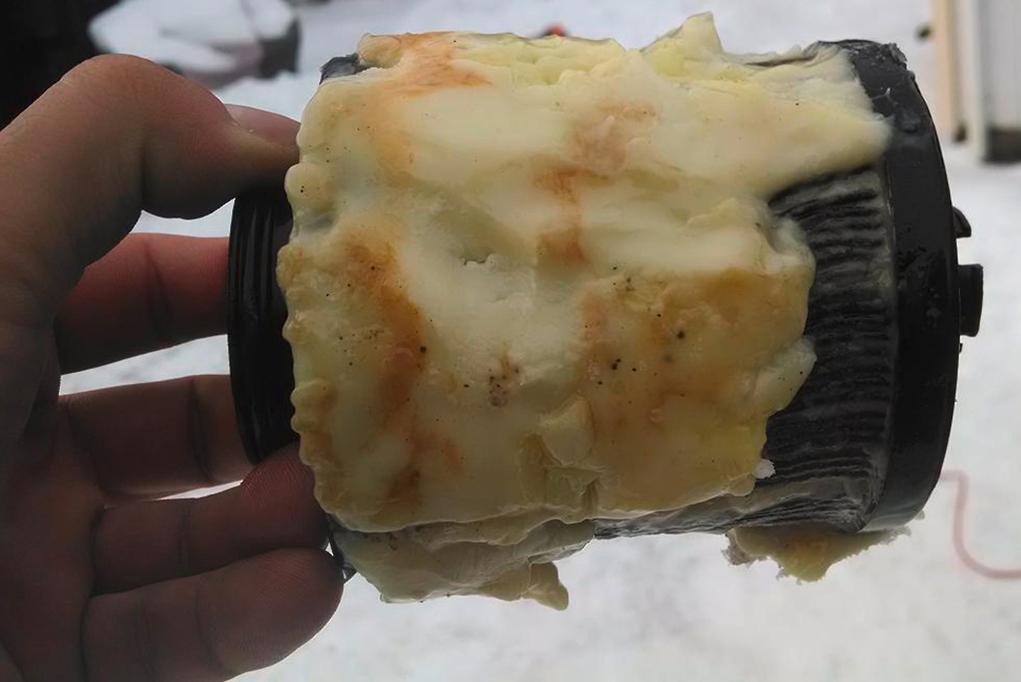
Have you ever wondered what happens to diesel fuel when temperatures drop? As a diesel vehicle owner, understanding when diesel fuel freezes is crucial to avoid unexpected setbacks.
Imagine waking up on a frosty morning, ready to hit the road, only to find your engine refusing to start. This scenario can be frustrating, especially if you rely on your vehicle for daily tasks or business operations. By knowing exactly when diesel fuel freezes, you can take proactive steps to ensure your vehicle runs smoothly, regardless of how cold it gets outside.
Stick around to discover essential tips and insights that will keep you ahead of the winter weather challenges.
Diesel Fuel Basics
Understanding diesel fuel basics helps explain why it behaves differently in cold weather. Diesel fuel is essential for many engines and machines worldwide. Knowing its makeup and how it contrasts with gasoline clarifies why it freezes at certain temperatures.
Composition And Types
Diesel fuel is made from refined crude oil. It contains hydrocarbons with carbon chains longer than gasoline. These chains give diesel a thicker texture and higher energy content.
There are different types of diesel:
- Petroleum diesel:The most common type from crude oil.
- Biodiesel:Made from vegetable oils or animal fats.
- Synthetic diesel:Produced from natural gas or coal.
Each type has unique properties but all freeze at low temperatures due to wax content.
How Diesel Differs From Gasoline
Diesel and gasoline differ in several ways. Diesel has a higher energy density than gasoline. This means it provides more power per volume.
Diesel engines use compression ignition, while gasoline engines use spark ignition. Diesel burns slower and at a higher temperature. It also contains more lubricating properties.
Gasoline evaporates easily, but diesel does not. This affects how each fuel reacts to cold weather. Diesel tends to gel or freeze because of wax crystals forming at low temperatures. Gasoline remains liquid longer in the cold.

Credit: www.trucksales.com.au
Freezing Point Of Diesel
Understanding the freezing point of diesel fuel is crucial, especially if you live or work in cold climates. Diesel doesn’t freeze like water, but it does become thick and gel-like, which can clog your engine’s fuel lines and filters. Knowing exactly when diesel starts to freeze can save you from unexpected breakdowns and costly repairs.
Cloud Point And Pour Point Explained
The cloud pointof diesel is the temperature at which tiny wax crystals begin to form, causing the fuel to look cloudy. This is the first visible sign that diesel is starting to freeze. At this stage, the fuel can still flow, but it’s getting close to trouble.
The pour pointis lower than the cloud point and marks the temperature where diesel becomes so thick that it stops flowing altogether. Your engine won’t be able to draw fuel past this point. For many types of diesel, the pour point ranges between -10°C and -20°C (14°F to -4°F), but it varies widely.
Factors Affecting Freezing Temperature
Several factors influence when diesel starts to freeze. The type of diesel fuel matters a lot. For example, winter-blend diesel contains additives to lower the freezing point, while summer diesel freezes at a higher temperature.
Impurities and water content in the fuel can also raise the freezing point. Even a small amount of water can freeze and block fuel lines faster than the diesel itself. So, keeping your fuel clean and dry is just as important as choosing the right blend.
Ever wondered why your diesel-powered vehicle struggles more in winter? It might be because the fuel you’re using isn’t suited for the temperatures outside. Paying attention to these freezing point details can keep your engine running smoothly all season long.
Impact Of Cold Weather On Diesel
Cold weather can create serious challenges for diesel fuel, directly affecting how your vehicle performs. When temperatures drop, diesel behaves differently than gasoline, and understanding these changes can save you from unexpected breakdowns. Let’s examine what happens to diesel fuel in cold weather and why it matters for your daily driving or equipment use.
Fuel Gelling And Its Consequences
Diesel fuel contains paraffin wax, which starts to solidify as temperatures fall. This process, known as fuel gelling, causes the wax crystals to clump together and thicken the fuel.
Once gelling begins, fuel flow to your engine can become restricted or even stop altogether. This may lead to your engine stalling or refusing to start when you need it most.
Have you ever noticed your diesel vehicle struggling to start on a freezing morning? That’s often the wax crystals clogging fuel filters and lines. To prevent this, many drivers add anti-gel additives or switch to winterized diesel blends.
Performance Issues In Low Temperatures
Beyond gelling, cold weather affects diesel combustion and engine performance. Thickened fuel doesn’t atomize properly in the engine, causing rough idling, reduced power, and increased emissions.
You might also experience slower acceleration and higher fuel consumption during cold starts. These issues can put extra strain on your engine components, leading to faster wear and costly repairs.
Have you tried warming your diesel engine before driving in winter? Simple steps like using engine block heaters or parking in a garage can improve fuel flow and performance.
Preventing Diesel Fuel Freeze
Diesel fuel freezing can bring your equipment to a halt when you least expect it. Preventing this issue is key to maintaining smooth operations during cold weather. You have several practical options to keep your diesel flowing freely, even in freezing temperatures.
Additives And Fuel Treatments
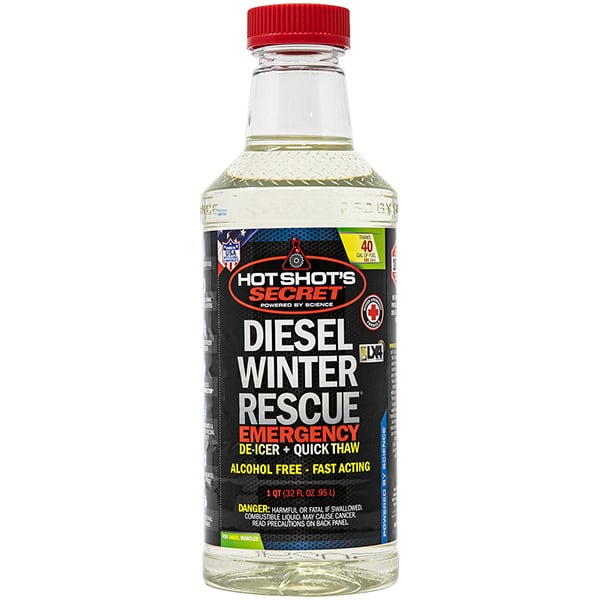
Additives are a powerful defense against diesel fuel freeze. These treatments lower the fuel’s cold filter plugging point, which means your diesel stays fluid at colder temperatures.
Look for additives designed specifically for winter use. They often contain anti-gel agents that stop wax crystals from forming. Adding these to your fuel tank before the cold hits can save you from clogged filters and engine trouble.
Have you ever noticed how quickly your vehicle struggles when the temperature drops? That’s often because the fuel has started to gel. Using additives regularly can prevent this from happening and extend the life of your fuel system.
Proper Storage Practices
How you store your diesel fuel matters more than you might think. Keeping your tanks full reduces the amount of air and moisture inside, which lowers the risk of condensation and fuel gelling.
Store diesel in a cool, dry place, away from drastic temperature changes. If possible, use insulated or heated fuel tanks during winter to maintain a stable fuel temperature.
Consider the location of your fuel tanks carefully. Are they exposed to freezing winds or direct sunlight? Positioning them in sheltered spots can make a big difference in fuel performance during cold snaps.
Signs Of Fuel Freezing
Diesel fuel can freeze or gel in cold temperatures, causing problems for your engine. Recognizing the signs early helps prevent damage and costly repairs. Fuel freezing is not always obvious at first. It often starts slowly and worsens as temperatures drop.
Knowing the signs of fuel freezing keeps your vehicle running smoothly during winter. Watch for changes in fuel appearance and engine behavior. Detecting fuel gelling early allows you to take action before the engine stalls.
How To Detect Gelling In Diesel
- Look for cloudy or waxy particles in the fuel tank or filter.
- Check the fuel filter for blockages or a thick, gel-like substance.
- Notice if the fuel flows more slowly than usual when refueling.
- Observe the fuel lines for any visible crystallization or clumps.
- Smell the fuel for any unusual odors that may indicate contamination.
Engine Symptoms To Watch For
- Difficulty starting the engine in cold weather.
- Engine runs rough or stalls shortly after starting.
- Loss of power or hesitation when accelerating.
- Increased exhaust smoke, often black or white.
- Warning lights on the dashboard related to fuel or engine issues.
Credit: www.hotshotsecret.com
Solutions For Frozen Diesel
Frozen diesel can bring your vehicle to a sudden halt, especially in cold weather. Knowing how to handle this situation quickly can save you time and stress. Let’s look at effective solutions that will help you get moving again when diesel fuel freezes.
Thawing Techniques
One of the safest ways to deal with frozen diesel is to gently warm the fuel tank. Avoid direct flames; instead, use a heat lamp or place warm water-soaked towels around the tank. This controlled warming helps melt the gelled fuel without damaging your tank or fuel lines.
You can also add diesel anti-gel additives before temperatures drop. These additives lower the fuel’s freezing point and keep it flowing smoothly. Have you ever skipped this step and regretted it on a chilly morning? It’s a simple prevention that makes a big difference.
Emergency Measures On The Road
If you find yourself stuck with frozen diesel while on the road, quick thinking is essential. Try to park in a sheltered spot, such as a garage or under a building overhang, to reduce exposure to cold air. Sometimes, just a slight temperature increase can help.
Carrying a small portable heater or heat packs can be a lifesaver. Place them near the fuel filter or lines to gently warm critical areas. Remember, safety first—never use open flames or high heat sources that could cause a fire.
Do you keep emergency supplies in your vehicle for winter trips? Preparing in advance can mean the difference between waiting hours for help and getting back on the road quickly.
Choosing Diesel For Cold Climates
Choosing the right diesel fuel for cold climates is crucial to keep your engine running smoothly when temperatures drop. Diesel can gel or freeze, causing blockages and engine troubles. Understanding your options helps you avoid these issues and maintain reliable performance in winter.
Winter-grade Diesel
Winter-grade diesel is specially formulated to resist gelling at low temperatures. It contains additives that lower the fuel’s pour point, allowing it to flow freely even in freezing weather.
You might notice your local fuel station offering different types in winter—these are winter-grade fuels designed to keep your engine healthy. Using this fuel reduces the risk of clogged filters and stalling on cold mornings.
Have you ever experienced your diesel vehicle struggling to start on a chilly day? Switching to winter-grade diesel could be the simple fix you need.
Blending Fuels For Better Performance
Blending diesel with other fuels, like kerosene or biodiesel, can improve cold-weather performance. Kerosene lowers the freezing point, making the mixture less likely to gel.
Many drivers blend a small percentage of kerosene into their diesel tank before winter hits. This practice can be a cost-effective way to boost cold-weather reliability without buying special winter diesel.
However, you should check your vehicle’s manual or consult a mechanic before blending fuels to avoid damaging your engine. Have you considered blending fuels, or do you rely solely on winter-grade diesel?

Credit: www.trucksales.com.au
Frequently Asked Questions
What Temperature Does Diesel Fuel Start To Freeze?
Diesel fuel begins to gel or freeze at around 15°F (-9°C). This varies by diesel type and additives used. Ultra-low sulfur diesel freezes at slightly higher temperatures than biodiesel blends.
How Can I Prevent Diesel Fuel From Freezing?
Use winterized diesel blends or additives that lower the freezing point. Keep fuel tanks full to reduce condensation and store vehicles in heated areas if possible.
What Happens If Diesel Fuel Freezes In My Engine?
Frozen diesel fuel can clog fuel lines and filters, causing engine starting issues or stalling. It restricts fuel flow, leading to poor engine performance.
Does Biodiesel Freeze At The Same Temperature As Regular Diesel?
No, biodiesel freezes at higher temperatures, typically between 20°F to 32°F (-6°C to 0°C). It requires more winter additives or blending for cold weather use.
Conclusion
Diesel fuel starts to freeze at very low temperatures, usually below 15°F (-9°C). This can cause problems for engines in cold weather. Using winter diesel or additives helps prevent freezing. Keep your fuel tank full to reduce moisture build-up. Regular checks and proper care protect your vehicle from fuel issues.
Staying aware of diesel freezing points ensures smooth engine performance. Cold weather does not have to stop your work or travel. Simple steps make a big difference during freezing conditions.