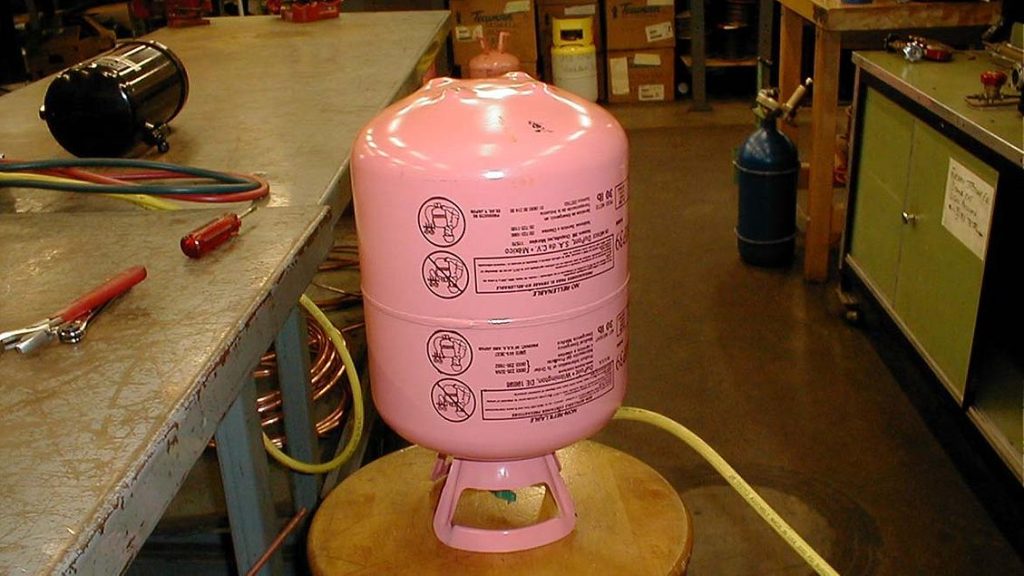
When filling a charging cylinder with a regulated refrigerant, precision and safety are paramount. You might not think much about the process, but getting it right is crucial for both the efficiency of your cooling system and compliance with environmental regulations.
Imagine the peace of mind knowing you’re not only optimizing performance but also contributing to a greener planet. This guide will walk you through the steps, ensuring you handle refrigerants safely and effectively. Are you ready to master the art of filling a charging cylinder?
Keep reading to discover the essential tips and tricks that can make all the difference.
Preparing The Work Area
Preparing the work area is vital before filling a charging cylinder with regulated refrigerant. A clean and safe space reduces risks and ensures smooth work. Proper preparation helps protect you and the environment.
Choosing A Well-ventilated Space
Pick a space with good airflow. Ventilation prevents refrigerant buildup, which can be harmful. Open windows or use exhaust fans to keep air moving. Avoid enclosed areas with little fresh air.
Clearing Flammable Materials
Remove all flammable items from the area. Keep away papers, cloth, and chemicals. This lowers fire risks while handling refrigerants. A clear space also helps avoid accidents and spills.
Setting Up Safety Equipment
Wear proper safety gear such as gloves and goggles. Keep a fire extinguisher nearby. Have a spill kit ready for leaks. Safety equipment protects you from injury and environmental harm.

Credit: www.skillcatapp.com
Personal Protective Gear
Handling regulated refrigerants requires more than just technical know-how; your safety depends heavily on the personal protective gear you choose. Proper protection minimizes the risk of skin burns, eye injuries, and inhalation hazards during the filling process. Let’s break down the essential gear that keeps you safe while working with these sensitive substances.
Selecting Appropriate Gloves
Not all gloves are created equal when working with refrigerants. You need gloves that resist cold burns and chemical exposure, such as nitrile or neoprene gloves. Avoid cotton gloves since they absorb refrigerants and increase risk.
Think about the fit too—gloves should be snug but flexible enough to let you handle valves and gauges precisely. Have you ever struggled with bulky gloves that slowed you down? Selecting the right pair can improve both safety and efficiency.
Using Eye Protection
Eye protection is critical because refrigerants can cause severe eye irritation or damage on contact. Safety goggles with a tight seal prevent splashes from reaching your eyes better than standard glasses. Look for goggles that are anti-fog to maintain clear vision during the process.
Remember, your eyes are vulnerable to unexpected leaks or pressure releases. Wearing the right eye protection is a simple step that can prevent a lifetime of trouble.
Wearing Respiratory Masks
Inhaling refrigerant vapors can lead to respiratory issues, so using a properly rated respiratory mask is essential. Masks with organic vapor cartridges or supplied-air respirators provide the protection needed when working in confined spaces or poorly ventilated areas.
Have you noticed how quickly refrigerant odors can fill a room? A good mask helps you avoid dizziness, headaches, and longer-term health risks. Always check the mask’s fit and filter condition before starting your work.
Handling Refrigerants Safely
Handling refrigerants safely is crucial when filling a charging cylinder with regulated refrigerant. These substances can be hazardous if not managed properly, posing risks to your health and the environment. Paying close attention to safety measures not only protects you but also ensures the equipment functions correctly.
Checking Cylinder Condition
Before filling, always inspect the cylinder carefully. Look for any signs of rust, dents, or damage that could compromise its integrity. A damaged cylinder increases the risk of leaks or even explosions.
Also, verify the cylinder’s certification date. Using an expired or uncertified cylinder can lead to dangerous situations. Make it a habit to check the valve and seals for wear or cracks.
Avoiding Direct Skin Contact
Refrigerants can cause frostbite or chemical burns upon contact with your skin. Always wear protective gloves and long sleeves to minimize exposure.
Think about how quickly refrigerant can evaporate and chill your skin. Even a small splash can cause serious injury. Keeping a barrier between you and the refrigerant is not optional—it’s essential.
Preventing Refrigerant Leaks
Leaking refrigerant not only wastes material but also harms the environment. Tighten connections securely and use proper fittings designed for the specific refrigerant type.
Pay attention to any hissing sounds or unusual smells during filling. If you detect a leak, stop immediately and address the issue before continuing.
Have you checked your equipment today for potential leaks? A quick routine check can save you from bigger problems later.
Charging Cylinder Procedures
Handling a regulated refrigerant charging cylinder requires careful attention to established procedures. These steps help ensure safety and accuracy while preventing equipment damage. Understanding and practicing the right procedures can save you time and avoid costly mistakes.
Connecting Hoses Securely
Before starting, inspect hoses for any cracks or wear. A secure connection prevents leaks and refrigerant loss, which can be hazardous.
Attach hoses firmly to the cylinder and the system valves. You should feel a snug fit—loose connections often cause pressure drops or dangerous refrigerant spills.
Have you ever experienced a sudden hiss from a loose hose? That’s a clear sign to double-check your fittings before proceeding.
Monitoring Pressure Levels
Keep a close eye on the pressure gauges during the filling process. Pressure changes quickly, and missing the right window can lead to over or undercharging.
Use calibrated gauges for accuracy. Regularly compare readings to the system’s specifications to ensure compliance.
As you monitor, consider how small pressure shifts might indicate a leak or blockage. Catching these early prevents bigger problems down the line.
Avoiding Overfilling
Overfilling a cylinder can cause dangerous pressure buildup. Always follow the recommended fill limits provided by the refrigerant manufacturer.
Stop filling once you reach the desired weight or volume, not just when the cylinder looks full. Weight scales are more reliable than visual checks.
Have you ever guessed the fill level and ended up with a mess? Using precise measurement tools saves you from that hassle and keeps your workspace safe.
Emergency Preparedness
Emergency preparedness is crucial when filling a charging cylinder with a regulated refrigerant. Accidents can happen quickly, and being ready to respond can protect your health and safety as well as prevent costly damage. Knowing how to spot trouble early and having the right tools on hand can make all the difference.
Recognizing Leak Signs
Leaks might not always be obvious, so you need to stay alert for subtle clues. Watch for unusual hissing sounds or a noticeable drop in pressure on your gauges. Sometimes, you might notice an oily residue or frost forming on the cylinder or connections.
If you detect a strange smell or experience dizziness, stop immediately and check for leaks. Early detection helps you avoid exposure to harmful refrigerant vapors and reduces the risk of fire or explosion.
Using Spill Kits
Having a spill kit nearby is essential for quick containment. These kits usually include absorbent pads, gloves, goggles, and disposal bags. Make sure your spill kit is compatible with the type of refrigerant you’re handling.
Practice using the kit before an emergency occurs. Knowing exactly where everything is and how to use it saves precious seconds and limits the spread of hazardous material.
Responding To Exposure
If you or a colleague comes into contact with refrigerant, act fast. Move to fresh air immediately and remove any contaminated clothing. If skin contact occurs, rinse the area with plenty of water.
Seek medical attention even if symptoms seem mild. Refrigerants can cause delayed effects, so don’t underestimate the risk. Do you have an emergency contact list and first aid procedures ready for your team?

Credit: appiontools.com
Proper Storage And Disposal
Proper storage and disposal of charging cylinders filled with regulated refrigerants ensures safety and environmental protection. Handling these cylinders carefully prevents leaks and accidents. Storing and disposing of them correctly also complies with legal standards.
Storing Cylinders Safely
Store cylinders in a cool, dry place away from direct sunlight. Keep them upright to avoid damage to valves. Ensure the storage area is well-ventilated and free from heat sources. Use secure racks or chains to prevent cylinders from falling. Label cylinders clearly with their contents and status. Regularly inspect cylinders for signs of rust or damage. Separate full and empty cylinders to avoid confusion.
Disposing Of Empty Cylinders
Empty cylinders still contain small amounts of refrigerant and must be handled with care. Do not puncture or incinerate cylinders. Return empty cylinders to authorized distributors or recycling centers. Follow local rules for hazardous waste disposal. Use professional services for cylinder recovery and recycling. Proper disposal protects the environment and avoids fines.
Following Regulatory Guidelines
Adhere to regulations set by agencies like EPA or local authorities. Maintain records of refrigerant quantities and cylinder movements. Train staff on handling, storage, and disposal procedures. Use approved containers and labels for all refrigerants. Complying with laws reduces risks and legal penalties. Stay updated on changes in refrigerant regulations.

Credit: www.achrnews.com
Frequently Asked Questions
How To Safely Fill A Charging Cylinder With Refrigerant?
Always use proper protective gear and follow manufacturer guidelines. Connect the cylinder to the charging station securely. Monitor pressure and temperature closely to avoid overfilling and leaks. Ensure the refrigerant is regulated and compatible with the cylinder type before starting.
Why Use Regulated Refrigerant For Charging Cylinders?
Regulated refrigerants ensure consistent purity and pressure levels. They prevent contamination and maintain system efficiency. Using regulated refrigerants reduces environmental impact and complies with safety standards. It also extends the lifespan of refrigeration equipment.
What Equipment Is Needed To Fill A Refrigerant Cylinder?
You need a charging cylinder, manifold gauge set, and a refrigerant scale. A vacuum pump and leak detector help ensure system integrity. Always use tools rated for the specific refrigerant type. Proper equipment ensures accurate and safe filling.
How To Check If A Charging Cylinder Is Overfilled?
Monitor the cylinder’s weight using a refrigerant scale during filling. Check pressure readings against recommended specifications. Excessive pressure or weight indicates overfilling. Stop filling immediately if limits are exceeded to prevent hazards.
Conclusion
Filling a charging cylinder with regulated refrigerant needs care and focus. Always check the cylinder and equipment for safety. Use proper tools and follow the steps clearly. Measure the refrigerant amount to avoid mistakes. Keep the workspace clean and well-ventilated.
Taking these actions helps prevent leaks and damage. Stay patient and work steadily for best results. This keeps the process safe and efficient every time.