Are you wondering when is the best time to buy car tires without overspending? Choosing the right moment can save you a surprising amount of money and ensure your safety on the road.
Whether your tires are worn out or you want to upgrade, knowing the perfect timing can make all the difference. Keep reading to discover insider tips that will help you get the best deals and make smart choices for your vehicle and your wallet.

Credit: www.tirerack.com
Seasonal Tire Sales
Buying car tires at the right time can save you money. Tire prices often drop during special sales seasons.
Many stores offer discounts based on the season. Knowing when to buy helps you find the best deals.
Winter Tire Discounts
Winter is the best time to buy winter tires. Stores want to clear old stock before the season ends.
Discounts on winter tires usually start in late winter or early spring. This helps buyers save for next year.
- Prices drop after the peak winter months
- Look for deals from February to April
- Buy in advance for next winter at lower prices
Summer Tire Promotions
Summer tire sales happen before and during warm months. Stores promote tires for better summer driving.
Buy summer tires in late spring or early summer for discounts. Sales often include rebates or price cuts.
- Best time: April to June
- Look for special promotions and rebates
- Summer tires improve safety on hot roads
End-of-year Clearance Deals
End of the year is a good time to buy tires. Stores clear out old inventory to make space for new stock.
Clearance sales offer big discounts on many tire types. These deals often happen in November and December.
- Look for clearance sales in late November and December
- Find discounts on all-season and specialty tires
- Good chance to buy tires at low prices

Credit: www.bfgoodrich.ca
Tire Lifespan And Replacement Signs
Tires wear out over time and need replacement for safety. Knowing when to buy new tires saves money and prevents accidents.
This guide helps you spot tire problems early. Watch for signs that your tires need changing.
Tread Wear Indicators
Tread wear indicators show when tire tread is too low. These small bars appear between tire grooves.
If the tread is level with these bars, the tire has little grip left. Driving on worn tread is unsafe, especially on wet roads.
- Look for raised bars inside the grooves
- Check if tread depth is below 2/32 inch
- Replace tires if tread touches the bars
Age-related Tire Degradation
Tires degrade even if you do not use them often. Rubber gets harder and cracks as tires age.
Most experts suggest replacing tires after 6 years. Check the tire’s manufacture date on the sidewall.
- Look for cracks or dry rot on the sidewall
- Check the DOT code for tire age
- Replace tires if older than 6 years, even with good tread
Performance Changes To Watch
Notice if your car handles differently or brakes less well. These can mean tire problems.
Vibrations, pulling to one side, or longer stopping distances are signs to check tires.
- Feel for unusual vibrations while driving
- Watch if the car pulls left or right
- Note any increase in braking distance
- Listen for unusual tire noises
Timing For Tire Purchases
Buying car tires at the right time can save you money. Tire prices change throughout the year.
Knowing when to buy tires helps you get better deals. Timing is important for good tire purchases.
Best Months To Buy Tires
Some months have lower tire prices than others. Late winter and early spring are often the best times.
Tire stores clear old stock before new models arrive. Prices drop to make room for new tires.
- January and February offer good winter tire sales
- March and April are great for all-season tire deals
- September and October can have discounts before winter
Holiday And Event Sales
Holidays often come with special sales on tires. Retailers use events to attract buyers with discounts.
Look for sales around major holidays and auto events. These times offer good chances for savings.
- Black Friday and Cyber Monday feature strong tire deals
- Memorial Day and Labor Day sales often include tires
- End-of-year clearance events can reduce prices
Balancing Urgency And Discounts
Buying tires too late can be risky. Waiting for sales might leave you without needed tires.
Check tire condition often and plan ahead. Buy early if tires show wear, or wait for a good sale.
- Inspect tires regularly for safety
- Plan purchases before your current tires wear out
- Watch for sales but don’t delay needed replacements
Credit: tires.costco.com
Where To Find The Best Deals
Buying car tires at the right place can save you money. Many options exist, from online stores to local shops.
It is important to compare prices and offers before making a purchase. This guide explains where to look.
Online Retailers Vs. Local Shops
Online retailers often offer lower prices and a wide selection. You can shop from home and read customer reviews.
Local shops provide personal service and immediate help. You can ask questions and get advice face to face.
- Online stores have frequent sales and free shipping.
- Local shops may offer installation and tire disposal services.
- Price comparison is easier online, but support is better locally.
Manufacturer Rebates
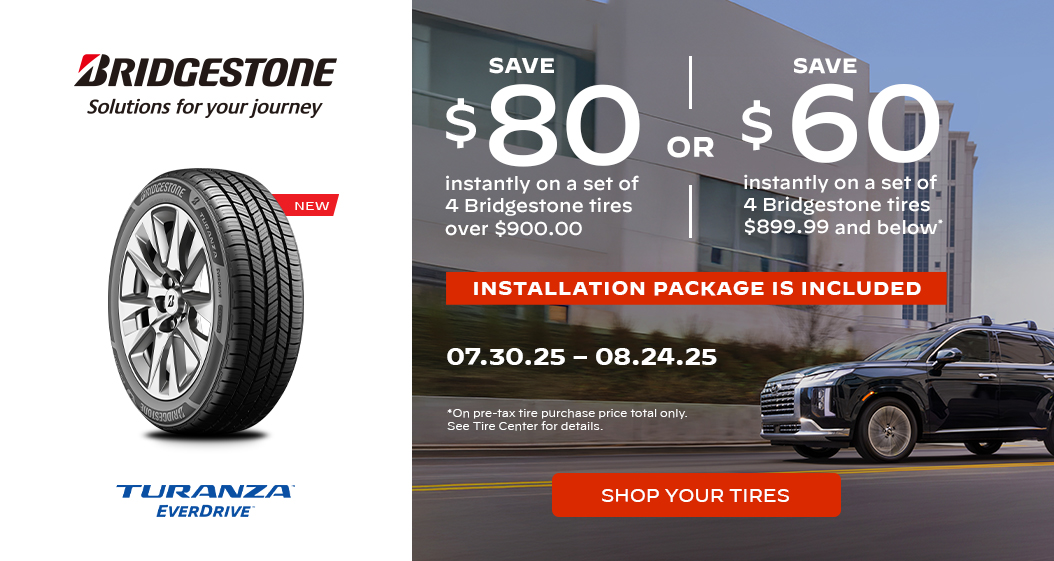
Manufacturers sometimes offer rebates to lower the cost of tires. These deals can be found online or in stores.
Rebates require submitting forms or receipts. Check the terms and deadlines carefully before buying.
| Manufacturer | Rebate Offer | How to Claim |
| Brand A | $50 off per set | Online form submission |
| Brand B | 10% cashback | Mail-in receipt |
| Brand C | Free installation | In-store claim |
Bulk Purchase Savings
Buying multiple tires at once can reduce the price. Bulk discounts apply if you buy four tires or more.
- Ask if the seller offers a discount for sets.
- Combine purchases with friends or family to reach bulk deals.
- Check if local shops provide package deals including installation.
Factors Influencing Tire Prices
Tire prices vary based on several important factors. Knowing these can help you choose the right time to buy.
Understanding what affects tire costs makes shopping easier and smarter.
Tire Brand And Quality
Top tire brands often cost more due to better materials and technology. These tires last longer and perform well in different conditions.
Less known brands may offer lower prices but might not have the same durability or warranty.
Tire Size And Type
Tire size and type affect the price significantly. Larger tires or specialty types like winter or performance tires usually cost more.
| Tire Type | Typical Price Range | Use Case |
|---|---|---|
| All-Season | $50 – $150 | Everyday driving |
| Winter | $70 – $200 | Snow and ice conditions |
| Performance | $100 – $300 | High speed and handling |
| Off-Road | $80 – $250 | Rough terrain |
Market Demand And Supply
Prices change with supply and demand. When many people want tires, prices rise. If supply is high, prices may drop.
- Seasonal demand, like winter tires in fall
- Sales and promotions from stores
- Raw material costs for rubber and steel
- Production delays or shortages
Tips For Maximizing Tire Purchase Value
Buying car tires is a big decision. You want to get good quality without spending too much.
Knowing how to check warranties, negotiate prices, and consider installation can help you save money.
Checking For Warranty And Services
Always check the warranty offered with your tires. Warranties protect you against defects and wear.
- Look for the length of the warranty period.
- Check what the warranty covers, like tread life or road hazards.
- Ask if services like free rotations or balancing come with the purchase.
- Keep all receipts and documents for future claims.
Negotiating Prices
Don’t accept the first price offered. Many sellers are open to negotiation.
| Tip | Reason |
| Compare prices online | Find the best deal before buying |
| Ask for discounts | Some stores offer price cuts if you ask |
| Buy in sets | Sellers may lower prices for multiple tires |
| Check for rebates | Manufacturers sometimes offer cash back |
Considering Installation Costs
Installation can add extra costs. Include this in your budget to avoid surprises.
- Ask if installation is free with purchase.
- Check what services installation includes, like balancing and disposal of old tires.
- Compare installation prices at different shops.
- Consider if you need extra parts like valve stems or tire pressure sensors.
Frequently Asked Questions
What Season Offers The Best Tire Deals?
The best time to buy car tires is during spring and fall. Retailers often offer discounts and promotions during these seasons. Inventory is typically high, allowing for more choices. Shopping during these times ensures you get quality tires at a better price, enhancing both savings and vehicle safety.
Are Holiday Sales Good For Buying Tires?
Yes, holiday sales are excellent for buying tires. Retailers often offer significant discounts during major holidays like Black Friday and Memorial Day. These sales events provide opportunities to save money while purchasing high-quality tires. Take advantage of these periods to maximize your savings and upgrade your vehicle’s performance.
Do Tire Prices Drop At The End Of The Year?
Tire prices often drop at the end of the year. Retailers aim to clear out old inventory before new models arrive. This results in discounts and promotions. Purchasing tires during this period can lead to significant savings, making it an excellent time for budget-conscious buyers.
When Do Tire Manufacturers Release New Models?
Tire manufacturers usually release new models in the spring. This timing aligns with the change in driving conditions and customer demand. As new models arrive, older models often go on sale. This presents a great opportunity to purchase quality tires at reduced prices, ensuring optimal performance and safety.
Conclusion
Choosing the right time to buy car tires can save you money and stress. Tire sales often happen during seasonal changes and holiday weekends. Buying before winter or summer helps you prepare and avoid rush. Keep an eye on discounts and stock levels.
Check your tire condition regularly to know when to replace them. Smart timing means safer driving and better tire performance. Plan ahead, watch for deals, and buy when prices drop. This simple step protects your car and your budget.