Your bike helmet is your best defense on every ride. But do you know when it’s time to replace it?
Using a helmet past its prime can put your safety at risk without you even realizing it. This article will help you spot the signs that say it’s time for a new helmet, so you can keep your head protected and ride with confidence.
Keep reading to learn exactly when and why you should replace your bike helmet.
Signs Your Helmet Needs Replacing
Your bike helmet protects your head in a crash. Over time, helmets can lose their strength. It is important to know when to replace your helmet. This helps keep you safe on every ride.
Look for clear signs that your helmet is no longer safe. Check for damage and wear. This guide will help you spot the signs.
Visible Cracks And Damage
Inspect your helmet for cracks on the shell or foam. Even small cracks reduce protection. Dents or deep scratches also weaken the helmet. If you see any damage, replace the helmet right away.
Impact History
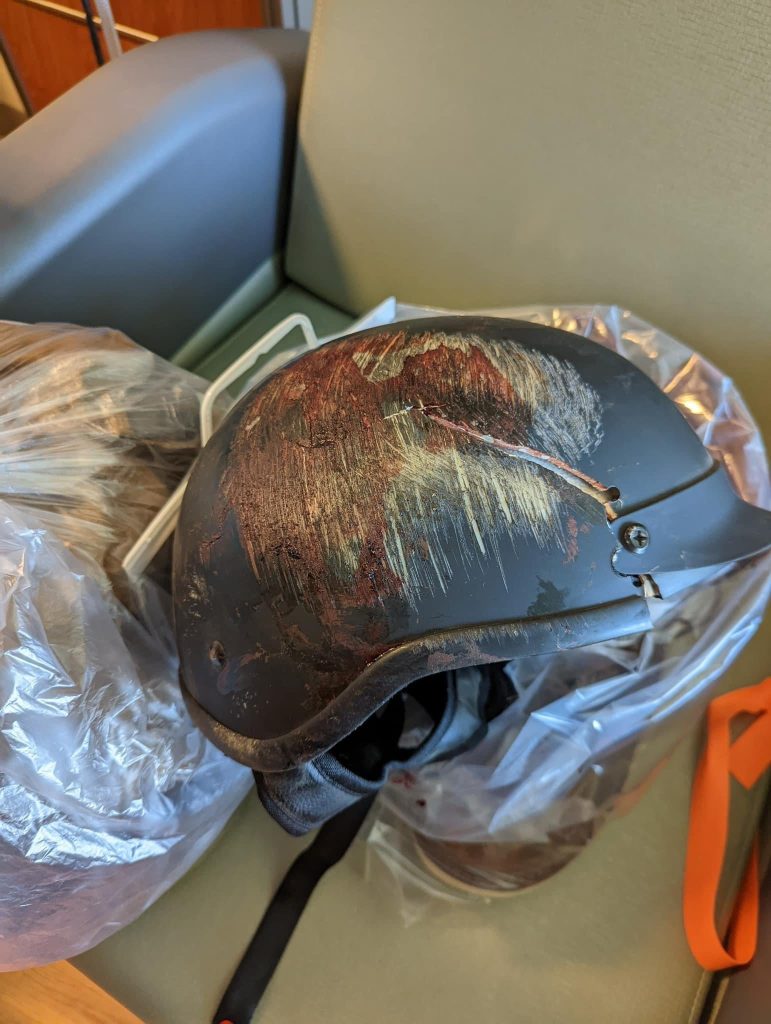
Helmets are made to absorb one major impact. After a crash, the helmet may look fine outside. But the inside foam can be crushed. This lowers its ability to protect your head.
- Replace your helmet after any crash.
- Do not use a helmet with a hidden impact.
- Even if it looks okay, old impacts weaken safety.
Worn Straps And Buckles
Check the straps and buckles for wear and tear. Frayed straps or broken buckles can fail during a fall. Make sure the straps hold tight and the buckle clicks securely.
| Strap Condition | Action Needed |
| Frayed or torn | Replace helmet |
| Buckles cracked or broken | Replace helmet |
| Straps loose or stretched | Replace helmet |
Expired Helmet Lifespan
Helmets have a lifespan of about five years. After that, materials weaken from sun, sweat, and age. Check the manufacturer’s date inside the helmet. Replace it if it is older than five years.
Tips to remember helmet lifespan:
- Find the manufacturing date inside the helmet.
- Count five years from that date.
- Replace helmet if older than five years.
- Replace sooner if helmet has any damage.
Credit: bernhelmets.com
How Often To Replace Your Helmet
Bike helmets protect your head during accidents. Over time, helmets lose their ability to protect well.
Knowing when to replace your helmet keeps you safe on every ride.
Manufacturer Recommendations
Helmet makers give guidelines on how long helmets last. Most say to replace helmets every 3 to 5 years.
This is because materials inside the helmet can weaken with time, even if you do not crash.
- Check the label or manual for specific advice.
- Follow the recommended replacement time.
- Replace the helmet sooner if it is damaged.
Frequency Of Use
How often you ride affects how fast your helmet wears out. Daily riders may need to replace helmets more often.
Helmets used less often may last longer but still need checking for damage and age.
- Heavy use can cause padding and straps to wear out.
- Check for cracks or dents regularly.
- Replace helmet if it feels loose or uncomfortable.
Environmental Factors
Sun, heat, and moisture can damage helmet materials. These factors can shorten a helmet’s lifespan.
Store your helmet in a cool, dry place to keep it strong.
- Avoid leaving helmets in direct sunlight for long times.
- Do not expose helmets to harsh chemicals.
- Check helmets for fading or cracking from weather.
Choosing The Right Replacement Helmet
Replacing your bike helmet is important to keep safe on every ride. A good helmet protects your head from injuries. Choosing the right one means checking fit, safety, and style.
Understanding these key points helps you find a helmet that works well and feels comfortable. Use this guide to pick the best replacement helmet for you.
Fit And Comfort
A helmet must fit snugly and feel comfortable. It should sit level on your head and not move when you shake your head. Padding inside helps with comfort and fit.
- Measure your head size before buying
- Try the helmet on with your usual bike gear
- Check that straps fasten securely but do not pinch
- Adjust padding or inserts for a better fit
- Wear the helmet for at least 10 minutes to test comfort
Safety Certifications
Look for safety certifications on the helmet label. These show the helmet meets standards to protect you. Common certifications include CPSC, ASTM, and EN standards.
| Certification | Region | Meaning |
| CPSC | USA | Meets US safety rules for bike helmets |
| EN 1078 | Europe | Follows European safety and design rules |
| ASTM F1447 | International | Helmets pass impact and retention tests |
Helmet Types And Styles
Helmets come in different types for different rides. Choose one that fits your riding style and needs. Styles vary in coverage, weight, and ventilation.
- Road Helmets:Lightweight with good airflow for speed and long rides.
- Mountain Bike Helmets:More coverage at the back and sides for rough terrain.
- Urban Helmets:Sleek design with extra comfort for city riding.
- Full-Face Helmets:Full head coverage for downhill and extreme biking.
Maintaining Your Helmet Between Replacements
Bike helmets protect your head in crashes. Keeping your helmet in good shape is very important. Proper care can help it last until you need a new one.
Regular cleaning, smart storage, and inspections keep your helmet safe and strong. These steps help you spot damage early and avoid risks.
Proper Cleaning Techniques
Clean your helmet often to remove dirt and sweat. Use mild soap and warm water. Avoid strong chemicals that can weaken the helmet.
Use a soft cloth or sponge. Gently wipe the surface and the straps. Let it air dry away from direct sunlight or heat.
- Do not use bleach or solvents
- Do not machine wash or dry
- Remove and clean pads separately if possible
- Dry naturally at room temperature
Storage Tips
Store your helmet in a cool, dry place. Avoid leaving it in hot cars or under the sun. Heat can damage the helmet’s material.
Keep it away from sharp objects and heavy weights. Use a helmet bag or shelf to protect it from scratches and dents.
- Do not hang helmet by straps
- Keep it away from chemicals and oils
- Store in a well-ventilated area
- Use a soft bag for travel
Regular Inspections
Check your helmet often for cracks, dents, or loose parts. Look at the shell, straps, and padding carefully. Replace the helmet if you find any damage.
Inspect after any fall or crash. Even small impacts can weaken the helmet. Make sure the straps and buckles work well and fit snugly.
- Check for cracks or dents on the shell
- Look inside for foam damage
- Test strap tightness and buckles
- Replace helmet after any major impact
Risks Of Using An Old Or Damaged Helmet
Wearing an old or damaged bike helmet can be very dangerous. Helmets protect your head during accidents. Over time, helmets lose their ability to keep you safe.
It is important to know the risks of using helmets that are no longer in good shape. This helps you stay safe while riding your bike.
Reduced Impact Protection
Helmets are designed to absorb impact during a crash. Old helmets lose this ability. Materials inside can get weak or cracked.
A damaged helmet may not protect your head well. It can lead to more serious injuries in a fall or collision.
Compromised Safety Features
Helmets have safety parts like straps and padding. Over time, these parts can wear out or break. This affects how well the helmet stays on your head.
Old helmets may also lose their fit. A loose helmet cannot protect you properly during a crash.
- Worn straps can snap
- Padding may become thin or misshapen
- Helmet shell can crack or dent
- Loose fit reduces protection
Increased Injury Risk
Using a helmet that is old or damaged raises the chance of serious injury. It may fail to protect your head during a crash.
Riders who do not replace helmets on time put themselves at higher risk. A good helmet can save your life in an accident.

Credit: www.reddit.com

Credit: road.cc
Frequently Asked Questions
When Should I Replace My Bike Helmet?
Replace your bike helmet every 3 to 5 years. Helmets degrade over time and lose protective strength. Always replace after a crash, even if no damage is visible.
How Do I Know If My Helmet Is Damaged?
Check for cracks, dents, or crushed foam inside the helmet. Damage may not always be visible externally. If unsure, replace the helmet to ensure safety.
Can I Use A Helmet After A Fall?
No, helmets are designed for one impact only. After a fall, internal damage can compromise safety. Always replace your helmet after any significant impact.
Does Helmet Age Affect Safety Performance?
Yes, helmet materials weaken with age due to exposure to sunlight and sweat. This reduces shock absorption ability. Regularly inspect and replace old helmets for optimal protection.
Conclusion
Replacing your bike helmet is crucial for safety. A helmet protects your head. Damaged helmets can’t do their job well. Check for cracks and wear. Replace it if you had a crash. Helmets have a lifespan, usually five years. Always check the manufacturer’s guidelines.
Safety first is not just a saying. It’s a life-saving rule. Keep your rides safe and enjoyable. A small step can prevent big accidents. Invest in a new helmet when needed. Your safety depends on it. Prioritize safety, replace when necessary, and keep biking fun and secure.