Are you wondering when the best time is to turn on your air conditioner? You’re not alone.
Knowing exactly when to switch it on can save you money, keep your home comfortable, and even extend the life of your AC unit. But how do you decide? Should you wait for the heat to hit a certain level, or turn it on early to avoid discomfort?
Keep reading, and you’ll discover simple, smart tips that make this choice easy—so you can stay cool without wasting energy or cash.

Credit: www.russettsouthwest.com
Ideal Temperature To Start Ac
Knowing the right time to turn on your air conditioner saves energy and keeps you comfortable. The ideal temperature to start AC depends on balancing comfort with energy use. Starting too early may waste electricity, while starting too late can make your home uncomfortable.
This guide explains how to choose the best temperature to turn on your AC. It covers comfort versus energy use and seasonal temperature guidelines.
Comfort Vs Energy Use
Finding the right balance between comfort and energy use helps save money. Setting your AC to a moderate temperature keeps your home cool without high energy bills.
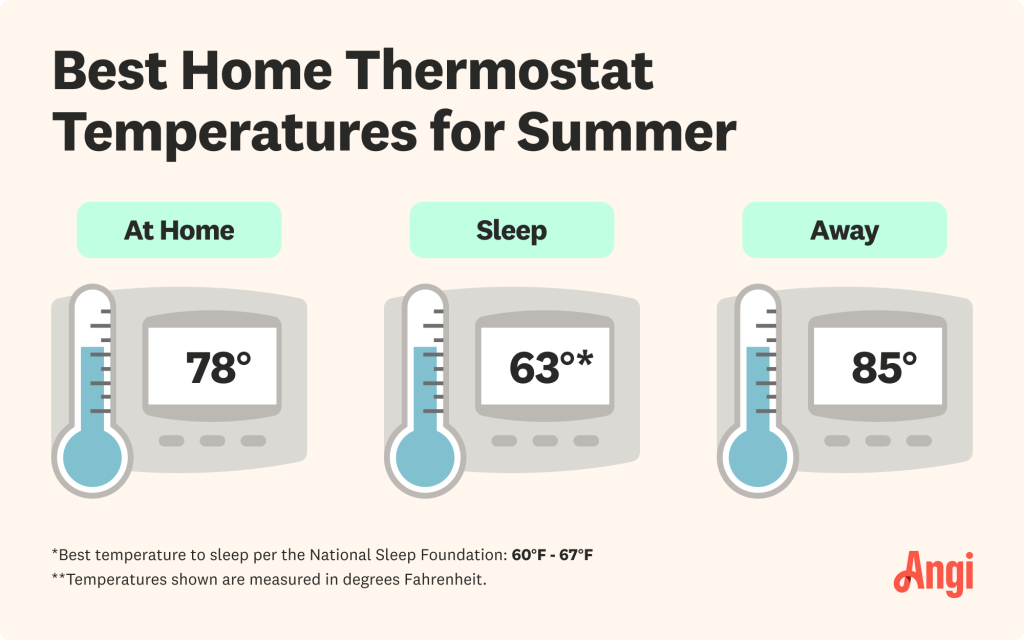
- Set the AC thermostat to about 78°F (25°C) when you are home.
- Raise the temperature by 7–10°F (4–6°C) when you are away.
- Use fans to help circulate air and feel cooler.
- Close blinds or curtains to block heat from sunlight.
Seasonal Temperature Guidelines
Different seasons need different AC settings. Adjust your AC based on outdoor temperatures and humidity levels to stay comfortable and save energy.
| Season | Recommended Start Temperature | Notes |
|---|---|---|
| Spring | 75°F – 78°F (24°C – 26°C) | Start AC when days are warmer than 75°F. |
| Summer | 78°F – 80°F (26°C – 27°C) | Keep AC at 78°F for comfort and energy saving. |
| Fall | 75°F – 78°F (24°C – 26°C) | Turn on AC only if indoor humidity feels high. |
| Winter | Usually off | Use AC only if temperatures rise above 80°F indoors. |
Signs You Need Cooling
Knowing when to turn on your air conditioner can keep your home comfortable. Watch for clear signs that cooling is needed.
These signs include high humidity, indoor heat build-up, and trouble sleeping. Each one shows your home needs cooler air.
Humidity Levels
High humidity makes the air feel sticky and uncomfortable. It can cause sweat to stay on your skin, making you feel hotter.
- Condensation on windows or walls
- Musty or damp smells indoors
- Feeling of heaviness in the air
Indoor Heat Build-up
Heat can build up inside your home during the day. Sunlight, cooking, and electronics add warmth.
| Source of Heat | Effect on Indoor Temperature |
| Sunlight through windows | Raises room temperature by 5–10°F |
| Cooking appliances | Adds warmth especially in kitchens |
| Electronics running | Generates small but steady heat |
Sleep Discomfort
Hot or humid nights can make it hard to fall asleep. You may feel restless or sweat more than usual.
Signs you should cool your bedroom:
- Difficulty falling asleep
- Waking up feeling hot or sweaty
- Using fans but still feeling uncomfortable
- Feeling tired despite enough sleep
Energy Efficiency Tips
Knowing when to turn your air conditioner on can save energy and money. Using your AC wisely helps keep your home cool without wasting power.
Simple habits and small changes improve your AC’s efficiency. This guide covers thermostat settings, fan use, and sealing your home.
Optimal Thermostat Settings
Set your thermostat to a comfortable but not too cold temperature. The U.S. Department of Energy suggests 78°F when you are home.
Raise the thermostat a few degrees when you are away. This reduces the AC run time and cuts energy use.
- Keep thermostat at 78°F when home
- Set to 85°F or higher when away
- Use a programmable thermostat for easy control
Using Fans With Ac
Fans help spread cool air and let you feel cooler without lowering the thermostat. Use ceiling or portable fans with your AC.
Turn off fans when no one is in the room. Fans cool people, not rooms, so they save energy this way.
- Use fans to circulate air
- Keep thermostat higher while using fans
- Turn fans off when rooms are empty
Sealing And Insulation
Seal gaps and cracks around doors and windows. Good sealing stops cool air from escaping and hot air from entering.
Proper insulation in walls and attic keeps your home cooler longer. This lowers the work your AC must do.
- Seal leaks with weatherstripping or caulk
- Insulate walls, attic, and floors
- Use curtains to block sunlight during hot hours

Credit: www.acostainc.com
Smart Thermostat Benefits
Smart thermostats help control your air conditioner easily. They save energy and keep your home comfortable.
These devices learn your schedule and adjust the AC use automatically. This makes cooling more efficient and less wasteful.
Scheduling Ac Use
Smart thermostats let you set times for your AC to turn on or off. You can cool your home before you arrive and save energy when you leave.
- Set cooling to start before you get home
- Turn off AC during work hours
- Adjust temperature at night for better sleep
- Use different schedules for weekdays and weekends
Remote Control Features
You can control your AC from anywhere with a smart thermostat app. This feature adds convenience and helps save energy.
| Feature | Benefit |
| Remote temperature adjustment | Change settings without being home |
| Real-time energy reports | Track and reduce energy use easily |
| Alerts and reminders | Get notified about maintenance or unusual use |
Maintenance For Better Performance
Knowing when to turn on your air conditioner is important. Proper maintenance helps your AC work well.
Regular care keeps your unit efficient. It also saves energy and lowers repair costs.
Filter Cleaning
Cleaning the filter improves air flow. It helps cool air move freely through the system.
A dirty filter makes the AC work harder. This raises energy use and can cause damage.
- Check filters every month during use
- Wash or replace filters as needed
- Use the right filter size for your unit
- Keep the area around the filter clean
Regular Inspections
Inspect your air conditioner before turning it on. Look for signs of wear or damage.
Check the thermostat settings and electrical connections. Make sure the outdoor unit is clear of debris.
- Look for leaks or unusual noises
- Clean the coils and fins gently
- Test the system for proper cooling
- Schedule professional checkups yearly
Alternative Cooling Methods
Turning on your air conditioner is not the only way to cool your home. You can try other ways to keep your house cool. These methods use less energy and help save money.
Using alternative cooling methods can reduce your need to run the AC. This helps the environment and keeps your electricity bill lower.
Natural Ventilation
Natural ventilation lets fresh air flow through your home. Open windows and doors on opposite sides to create a breeze. This cools your rooms without electricity.
Try to open windows during cooler parts of the day. Close them when it gets hot outside to keep warm air out.
- Open windows in the early morning and late evening
- Create cross-ventilation by opening windows on opposite sides
- Use window screens to keep bugs out
- Close windows during hot midday hours
Portable Fans
Portable fans help move air around your home. They do not lower the temperature but make you feel cooler. Fans use less power than air conditioners.
Place fans near windows to push hot air out or pull cooler air in. Use ceiling fans if you have them to improve air flow.
- Use fans to boost natural ventilation
- Place fans near windows for best effect
- Turn fans off when you leave the room
- Combine fans with other cooling methods
Shade And Window Treatments
Shade blocks sunlight and lowers indoor heat. Use curtains, blinds, or shades on windows that get direct sun. This keeps rooms cooler during the day.
Planting trees or using outdoor awnings can also reduce sunlight on your house. These options help cut down on cooling needs.
- Close curtains or blinds during sunny hours
- Use light-colored window treatments to reflect heat
- Install outdoor shades or awnings for windows
- Plant trees near windows for natural shade

Credit: www.angi.com
Frequently Asked Questions
When Is The Best Time To Turn On My Air Conditioner?
The best time to turn on your air conditioner is when indoor temperatures consistently rise above 75°F. This helps maintain comfort and energy efficiency without overworking your unit.
How Do Outside Temperatures Affect Ac Usage?
Outside temperatures impact AC use because higher heat increases indoor temperatures. When it’s hot outside, turning on your AC early keeps your home cool and prevents heat buildup.
Should I Turn On My Ac Before It Gets Too Hot?
Yes, turning on your AC before it’s too hot prevents heat buildup. This keeps your home comfortable and allows your unit to cool the space efficiently.
How Can I Save Energy When Using My Air Conditioner?
To save energy, set your AC thermostat to 78°F when home. Use fans and close blinds to reduce cooling needs and lower electricity bills.
Conclusion
Choosing the right time to turn on your air conditioner saves energy and money. Start cooling when the temperature feels uncomfortable indoors. Avoid running the AC too early to keep bills low. Keep your home fresh and cool by setting a comfortable temperature.
Regular maintenance helps your AC work better and last longer. Listen to your body and the weather to decide the best time. Stay cool without wasting energy. Simple steps make a big difference in comfort and cost.